

Overview
This article provides a complete guide to following a soft diet during recovery periods, detailing who benefits from such diets, essential nutritional guidelines, meal planning strategies, and seven healing recipes designed to support tissue repair. It emphasizes that soft diets can be both nutritionally complete and flavorful while allowing injured tissues to heal, making them valuable for dental patients, those with gastrointestinal conditions, cancer patients, and people recovering from various surgeries or experiencing swallowing difficulties.
Table of Contents
- Understanding Soft Diets: What They Are and Why They Matter
- Who Benefits from a Soft Diet? More Than You Might Think
- Essential Guidelines for Following a Soft Diet Successfully
- Maintaining Nutritional Balance on a Soft Diet
- Recovery Timeline: How Long Should You Follow a Soft Diet?
- 7 Proven Soft Diet Recipes That Speed Recovery
- Meal Planning Tips for Soft Diet Success
- Common Mistakes to Avoid on a Soft Diet
- Conclusion
- Frequently Asked Questions
Understanding Soft Diets: What They Are and Why They Matter
When life throws you a curveball—be it dental surgery, digestive distress, or difficulty swallowing—a soft diet can be your saving grace. As a nutritionist who’s guided countless patients through recovery, I’ve seen firsthand how the right soft diet approach can transform healing from a painful ordeal into a gentle journey back to wellness. But what exactly constitutes a “soft diet”? Simply put, it’s a nutritional plan featuring foods that require minimal chewing and are easy to swallow and digest.
Think of a soft diet as a comforting bridge—not as restrictive as liquids only, but not quite ready for your regular crunchy, chewy favorites. The beauty of a proper soft diet lies in its ability to provide crucial nutrients while allowing injured tissues to heal undisturbed. Foods on a soft diet should practically melt in your mouth, passing through your digestive system with minimal friction or irritation.
Many patients mistakenly believe a soft diet means surviving solely on bland applesauce and tasteless puddings. Nothing could be further from the truth! Today’s soft diets can be flavorful, satisfying, and nutritionally complete. The secret? Knowing which foods qualify and how to prepare them properly for maximum palatability and healing potential.
Who Benefits from a Soft Diet? More Than You Might Think
The soft diet isn’t just for grandparents without their dentures (though they certainly benefit too!). As a healthcare professional, I recommend soft diets for an impressively diverse group of patients. Dental patients top the list—whether you’re recovering from an extraction, adjusting to new dentures, or healing from oral surgery, giving your mouth a break from vigorous chewing allows tissues to mend properly.
Gastrointestinal warriors, I see you! Those battling conditions like diverticulitis, inflammatory bowel disease, or recovering from GI surgery find that soft foods reduce intestinal irritation while maintaining nutrition. Similarly, patients with swallowing difficulties (dysphagia) following stroke or neurological conditions depend on soft diets to maintain safe, adequate nutrition.
Cancer patients undergoing treatments that cause mouth sores or throat irritation often find solace in soft foods. And let’s not forget those recovering from general surgeries, where pain medication might slow digestion, making easier-to-process foods a comfortable necessity. Even short-term illnesses like severe sore throats or dental infections might warrant a brief soft diet period. The common thread? When your body is working overtime to heal, simplifying the work of eating allows more energy for recovery.

Essential Guidelines for Following a Soft Diet Successfully
Success on a soft diet requires more than just avoiding crunchy foods. Having guided patients through thousands of recovery journeys, I’ve developed these foolproof guidelines that make all the difference in both comfort and healing outcomes.
First and foremost, texture is everything. Aim for foods that can be easily mashed with a fork—if it requires significant chewing, it’s not soft diet-friendly. Temperature matters too; extremely hot foods can irritate sensitive tissues, while moderately warm or cool options provide comfort. Many patients find that room temperature foods cause the least discomfort during early healing phases.
Moisture is your ally—dry foods can be challenging to swallow and may irritate healing tissues. Add broths, gravies, yogurt, or healthy oils to provide moisture and improve both texture and nutritional content. Seasoning deserves special attention; while spicy foods are typically off-limits, this doesn’t mean your food must be bland. Herbs, mild seasoning, and aromatic ingredients can keep meals interesting without compromising comfort.
Preparation methods make all the difference in soft diet success. Steaming, boiling, poaching, and slow-cooking transform otherwise inappropriate foods into perfect soft options. Your blender and food processor become essential tools—not just for smoothies, but for creating purées from vegetables, fruits, and even proteins that would otherwise be off-limits.
According to research from the Academy of Nutrition and Dietetics, proper nutrition during recovery significantly impacts healing times. This makes adhering to soft diet guidelines not just about comfort, but about optimizing your body’s recovery potential.
Maintaining Nutritional Balance on a Soft Diet
The greatest challenge of a soft diet? Ensuring you’re getting complete nutrition while limiting food textures. As a nutritionist, I’ve seen too many patients unintentionally create nutritional gaps during recovery periods. Let’s prevent that by addressing each essential nutrient group.
Protein often becomes the first casualty of texture restrictions, yet it’s absolutely crucial for tissue repair. Soft protein superstars include yogurt, cottage cheese, scrambled eggs, tofu, finely ground meat in sauces, and protein-enriched smoothies. For those on longer-term soft diets, consider supplementing with high-quality protein powders blended into permitted foods.
Fruits and vegetables provide essential vitamins, minerals, and fiber—all vital for healing. Don’t skip them! Instead, cook them until tender and purée as needed. Applesauce, mashed bananas, and avocados are naturally soft fruit options. For vegetables, think beyond basic baby food—roasted vegetables blended with broth create flavorful, nutrient-dense soups.
Whole grains can seem challenging on a soft diet, but options exist. Oatmeal, cream of wheat, and well-cooked rice are excellent sources of energy and nutrients. For those concerned about fiber intake, ground flaxseed can be easily incorporated into smoothies or yogurt without affecting texture.
Hydration deserves special attention during healing. Many patients reduce fluid intake due to discomfort, but proper hydration accelerates healing and prevents complications. If swallowing liquids is painful, try room-temperature water, herbal teas, or incorporating more water-rich foods like yogurt and soup into your diet.
Medical research consistently shows that micronutrient deficiencies can significantly delay healing processes. This makes thoughtful soft diet planning not just a comfort issue but a medical necessity for optimal recovery.
Recovery Timeline: How Long Should You Follow a Soft Diet?
One question I hear constantly in my practice: “How long must I eat this way?” The answer, like many things in healthcare, is that familiar phrase—it depends. Most dental procedures require soft diets for 7-14 days, with wisdom tooth extractions sometimes extending to three weeks. Gastrointestinal surgeries typically demand 2-4 weeks of modified textures, gradually reintroducing normal foods as healing progresses.
Recovery isn’t linear—some days will feel better than others. Listen to your body’s feedback rather than rigidly following calendar dates. That unexpected pain when trying a slightly firmer food? It’s your body’s way of saying “not yet.” The complete absence of discomfort when eating soft foods? Perhaps time to cautiously test slightly more challenging textures.
Progression should be gradual—a common mistake I see is patients jumping from completely soft foods directly back to their regular diet. This often results in setbacks and prolonged discomfort. Instead, introduce “in-between” foods first: tender cooked vegetables, soft breads without crusts, or pasta cooked slightly beyond al dente.
Medical follow-ups provide important guidance for diet advancement. Before abandoning your soft diet entirely, consult your healthcare provider for personalized advice based on your specific healing progress. Remember that tissues may look healed externally while still requiring additional time for complete internal recovery.
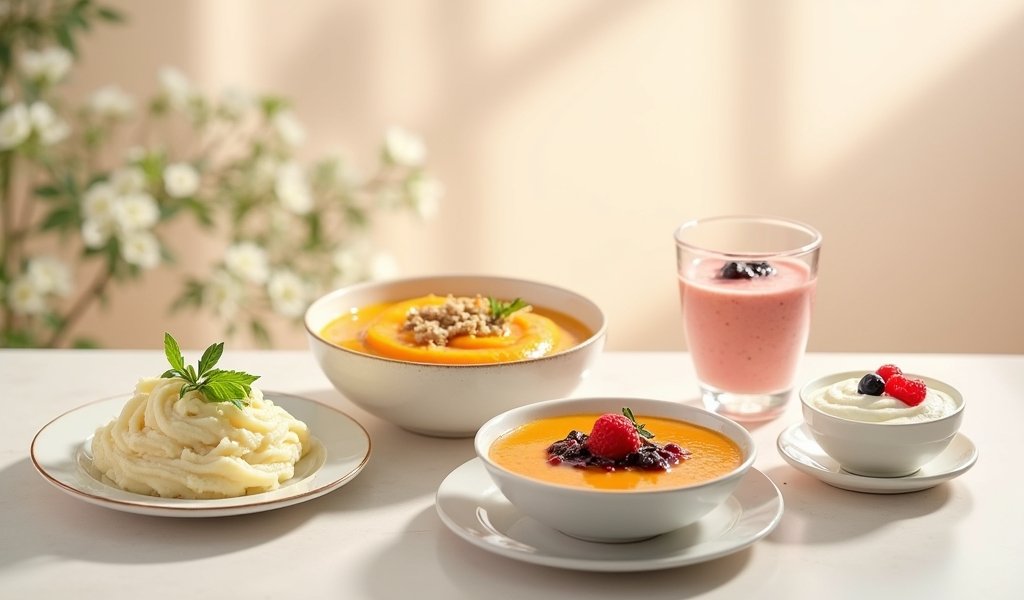
7 Proven Soft Diet Recipes That Speed Recovery
After years of working with recovery patients, I’ve developed these seven powerhouse recipes that deliver maximum nutrition in soft, easy-to-eat packages. These aren’t just soft—they’re specifically designed to support healing with targeted nutrients.
1. Protein-Packed Golden Recovery Smoothie
This sunrise-in-a-glass combines one frozen banana, half a cup of mango, one tablespoon of ground flaxseed, one cup of Greek yogurt, a quarter teaspoon of turmeric (a powerful anti-inflammatory), and enough almond milk to reach your desired consistency. The protein supports tissue repair while turmeric actively fights inflammation—a healing double-whammy!
2. Silky Salmon and Sweet Potato Purée
Don’t let the word “purée” fool you—this dish is sophisticated comfort food. Combine four ounces of baked salmon (skin and bones removed) with half a cup of roasted sweet potato, two tablespoons of olive oil, and a pinch of dill in a food processor. The omega-3 fatty acids in salmon reduce inflammation while the vitamin A in sweet potatoes accelerates tissue healing.
3. Healing Bone Broth Risotto
This velvety risotto uses healing bone broth as its base. Slowly simmer half a cup of Arborio rice with two cups of bone broth, adding a quarter cup at a time until absorbed. Finish with two tablespoons of grated Parmesan and two teaspoons of olive oil. The collagen in bone broth supports tissue repair while the creamy texture slides down easily.
4. Cooling Cucumber-Avocado Soup
Perfect for warm days, this no-cook soup blends one ripe avocado, one peeled cucumber, half a cup of Greek yogurt, a squeeze of lemon juice, and a handful of fresh dill until silky smooth. Chill before serving for a refreshing, nutrient-dense meal that’s particularly soothing for mouth or throat irritation.
5. Fortified Mashed Cauliflower
This vitamin-rich side exceeds ordinary mashed potatoes in both nutrition and healing potential. Steam one head of cauliflower florets until very tender, then blend with two tablespoons of butter, one-quarter cup of warm milk, and two tablespoons of nutritional yeast (for a protein and B-vitamin boost). The cruciferous compounds in cauliflower support cellular repair while delivering satisfying comfort.
6. Restorative Lentil and Vegetable Soup
This protein-rich soup features red lentils (which break down beautifully during cooking) simmered with finely diced carrots, onions, and spinach in vegetable broth until everything becomes sublimely tender. The plant-based protein and iron support blood cell regeneration and tissue repair—crucial during recovery periods.
7. Anti-Inflammatory Berry Compote
This versatile topping pairs with yogurt, oatmeal, or stands alone as a snack. Simmer two cups of mixed berries (fresh or frozen) with two tablespoons of honey and one teaspoon of lemon juice until berries break down into a sauce. The anthocyanins in berries actively combat inflammation while satisfying sweet cravings during recovery.
Meal Planning Tips for Soft Diet Success
Successful soft diet adherence hinges on preparation—something I emphasize to all my recovering patients. Batch cooking becomes your best friend; dedicate a few hours weekly to preparing several soft-friendly recipes that can be refrigerated or frozen in single portions. This prevents the “I’m hungry but everything requires too much effort” syndrome that often leads to diet abandonment.
Repurposing single ingredients across multiple meals maximizes efficiency. For instance, that large batch of steamed and puréed carrots can become a soup base on Monday, a side dish on Tuesday, and part of a vegetable mousse on Wednesday. This approach reduces preparation fatigue while maintaining dietary variety.
Texture progression planning is worth considering for longer recovery periods. Start with completely smooth foods, then gradually introduce soft foods with more definition as healing progresses. This creates a psychological roadmap toward normal eating while respecting physical healing requirements.
Family meals require special consideration—segregating yourself during meals often feels isolating. Instead, adapt family recipes where possible (serve yourself the same curry but purée your portion), or make your soft option similar to family meals (mashed potatoes alongside their roasted potatoes). These approaches maintain the social aspects of eating while adhering to necessary restrictions.
Common Mistakes to Avoid on a Soft Diet
Through years of guiding patients, I’ve observed several recurring pitfalls that can derail recovery progress. First among these is texture overconfidence—attempting foods that seem soft but actually require more chewing than anticipated. The “it looks soft enough” assumption has extended many a recovery period unnecessarily. When in doubt, test foods by seeing if they mash easily with a fork.
Nutritional tunnel vision presents another common challenge—focusing exclusively on one food group (usually carbohydrates) because they’re easiest to prepare in soft textures. This creates nutritional imbalances that can actually slow healing. Aim for protein, healthy fats, and complex carbohydrates at most meals, even when texture-restricted.
Temperature extremes often sabotage comfort during recovery. Very hot foods can irritate healing tissues, while very cold options might trigger sensitivity. Room temperature or slightly warm foods generally provide maximum comfort during active healing phases.
Rushing reintroduction of normal foods frequently leads to setbacks. That momentary improvement in symptoms doesn’t necessarily signal complete healing. Follow medical guidance on timing, and when reintroducing regular foods, start with the softest regular foods first.
Finally, many patients underestimate hydration importance during recovery. Soft diets often contain less natural water content than regular diets with fresh fruits and vegetables. Deliberate hydration becomes essential for optimal healing and digestive function. Aim for at least 8 glasses of water daily, more if medically advised.
Conclusion
The journey through a soft diet represents more than just modified textures—it’s a proactive approach to supporting your body’s natural healing processes. Through thoughtful food choices, preparation methods, and meal planning, what could be a restrictive dietary experience transforms into a nourishing path toward recovery. The seven recipes provided deliver not just appropriate textures, but targeted nutrients that actively support healing.
Remember that recovery timelines vary individually—listen to both your healthcare provider’s guidance and your body’s feedback when progressing through dietary stages. The common mistakes section highlights important cautions, but shouldn’t discourage you. With proper planning and preparation, a soft diet becomes not just manageable but potentially enjoyable.
As you move through your healing journey, celebrate each small victory—that first day without pain, the first slightly firmer food tolerated, or simply the satisfaction of providing your body exactly what it needs during a challenging time. Your commitment to following appropriate soft diet guidelines directly translates to improved healing outcomes and a faster return to both physical wellness and eating enjoyment.
Frequently Asked Questions
What foods should I absolutely avoid on a soft diet?
Avoid nuts, seeds, raw vegetables, tough meats, crusty breads, and anything crunchy or chewy. Also steer clear of spicy foods, alcohol, and extremely hot or cold items that could irritate healing tissues.
Can I get enough protein on a soft diet?
Yes, through options like Greek yogurt, cottage cheese, silken tofu, finely ground meats in sauce, eggs, and protein-fortified smoothies. Consider protein supplements if your soft diet extends beyond two weeks.
How can I prevent constipation while on a soft diet?
Focus on adequate hydration, incorporate puréed fruits and vegetables, and consider adding ground flaxseed to smoothies or yogurt. If problems persist, discuss a gentle fiber supplement with your healthcare provider.
Can children follow a soft diet safely?
Yes, children can safely follow a soft diet with proper nutritional planning to support growth needs. Work with a pediatric healthcare provider to ensure all essential nutrients are included in appropriate quantities.
Will I lose weight on a soft diet?
Not necessarily—a well-planned soft diet can maintain your calorie needs. If unintended weight loss occurs, increase portion sizes and incorporate healthy fats like olive oil, avocado, and nut butters into permitted foods.