
Overview
Who knew that getting fit could be less about torturing yourself alone and more about having friends who judge your donut habits? This article presents ten social wellness strategies for fitness success, including creating accountability partnerships, joining group activities, leveraging technology, and building diverse wellness networks—all highlighting how meaningful social connections can transform fitness from a dreaded solo activity into a sustainable lifestyle supported by community.
Table of Contents
- Understanding Social Wellness
- Hack #1: Create Fitness Accountability Partnerships
- Hack #2: Join Group Exercise Classes
- Hack #3: Leverage Technology for Social Fitness
- Hack #4: Schedule Active Social Gatherings
- Hack #5: Cook Healthy Meals Together
- Hack #6: Practice Mindfulness in Groups
- Hack #7: Volunteer for Physical Service Projects
- Hack #8: Create Friendly Competitions
- Hack #9: Build a Diverse Wellness Network
- Hack #10: Schedule Regular Check-ins
- Conclusion
- Frequently Asked Questions
Understanding Social Wellness
Your physical health doesn’t exist in isolation. As a health professional, I’ve witnessed countless clients transform their fitness journeys when they finally embrace the social dimension of wellness.
Social wellness refers to our ability to form meaningful connections and maintain healthy relationships. It’s about creating a supportive community that enhances your overall wellbeing – and yes, that includes your fitness goals.
The science backs this up powerfully. According to Harvard Health, strong social ties can help us live longer and healthier lives. One remarkable study found that lack of social connection can be more harmful than obesity, smoking, or high blood pressure.
When we integrate social elements into our health routines, something magical happens. Accountability increases. Motivation spikes. Consistency improves. And suddenly, what felt like an uphill battle becomes an enjoyable journey shared with others.
Let’s explore ten practical, evidence-based social wellness hacks that can revolutionize your approach to health and fitness.
Hack #1: Create Fitness Accountability Partnerships
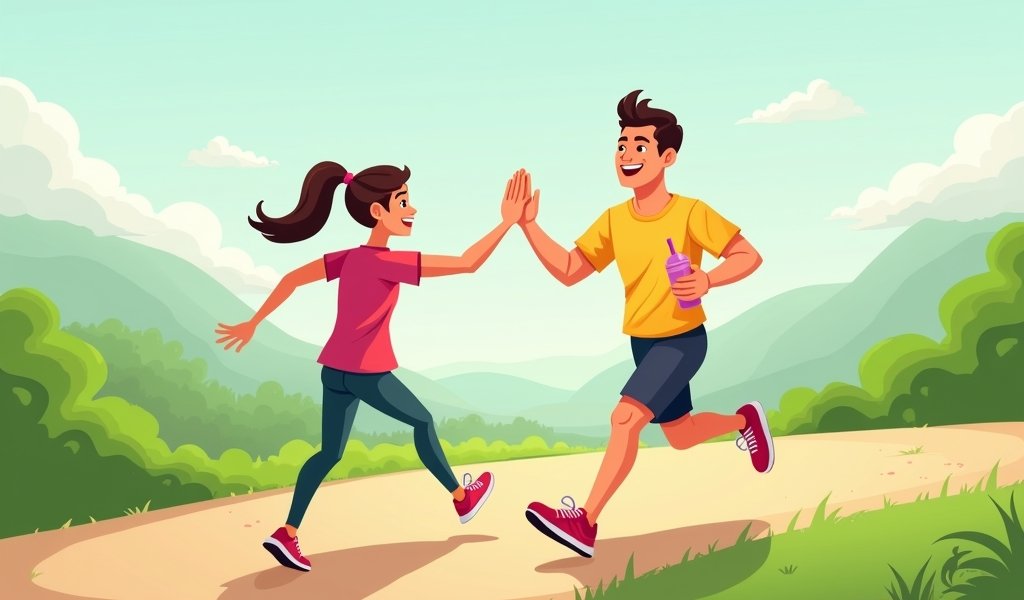
Remember that time you hit snooze five times and skipped your morning workout? It happens to the best of us – unless someone’s waiting for us at the gym.
Accountability partnerships are game-changers for fitness consistency. When you know someone else is counting on you to show up, your likelihood of following through skyrockets by up to 95%, according to a study from the American Society of Training and Development.
Finding the right accountability partner matters. Look for someone with:
- Similar fitness goals but perhaps slightly ahead of where you are
- A compatible schedule that allows for regular check-ins
- A personality that motivates rather than intimidates you
The most effective partnerships involve regular check-ins – text each other before workouts, share progress photos, or schedule weekly catch-up calls. My clients who exchange quick “Done!” texts after completing their workouts see dramatically better adherence rates.
Don’t live near your potential workout buddy? No problem. Virtual accountability works just as well. Set up weekly video calls to discuss your progress, challenges, and wins. The human connection matters more than physical proximity.
Hack #2: Join Group Exercise Classes
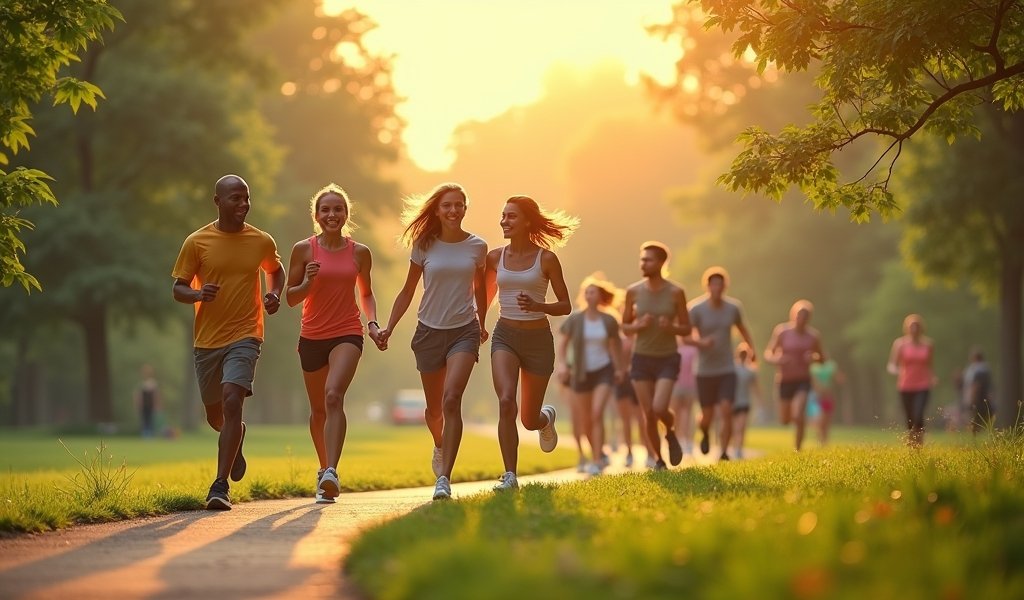
There’s something uniquely motivating about sweating it out alongside others. The energy in a room full of people pushing their limits is contagious – and science explains why.
When we exercise in groups, our brains release higher levels of endorphins compared to solo workouts. This phenomenon, sometimes called “collective effervescence,” creates a natural high that makes challenging workouts feel more rewarding.
Group fitness classes offer structured opportunities to connect with like-minded health enthusiasts. From high-intensity interval training to yoga to dance-based workouts, the variety ensures everyone can find their fitness tribe.
The benefits extend beyond motivation. In group settings, you’re more likely to:
- Push harder than you would alone (thanks to friendly competition)
- Execute exercises with better form (through instructor supervision)
- Discover new workout techniques (from both instructors and classmates)
- Develop friendships around shared health values
For beginners especially, group classes provide a supportive entry point into fitness. The structured environment removes the guesswork of what exercises to do, while the community aspect eases the intimidation factor of starting something new.
Don’t worry about being “good enough” – quality classes welcome all fitness levels. The shared experience of growth creates bonds that often extend beyond gym walls, transforming fitness from a chore into a social highlight.
Hack #3: Leverage Technology for Social Fitness
Technology often gets blamed for our sedentary lifestyles, but used strategically, it can become a powerful ally in building social wellness around fitness.
Fitness apps with social features transform solitary workouts into shared experiences. Platforms like Strava, Nike Run Club, and Peloton create virtual communities where members can:
- Share workout achievements and receive encouragement
- Participate in challenges with friends or global communities
- Compare stats and celebrate improvements together
- Schedule virtual workouts with friends across distances
The data speaks for itself. Research published in Nature found that runners with online social networks ran farther, more frequently, and for longer periods than those who tracked their runs privately.
Even wearable fitness trackers become more effective when connected to social networks. That friendly competition to hit step goals or close activity rings creates subtle but consistent motivation to move more throughout the day.
For those who can’t access in-person fitness communities due to location, schedule constraints, or personal preference, these digital connections ensure you’re never truly exercising alone. The support section is available 24/7 in your pocket.
Hack #4: Schedule Active Social Gatherings
Why choose between social time and workout time when you can combine them? Active socializing reimagines traditional gatherings through a movement lens.
Instead of meeting friends for drinks or dinner, suggest activities that get you moving together:
- Walking meetings or catch-ups (perfect for one-on-one conversations)
- Recreational sports (volleyball, tennis, pickleball, basketball)
- Outdoor adventures (hiking, kayaking, rock climbing)
- Dance nights (salsa clubs, line dancing, or even just dancing at home)
- Active gaming (VR fitness games, Dance Dance Revolution, Wii Sports)
These active alternatives often lead to more meaningful connections. Something about moving side-by-side rather than sitting face-to-face seems to encourage deeper conversation. Plus, shared physical challenges create bonds through mutual experience.
For family gatherings, suggest active options that accommodate various fitness levels. A family walk after dinner, backyard games, or weekend fitness retreats can become cherished traditions that support everyone’s health.
Active socializing delivers multiple benefits simultaneously: quality time with people you care about, physical activity for your body, and often fresh air and nature exposure – all powerful components of holistic wellness.
Hack #5: Cook Healthy Meals Together
Nutrition forms the foundation of any successful fitness journey, and cooking healthy meals becomes exponentially more enjoyable as a social activity.
Cooking together creates multiple wellness benefits:
- Shared nutritional knowledge and recipe exchange
- Cost savings through bulk preparation and ingredient sharing
- Accountability for healthy eating choices
- Quality connection time during preparation and enjoyment
- Decreased reliance on processed or restaurant foods
Start a cooking club where members rotate hosting healthy meal prep sessions. Everyone contributes ingredients, learns new techniques, and takes home portions for the week ahead. This approach makes healthy eating more accessible, affordable, and fun.
For busy professionals, organize meal swap groups. Each person prepares one large-batch healthy recipe and exchanges portions with others, instantly diversifying your weekly menu without additional cooking time.
Studies show we tend to mirror the eating habits of those around us. By cooking with health-conscious friends, you naturally steer eating patterns in a nutritious direction through positive social influence.
The conversation and connection that happen over chopping vegetables and stirring pots often feels more natural than forced social settings. Food preparation has united humans since prehistoric times – it’s in our DNA to bond while nourishing our bodies.
Hack #6: Practice Mindfulness in Groups
Mental wellness forms an essential pillar of overall health, and group mindfulness practices offer a powerful way to nurture both psychological wellbeing and social connections simultaneously.
While meditation might seem inherently solitary, the practice takes on new dimensions in group settings. There’s something uniquely powerful about sharing silence and intention that creates connection without words.
Group mindfulness options include:
- Community yoga classes focusing on breath and presence
- Guided meditation circles (in-person or virtual)
- Mindful walking groups in natural settings
- Breathwork sessions led by trained facilitators
- Sound healing experiences with singing bowls or gongs
The benefits extend beyond the practice itself. According to research published in the Journal of Clinical Psychology, group meditation can enhance feelings of connectedness and compassion toward others while reducing stress and anxiety.
For beginners especially, group practice offers invaluable support. The collective energy helps maintain focus longer than most could alone, while the shared experience normalizes the challenges of maintaining presence.
These mindful gatherings often create deeper bonds than traditional social activities as participants see each other in moments of authentic vulnerability and presence – a refreshing contrast to the performative nature of many social interactions.
Hack #7: Volunteer for Physical Service Projects
Combining fitness with purpose creates a powerful formula for consistent physical activity. Volunteering for service projects that require physical effort delivers a triple reward: helping others, building meaningful connections, and improving your own health.
Consider these active volunteer opportunities:
- Habitat for Humanity construction projects
- Community garden planting and maintenance
- Beach, park, or trail cleanups
- Disaster relief efforts
- Charity walk/run event support
- Animal shelter dog-walking programs
The physical benefits are substantial – many volunteers report being surprised by how physically demanding (and satisfying) these activities can be. Three hours of community garden work can burn as many calories as a gym session while providing functional, varied movement patterns.
The social connections formed through service tend to be particularly meaningful. You’ll meet like-minded individuals who share your values and commitment to making a difference – an excellent foundation for lasting friendships.
Perhaps most importantly, the mental health benefits are profound. Research in Psychological Bulletin found that volunteers experience lower rates of depression, increased life satisfaction, and even enhanced longevity compared to non-volunteers.
Regular volunteer work combines physical activity, social connection, and purpose – a holistic approach to wellness that nourishes body, mind, and spirit simultaneously.
Hack #8: Create Friendly Competitions
Nothing ignites motivation quite like a good-natured challenge. Friendly competitions harness our natural drive to measure ourselves against others, creating sustained engagement with fitness goals.
Effective wellness competitions balance challenge with support. They should:
- Accommodate different fitness levels through handicapping or tiered goals
- Focus on improvement rather than absolute performance
- Include regular check-ins and progress sharing
- Offer symbolic rather than substantial rewards to maintain focus on health
- Celebrate effort alongside results
Consider these competition formats:
- Step challenges using fitness trackers (individual or team-based)
- Body composition improvement percentages
- Fitness bingo with various activities to complete
- Consistency streaks for workouts or healthy habits
- “New activity” challenges to expand fitness horizons
Team-based challenges are particularly effective. According to behavioral psychologists, we often push harder for our team than we would for ourselves alone – a phenomenon called “social facilitation.”
The most successful competitions include regular check-ins where participants share progress and encouragement. This social component transforms what could be merely competitive into something collaborative and supportive.
Fitness-oriented singles often find these friendly competitions an excellent way to connect with like-minded individuals. The shared experience creates natural conversation starters and reveals compatible values around health and personal growth.
Hack #9: Build a Diverse Wellness Network
Not all wellness relationships serve the same purpose. Just as a comprehensive fitness program works various muscle groups, different social connections support different aspects of your health journey.
A well-rounded wellness network might include:
- Workout partners who match your exercise preferences
- Nutrition allies who share healthy eating goals
- Mindfulness companions for meditation or stress management
- Adventure buddies who enjoy active recreation
- Professional connections with fitness experts or healthcare providers
- Emotional support people who understand your wellness challenges
Take time to map your health goals to your social connections. Where do you have strong support? Where could you use additional encouragement? This assessment reveals areas where cultivating new relationships might benefit your wellness journey.
The goal isn’t maintaining identical closeness with everyone but ensuring different aspects of your health have appropriate support. This diversity creates resilience – if one support person becomes unavailable, your entire wellness practice doesn’t collapse.
Online communities can fill gaps in your local wellness network. Facebook groups, Reddit communities, and specialized forums connect you with people sharing specific health interests or challenges, expanding your support system globally.
Remember, relationship quality matters more than quantity. A few meaningful connections that genuinely support your health goals prove far more valuable than numerous shallow associations.
Hack #10: Schedule Regular Check-ins
Consistency creates results in both relationships and fitness. Regular check-ins with your wellness allies provide the accountability structure that transforms good intentions into lasting habits.
These social touchpoints don’t need to be elaborate or time-consuming. Even brief connections maintain the supportive framework of your wellness community:
- Weekly text exchanges about workout plans
- Monthly goal-setting coffee dates
- Quarterly progress reviews with fitness partners
- Daily app check-ins through fitness platforms
- Weekly meal planning sessions with nutrition allies
The regularity matters more than the duration. Consistent, predictable support creates a rhythm that reinforces your health habits and provides gentle external accountability.
Learning to ask for and offer support effectively involves clarity and reciprocity. Be specific about what helps you (“Could you check if I’ve logged my workouts by Friday?”) and attentive to others’ needs. The strongest support systems balance giving and receiving.
Technology makes regular check-ins simpler than ever. Calendar reminders, automated check-in prompts through apps, or scheduled video calls maintain connection even during busy periods when wellness might otherwise slide to the bottom of your priority list.
Conclusion
Social wellness isn’t just a nice addition to your fitness journey – it’s often the difference between short-term results and lasting transformation. When we weave connection into our wellness practices, we create sustainable systems that support health over a lifetime.
These ten social wellness hacks create compound benefits. Each supportive relationship you build, each group activity you join, each accountability system you establish reinforces the others, creating an upward spiral of health behaviors.
Start where you feel most comfortable. Perhaps that’s finding one accountability partner or joining a single group class. Small steps lead to meaningful shifts when taken consistently. Over time, you’ll likely find that what began as “exercise” evolves into something richer – a community centered around shared values of health and growth.
Remember that social wellness flows in both directions. The support you give others strengthens your own commitment to healthy living. As you progress on your journey, consider how you might mentor or encourage those just beginning theirs.
Your health transformation might be just one meaningful connection away. Which social wellness hack will you implement this week?
Frequently Asked Questions
What exactly is social wellness?
Social wellness refers to your ability to form and maintain positive relationships with others. It involves building a supportive community that enhances your overall wellbeing and helps you achieve your health and fitness goals.
How does social connection impact physical health?
Strong social connections are linked to improved immune function, faster recovery from illness, and longer lifespans. Research shows that social isolation can be as harmful to health as smoking 15 cigarettes a day.
I’m introverted – do these social wellness hacks still apply to me?
Absolutely! Introverts can benefit from smaller, more intimate social wellness connections or technology-based support. Quality matters more than quantity, so focus on a few meaningful relationships rather than large group activities.
How do I find a good accountability partner?
Look for someone with similar health goals, compatible schedules, and a communication style that motivates you. The ideal partner is slightly ahead of where you are in your fitness journey, providing both inspiration and practical guidance.
Can virtual connections provide the same benefits as in-person ones?
Research shows that while in-person connections offer unique benefits, virtual relationships can still significantly improve motivation and accountability. Digital communities can be especially valuable for those with limited local options or specific health interests.