
Overview
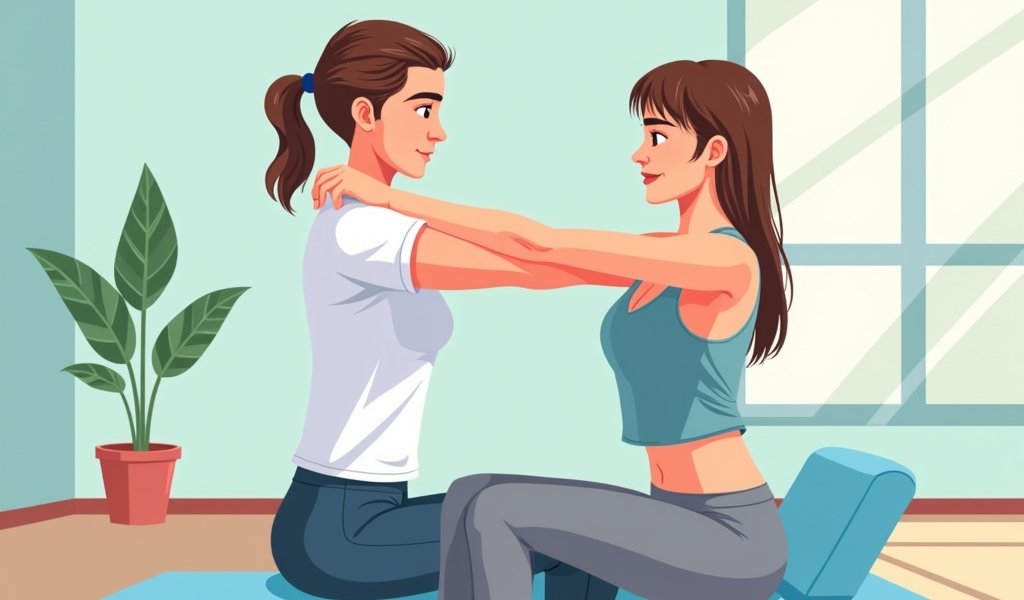
When your elbow tendon goes “snap, crackle, pop” (and not in the fun cereal way), you’re looking at treatment options ranging from the RICE method to full-on surgical repair. This article outlines the causes, diagnosis, and treatment of elbow tendon injuries, emphasizing proper rehabilitation as the key to recovery, whether pursuing conservative management for partial tears or surgical intervention for complete ruptures.
Table of Contents
- Understanding Elbow Tendon Injuries
- Common Causes of Snapped Tendons in the Elbow
- Diagnosing the Injury: From Symptoms to Medical Assessment
- Non-Surgical Treatment Options for Elbow Tendon Injuries
- Surgical Interventions for Severe Tendon Ruptures
- Recovery Timeline and Rehabilitation Process
- Preventing Future Elbow Tendon Injuries
- When to Seek Medical Help
- Conclusion
- Frequently Asked Questions
Experiencing a snapped tendon in elbow can be both painful and debilitating. Whether you’re an athlete who felt that dreaded “pop” during training or someone who developed the injury through repetitive movements, understanding your treatment options is crucial for proper healing. As an orthopedic specialist with over a decade of experience treating elbow injuries, I’ve seen firsthand how the right treatment approach can make all the difference in recovery outcomes.
The elbow joint is a complex structure where several important tendons connect muscles to bones, enabling the movements we often take for granted. When one of these tendons tears or ruptures, it can significantly impact your daily activities and quality of life. But don’t worry – with modern medical advances, there are numerous effective treatments available that can help you regain function and return to your normal activities.
In this comprehensive guide, we’ll explore everything you need to know about treating a snapped tendon in elbow, from conservative approaches to surgical interventions, and provide expert insights to help you make informed decisions about your care. Let’s dive into the world of elbow tendon injuries and discover the path to recovery that’s right for you.
Understanding Elbow Tendon Injuries
Before we delve into treatments, it’s important to understand what we’re dealing with. The elbow contains several key tendons, including the biceps tendon, which connects the biceps muscle to the radius bone, and the triceps tendon, which attaches the triceps muscle to the ulna. There’s also the common extensor tendon (related to tennis elbow) and the common flexor tendon (related to golfer’s elbow).
When we talk about a “snapped” tendon in the elbow, we’re typically referring to a complete or partial rupture of one of these tendons. The severity can range from microscopic tears (tendinosis) to complete tears where the tendon fully detaches from the bone. The experience is often described as a sudden pop or snap sensation, followed by pain, weakness, and sometimes visible deformity.
The most commonly injured tendons in the elbow include:
- Distal biceps tendon (at the front of the elbow)
- Triceps tendon (at the back of the elbow)
- Common extensor tendon (outer elbow)
- Common flexor tendon (inner elbow)
Understanding which tendon is affected is crucial because treatment approaches vary depending on the location and function of the specific tendon. Your age, activity level, and overall health also play important roles in determining the best treatment path. As chiropractic wellness experts often note, a holistic view of your condition will lead to the most effective treatment plan.
Common Causes of Snapped Tendons in the Elbow
Tendon ruptures don’t typically happen out of nowhere. Most elbow tendon injuries develop from a combination of factors, with certain activities and conditions putting you at higher risk. Understanding these causes can help you both in recovery and prevention.
Acute injuries often occur during a specific event or movement. For instance, trying to catch a heavy falling object or suddenly lifting something too heavy can cause the biceps tendon to tear. These injuries are characterized by a sudden onset of pain and sometimes an audible “pop.”
Chronic overuse is another common culprit. Activities that involve repetitive motions, such as tennis, golf, painting, or certain occupational tasks, can gradually wear down the tendon over time. Eventually, even a minimal strain can cause it to snap.
Other risk factors that contribute to tendon injuries include:
- Age: Tendons naturally weaken with age, making tears more likely after 40
- Corticosteroid injections: While helpful for inflammation, repeated injections can weaken tendons
- Certain medications: Some antibiotics and statins can increase tendon vulnerability
- Pre-existing conditions: Tendinitis, arthritis, and other joint conditions increase risk
- Anatomical factors: Bone spurs or abnormal anatomy can cause tendon irritation
Research published in the Journal of Orthopaedic Surgery and Research indicates that poor biomechanics and technique during sports or weightlifting significantly increase the risk of tendon ruptures. This underscores the importance of proper form during physical activities – a principle I emphasize to all my patients.
Diagnosing the Injury: From Symptoms to Medical Assessment
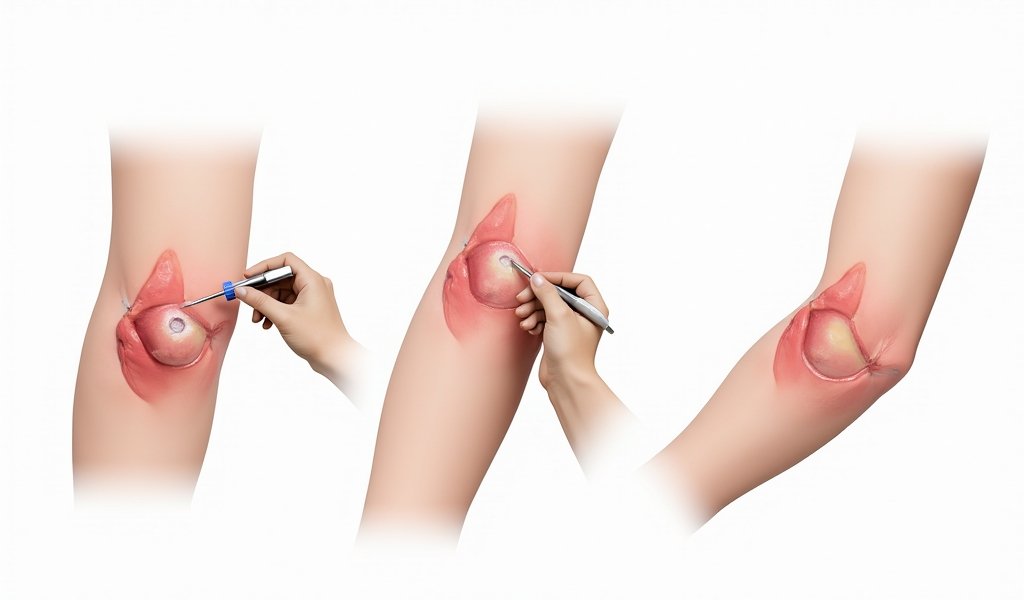
Recognizing the signs of a snapped tendon in elbow is the first step toward proper treatment. The classic symptoms include sudden pain, a popping or snapping sensation, swelling, bruising, weakness, and sometimes a visible deformity or bulge (particularly with biceps tendon ruptures). You might find yourself unable to bend or straighten your elbow normally, or experience pain when trying to lift objects.
If you suspect a tendon injury, seeking prompt medical attention is crucial. Your doctor will likely begin with a thorough physical examination, testing your range of motion, strength, and looking for visible signs of injury. They’ll also inquire about how the injury occurred and your medical history.
To confirm the diagnosis and assess the extent of damage, imaging tests are typically ordered:
- X-rays: While tendons don’t show up on X-rays, these can rule out fractures or other bone issues
- Ultrasound: Offers real-time images of soft tissues and can show tendon tears while being non-invasive
- MRI: Provides detailed images of soft tissues and is the gold standard for diagnosing tendon injuries
- CT scan: May be used in complex cases or when planning for surgery
The diagnostic process is essential for determining the severity of your injury and guiding treatment decisions. A partial tear might be treated differently than a complete rupture, and the location of the tear also influences treatment approaches. As professionals at wellness clinics near you can attest, an accurate diagnosis is the foundation of effective treatment.
During this diagnostic phase, your healthcare provider will also assess factors like your activity level, occupation, age, and overall health, as these will influence treatment recommendations. Be prepared to discuss your goals for recovery – whether that’s returning to competitive sports or simply managing daily activities comfortably.
Non-Surgical Treatment Options for Elbow Tendon Injuries
Not all snapped tendons in the elbow require surgery. Depending on factors like the location and severity of the tear, your age, activity level, and personal preferences, non-surgical approaches may be appropriate. These conservative treatments focus on relieving symptoms and promoting natural healing.
The RICE protocol (Rest, Ice, Compression, Elevation) is typically the first line of treatment for acute injuries. This approach helps manage pain and swelling in the early stages. Resting the injured arm gives the tendon time to heal, while ice reduces inflammation. Compression bandages provide support, and elevation helps minimize swelling.
Pain management is another crucial aspect of non-surgical treatment. Your doctor may recommend:
- Over-the-counter NSAIDs like ibuprofen or naproxen to reduce pain and inflammation
- Prescription pain medications for more severe discomfort (used short-term)
- Corticosteroid injections to reduce inflammation (used sparingly due to potential tendon weakening)
Immobilization through bracing or splinting helps protect the injured tendon during healing. For some elbow tendon injuries, a sling or brace will be prescribed for a period of 3-6 weeks. This stabilizes the joint and prevents movements that could worsen the tear.
Once the acute phase has passed, physical therapy becomes essential. A skilled physical therapist will guide you through:
- Gentle range-of-motion exercises to prevent stiffness
- Progressive strengthening exercises as healing advances
- Techniques to improve flexibility and function
- Education on proper biomechanics to prevent re-injury
Emerging treatments like Platelet-Rich Plasma (PRP) therapy show promise for certain tendon injuries. This treatment uses your body’s own healing factors to stimulate repair. A 2020 study in the Journal of Orthopaedic & Sports Physical Therapy found that PRP injections can accelerate healing in certain tendon injuries, though results vary by individual.
Non-surgical approaches are most successful for partial tears, particularly in less active individuals or those with tears in tendons that aren’t primary movers (like the common flexor or extensor tendons). For complete ruptures of major tendons like the distal biceps, surgery is often recommended, especially for younger or more active patients.
Surgical Interventions for Severe Tendon Ruptures
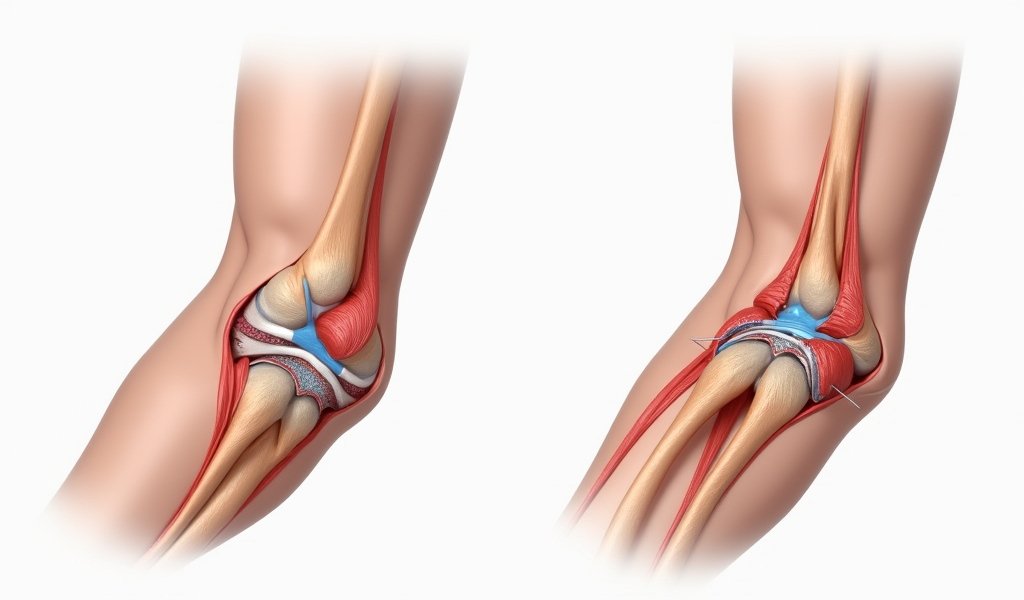
When conservative treatments aren’t sufficient, or when dealing with complete ruptures of major tendons, surgical intervention becomes the preferred option. Surgery is typically recommended for active individuals, those with complete tears of functional tendons (like the biceps or triceps), or when non-surgical approaches haven’t provided adequate relief.
Several surgical techniques may be employed, depending on the specific tendon involved and the nature of the injury:
- Direct repair: Reconnecting the torn ends of the tendon
- Tendon reattachment: Securing the tendon back to the bone using sutures and anchors
- Tendon grafting: Using donor tissue when the original tendon is too damaged
- Minimally invasive techniques: Smaller incisions and specialized instruments to reduce recovery time
For distal biceps tendon repairs, the surgeon may use either a single or double-incision technique. The single-incision approach is performed at the elbow crease, while the double-incision method involves smaller incisions at the front and back of the elbow. Each has its advantages, and your surgeon will recommend the best approach for your specific case.
Triceps tendon repairs typically involve reattaching the tendon to the olecranon (the bony point of the elbow) using suture anchors or drill holes through the bone. This creates a secure attachment that can withstand the forces needed for elbow extension.
Most elbow tendon surgeries are performed on an outpatient basis, meaning you can go home the same day. The procedure is typically done under general anesthesia or regional nerve block. Recovery from surgery varies depending on the specific procedure, but you can expect to wear a splint or brace for 1-2 weeks, followed by a controlled motion brace for several more weeks.
The success rates for elbow tendon surgeries are generally high, with most patients regaining good to excellent function. According to Orthobullets clinical research, surgical repair of distal biceps ruptures results in approximately 95% return of strength compared to the uninjured arm, making it a viable option for those seeking optimal functional recovery.
Recovery Timeline and Rehabilitation Process
Recovering from a snapped tendon in elbow, whether treated surgically or non-surgically, requires patience and dedication. Understanding the typical timeline and rehabilitation process can help set realistic expectations and optimize your healing journey.
For non-surgical treatments, expect a recovery period of 3-6 months, though this varies based on the severity of the injury and your individual healing capacity. The first few weeks focus on protecting the injury and managing pain. As healing progresses, your physical therapy will gradually increase in intensity.
Surgical recovery typically follows this timeline:
- Weeks 1-2: Immobilization in a splint, with a focus on wound care and pain management
- Weeks 2-6: Transition to a hinged brace with gradually increasing range of motion
- Weeks 6-12: Progressive strengthening exercises as tendon healing advances
- Months 3-6: Return to normal activities and light sports with continued strengthening
- Months 6-12: Return to full activities including sports, with ongoing maintenance exercises
Physical therapy plays a crucial role in recovery. Your therapist will guide you through exercises specifically designed to restore mobility, strength, and function to your elbow. These might include gentle passive stretching, active range-of-motion exercises, and eventually resistance training with bands or weights.
Compliance with your rehabilitation program is perhaps the most significant factor in determining your recovery outcome. Skipping exercises or returning to activities too soon can jeopardize healing and potentially lead to re-injury. On the other hand, being too cautious and avoiding movement entirely can result in stiffness and weakness.
During recovery, you’ll likely need to modify daily activities. Simple tasks like lifting groceries, typing, or driving might require adjustments. Many patients find working with occupational therapists at a wellness center near me helpful for learning adaptive techniques during the healing process.
Full recovery is marked by a return to pain-free movement, restored strength (typically 90-95% of pre-injury levels), and the ability to perform all desired activities. For some patients, particularly those with complex injuries or underlying conditions, some mild limitations might persist, but most can expect excellent functional outcomes with proper treatment and rehabilitation.
Preventing Future Elbow Tendon Injuries
Once you’ve experienced a tendon injury, you’ll want to take steps to prevent it from happening again. Prevention strategies focus on addressing the risk factors and strengthening the structures around the elbow for better support.
Proper technique during sports and exercise is paramount. Whether you’re a tennis player, golfer, weightlifter, or engaged in any activity that stresses the elbow, learning and maintaining correct form reduces undue strain on tendons. Consider working with a coach or trainer to evaluate and refine your technique.
Strengthening the muscles around the elbow creates better support for tendons. A balanced strength training program should target not just the biceps and triceps, but also the forearm muscles and shoulder stabilizers. This comprehensive approach provides better force distribution throughout the arm.
Specific exercises that can help prevent elbow tendon injuries include:
- Wrist curls and extensions with light weights
- Forearm pronation and supination exercises
- Eccentric strengthening exercises (slowly lowering weights)
- Grip strengthening with stress balls or hand grippers
- Shoulder stabilization exercises to improve overall arm biomechanics
Equipment modifications can make a significant difference, especially for those involved in sports. Using properly sized tennis racquets, golf clubs, or tools, and ensuring they have adequate grip size and appropriate weight can reduce tendon strain. For those who work in manual occupations, ergonomic tools and proper workspace setup are essential.
Listen to your body and practice gradual progression in activities. Sudden increases in training volume or intensity often precede tendon injuries. Follow the 10% rule – don’t increase your activity level by more than 10% per week – to allow your body time to adapt.
Regular stretching and maintenance of flexibility help keep tendons healthy and resistant to injury. Include stretches for your wrist flexors and extensors, biceps, and triceps in your routine, holding each stretch for 30 seconds without bouncing.
According to Mayo Clinic’s research on tendon health, proper warm-up before activities and cool-down afterward also play important roles in injury prevention by preparing tendons for stress and helping them recover afterward.
When to Seek Medical Help
Knowing when to consult a healthcare professional about elbow pain can make the difference between a simple recovery and a complex, prolonged one. Not all elbow pain indicates a tendon rupture, but certain signs should prompt immediate medical attention.
Seek medical help immediately if you experience:
- A sudden pop or snap sensation in your elbow during activity
- Severe pain that doesn’t improve with rest and over-the-counter medication
- Significant swelling, bruising, or deformity around the elbow
- Inability to bend or straighten your elbow
- Weakness when trying to lift objects or twist your arm
Don’t delay seeking treatment if you suspect a tendon injury. Research consistently shows that earlier intervention leads to better outcomes, particularly for complete ruptures. Waiting too long can complicate surgical repair due to tendon retraction, muscle atrophy, and scar tissue formation.
When you visit a healthcare provider, be prepared to discuss:
- How the injury occurred (or gradually developed)
- Your symptoms and when they started
- Activities that worsen or improve your symptoms
- Previous elbow injuries or conditions
- Your activity level and goals for recovery
The type of specialist you see may vary depending on your initial assessment. Primary care physicians can evaluate and refer you appropriately, while orthopedic surgeons, particularly those specializing in upper extremity or sports medicine, typically provide definitive treatment for tendon ruptures. Physical medicine and rehabilitation specialists (physiatrists) often manage non-surgical cases.
Don’t ignore persistent elbow pain even if it develops gradually. Chronic tendinopathy can eventually lead to complete ruptures if left untreated. Early intervention with physical therapy, activity modification, and proper biomechanics training can prevent minor tendon irritation from progressing to a full tear.
Conclusion
Dealing with a snapped tendon in elbow is certainly challenging, but with proper diagnosis and treatment, the prognosis is generally excellent. Whether your journey involves conservative management or surgical intervention, understanding your condition and actively participating in your recovery process are key to achieving optimal results.
The best treatment approach depends on numerous factors, including the specific tendon involved, the extent of the tear, your age, activity level, and personal goals. Working closely with healthcare professionals to develop a personalized treatment plan will provide the best chance for full recovery and prevention of future injuries.
Remember that recovery takes time – tendons heal relatively slowly due to their limited blood supply. Be patient with your body and follow your rehabilitation program diligently. The effort you invest in proper rehabilitation will pay dividends in restored function and reduced risk of re-injury.
For those experiencing elbow pain or suspected tendon injuries, don’t hesitate to seek medical attention. Early diagnosis and treatment can significantly improve outcomes and potentially prevent more serious complications.
With the right care, commitment to rehabilitation, and attention to preventive measures, you can overcome a snapped tendon in elbow and return to the activities you enjoy with confidence and strength.
Frequently Asked Questions
Can a snapped tendon in elbow heal without surgery?
Partial tears may heal without surgery through rest, bracing, and physical therapy. Complete ruptures of major tendons like the distal biceps typically require surgical repair for optimal functional recovery.
How long does recovery take after elbow tendon surgery?
Most patients can resume light activities after 8-12 weeks, with full recovery taking 4-6 months. Return to sports and heavy lifting usually occurs between 6-9 months post-surgery, depending on the specific procedure and individual healing.
What causes a tendon to snap in the elbow?
Tendons snap due to sudden force beyond the tendon’s strength capacity or from gradual weakening through overuse and degeneration. Risk factors include age over 40, corticosteroid use, certain medications, and repetitive activities.
Will I regain full strength after a snapped tendon in elbow?
Most patients regain 90-95% of their pre-injury strength with proper treatment and rehabilitation. Surgical repair of major tendons like the biceps or triceps typically yields better strength outcomes than non-surgical management for complete ruptures.
How can I tell if I’ve snapped a tendon or just have tendinitis?
A snapped tendon typically produces a sudden “pop” sensation, immediate weakness, and sometimes visible deformity. Tendinitis causes gradual onset pain without weakness and typically worsens with activity but improves with rest.