

Overview
Salmon is a nutritional powerhouse containing high-quality protein (22g per serving), heart-healthy omega-3 fatty acids (2.3g), and essential vitamins and minerals like B12, vitamin D, and selenium that support brain health, heart function, and weight management. Both wild and farmed varieties offer significant health benefits, with research showing regular consumption can improve cognitive function, reduce heart disease risk, and enhance metabolism when prepared through healthy methods like baking, grilling, or poaching.
Table of Contents
- Salmon Nutrition Overview: A Nutritional Powerhouse
- Complete Salmon Nutrition Facts: What You Need to Know
- The Omega-3 Advantage: How Salmon Supports Heart Health
- High-Quality Protein: Building Blocks for Your Body
- Essential Vitamins and Minerals in Salmon
- Salmon for Weight Management and Metabolism
- Brain Health Benefits: Cognitive Function and Development
- Wild vs. Farmed Salmon: Nutritional Differences
- Healthy Ways to Prepare Salmon
- Conclusion: Making Salmon Part of Your Healthy Diet
- Frequently Asked Questions
Salmon Nutrition Overview: A Nutritional Powerhouse
When it comes to nutrient-dense foods that deliver exceptional salmon nutrition facts, few options compare to this remarkable fish. As a dietitian who has analyzed countless food profiles, I can confidently say that salmon stands out as one of nature’s most perfect packages of nutrition. This pink-fleshed fish offers an impressive array of essential nutrients that support multiple body systems while delivering delicious flavor.
Salmon’s reputation as a superfood is well-deserved. A single 3.5-ounce (100-gram) serving provides a substantial amount of high-quality protein, heart-healthy omega-3 fatty acids, and an impressive range of vitamins and minerals. What makes salmon particularly special is the bioavailability of its nutrients – your body can efficiently absorb and utilize what this fish offers.
Whether you’re focused on heart health, brain function, weight management, or simply eating well, understanding salmon nutrition facts can help you make informed dietary choices. Let’s dive into what makes this fish such a nutritional standout and explore the seven science-backed health benefits it provides.
Complete Salmon Nutrition Facts: What You Need to Know
Let’s break down the complete salmon nutrition facts for a standard 3.5-ounce (100-gram) serving of cooked Atlantic salmon. Understanding these values helps explain why health professionals consistently recommend including this fish in your diet:
- Calories: 206
- Protein: 22 grams
- Total Fat: 13 grams
- Saturated Fat: 3 grams
- Monounsaturated Fat: 4 grams
- Polyunsaturated Fat: 4 grams (including omega-3s)
- Omega-3 Fatty Acids: 2.3 grams
- Cholesterol: 60 milligrams
- Sodium: 59 milligrams
- Potassium: 363 milligrams
- Vitamin B12: 106% of the Daily Value (DV)
- Vitamin D: 66% of the DV
- Selenium: 46% of the DV
- Niacin: 50% of the DV
- Vitamin B6: 29% of the DV
- Phosphorus: 26% of the DV
What makes these salmon nutrition facts particularly impressive is the relatively low calorie count considering the abundant nutrients packed inside. With just over 200 calories per serving, you’re getting a substantial amount of protein and healthy fats along with vitamins and minerals that would require consuming multiple other food sources to match.
It’s worth noting that nutritional content can vary slightly between wild and farmed salmon varieties, as well as between Atlantic, sockeye, coho, and other species. However, all types provide exceptional nutrition, making any variety a smart addition to your meal planning.

The Omega-3 Advantage: How Salmon Supports Heart Health
Perhaps the most celebrated aspect of salmon nutrition facts is its impressive omega-3 fatty acid content. These essential fats – primarily EPA (eicosapentaenoic acid) and DHA (docosahexaenoic acid) – are powerful anti-inflammatory compounds that your body cannot produce on its own. A standard serving of salmon delivers approximately 2.3 grams of these beneficial fatty acids.
The cardiovascular benefits of omega-3s are particularly noteworthy. Research from the American Heart Association shows that regular consumption of omega-3-rich fish like salmon can:
- Reduce triglyceride levels by 15-30%
- Lower blood pressure in hypertensive individuals
- Decrease inflammation throughout the circulatory system
- Reduce the formation of blood clots
- Improve arterial function
- Support healthy heart rhythm
These benefits translate into meaningful risk reduction for heart disease, which remains the leading cause of death globally. In fact, studies have consistently shown that people who consume fish like salmon 1-2 times weekly have significantly lower rates of fatal heart attacks compared to those who rarely eat fish.
What makes salmon particularly valuable is that it provides these omega-3s in their most bioavailable form. While plant sources like flaxseed and walnuts contain ALA (alpha-linolenic acid), another type of omega-3, your body must convert ALA to EPA and DHA – a process that’s notoriously inefficient. Salmon delivers these beneficial compounds directly, allowing for maximum absorption and benefit.
High-Quality Protein: Building Blocks for Your Body
The impressive salmon nutrition facts extend well beyond its healthy fat profile. With approximately 22 grams of high-quality protein per 3.5-ounce serving, salmon provides all nine essential amino acids in optimal proportions. This complete protein profile makes salmon particularly valuable for muscle maintenance, immune function, and overall tissue repair.
Unlike some protein sources that may be difficult to digest or contain less bioavailable amino acids, salmon protein is highly digestible, with a biological value similar to that of eggs (often considered the gold standard for protein quality). This means your body can efficiently use the protein salmon provides for critical functions.
For active individuals, salmon’s protein content offers particular advantages. The amino acid leucine, abundant in salmon, plays a crucial role in stimulating muscle protein synthesis – the process through which your body builds and repairs muscle tissue. This makes salmon an excellent choice for recovery meals after exercise.
Beyond muscle health, protein from salmon supports:
- Healthy immune function through antibody production
- Hormone synthesis and regulation
- Enzyme production for countless bodily processes
- Collagen formation for skin, joint, and connective tissue health
- Satiety and appetite regulation
For those watching their weight, salmon’s protein content offers additional benefits. Protein requires more energy to digest than carbohydrates or fats (known as the thermic effect of food), meaning your body burns more calories processing protein-rich foods. Additionally, protein promotes feelings of fullness, potentially reducing overall calorie intake throughout the day.
Essential Vitamins and Minerals in Salmon
The impressive salmon nutrition facts extend well beyond macronutrients. This exceptional fish delivers a remarkable array of micronutrients – vitamins and minerals that support countless bodily functions. Let’s explore some of the standout micronutrients in salmon and their significance for your health:
Vitamin D deserves special attention when discussing salmon nutrition facts. This essential nutrient, which functions more like a hormone in the body, is notoriously difficult to obtain from food sources. Yet salmon provides approximately 66% of your daily vitamin D needs in a single serving. This makes salmon particularly valuable for bone health, immune function, and mood regulation – especially during winter months when sun exposure (our primary source of vitamin D) is limited.
Salmon is also one of the best food sources of vitamin B12, providing over 100% of your daily needs in one serving. This critical vitamin supports nerve function, DNA production, and the formation of red blood cells. B12 deficiency can lead to fatigue, weakness, and neurological issues, making salmon’s abundant B12 content particularly valuable.
The mineral selenium, while needed in small amounts, plays crucial roles in antioxidant function, thyroid health, and immune response. Salmon provides nearly half your daily selenium requirements in a single serving. This mineral works synergistically with the omega-3s in salmon to maximize their anti-inflammatory effects.
Other notable micronutrients in salmon include:
- Potassium: Supports healthy blood pressure and fluid balance
- Phosphorus: Essential for bone health and energy metabolism
- Niacin (B3): Supports energy production and DNA repair
- Vitamin B6: Critical for brain development and function
- Iodine: Essential for thyroid hormone production
- Astaxanthin: A powerful antioxidant that gives salmon its pink color
This micronutrient density makes salmon a true nutritional powerhouse. By incorporating salmon into your diet regularly, you’re providing your body with an impressive array of essential nutrients that support optimal health and wellbeing.
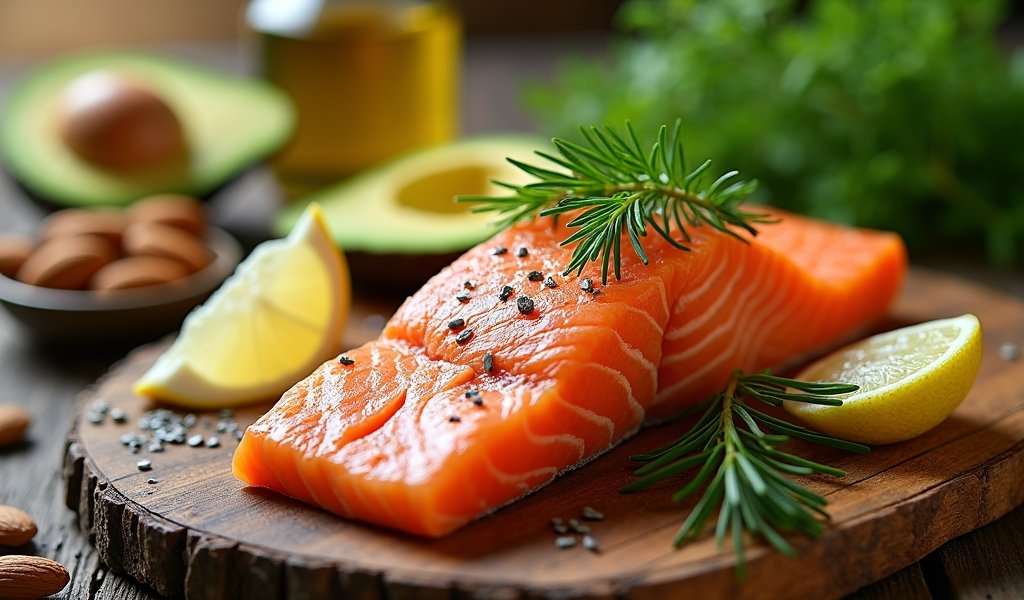
Salmon for Weight Management and Metabolism
When examining salmon nutrition facts through the lens of weight management, this fish truly shines. Salmon’s unique nutrient profile creates a perfect storm of weight-friendly properties that support healthy metabolism and appetite regulation.
The combination of high-quality protein and beneficial fats in salmon promotes satiety – that feeling of fullness and satisfaction after eating. Research published in the Journal of Nutrition demonstrates that meals containing adequate protein and healthy fats lead to greater feelings of fullness and reduced hunger compared to lower-protein, higher-carbohydrate alternatives.
Salmon’s omega-3 fatty acids may directly influence fat metabolism. Studies suggest that these essential fats can enhance fat oxidation (burning) while potentially reducing fat storage. Additionally, omega-3s appear to improve insulin sensitivity, helping your body process carbohydrates more efficiently and reducing the likelihood of blood sugar spikes and crashes that can trigger hunger.
Beyond macronutrients, several micronutrients in salmon support healthy metabolism:
- B vitamins: Critical for converting food into energy
- Selenium: Supports thyroid function, which regulates metabolism
- Vitamin D: Associated with lower body fat percentage when maintained at optimal levels
- Iodine: Essential for proper thyroid hormone production
For those engaged in regular physical activity, salmon’s nutrient profile offers additional benefits. The protein content supports muscle preservation during weight loss, while the omega-3s may enhance recovery and reduce exercise-induced inflammation. This creates a virtuous cycle where improved recovery supports continued physical activity, which further aids weight management.
When incorporating salmon into a weight management plan, preparation methods matter. Baking, grilling, or steaming salmon preserves its nutritional integrity while avoiding unnecessary added fats. Pairing salmon with fiber-rich vegetables and moderate portions of whole grains creates balanced meals that maximize satiety while providing sustained energy.
Brain Health Benefits: Cognitive Function and Development
The salmon nutrition facts reveal why this fish is often called “brain food.” The connection between salmon consumption and cognitive health is one of the most fascinating aspects of this nutritional powerhouse. DHA, one of the primary omega-3 fatty acids found abundantly in salmon, comprises approximately 40% of the polyunsaturated fatty acids in your brain and 60% in the retina of your eye.
During pregnancy and early childhood, adequate DHA is crucial for proper brain and eye development. Research from the National Institutes of Health indicates that maternal consumption of DHA-rich foods like salmon during pregnancy is associated with improved cognitive outcomes, better visual acuity, and enhanced attention span in children. This makes salmon a valuable dietary addition for expectant and nursing mothers.
For adults, the brain benefits continue throughout the lifespan. Regular consumption of omega-3-rich fish has been linked to:
- Better memory performance
- Improved focus and concentration
- Faster mental processing speed
- Enhanced problem-solving abilities
- Reduced risk of age-related cognitive decline
The neuroprotective effects of salmon extend to mood regulation as well. Multiple studies have found associations between higher fish intake and lower rates of depression. The omega-3s in salmon appear to modulate neurotransmitter function and reduce neuroinflammation – two factors implicated in mood disorders.
Beyond omega-3s, other nutrients in salmon support brain health. Vitamin B12 is essential for myelin production – the protective coating around nerve cells that allows for efficient signal transmission. Selenium helps protect brain cells from oxidative damage, while vitamin D receptors throughout the brain suggest its importance in cognitive function.
For those concerned about brain health as they age, the evidence supporting salmon consumption is particularly compelling. Observational studies consistently show that people who regularly consume fish like salmon have significantly lower rates of Alzheimer’s disease and other forms of dementia compared to those who rarely eat fish.
Wild vs. Farmed Salmon: Nutritional Differences
When examining salmon nutrition facts, an important consideration is the source – wild-caught versus farm-raised. Both types provide excellent nutrition, but there are some notable differences worth understanding.
Wild salmon typically contains fewer calories and less fat overall compared to farmed varieties. A 3.5-ounce serving of wild salmon provides about 182 calories and 8 grams of fat, while the same amount of farmed salmon contains approximately 206 calories and 13 grams of fat. This difference stems from the more active lifestyle of wild salmon, which swim against currents and hunt for food in their natural environment.
While farmed salmon contains more total fat, the omega-3 content can be comparable to wild varieties when raised under optimal conditions. However, the ratio of omega-3 to omega-6 fatty acids tends to be more favorable in wild salmon. A lower omega-6 to omega-3 ratio is associated with reduced inflammation.
Wild salmon typically contains higher levels of certain minerals, particularly potassium, iron, and zinc, reflecting the varied diet these fish consume in their natural habitat. Wild salmon also tends to have more astaxanthin, the antioxidant that gives salmon its pink color, as these fish consume natural sources of this compound like krill and small crustaceans.
Farmed salmon has some nutritional advantages as well. It often contains higher levels of certain B vitamins, particularly vitamin B12, due to the vitamin-fortified feed used in aquaculture. Some modern salmon farms also specifically formulate feed to enhance the omega-3 content of their fish.
Environmental and contaminant considerations also differ between wild and farmed salmon. Wild salmon generally contains fewer contaminants like PCBs and dioxins than farmed varieties, although modern aquaculture practices have significantly improved in this regard. Many salmon farms now employ sustainable practices that minimize environmental impact and reduce contaminant levels.
Regardless of whether you choose wild or farmed salmon, both varieties offer exceptional nutrition that far outweighs potential concerns. For those particularly concerned about environmental impact or contaminants, looking for certifications like the Marine Stewardship Council (for wild salmon) or the Aquaculture Stewardship Council (for farmed salmon) can help ensure you’re making the best choice.
Healthy Ways to Prepare Salmon
To maximize the salmon nutrition facts we’ve explored, preparation methods matter significantly. The good news is that salmon’s rich flavor and tender texture make it incredibly versatile in the kitchen, allowing for numerous healthy preparation methods.
Baking is perhaps the simplest and most foolproof method for preparing salmon. Preheat your oven to 375°F (190°C), place salmon fillets on a baking sheet lined with parchment paper, add a drizzle of olive oil and your favorite herbs, and bake for 12-15 minutes depending on thickness. This method preserves the delicate omega-3 fatty acids while creating a moist, flavorful result.
Grilling imparts a delicious smoky flavor to salmon. To prevent sticking, make sure your grill is well-cleaned and preheated. You can place salmon directly on the grill (skin-side down first) or use a cedar plank for added flavor. Grill for approximately 4-6 minutes per side, depending on thickness.
Poaching creates exceptionally tender salmon that’s nearly impossible to overcook. Simply bring a shallow pan of liquid (water, broth, or even white wine) to a gentle simmer, add your seasoned salmon, and cook covered for about 10 minutes. This method adds minimal calories while preserving the fish’s moisture.
For quick weeknight meals, pan-searing is ideal. Heat a non-stick or cast-iron pan over medium-high heat, add a small amount of high-heat oil (like avocado oil), and place your salmon skin-side down. Cook for about 4 minutes until the skin is crispy, then flip and cook for another 2-3 minutes.
Flavor enhancements that complement salmon’s nutrition profile include:
- Fresh herbs like dill, parsley, or cilantro
- Citrus zest and juice (lemon, lime, or orange)
- Garlic and ginger
- Olive oil and balsamic vinegar
- Dijon mustard and honey
- Miso paste and soy sauce
Avoid heavy cream sauces or deep-frying, which add significant calories and potentially unhealthy fats that can negate some of salmon’s nutritional benefits. Instead, embrace simple preparations that allow the natural flavor of this nutritious fish to shine through.
For meal planning, consider preparing extra salmon to use in salads, grain bowls, or wraps for subsequent meals. Cold salmon maintains its nutritional profile and provides a convenient protein source for quick lunches or dinners throughout the week.
Conclusion: Making Salmon Part of Your Healthy Diet
The comprehensive salmon nutrition facts we’ve explored clearly demonstrate why this remarkable fish deserves its reputation as a nutritional powerhouse. From its exceptional omega-3 fatty acid content to its complete protein profile and impressive array of vitamins and minerals, salmon offers a unique package of nutrients that support virtually every aspect of health.
Incorporating salmon into your diet doesn’t require culinary expertise or complicated recipes. Simple preparation methods like baking, grilling, or poaching allow this versatile fish to shine while preserving its nutritional integrity. Aiming for two 3.5-ounce servings of salmon weekly aligns with dietary guidelines and provides meaningful health benefits.
Whether you choose wild or farmed varieties, salmon remains one of the most nutritious protein sources available. Its combination of heart-healthy fats, complete protein, and micronutrient density makes it an excellent choice for those focused on longevity, brain health, weight management, or simply overall wellbeing.
For those new to cooking fish, don’t be intimidated – salmon is remarkably forgiving and adapts well to a wide range of flavors and cooking methods. Start with simple preparations and gradually experiment with different seasonings and techniques as your confidence grows.
Remember that while salmon offers impressive nutrition, it works best as part of a balanced diet rich in a variety of whole foods, including plenty of vegetables, fruits, whole grains, and other protein sources. This dietary diversity ensures you’re getting the complete spectrum of nutrients your body needs.
By understanding salmon nutrition facts and making this exceptional fish a regular part of your meal rotation, you’re making a powerful choice for your long-term health and wellbeing. Your heart, brain, muscles, and immune system will all benefit from this delicious investment in your health.
Frequently Asked Questions
How many calories are in a serving of salmon?
A 3.5-ounce (100-gram) serving of cooked Atlantic salmon contains approximately 206 calories. Wild salmon is slightly lower in calories, with about 182 calories per serving.
Is salmon good for weight loss?
Yes, salmon is excellent for weight loss due to its high protein content and healthy fats that promote satiety and support metabolism. Its protein helps preserve muscle mass during weight loss while its omega-3s may enhance fat metabolism.
How much omega-3 is in salmon?
A 3.5-ounce (100-gram) serving of salmon provides approximately 2.3 grams of omega-3 fatty acids. This amount varies slightly between wild and farmed varieties and among different salmon species.
Is salmon high in cholesterol?
Salmon contains a moderate amount of cholesterol – about 60 milligrams per 3.5-ounce serving. However, dietary cholesterol has minimal impact on blood cholesterol for most people, and salmon’s omega-3 content actually supports healthy cholesterol levels.
How often should I eat salmon for health benefits?
Health organizations recommend consuming fatty fish like salmon twice weekly, which provides optimal omega-3 intake for most adults. This frequency balances nutritional benefits while minimizing any concerns about potential contaminants.