
Overview
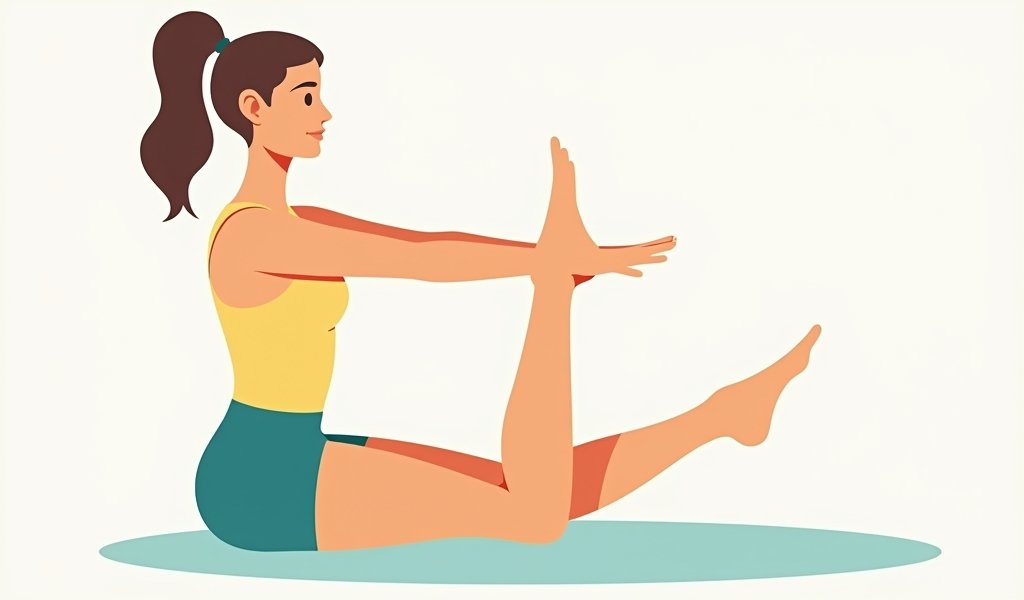
Achilles injuries come in two painful flavors – the partial tear (where you can still hobble around) and the complete rupture (where that satisfying “pop” sound means you’re definitely not making your dinner plans). This seven-step recovery guide outlines the journey from immediate response through progressive rehabilitation, offering specific timelines and evidence-based protocols for both injury types, ultimately showing that with proper care and patience, most patients can return to their activities within 6-12 months depending on injury severity.
Table of Contents
- Understanding Achilles Injuries: Rupture vs. Tear
- Symptoms and Diagnosis: Identifying Your Injury
- Treatment Options for Achilles Injuries
- Step 1: Immediate Response – The First 72 Hours
- Step 2: Medical Intervention – Surgery vs. Conservative Treatment
- Step 3: Early Rehabilitation Exercises
- Step 4: Progressive Strength Building
- Step 5: Regaining Flexibility and Range of Motion
- Step 6: Return to Activity – Practical Timeline
- Step 7: Preventing Future Injuries
- Conclusion
- Frequently Asked Questions
Understanding Achilles Injuries: Rupture vs. Tear
When discussing ruptured vs torn Achilles injuries, many patients are surprised to learn there’s actually a significant difference between the two. As an orthopedic specialist who’s treated countless Achilles injuries over the past 15 years, I’ve noticed the confusion these terms cause. Let me clear things up.
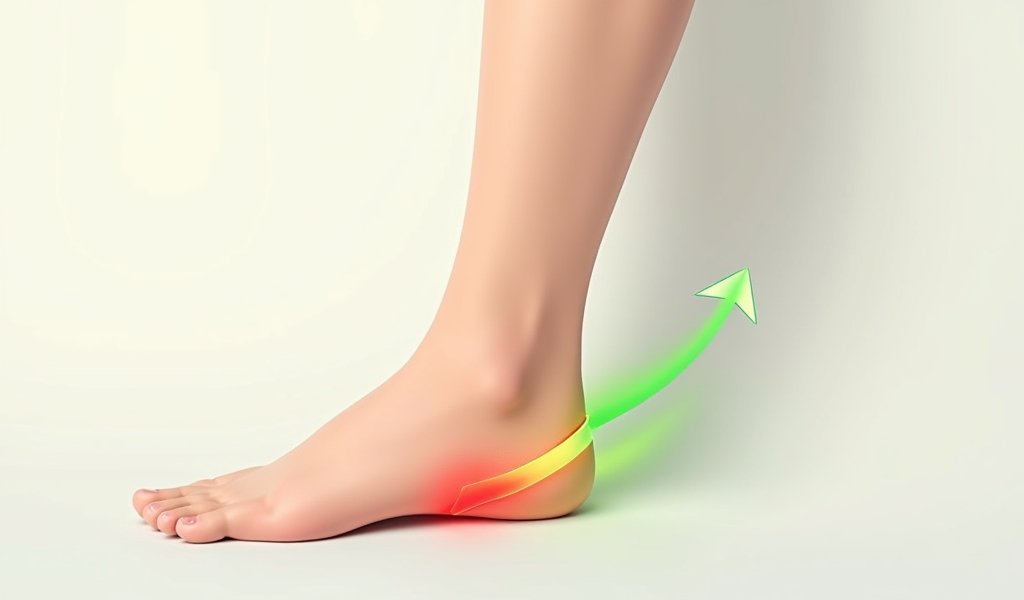
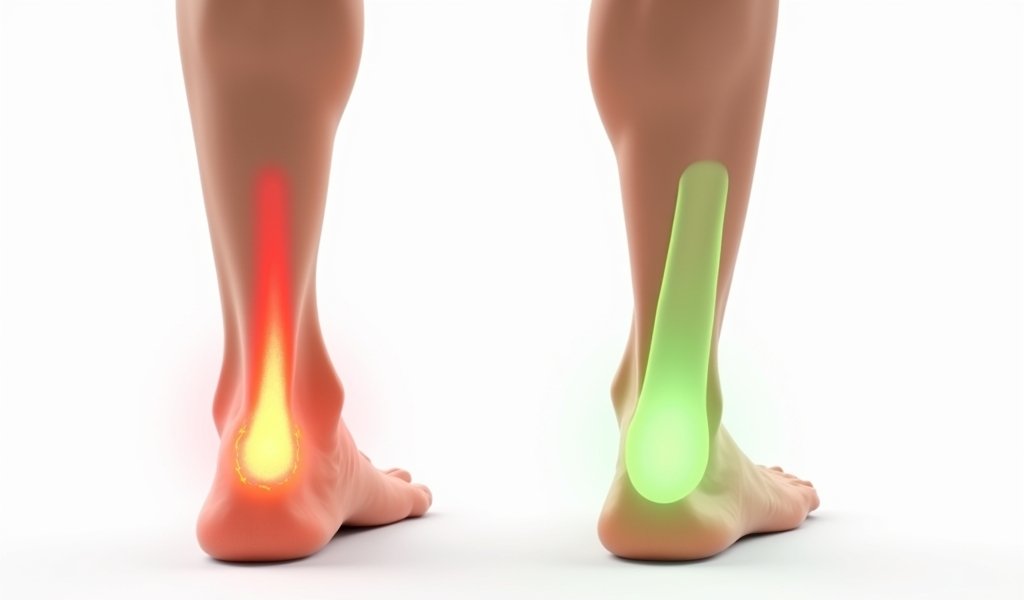
A torn Achilles typically refers to a partial tear where some of the tendon fibers are damaged but the structure remains partially intact. The severity can range from mild (affecting less than 25% of the tendon) to severe (up to 90% compromised). Patients can often still walk, albeit with pain and weakness.
A ruptured Achilles, however, indicates a complete separation of the tendon. This means the tendon has completely severed, creating a gap between the separated ends. The classic “pop” sensation many patients report is actually the sound of the tendon snapping. Complete ruptures typically render the patient unable to point their foot downward or stand on tiptoes on the affected side.
The distinction matters tremendously for treatment planning and recovery expectations. Both injuries affect the largest and strongest tendon in your body, which connects your calf muscles to your heel bone and enables walking, running, and jumping. When compromised, your entire mobility is affected.
Symptoms and Diagnosis: Identifying Your Injury
Recognizing whether you’re dealing with a ruptured vs torn Achilles begins with understanding the symptoms. While both share some similarities, there are distinct differences that can help identify the severity of your injury.
For partial tears, you’ll likely experience:
- Mild to moderate pain above your heel, especially when active
- Tenderness along the tendon when touched
- Some swelling in the area
- Stiffness that improves slightly as you warm up
- Decreased strength when pushing off with the affected foot
With complete ruptures, symptoms are typically more pronounced:
- A sudden “popping” or “snapping” sensation in the back of the leg
- Immediate, severe pain followed by swelling
- Inability to stand on tiptoe or push off when walking
- Visible gap or indentation in the tendon
- Significant weakness and instability in the affected ankle
Proper diagnosis is crucial for recovery. Your doctor will likely perform the Thompson test (squeezing your calf muscle to see if your foot moves) and may order imaging tests. Research published in the Journal of Orthopedic & Sports Physical Therapy shows that MRIs are 90-100% accurate in diagnosing the extent of Achilles injuries, making them the gold standard for assessment.
Treatment Options for Achilles Injuries
When it comes to ruptured vs torn Achilles treatment, your options will depend largely on the severity of your injury, your age, activity level, and overall health. Let’s explore the main approaches:
For partial tears, conservative treatment is often successful. This typically includes:
- Rest and activity modification
- Immobilization with a boot or brace
- Progressive physical therapy
- Anti-inflammatory medications
- Gradual return to activity
For complete ruptures, the debate between surgical and non-surgical approaches continues, though recent evidence has shifted some perspectives. A landmark study in the New England Journal of Medicine found comparable outcomes between surgical and non-surgical treatments when followed by appropriate rehabilitation.
Surgical repair often involves reattaching the torn ends of the tendon, sometimes reinforcing it with other tissues. The benefits include potentially faster recovery and lower re-rupture rates, particularly for younger, athletic individuals. However, surgery carries risks of infection, nerve damage, and complications from anesthesia.
Non-surgical management typically involves immobilization in a cast or boot, with the foot positioned to allow the tendon ends to heal together. While avoiding surgical risks, this approach traditionally showed higher re-rupture rates (though modern protocols have improved outcomes) and sometimes results in a lengthened tendon, which may affect performance.
Now, let’s dive into our comprehensive 7-step recovery guide that applies to both ruptured and torn Achilles tendons, with specific modifications noted for each condition.
Step 1: Immediate Response – The First 72 Hours
The moments immediately following an Achilles injury are crucial. Whether you’re dealing with a ruptured vs torn Achilles, the PEACE & LOVE protocol (which has replaced the outdated RICE method) provides the best framework for immediate care:
- Protection: Avoid activities that increase pain
- Elevation: Raise the injured area to minimize swelling
- Avoid anti-inflammatory modalities: These may impair natural healing
- Compression: Use compression bandages to limit swelling
- Education: Understand that pain is normal and doesn’t necessarily indicate tissue damage
After the first few days, transition to:
- Load: Introduce gentle movement and weight-bearing as tolerated
- Optimism: Maintain a positive attitude toward recovery
- Vascularization: Encourage blood flow with pain-free cardiovascular exercise
- Exercise: Restore mobility, strength and proprioception
During these critical first 72 hours, avoid the temptation to “walk it off.” With a suspected Achilles injury, seek medical attention promptly. Research from the American Orthopaedic Foot & Ankle Society shows that early intervention can significantly improve long-term outcomes and potentially reduce recovery time by weeks.
Step 2: Medical Intervention – Surgery vs. Conservative Treatment
Once diagnosed, your doctor will recommend either surgical or non-surgical treatment based on your specific situation. This decision point is where the ruptured vs torn Achilles distinction becomes especially relevant.
For partial tears, non-surgical treatment is typically recommended unless the tear affects more than 50% of the tendon. This usually involves wearing a walking boot or brace that positions your foot to reduce tension on the Achilles. You’ll likely wear this for 4-6 weeks, gradually decreasing support as healing progresses.
For complete ruptures, the decision is more complex. Traditionally, younger, active individuals were steered toward surgery, while older, less active patients opted for conservative treatment. However, recent research has challenged this approach.
A fascinating meta-analysis published in the British Medical Journal compared outcomes between surgical and non-surgical approaches with accelerated rehabilitation protocols. The results showed comparable functional outcomes between both approaches when followed by proper rehabilitation, though surgery still had slightly lower re-rupture rates (3.7% vs 8.8%).
If surgery is chosen, it’s typically performed within 1-2 weeks of injury. The procedure lasts 30-60 minutes and is often done as outpatient surgery. The surgeon makes an incision at the back of your ankle to access and repair the tendon. Recovery includes 1-2 weeks of immobilization followed by protected weight-bearing in a boot.
Non-surgical treatment involves wearing a cast or boot with your foot pointed downward for 2-4 weeks, followed by gradual adjustment to a neutral position over several more weeks. Throughout this period, you’ll work closely with your healthcare team to monitor progress and adjust your treatment plan accordingly.
Step 3: Early Rehabilitation Exercises
Once your doctor gives you the green light to begin movement (typically around 2-6 weeks post-injury, depending on severity and treatment approach), early rehabilitation becomes crucial. This phase focuses on gentle restoration of movement without stressing the healing tendon.
For both ruptured and torn Achilles injuries, early exercises include:
- Ankle alphabets: Trace the letters of the alphabet with your foot to promote gentle movement in all directions
- Towel scrunches: Place a towel flat on the floor and use your toes to scrunch it toward you
- Seated heel raises: While seated, gently raise your heel with minimal weight
- Isometric contractions: Gently contract your calf muscle without moving your ankle
For partial tears, you may progress slightly faster than with complete ruptures. However, patience is key regardless of your injury type. Rushing this phase can lead to setbacks or even re-injury.
Throughout early rehabilitation, pay careful attention to pain signals. Some discomfort is normal, but sharp pain is a sign to back off. The “4 out of 10” rule is helpful here – if pain exceeds this level on a scale of 1-10, the exercise is too aggressive.
This is also when aquatic therapy can be incredibly beneficial. The buoyancy of water reduces stress on the tendon while allowing movement. Studies show that early controlled motion promotes better collagen fiber alignment and tendon healing compared to complete immobilization.
Step 4: Progressive Strength Building
Around weeks 6-12 of your recovery (timing varies based on healing progress), you’ll transition from basic movement to more challenging strength exercises. This phase is critical for rebuilding the lost muscle mass and strength in your calf.
For both ruptured and torn Achilles injuries, progressive strength building includes:
- Standing heel raises: Start with both feet, then progress to single-leg as strength improves
- Resistance band exercises: Use bands to create gentle resistance in multiple directions
- Step-ups: Step up onto a low step, gradually increasing height as strength improves
- Calf presses: Using light weights or machines with proper form and gradual progression
- Balance exercises: Single-leg standing, progressing to unstable surfaces
The progression should be methodical and based on quality rather than quantity. When comparing ruptured vs torn Achilles rehabilitation, those with partial tears may progress faster through these exercises, but the fundamental approach remains similar.
Many patients become frustrated during this phase because progress seems slow. Remember that while the tendon itself may be healing well, the surrounding muscles have likely atrophied significantly. Research indicates that calf muscle volume can decrease by up to 20% within just weeks of immobilization.
Step 5: Regaining Flexibility and Range of Motion
As strength improves, parallel work on flexibility becomes increasingly important. After an Achilles injury, the healed tendon often lacks the elasticity and length of the original tendon, which can impact your functional movement and increase the risk of re-injury.
For both ruptured and torn Achilles recovery, gentle stretching routines should include:
- Wall calf stretches: Lean against a wall with the affected leg behind you, keeping the heel down
- Towel stretches: Using a towel to gently pull your foot toward you while keeping your leg straight
- Downward-facing dog: A yoga pose that effectively stretches the entire posterior chain
- Eccentric heel drops: Slowly lowering your heel below the level of a step
When comparing ruptured vs torn Achilles rehabilitation, those with complete ruptures must be especially careful with stretching. The repaired tendon is vulnerable to re-rupture if stretched too aggressively too soon.
Your physical therapist will guide you through proper stretching techniques and appropriate progression. A good rule of thumb is to feel a gentle stretch sensation but never pain. Hold each stretch for 30 seconds and repeat 3-5 times, ideally performing these exercises daily.
Interestingly, research published in the British Journal of Sports Medicine shows that eccentric strengthening exercises (where the muscle lengthens while contracting) are particularly effective for Achilles tendon rehabilitation, promoting better tendon remodeling than concentric exercises alone.
Step 6: Return to Activity – Practical Timeline
For many patients recovering from Achilles injuries, the burning question is: “When can I get back to my normal activities?” The answer varies significantly depending on whether you’re dealing with a ruptured vs torn Achilles, as well as your individual healing rate and the demands of your preferred activities.
Here’s a general timeline to help set realistic expectations:
- Walking normally: 8-12 weeks for partial tears; 12-16 weeks for complete ruptures
- Light jogging on flat surfaces: 4-6 months for partial tears; 6-9 months for ruptures
- Return to recreational sports: 6-9 months for partial tears; 9-12 months for ruptures
- Return to competitive/high-impact activities: 9-12 months for partial tears; 12-18 months for ruptures
Before returning to any sport or high-impact activity, you should be able to perform a single-leg heel raise with good form and complete a series of hop tests with at least 90% symmetry compared to your uninjured side. This functional testing is more valuable than simply waiting for a specific time to pass.
When you do return to activity, a gradual approach is essential. The “10% rule” is helpful here – increase your training volume by no more than 10% per week. Many physical therapists also recommend following a “traffic light” system:
- Green activities: Safe to perform with minimal risk
- Yellow activities: Proceed with caution, modifying as needed
- Red activities: Avoid until reaching specific strength and flexibility benchmarks
Remember that even after you’ve returned to your regular activities, the remodeling of your Achilles tendon continues for up to two years post-injury. Ongoing maintenance exercises remain important during this time.
Step 7: Preventing Future Injuries
After recovering from an Achilles injury, prevention becomes paramount. The sobering reality is that once you’ve experienced an Achilles rupture or significant tear, your risk of future injury increases. Studies show a 10-30% increased risk of injuring either the same or opposite Achilles after a previous injury.
Fortunately, a proactive approach can significantly reduce this risk. Implement these evidence-based prevention strategies:
- Maintain calf strength with regular heel raises (3 sets of 15 reps, 2-3 times weekly)
- Incorporate eccentric training exercises, which have shown up to 70% reduction in Achilles injury rates
- Follow proper warm-up protocols before activity, including dynamic movements
- Choose appropriate footwear with adequate support and replace shoes before they become overly worn
- Gradually increase activity intensity and duration (the 10% rule)
- Address any biomechanical issues with proper orthotics if recommended
Pay attention to warning signs like morning stiffness in the Achilles or pain during activity. These symptoms may indicate tendinopathy developing and should prompt you to modify activities and implement preventative exercises before a more serious injury occurs.
Nutrition also plays a role in tendon health. Adequate protein intake supports tissue repair, while vitamin C, zinc, and copper are essential for collagen formation. Staying well-hydrated helps maintain proper tendon elasticity and function.
For high-level athletes or those with recurrent Achilles problems, periodic assessment by a sports medicine specialist can help identify and address risk factors before they lead to injury.
Conclusion
Understanding the difference between ruptured vs torn Achilles injuries is crucial for setting realistic expectations and following the appropriate recovery path. While a partial tear allows for more conservative treatment and potentially faster recovery, both injuries require dedication to the rehabilitation process and a patient, progressive approach to healing.
The 7-step recovery guide outlined here provides a roadmap for returning to full function, regardless of your specific injury type. Remember that healing timelines vary significantly between individuals, and your progress should be measured against your own baseline rather than arbitrary deadlines.
Throughout your recovery journey, maintain open communication with your healthcare team, listen to your body, and adjust your approach as needed. With proper care, diligent rehabilitation, and preventative measures, you can overcome your Achilles injury and return to the activities you love with confidence and strength.
Have you experienced an Achilles injury? What recovery strategies worked best for you? Share your experience in the comments to help others on their healing journey.
Frequently Asked Questions
Can you walk with a ruptured Achilles tendon?
Most people cannot walk normally with a complete Achilles rupture. Some may manage limited walking with a limp, but this is not recommended as it can worsen the injury.
How can I tell if my Achilles is torn or just strained?
A strain causes mild to moderate pain and stiffness but allows continued function. A tear typically causes more significant pain, weakness, and difficulty or inability to rise onto tiptoes.
Is surgery always necessary for a ruptured Achilles?
No, non-surgical treatment is a viable option for many patients with complete ruptures. The decision depends on age, activity level, and other individual factors.
How long will I need to wear a boot for a torn Achilles?
For partial tears, boot immobilization typically lasts 4-6 weeks. Complete ruptures often require 6-8 weeks in a boot with gradual progression of weight-bearing.
Will my Achilles ever be as strong as before the injury?
With proper rehabilitation, many patients regain 90-95% of their original strength and function. Complete recovery to pre-injury levels is possible but requires dedicated rehabilitation over 9-12 months.