

Overview
For the 16 million Americans fighting more than just red-faced embarrassment, this article breaks down five cutting-edge laser treatments for rosacea—Pulsed Dye Laser, Nd:YAG, Intense Pulsed Light, KTP, and Vbeam Perfecta—that can zap those pesky blood vessels faster than your face flushes when someone mentions your high school yearbook photo. The treatments work by targeting hemoglobin in blood vessels with specific wavelengths of light, requiring 2-4 sessions for optimal results, with effectiveness enhanced by complementary skincare, trigger avoidance, and sometimes oral medications for long-term management.
Table of Contents
- Understanding Rosacea: More Than Just Redness
- How Laser Treatments Work for Rosacea
- Top 5 Laser Treatments for Rosacea Redness
- Choosing the Right Rosacea Laser Treatment
- Preparing for Your Rosacea Laser Treatment
- Recovery and Aftercare: What to Expect
- Complementary Treatments and Skincare
- Conclusion: Finding Your Path to Clearer Skin
- Frequently Asked Questions
Understanding Rosacea: More Than Just Redness
Rosacea affects approximately 16 million Americans, yet many struggle to find effective treatments for this chronic skin condition. As a dermatologist specializing in inflammatory skin disorders, I’ve seen firsthand how rosacea redness laser treatment can transform not just skin appearance but also patients’ confidence and quality of life.
Rosacea typically manifests as persistent facial redness, visible blood vessels, and sometimes small, pus-filled bumps. But it’s more than just a cosmetic concern. Many patients describe sensations of burning, stinging, and sensitivity that can be quite uncomfortable. Beyond the physical symptoms, the psychological impact can be profound, affecting everything from social interactions to professional confidence.
Traditional treatments like topical medications and oral antibiotics address certain aspects of rosacea, but they often fall short in targeting the visible blood vessels and persistent redness. This is where advanced laser therapies have revolutionized treatment approaches. At our specialized skin wellness center, we’ve seen remarkable improvements using targeted laser technologies.
Before diving into specific treatments, it’s important to understand that rosacea has four subtypes, each with distinct characteristics:
- Erythematotelangiectatic: Characterized by flushing and persistent central facial redness
- Papulopustular: Features redness with small bumps and pimples
- Phymatous: Causes skin thickening and a bumpy texture, particularly on the nose
- Ocular: Affects the eyes, causing irritation and redness
Laser treatments are particularly effective for the erythematotelangiectatic subtype, targeting the visible blood vessels and diffuse redness that other treatments often can’t address. According to research from the American Academy of Dermatology, patients who undergo laser treatment often see a 50-75% reduction in visible blood vessels after just 1-3 sessions.
How Laser Treatments Work for Rosacea
Laser treatments for rosacea work on a fascinating principle: selective photothermolysis. In simple terms, these devices emit concentrated beams of light that target specific colors in the skin. For rosacea, they primarily target hemoglobin, the red pigment in blood vessels.
When the laser energy is absorbed by these tiny blood vessels, it generates heat that damages the vessel walls. Your body then naturally removes these damaged vessels through its lymphatic system, reducing visible redness. It’s like erasing the roadmap of visible capillaries that characterize rosacea-prone skin.
What makes laser treatment particularly valuable is its precision. Unlike topical treatments that affect the entire skin surface, lasers can target the exact structures causing problems while leaving surrounding tissue untouched. This results in faster healing and fewer side effects.
The effectiveness of laser treatments has been well-documented in clinical studies. A comprehensive review published in the Journal of the American Academy of Dermatology found that vascular lasers produced significant improvement in erythema and telangiectasia with minimal side effects.
However, it’s worth noting that while laser treatments can dramatically improve rosacea symptoms, they don’t “cure” the underlying condition. Most patients require maintenance treatments every 6-12 months to sustain results, though the frequency varies based on individual factors like skin type, lifestyle, and trigger management.
Top 5 Laser Treatments for Rosacea Redness
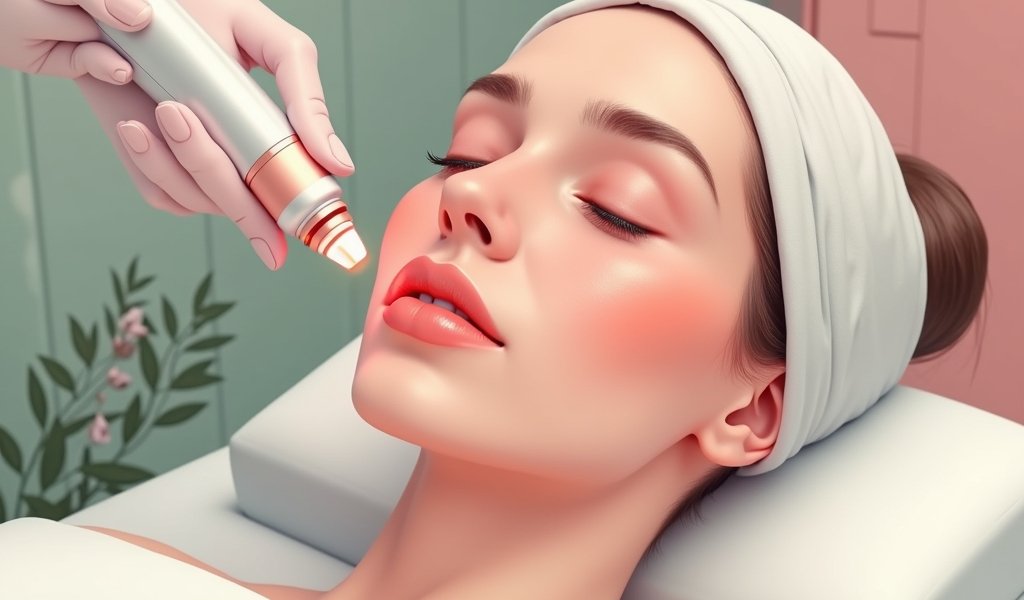
1. Pulsed Dye Laser (PDL)
The Pulsed Dye Laser remains the gold standard for treating rosacea redness. This powerful yet gentle treatment uses a wavelength specifically absorbed by oxyhemoglobin in blood vessels. After treating thousands of patients at our comprehensive wellness center, I’ve found PDL particularly effective for prominent facial veins and diffuse redness.
The procedure typically takes 15-30 minutes, with most patients describing the sensation as a series of warm rubber band snaps. Minor bruising may occur but usually resolves within 7-10 days. Most patients see optimal results after 2-3 treatments spaced 4-6 weeks apart.
2. Nd:YAG Laser
The Nd:YAG laser penetrates deeper into the skin than PDL, making it excellent for treating larger blood vessels and for patients with darker skin tones. Its longer wavelength minimizes the risk of post-inflammatory hyperpigmentation, a concern for Fitzpatrick skin types IV-VI.
Treatments typically take 20-30 minutes, with patients reporting minimal discomfort. Unlike PDL, Nd:YAG usually doesn’t cause bruising, which means little to no downtime—many patients return to normal activities immediately. Research from Dermatologic Surgery journal shows that Nd:YAG can reduce rosacea symptoms by up to 50% after just one treatment.
3. Intense Pulsed Light (IPL)
Though technically not a laser, IPL deserves mention for its effectiveness in treating rosacea. It delivers multiple wavelengths of light that target both redness and pigmentation issues, making it versatile for patients with complex skin concerns.
IPL treatments take approximately 30 minutes and feel like mild snapping sensations on the skin. Patients typically need 3-5 sessions spaced 3-4 weeks apart. One advantage of IPL is its ability to treat larger areas more quickly than single-wavelength lasers.
Beyond reducing redness, many patients notice improved skin texture and tone. A study in the Journal of Cosmetic and Laser Therapy demonstrated that 80% of rosacea patients showed significant improvement after a series of IPL treatments.
4. KTP (Potassium Titanyl Phosphate) Laser
The KTP laser operates at a 532nm wavelength, making it highly effective for superficial vascular lesions and fine telangiectasias. This treatment is particularly well-suited for patients with fair skin and prominent facial veins.
Treatments are quick, often taking just 10-15 minutes for a full face. Patients typically experience mild discomfort and temporary redness that resolves within hours. The precision of KTP makes it excellent for treating individual blood vessels with minimal impact on surrounding tissue.
Many of my patients appreciate KTP for touch-up treatments between more comprehensive sessions with other modalities. It’s also one of the few treatments that can safely target blood vessels very close to the eyes.
5. Vbeam Perfecta
The Vbeam Perfecta is an advanced pulsed dye laser with built-in cooling technology that enhances comfort during treatment. Its precision targeting makes it particularly effective for stubborn telangiectasia that hasn’t responded to other treatments.
Treatment sessions typically last 15-20 minutes. The integrated cooling system significantly reduces discomfort, though some patients still opt for topical numbing cream. Most patients see dramatic improvement after 2-3 sessions, with studies showing up to 80% clearance of visible blood vessels.
What sets Vbeam apart is its ability to treat both diffuse redness and individual blood vessels in the same session, making it comprehensive for different presentations of rosacea. The technology also allows for customizable pulse durations to target vessels of different sizes.
Choosing the Right Rosacea Laser Treatment
Selecting the optimal rosacea redness laser treatment isn’t one-size-fits-all. The decision should be based on your specific symptoms, skin type, budget, and expectations. Here’s what I recommend to my patients during consultations:
First, consider the predominant feature of your rosacea. If you have numerous visible blood vessels (telangiectasia), PDL or KTP lasers may be your best option. For diffuse redness without prominent vessels, IPL might be more suitable. Patients with darker skin tones often benefit most from Nd:YAG treatments due to the reduced risk of pigmentation changes.
Your pain tolerance also matters. Some treatments, like Vbeam Perfecta with its integrated cooling system, prioritize comfort. Others might require topical numbing but deliver more dramatic results in fewer sessions. Be honest with your provider about your comfort level so they can recommend appropriate options or pain management techniques.
Budget considerations are valid too. While PDL might be considered the gold standard, it’s often more expensive than IPL treatments. Discuss not only the per-session cost but also the likely number of sessions needed for your desired outcome. Sometimes investing in fewer sessions of a more effective treatment can be more economical than numerous sessions of a less expensive option.
Finally, consider your lifestyle and ability to accommodate downtime. Some laser treatments, particularly PDL, can cause bruising that lasts several days. If you have an important event approaching or can’t take time away from public-facing activities, treatments with minimal downtime like Nd:YAG might be preferable.
I always recommend consulting with a board-certified dermatologist who specializes in laser treatments. At our wellness clinic near me, we offer comprehensive evaluations to match patients with their ideal treatment protocol.
Preparing for Your Rosacea Laser Treatment
Proper preparation can significantly enhance your laser treatment results and minimize potential side effects. Here’s my pre-treatment protocol for patients undergoing rosacea redness laser treatment:
At least two weeks before your appointment, discontinue any photosensitizing medications or treatments if cleared by your prescribing physician. This includes retinoids, certain antibiotics, and exfoliating acids. These products can increase skin sensitivity and potentially lead to adverse reactions during laser therapy.
Avoid excessive sun exposure for at least 4 weeks prior to treatment. A sunburn or even a tan can interfere with the laser’s ability to target blood vessels effectively and increases your risk of complications. If you must be outdoors, use broad-spectrum SPF 50+ sunscreen and seek shade when possible.
On the day of treatment, arrive with clean skin free of makeup, lotions, or creams. These products can interfere with the laser’s effectiveness and potentially increase the risk of side effects. If you typically experience significant discomfort during cosmetic procedures, ask your provider about applying topical numbing cream 30-60 minutes before treatment.
It’s also helpful to avoid blood-thinning substances like alcohol, aspirin, fish oil, and vitamin E for 48-72 hours before treatment, as these can increase the risk of bruising. However, never discontinue prescribed blood thinners without your physician’s approval.
Finally, mentally prepare for the possibility of temporary redness, swelling, or bruising after treatment. Plan your social and work calendar accordingly, perhaps scheduling your appointment before a weekend or low-key workdays when possible.
Recovery and Aftercare: What to Expect
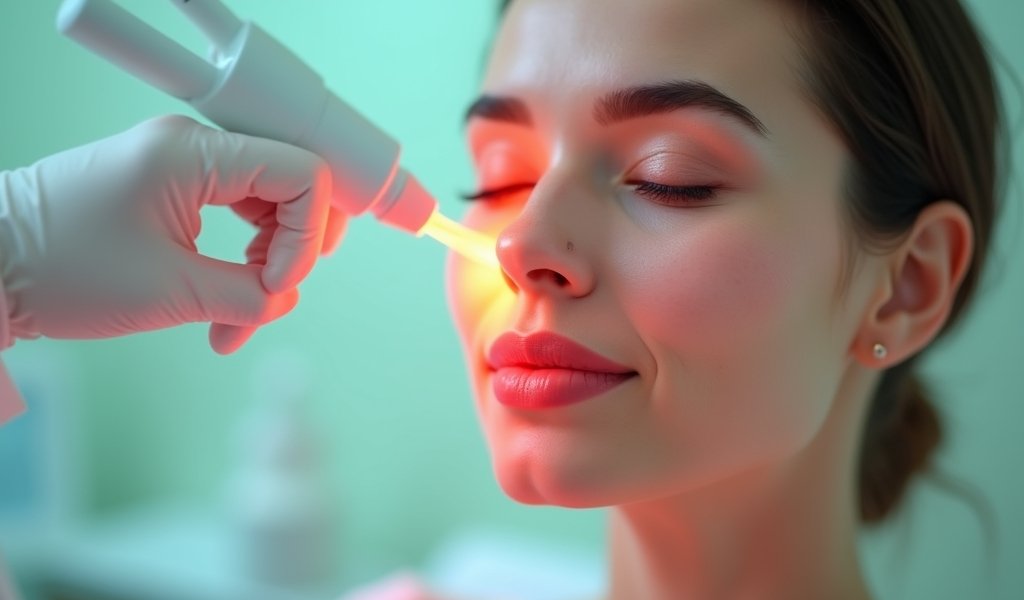
After your rosacea redness laser treatment, proper aftercare is crucial for optimizing results and minimizing side effects. Immediately following the procedure, your skin will likely be red and slightly swollen – almost like a mild sunburn. This is completely normal and typically subsides within a few hours to days, depending on the specific laser used and your skin’s sensitivity.
For the first 48 hours, treat your skin gently. Wash with a mild, fragrance-free cleanser using lukewarm (never hot) water. Pat – don’t rub – your face dry with a soft cloth. Apply a gentle, fragrance-free moisturizer frequently to soothe the skin and support the healing process. Many of my patients find aloe vera gel stored in the refrigerator particularly comforting during this time.
Sun protection becomes even more critical after laser treatment. Your skin will be temporarily more vulnerable to UV damage, which can worsen rosacea and potentially cause pigmentation issues. Apply a physical (mineral) sunscreen with SPF 30+ even if you’re just sitting near windows or going outside briefly. I recommend products containing zinc oxide or titanium dioxide as they’re less likely to irritate sensitive, post-treatment skin.
If you received PDL treatment and experience bruising, don’t panic! This is a normal and expected side effect that typically resolves within 7-10 days. Some patients find that arnica montana gel helps speed up bruise resolution, though evidence for this is largely anecdotal.
Avoid potentially irritating skincare ingredients for at least a week post-treatment. This includes retinoids, alpha hydroxy acids, beta hydroxy acids, vitamin C, and fragranced products. When you do reintroduce active ingredients, do so gradually and one at a time to monitor your skin’s response.
Most importantly, maintain realistic expectations about your results. While some patients see immediate improvement, optimal results typically develop over several weeks as the body clears away damaged blood vessels. Full results often require multiple treatment sessions spaced 4-6 weeks apart.
Complementary Treatments and Skincare
While laser treatments can dramatically reduce rosacea redness, they work best as part of a comprehensive approach. I’ve seen the most impressive long-term results in patients who combine laser therapy with appropriate skincare and lifestyle modifications.
Gentle skincare is paramount for rosacea-prone skin. Focus on products specifically formulated for sensitive, reactive skin types. Key ingredients to look for include niacinamide, which strengthens the skin barrier and reduces inflammation; azelaic acid, which calms redness and fights bacteria; and ceramides, which help repair and maintain the skin’s protective barrier.
Consider incorporating LED light therapy between laser sessions. Red LED light has anti-inflammatory properties and can help maintain the improvements achieved through laser treatments. Many dermatology offices offer professional LED treatments, and there are also effective at-home devices available for maintenance therapy.
Oral medications may complement your laser treatment plan. Low-dose doxycycline (40mg) provides anti-inflammatory benefits without antibiotic effects. For some patients, especially those with the papulopustular subtype, this can enhance and prolong laser results. Research supports this combination approach for comprehensive symptom management.
Trigger avoidance remains crucial even after successful laser treatment. Common rosacea triggers include alcohol (especially red wine), spicy foods, extreme temperatures, intense exercise, and emotional stress. Keeping a diary can help identify your specific triggers so you can minimize flares.
Finally, consider the role of gut health in skin inflammation. Emerging research suggests connections between gastrointestinal issues and rosacea flares. Some patients benefit from probiotics and anti-inflammatory diets, though this area needs more research. A holistic approach addressing both external and internal factors often yields the most sustainable results.
Conclusion: Finding Your Path to Clearer Skin
Rosacea redness laser treatment represents one of the most significant advances in managing this challenging skin condition. The five laser treatments we’ve explored—PDL, Nd:YAG, IPL, KTP, and Vbeam Perfecta—each offer unique advantages for different presentations of rosacea and skin types.
Remember that successful management of rosacea typically involves a multi-faceted approach. While laser treatments can dramatically reduce visible blood vessels and diffuse redness, they work best when combined with appropriate skincare, trigger avoidance, and sometimes oral medications. The goal isn’t necessarily to achieve “perfect” skin, but rather to reduce symptoms to a manageable level that improves your quality of life and confidence.
If you’re considering laser treatment for your rosacea, start with a consultation with a board-certified dermatologist experienced in laser therapies. They can evaluate your specific symptoms, skin type, and concerns to recommend the most appropriate treatment plan. Be prepared to discuss your medical history, current skincare routine, and any previous treatments you’ve tried.
With the right approach and realistic expectations, laser therapy can transform not just your skin but also how you feel about it. Many of my patients report that beyond the visible improvements, the greatest benefit is simply not having to think about their rosacea constantly—freedom that’s truly priceless.
Frequently Asked Questions
How many laser sessions will I need for rosacea?
Most patients require 2-4 treatment sessions spaced 4-6 weeks apart for optimal results. Maintenance treatments are typically needed every 6-12 months, depending on individual factors and lifestyle.
Does laser treatment for rosacea hurt?
Most patients describe the sensation as mild to moderate discomfort, similar to warm rubber band snaps against the skin. Topical numbing creams can be applied before treatment to enhance comfort.
How long does redness last after laser treatment?
Temporary redness typically lasts a few hours to 2 days, depending on the specific laser used. PDL treatments may cause bruising that can last 7-10 days.
Is laser treatment for rosacea covered by insurance?
Insurance coverage varies significantly. Some plans may cover laser treatment if deemed medically necessary, but many consider it cosmetic and don’t provide coverage.
Can laser treatment completely cure my rosacea?
Laser treatment significantly reduces visible symptoms but doesn’t cure the underlying condition. Most patients experience dramatic improvement but require periodic maintenance treatments to sustain results.