
Overview
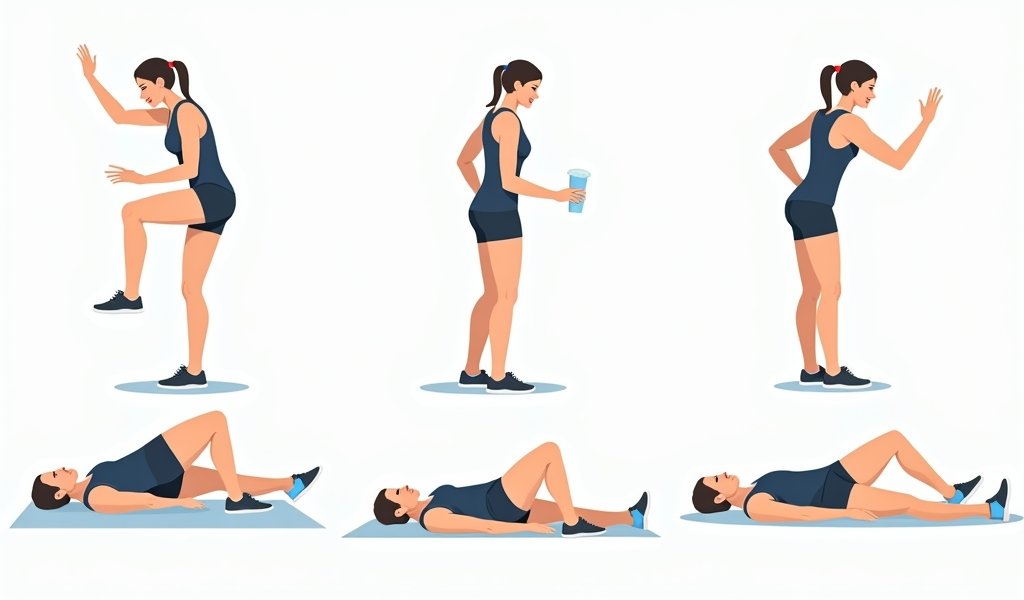
Quadriceps tendonitis, the knee injury that proves skipping leg day has consequences beyond fashion crimes, requires a five-pronged treatment approach: rest and activity modification, ice and compression, physical therapy with eccentric strengthening exercises, appropriate pain management, and a gradual return to activity. This comprehensive strategy not only addresses immediate symptoms but also tackles underlying causes, with most patients seeing improvement within 4-6 weeks while potentially requiring 2-3 months for complete recovery in severe cases.
Table of Contents
- What is Quadriceps Tendonitis?
- Causes and Symptoms of Quadriceps Tendonitis
- Treatment Tip #1: Rest and Activity Modification
- Treatment Tip #2: Ice and Compression Therapy
- Treatment Tip #3: Physical Therapy and Strengthening Exercises
- Treatment Tip #4: Pain Management Strategies
- Treatment Tip #5: Gradual Return to Activity
- Prevention Strategies for Quadriceps Tendonitis
- When to See a Doctor
- Conclusion
- Frequently Asked Questions
What is Quadriceps Tendonitis?
Quadriceps tendonitis (also spelled tendinitis) refers to inflammation of the quadriceps tendon, the thick tissue that connects your quadriceps muscles to your kneecap. As a sports medicine physician with over a decade of experience, I’ve seen this condition affect everyone from weekend warriors to elite athletes. This painful condition typically develops due to repetitive strain or overuse of the quadriceps tendon, leading to microscopic tears that cause pain and inflammation.
The quadriceps tendon plays a crucial role in everyday movements like walking, climbing stairs, and especially athletic activities that involve running and jumping. When inflamed, even simple activities can become challenging and painful. Understanding effective quadriceps tendonitis treatment options is essential for a swift recovery and return to normal activities.
In this comprehensive guide, I’ll share five proven treatment strategies that I’ve successfully implemented with hundreds of patients. These evidence-based approaches will help reduce pain, promote healing, and get you back to your activities safely.
Causes and Symptoms of Quadriceps Tendonitis
Before diving into treatment options, it’s important to understand what causes quadriceps tendonitis and how to recognize its symptoms. This condition typically doesn’t appear overnight but develops gradually due to repetitive stress on the tendon.
Common causes include:
- Sudden increases in training intensity or volume
- Repetitive jumping or running activities
- Poor biomechanics or muscle imbalances
- Inadequate warm-up before intense physical activity
- Previous knee injuries
- Age-related tendon degeneration
- Obesity or excess weight that puts additional strain on the knees
The classic symptoms of quadriceps tendonitis include:
- Pain and tenderness at the front of the knee, just above the kneecap
- Increased pain when climbing stairs, squatting, or jumping
- Pain that worsens with activity and improves with rest
- Swelling around the affected area
- A feeling of weakness in the knee, particularly during extension
- Stiffness after periods of inactivity, like sitting for extended periods or first thing in the morning
According to research published in the Journal of Orthopaedic & Sports Physical Therapy, early recognition and treatment of tendonitis symptoms can significantly improve outcomes and reduce recovery time. Let’s explore the five most effective treatment strategies I recommend to my patients.
Treatment Tip #1: Rest and Activity Modification
The first and most crucial step in treating quadriceps tendonitis is giving your body time to heal. This doesn’t necessarily mean complete bed rest – rather, it means smart modification of activities that aggravate the condition.
When tendonitis flares up, it’s essential to temporarily reduce or eliminate activities that cause pain. For many of my patients, this includes:
- Decreasing running mileage or frequency
- Avoiding jumping exercises
- Limiting deep squats and lunges
- Temporarily switching to lower-impact activities like swimming or cycling (with proper form and seat height)
- Using assistive devices like a cane if walking is painful
I recommend what I call “relative rest” – reducing aggravating activities while maintaining overall fitness through alternative exercises. For example, if you’re a runner with quadriceps tendonitis, you might replace running with pool workouts or upper body strength training temporarily.
Remember that continuing to push through pain can extend your recovery time from weeks to months. A study published in the British Journal of Sports Medicine found that appropriate load management is a key factor in successful tendon rehabilitation.
Treatment Tip #2: Ice and Compression Therapy
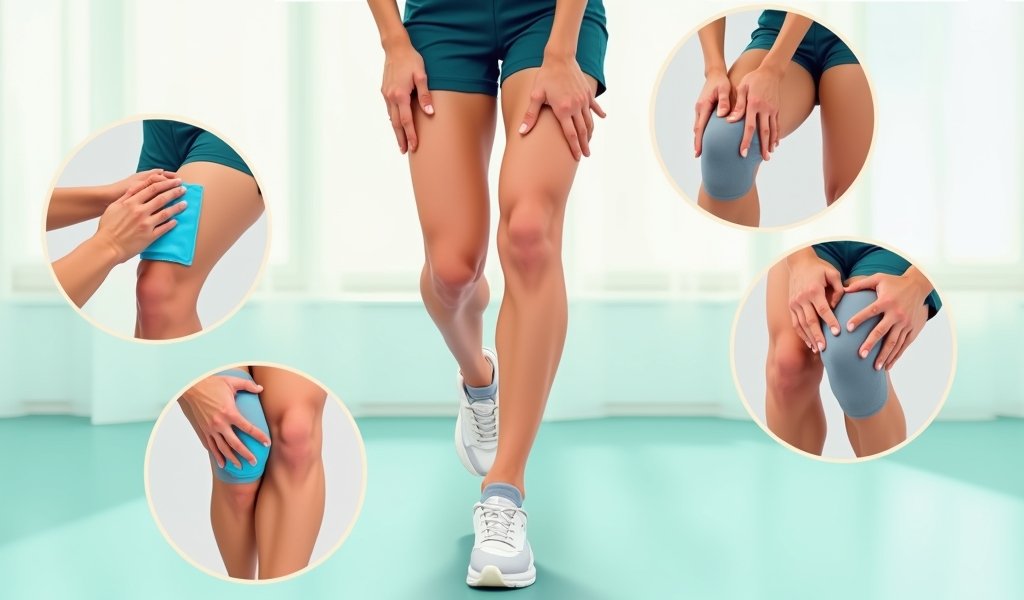
Managing inflammation is critical in the early stages of quadriceps tendonitis treatment. Ice therapy and compression can be particularly effective for reducing pain and swelling.
For optimal results with ice therapy, I recommend:
- Applying ice to the affected area for 15-20 minutes every 2-3 hours during acute phases
- Using a thin cloth between ice and skin to prevent ice burns
- Continuing ice therapy after activity, even as pain begins to subside
- Considering a contrast bath approach (alternating between cold and warm) in later stages of healing
Compression can complement ice therapy by reducing swelling and providing support to the affected tendon. A compression sleeve or wrap specifically designed for the knee can be particularly helpful. Apply it snugly but not so tight that it restricts circulation.
Some patients find relief with commercial cold compression wraps that combine both therapies. These specialized devices maintain consistent cold while providing compression, potentially enhancing the anti-inflammatory effects.
While ice and compression are most beneficial in the initial phases of tendonitis, they can also be useful after activity once you begin returning to normal exercise levels. This proactive approach can help prevent inflammation from recurring as you increase your activity.
Treatment Tip #3: Physical Therapy and Strengthening Exercises
Perhaps the most important aspect of quadriceps tendonitis treatment is appropriate rehabilitation through physical therapy. The right exercises not only promote healing but also address underlying issues that may have contributed to the condition.
A comprehensive physical therapy program for quadriceps tendonitis typically includes:
- Eccentric strengthening exercises (focusing on the “lowering” phase of movement)
- Progressive loading of the tendon to stimulate repair and remodeling
- Flexibility exercises for the entire lower extremity
- Core and hip strengthening to improve overall biomechanics
- Balance and proprioception training
Eccentric exercises have shown particular promise in treating various tendinopathies. These exercises involve lengthening the muscle under tension, which stimulates tendon healing and remodeling. A physical therapist can design a personalized eccentric loading program appropriate for your specific condition and stage of healing.
Dr. Jill Cook, a renowned tendon researcher, has demonstrated through multiple studies that progressive tendon loading is critical for proper healing. The key is to apply the right amount of stress – enough to stimulate healing but not so much that it worsens inflammation.
I typically recommend working with a physical therapist for at least the initial program design, even if you plan to continue exercises independently. They can ensure proper form and progression, which are crucial for effective rehabilitation.
Treatment Tip #4: Pain Management Strategies
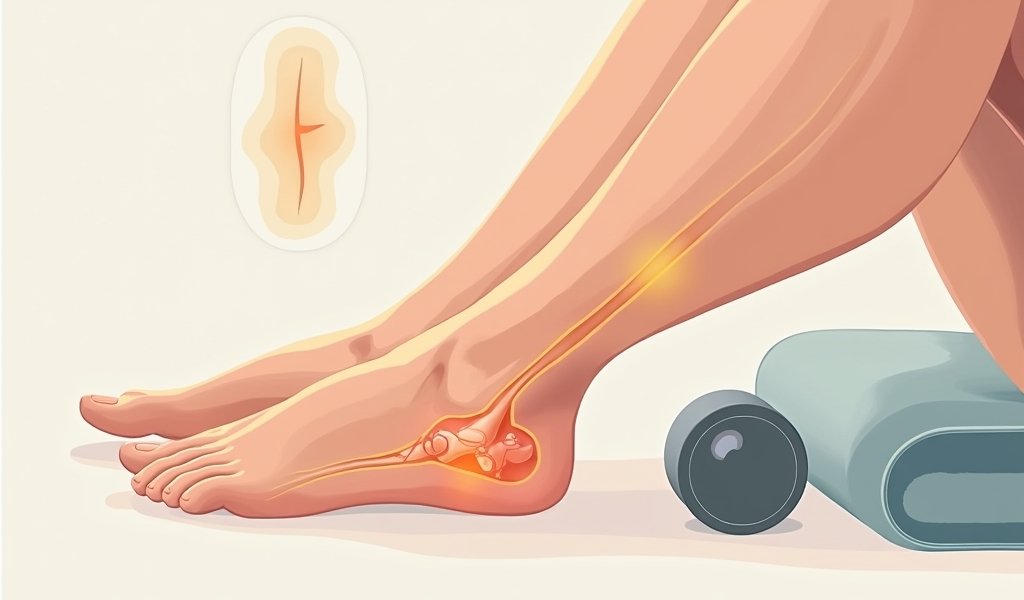
Managing pain effectively is an important component of quadriceps tendonitis treatment. Controlling pain not only improves quality of life during recovery but also allows for more effective participation in rehabilitation exercises.
Effective pain management approaches include:
- Over-the-counter non-steroidal anti-inflammatory drugs (NSAIDs) like ibuprofen or naproxen
- Topical anti-inflammatory creams or gels
- Kinesiology taping techniques to offload the tendon
- Gentle massage of surrounding tissues (avoiding direct pressure on inflamed areas)
- Proper sleep and stress management to support overall healing
While NSAIDs can be effective for short-term pain relief, I generally recommend using them judiciously and primarily in the acute phase. Research from sports medicine journals suggests that long-term NSAID use may actually impede the natural healing process in tendons.
For patients with more severe or persistent pain, additional interventions might be considered. These could include ultrasound-guided injections, extracorporeal shock wave therapy (ESWT), or other modalities that a sports medicine physician might recommend based on individual circumstances.
Remember that pain is informative – it tells you when you’re doing too much. Rather than completely masking pain, the goal should be managing it sufficiently to allow for healing and appropriate rehabilitation.
Treatment Tip #5: Gradual Return to Activity
The final critical component of successful quadriceps tendonitis treatment is a carefully planned return to normal activities. Rushing this process is one of the most common reasons for relapse and chronic tendon problems.
An effective return-to-activity plan includes:
- A progressive loading program that gradually increases stress on the tendon
- Activity-specific training that mimics the demands of your sport or regular activities
- Careful monitoring for any return of symptoms
- Continued maintenance exercises to support long-term tendon health
- Proper warm-up routines before activity and recovery practices afterward
I typically recommend the “10% rule” – increasing activity volume by no more than 10% per week. For example, if you’re returning to running, and you managed 10 minutes without pain this week, try no more than 11 minutes next week.
Pay close attention to how your body responds not just during activity but also in the 24-48 hours afterward. Delayed pain or swelling suggests you may need to scale back temporarily.
According to research in Physical Therapy in Sport, successful rehabilitation should include sport-specific or activity-specific training that prepares the tendon for the exact stresses it will encounter in your regular activities.
Prevention Strategies for Quadriceps Tendonitis
Once you’ve recovered from quadriceps tendonitis, preventing recurrence becomes a priority. Many of my patients who implement these preventive strategies avoid future episodes entirely.
Effective prevention approaches include:
- Maintaining appropriate quadriceps and hamstring strength and flexibility
- Implementing proper training progression (avoiding sudden increases in intensity)
- Using correct technique in sports and exercise
- Wearing appropriate footwear with adequate support
- Addressing any biomechanical issues in your running or movement patterns
- Incorporating regular cross-training to vary the stresses on your tendons
- Listening to your body and responding to early warning signs
Regular maintenance exercises, particularly eccentric strengthening, can help maintain tendon health even after symptoms resolve. I often recommend that my patients continue a modified version of their rehabilitation exercises 2-3 times per week as ongoing prevention.
Proper warm-up before activity is especially important for preventing tendon injuries. A dynamic warm-up that gradually increases blood flow and prepares the tissues for loading is far superior to static stretching before exercise.
When to See a Doctor
While many cases of quadriceps tendonitis can be successfully managed with the strategies outlined above, certain situations warrant medical attention. As a healthcare professional, I advise seeking medical evaluation if:
- Pain is severe or worsening despite conservative measures
- You experience a sudden onset of pain after an injury or fall
- You notice significant swelling, redness, or warmth around the knee
- You’re unable to bear weight on the affected leg
- Symptoms don’t improve after 2-3 weeks of conservative treatment
- You experience clicking, locking, or giving way of the knee
A proper medical evaluation may include physical examination, imaging studies like ultrasound or MRI, and occasionally specialized tests to rule out other conditions that can mimic quadriceps tendonitis.
Complete quadriceps tendon tears, though rare, require prompt surgical intervention. These typically occur during forceful contraction against resistance, such as trying to catch yourself during a fall, and usually cause immediate, severe pain and inability to extend the knee.
Conclusion
Quadriceps tendonitis can be a frustrating and painful condition, but with the right approach, complete recovery is achievable for most patients. The five key treatment strategies – rest and activity modification, ice and compression therapy, appropriate physical therapy, pain management, and gradual return to activity – provide a comprehensive framework for healing.
Remember that tendons heal relatively slowly compared to other tissues, so patience is essential. Most cases show significant improvement within 4-6 weeks of consistent treatment, though complete resolution and return to full activities may take 2-3 months or longer in severe cases.
The good news is that with proper rehabilitation, the tendon often heals stronger than before. By addressing not just the symptoms but also the underlying causes, you can achieve lasting relief and prevent future episodes.
If you’re dealing with persistent knee pain that interferes with your activities or quality of life, don’t hesitate to seek professional evaluation and guidance. With the right approach, you can overcome quadriceps tendonitis and return to the activities you enjoy.
Frequently Asked Questions
How long does it take to recover from quadriceps tendonitis?
Most cases show significant improvement within 4-6 weeks with appropriate treatment. Full recovery and return to high-level activities may take 8-12 weeks depending on severity and adherence to treatment.
Can I still exercise with quadriceps tendonitis?
Yes, but you should modify activities to avoid those that provoke pain. Low-impact exercises like swimming, careful cycling, and upper body workouts are generally safe alternatives during recovery.
Is surgery necessary for quadriceps tendonitis?
Surgery is rarely needed for tendonitis and is typically reserved for cases that don’t respond to 6+ months of conservative treatment. Most patients recover fully with proper rehabilitation and activity modification.
Should I use heat or ice for quadriceps tendonitis?
Ice is recommended during acute phases to reduce inflammation, especially after activity. Heat may be beneficial before gentle exercise or stretching once acute inflammation has subsided.
Can orthotics or knee braces help with quadriceps tendonitis?
Supportive devices may help in some cases by improving biomechanics or offloading the tendon. A patellar tendon strap or properly fitted orthotics can provide relief for some patients as part of a comprehensive treatment approach.