

Overview
This article presents five nutrient-rich pureed recipes designed to enhance fitness performance and recovery, including protein-packed smoothies, anti-inflammatory soups, and energy-boosting purees. Beyond recipes, it explains how pureed diets can maximize nutrient absorption, reduce digestive burden, and serve as a practical nutritional strategy for athletes, those recovering from injuries, and anyone seeking optimized nutrition.
Table of Contents
- Introduction to Pureed Diets
- Benefits for Fitness and Recovery
- Recipe #1: Protein-Packed Recovery Smoothie
- Recipe #2: Anti-Inflammatory Golden Soup
- Recipe #3: Energy-Boosting Green Puree
- Recipe #4: Nutrient-Dense Recovery Bowl
- Recipe #5: Protein-Rich Dessert Puree
- Practical Tips for Pureed Diet Success
- Conclusion
- Frequently Asked Questions
Introduction to Pureed Diets
Imagine your digestive system as a meticulous worker, carefully breaking down each morsel of food before extracting its valuable nutrients. A pureed diet is like giving that hardworking employee a head start—the food is already broken down, allowing your body to focus more on absorption and less on mechanical digestion.
In my decade working with athletes and recovery patients, I’ve seen pureed foods transform from bland hospital fare into vibrant, nutrient-rich powerhouses that fuel performance and accelerate healing. Like a master key unlocking multiple doors, a well-crafted pureed diet can simultaneously address various nutritional needs while being incredibly gentle on your system.
The beauty of pureed nutrition lies in its versatility. Unlike its cousin, the liquid diet, pureed foods maintain more fiber and substance while still being easy to consume. They’re thick enough to satisfy but smooth enough to require minimal digestive effort—a perfect middle ground when your body needs to conserve energy for repair or performance.
Benefits for Fitness and Recovery
The fitness world often overlooks pureed nutrition, mistakenly relegating it to hospital rooms and nursing homes. This oversight is like ignoring a secret training tool that elite athletes have quietly embraced for years.
When you’re training intensely, your body is like a high-performance engine that needs premium fuel delivered efficiently. Pureed foods offer several distinct advantages:
- Faster nutrient absorption when your recovery window is critical
- Reduced digestive burden, allowing more energy for repair and adaptation
- Higher nutrient density in easily consumed portions
- Improved hydration through moisture-rich preparations
For those recovering from illness or injury, the benefits multiply exponentially. As research on nutrition and recovery shows, meeting your body’s increased protein and micronutrient needs during healing can reduce recovery time by up to 25%.
Consider the marathoner who finds herself with dental work three days before her race, or the weightlifter recovering from minor surgery. A strategically implemented pureed diet becomes not just a convenience but a competitive advantage, allowing nutrition to continue uninterrupted when the alternative might be nutritional compromise.
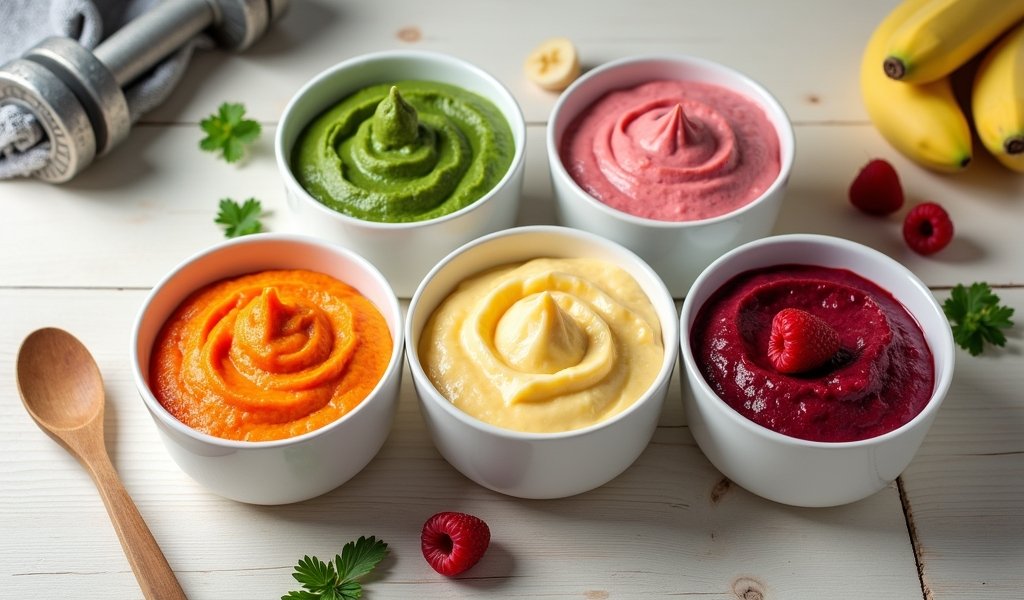
Recipe #1: Protein-Packed Recovery Smoothie
This smoothie isn’t just a drink—it’s a recovery catalyst, designed to flood your system with the precise nutrients needed after intense exertion. Like a carpenter with exactly the right tools, it provides your muscles with everything needed to rebuild stronger than before.
Ingredients:
- 1 cup Greek yogurt (plain, 2% fat)
- 1 scoop high-quality whey or plant protein powder
- ½ frozen banana
- ½ cup frozen blueberries
- 1 tablespoon nut butter (almond or cashew)
- 1 teaspoon honey (optional)
- 1 cup unsweetened almond milk
- ½ teaspoon cinnamon
- Ice cubes (optional)
Preparation:
Combine all ingredients in your blender and process for 45-60 seconds until silky smooth. The consistency should be thick but pourable—add more almond milk tablespoon by tablespoon if needed. Pour into a glass and consume within 30 minutes of your workout for optimal recovery benefits.
What makes this smoothie magical is its perfect balance of fast and slow-absorbing proteins. The whey protein rushes to your muscles like first responders at an emergency, while the Greek yogurt provides a sustained release of amino acids, extending the recovery window for hours. Meanwhile, the blueberries—little antioxidant bombs—neutralize the inflammatory response that intense exercise triggers.
One of my professional athletes, a tennis player recovering from a minor shoulder injury, credited this smoothie with helping her return to competition a week earlier than projected. “It was like liquid healing,” she told me, “and actually tasted good enough that I looked forward to it.”
Recipe #2: Anti-Inflammatory Golden Soup
Inflammation is like a necessary fire in your body—beneficial in controlled amounts but potentially damaging when excessive. This golden elixir, reminiscent of traditional healing broths found in cultures worldwide, helps manage that delicate balance.
Ingredients:
- 2 cups cauliflower florets (steamed until very soft)
- 1 cup cooked sweet potato
- ½ cup cooked carrots
- 1 tablespoon coconut oil
- 1 teaspoon fresh ginger, minced
- 1 teaspoon ground turmeric
- ¼ teaspoon black pepper
- 2 cups bone broth or vegetable broth
- ¼ cup full-fat coconut milk
- Salt to taste
Preparation:
In a medium pot, warm the coconut oil over medium heat. Add the ginger, letting it release its aromatic oils for 30 seconds. Sprinkle in the turmeric and black pepper, stirring quickly to prevent burning. Add your pre-cooked vegetables and broth, simmering for 5 minutes to marry the flavors. Transfer to your blender, add the coconut milk, and puree until velvety smooth. Reheat gently if needed before serving.
The magic of this soup lies in the synergy between turmeric and black pepper. Turmeric contains curcumin, a compound with potent anti-inflammatory properties, but it’s poorly absorbed on its own. Black pepper contains piperine, which increases curcumin absorption by up to 2,000%. It’s like having a key that unlocks a previously inaccessible treasure chest of benefits.
This soup became my secret weapon when working with a group of ultramarathoners during their recovery weeks. One runner described it as “like drinking liquid recovery” after a particularly brutal mountain race. Beyond the anti-inflammatory benefits, its gentle warmth and easy digestibility make it perfect when appetite is suppressed but nutritional needs are high.
Recipe #3: Energy-Boosting Green Puree
Not all energy sources are created equal. While sugary sports drinks provide a quick jolt followed by an inevitable crash, this green puree delivers sustained power through a masterful combination of complex carbohydrates, healthy fats, and micronutrients. It’s the difference between a flickering candle and a steady lighthouse beam.
Ingredients:
- 2 cups baby spinach
- ½ ripe avocado
- ½ cup frozen mango chunks
- ¼ cup cooked quinoa
- 1 tablespoon chia seeds
- 1 tablespoon hemp hearts
- 1 cup coconut water
- Juice of ½ lemon
- Small handful fresh mint (optional)
- Ice cubes (optional)
Preparation:
Soak your chia seeds in coconut water for 10 minutes—this creates a gel-like consistency that aids blending and improves digestibility. Add all ingredients to your high-powered blender and process until perfectly smooth, about 60-90 seconds. The consistency should be thicker than a drink but thinner than a pudding, easily consumed with a spoon or through a wide straw.
What makes this puree exceptional is its metabolic stability. The quinoa provides complex carbohydrates that break down gradually, while the healthy fats from avocado and hemp hearts further slow digestion, creating a sustained energy release. Meanwhile, the spinach delivers a chlorophyll punch that supports oxygen transport—essential for endurance performance.
I witnessed the power of this green elixir firsthand during a cycling event when one of my clients consumed it at mile 40 of a century ride. “While others were bonking around mile 60, I felt like I had a steady engine running,” he later reported. “No spikes, no crashes, just consistent energy.”
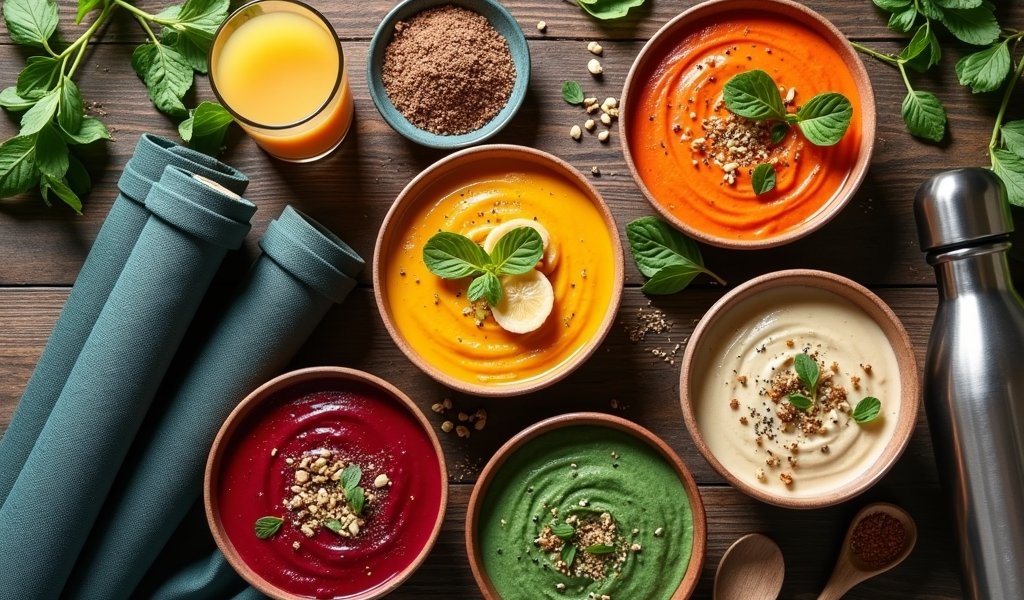
Recipe #4: Nutrient-Dense Recovery Bowl
Sometimes your body needs serious rebuilding materials, particularly after surgery or intense strength training. This savory bowl is like sending in a skilled construction crew with premium building supplies—everything needed for efficient tissue repair in one easy-to-digest package.
Ingredients:
- 1 cup cooked white fish (cod or halibut work well)
- ½ cup cooked white rice or cauliflower rice
- ¼ cup cooked white beans
- ¼ cup cooked zucchini
- 1 tablespoon olive oil
- 1 teaspoon lemon zest
- 1 tablespoon fresh dill
- ¼ cup bone broth
- Salt and white pepper to taste
Preparation:
Combine all ingredients except the olive oil in your blender and process until smooth, adding more broth if needed for proper blending. With the blender running on low speed, slowly drizzle in the olive oil to emulsify. This technique creates a creamier texture and makes the healthy fats more bioavailable. Warm gently before serving for the best flavor experience.
The genius of this recipe lies in its complete amino acid profile. The combination of fish protein (rich in essential amino acids) with plant proteins creates a complementary effect that maximizes protein utilization. The bone broth adds glycine and proline—amino acids crucial for collagen formation during healing.
For those transitioning from a full liquid diet back to solid foods, this bowl serves as a perfect bridge. One of my post-surgical clients called it “the turning point in my recovery”—the first meal that satisfied both his nutritional needs and his desire for something that felt like real food.
Recipe #5: Protein-Rich Dessert Puree
Whoever said healing foods can’t be delightful clearly never tried this dessert-like creation. Like finding a hundred-dollar bill in your old jeans, this treat delivers unexpected joy while secretly working hard to support your recovery goals.
Ingredients:
- 1 cup cottage cheese (2% fat)
- ½ cup cooked and cooled sweet potato
- 2 tablespoons cocoa powder
- 1 tablespoon maple syrup
- ½ teaspoon vanilla extract
- ¼ teaspoon cinnamon
- Pinch of salt
- 1-2 tablespoons milk of choice (if needed for blending)
Preparation:
Combine all ingredients in your food processor. Process until completely smooth, stopping occasionally to scrape down the sides. The mixture should be thick and pudding-like—add milk only if necessary to achieve proper blending. Chill for at least 30 minutes before serving to allow flavors to develop and texture to set.
This dessert’s brilliance is in its slow-release protein content. Cottage cheese contains primarily casein protein, which digests slowly, providing a steady stream of amino acids for up to 7 hours. This makes it perfect for nighttime consumption, supporting recovery during sleep when your body does most of its repair work.
Beyond recovery, this dessert has psychological benefits that shouldn’t be underestimated. A college athlete I worked with during jaw surgery rehabilitation described it as “a mental health boost in a bowl” during a challenging recovery period when eating was difficult and monotonous.
Practical Tips for Pureed Diet Success
Successfully implementing a pureed diet is like conducting an orchestra—it requires the right instruments, proper technique, and thoughtful composition. Here are my professional insights after guiding hundreds of clients through this nutritional approach:
Equipment Essentials
Your blending tools are not the place to economize. A high-quality blender is the foundation of puree success, like good running shoes for a marathon. I recommend investing in:
- A high-powered blender (Vitamix or BlendTec) for smooth, consistent results
- An immersion blender for hot soups and quick in-pot processing
- A food processor for thicker mixtures that might strain a standard blender
- Fine-mesh sieves for achieving ultra-smooth textures when needed
Texture Management
The perfect puree has a consistent, appealing texture that’s neither too thick nor too thin. If your creation is:
- Too thick: Add liquid (broth, milk, water) one tablespoon at a time
- Too thin: Add more solid ingredients or a natural thickener like Greek yogurt
- Grainy: Blend longer or pass through a fine-mesh sieve
- Separating: Add an emulsifier like lecithin or slowly drizzle in healthy oils while blending
Flavor Enhancement
Contrary to common belief, pureed foods can be flavor powerhouses. The blending process actually distributes aromatic compounds more thoroughly, intensifying taste experiences. Try:
- Roasting vegetables before pureeing to develop deeper flavors
- Using fresh herbs generously—they blend beautifully and add brightness
- Adding citrus zest for dimension without acidity
- Finishing with high-quality olive oil or a few drops of sesame oil
- Experimenting with spice blends for complexity without added texture
Practical Implementation
Integrate pureed foods strategically into your routine for maximum benefit:
- Start with one pureed meal per day, typically when digestive efficiency is most needed
- Use silicone freezer trays to portion and store pureed meals for convenient use
- Carry insulated containers for on-the-go nutrition that maintains temperature and consistency
- Consider a pureed pre-workout meal 90 minutes before intense sessions to minimize digestive competition
According to recent studies on nutrient absorption, mechanical processing of food through pureeing can increase bioavailability of certain nutrients by up to 35%—making these preparation methods not just convenient but potentially more nutritionally effective.
Conclusion
A pureed diet isn’t merely a solution for those with specific medical needs—it’s a sophisticated nutritional approach that can enhance performance, accelerate recovery, and optimize nutrient absorption for anyone seeking to improve their health and fitness outcomes.
Think of these five recipes as your starter toolkit—versatile formulations that you can adapt and personalize as you discover the benefits of this approach. Like a master chef who understands both the science and art of cooking, you can use purees to create meals that heal, fuel, and delight simultaneously.
What I’ve observed in my practice is that pureed nutrition often serves as a bridge—helping people maintain optimal nutrition during challenging phases when they might otherwise compromise. Whether you’re navigating dental work before a competition, recovering from surgery while maintaining muscle mass, or simply seeking more efficient nutrient delivery for performance, the humble puree deserves a place in your nutritional arsenal.
The journey to optimal health rarely follows a straight path. Having versatile nutritional strategies like these pureed recipes gives you adaptability—the ability to continue progressing regardless of the obstacles you encounter. As with any nutritional approach, listen to your body’s responses, adjust as needed, and remember that even small improvements in nutritional efficiency can yield remarkable results over time.
Frequently Asked Questions
Is a pureed diet only for people with medical conditions?
No, a pureed diet offers benefits for anyone seeking efficient nutrient absorption and reduced digestive burden. Athletes often use pureed nutrition strategically around training sessions.
How long can I safely follow a pureed diet?
Pureed diets can be followed indefinitely when properly balanced to include all necessary nutrients. Most people use them temporarily or incorporate pureed meals alongside regular food.
Will I get enough fiber on a pureed diet?
Yes, pureed fruits, vegetables, and whole grains retain their fiber content. The mechanical processing actually makes some fiber more accessible to your digestive system.
Can I build muscle while on a pureed diet?
Absolutely, provided your pureed meals contain adequate protein and calories. Many bodybuilders use strategic pureed meals to optimize nutrient delivery during bulking phases.
How do I prevent getting bored with pureed foods?
Experiment with global flavor profiles, use fresh herbs liberally, and vary your base ingredients. Temperature variation (chilled vs. warm) and texture gradients also help maintain interest.