
Overview
Turns out getting holes poked in your body hurts differently depending on where you stick the needle—who knew? This article provides a detailed guide to understanding piercing pain by location (from gentle earlobe pokes to scream-worthy genital piercings), offers five evidence-based strategies for managing discomfort, and outlines essential aftercare practices to ensure proper healing and minimize pain throughout the recovery process.
Table of Contents
- Understanding the Piercing Pain Scale
- Factors Affecting Piercing Pain Levels
- 5 Proven Tips for Piercing Pain Relief
- Piercing Pain Scale by Location
- Aftercare Essentials for Minimizing Pain
- When to Seek Professional Help
- Conclusion
- Frequently Asked Questions
Understanding the Piercing Pain Scale
The piercing pain scale provides a framework to understand and prepare for the discomfort associated with different types of body piercings. As a healthcare professional who’s witnessed countless piercings, I can tell you that pain is subjective—what feels like a mild pinch to one person might be quite intense for another. Most professional piercers use a 1-10 scale to help clients set realistic expectations.
Typically, a rating of 1-3 indicates minimal discomfort (like an earlobe piercing), while 4-6 suggests moderate pain (nostril or helix). Ratings of 7-10 are reserved for the more sensitive areas like nipples, genitals, or cartilage piercings. Understanding where your desired piercing falls on this scale can help you mentally prepare for the experience.
According to research on pain perception, anticipatory anxiety often makes the actual experience more uncomfortable than necessary. Knowledge truly is power when it comes to managing piercing pain. The good news? Even the most painful piercings typically last only seconds, though tenderness during healing can persist for weeks or months.
When consulting with clients at our skin wellness center, I emphasize that understanding the piercing pain scale isn’t about scaring yourself—it’s about setting realistic expectations and preparing properly for your new adornment.
Factors Affecting Piercing Pain Levels
Multiple factors influence how a piercing feels beyond just the location. Your personal pain tolerance plays a significant role—some people naturally experience less discomfort than others. Surprisingly, your mental state on piercing day matters tremendously. Stress, anxiety, or fear can amplify pain perception by triggering your sympathetic nervous system.
Physical factors matter too. Being well-rested and properly hydrated creates optimal conditions for your body to handle stress. Avoid alcohol before your appointment—while it might seem like a good idea for “liquid courage,” alcohol actually thins your blood, potentially increasing bleeding and pain.
The piercer’s technique and experience level significantly impact your comfort. Skilled professionals work quickly and confidently, minimizing discomfort through proper positioning and breathing techniques. The equipment quality matters too—sharp, precise needles cause less trauma than dull ones or piercing guns (which aren’t recommended by health professionals).
Hormone levels can also influence pain sensitivity. Some people report increased sensitivity during menstruation, while others find certain times of their cycle more comfortable for piercings. The scientific literature confirms that hormonal fluctuations can indeed alter pain perception.
Perhaps most importantly, your piercer’s demeanor affects your experience. A professional who explains each step, helps you breathe properly, and creates a calm environment can significantly reduce your perceived pain level.
5 Proven Tips for Piercing Pain Relief
Managing piercing pain effectively involves preparation before, during, and after your appointment. Here are five evidence-based strategies to minimize discomfort:
1. Proper Nutrition and Hydration
Eat a balanced meal 1-2 hours before your appointment. Low blood sugar can increase pain sensitivity and might cause lightheadedness during the procedure. Stay well-hydrated in the 24 hours leading up to your piercing—proper hydration supports your body’s stress response and promotes better healing afterward.
Avoid caffeine on piercing day as it can heighten anxiety and make you more sensitive to pain stimuli. Some piercers also recommend foods rich in vitamin C and zinc before and after to support your immune function during the healing process.
2. Breathing Techniques
Deep, controlled breathing is remarkably effective for managing acute pain. When you’re in the piercing chair, focus on slow breaths: inhale deeply through your nose for 4 counts, hold briefly, then exhale slowly through your mouth for 6 counts. This activates your parasympathetic nervous system, countering the stress response.
Many professional piercers will guide your breathing, often instructing you to take a deep breath in and then piercing during the exhale when your body is most relaxed. This synchronization can significantly reduce your perception of pain.
3. Distraction Methods
Your brain has limited capacity for processing sensory information. When you provide it with competing stimuli, pain perception often decreases. Simple distraction techniques include listening to music, engaging in conversation with your piercer, or using a stress ball in your hand.
Some clients find that bringing a supportive friend helps—not only for moral support but as a focal point during the procedure. The placebo effect is powerful; simply believing something will help often does reduce pain.
4. Topical Numbing Products
Discuss using topical anesthetics with your piercer beforehand—some professionals recommend them while others find they change tissue characteristics, potentially making the piercing more difficult. If approved, products containing lidocaine or benzocaine can temporarily reduce surface sensation.
Apply these products strictly according to package directions and your piercer’s guidance. Over-application or improper timing can either render them ineffective or potentially cause adverse reactions. Remember that most reputable piercers will not apply these products themselves due to licensing restrictions.
5. Post-Piercing Pain Management
Once your piercing is complete, proper aftercare becomes your primary pain management strategy. Anti-inflammatory medications like ibuprofen can help reduce swelling and discomfort during the first 24-48 hours. Apply cold compresses (never directly on the piercing) to reduce inflammation.
Follow your physical wellness routine with adequate sleep and nutrition to support healing. Remember that over-cleaning or using harsh products can irritate the piercing and increase pain, so stick strictly to your piercer’s aftercare instructions.
Piercing Pain Scale by Location
Different body parts have varying nerve densities and tissue types, resulting in different pain experiences. Here’s a general guide to the piercing pain scale by location, though remember your personal experience may vary:
Low Pain (1-3):
- Earlobe: With minimal nerve endings and soft tissue, most people rate this 1-2/10
- Eyebrow: Despite its visibility, typically ranks 2-3/10 due to few nerve endings
- Nostril: Usually a quick 2-3/10 pinch, though eyes may water reflexively
Moderate Pain (4-6):
- Helix/Cartilage: Firmer tissue means more pressure, typically rated 4-5/10
- Lip/Labret: The lip’s sensitivity puts this around 4/10 with brief, sharp pain
- Navel: The pinching sensation and longer needle path rate around 5-6/10
- Tongue: Initial piercing is often 4-5/10, but swelling afterward can be more uncomfortable
Higher Pain (7-10):
- Nipple: Dense nerve endings make this consistently rated 7-8/10
- Daith/Rook: These inner ear cartilage piercings often rank 7-8/10 due to thickness
- Industrial: As a two-hole cartilage piercing, this commonly rates 7-9/10
- Genital piercings: The most sensitive, typically rated 8-10/10 but very quick
When discussing piercing options with clients at our health and wellness consultations, I emphasize that the momentary pain is just one factor to consider. Healing time, aftercare requirements, and your lifestyle should all factor into your decision.
The psychological component cannot be overstated. Many clients report that piercings they were most nervous about actually felt less painful than expected, while ones they approached casually sometimes felt more intense. Your mindset truly matters!
Aftercare Essentials for Minimizing Pain
Proper aftercare not only ensures successful healing but significantly reduces pain during the recovery process. The golden rule? Simplicity is key—overwashing or using harsh products often causes more problems than it solves.
For most piercings, the current best practice involves cleaning 1-2 times daily with a sterile saline solution. Look for products labeled specifically for wound care or piercings with no additives beyond sodium chloride and water. The Association of Professional Piercers recommends against alcohol, hydrogen peroxide, or antibiotic ointments as these can irritate the wound and delay healing.
Temperature management plays a crucial role in comfort. During the first 48 hours, brief applications of cold (using clean ice in a bag wrapped in a paper towel) can reduce swelling and numb discomfort. After this initial period, warm compresses can increase circulation to the area, potentially speeding healing and providing relief.
Sleep positioning matters tremendously for comfort. For ear piercings, a travel pillow can create a space for your ear while side-sleeping. For nipple or navel piercings, back-sleeping may be most comfortable during the initial healing phase.
Clothing choices impact both healing and pain levels. Loose-fitting, breathable fabrics minimize irritation. For intimate piercings, cotton underwear provides the best combination of support and breathability. For oral piercings, cold foods and beverages can provide significant relief during the initial swelling phase.
Remember that healing is not linear—your piercing may feel fine for days, then suddenly become more sensitive. This pattern is normal and usually indicates your body working through different healing phases rather than a problem developing.
When to Seek Professional Help
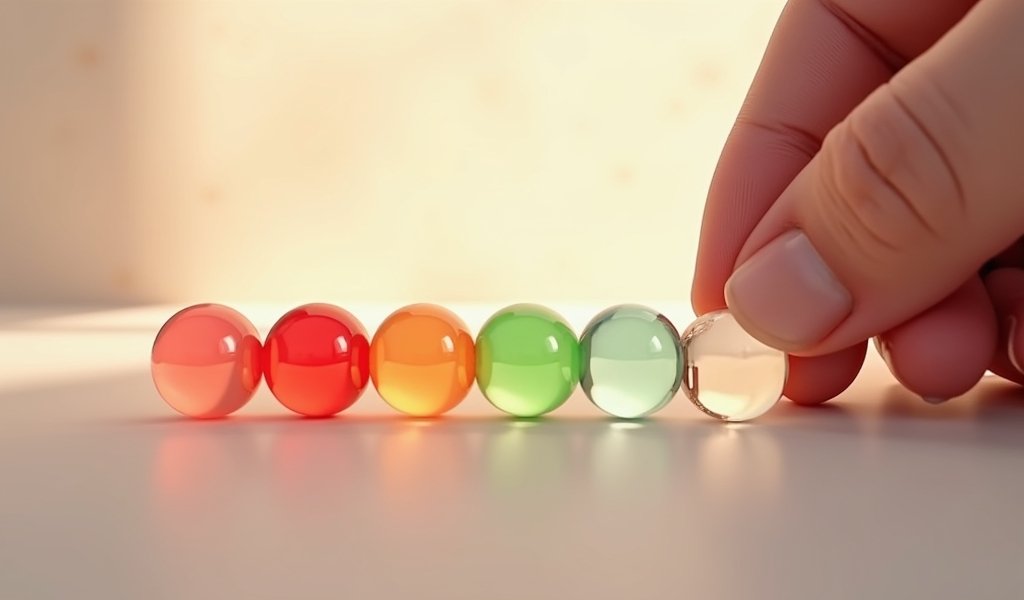
While some discomfort during healing is expected, certain symptoms warrant professional attention. Knowing when to seek help can prevent minor issues from becoming serious complications. Trust your instincts—if something feels significantly wrong, it’s better to check than ignore potential problems.
Contact your piercer or healthcare provider immediately if you experience increasing pain rather than decreasing pain after the first 3-5 days. This pattern often indicates complications rather than normal healing. Similarly, excessive swelling that continues to worsen beyond the first few days or restricts normal function requires assessment.
Discharge changes are important indicators of infection. While clear or slightly white lymph fluid is normal (sometimes forming crusties around the jewelry), yellow, green, or foul-smelling discharge warrants immediate attention. Excessive redness extending beyond the immediate piercing area, especially if accompanied by warmth or red streaking, suggests infection that requires treatment.
Fever, chills, or general malaise in conjunction with piercing pain should never be ignored—these systemic symptoms suggest your body is fighting an infection that may require antibiotics. Rejection or migration signs (the jewelry moving significantly from its original position or the skin becoming very thin over the jewelry) require professional assessment to determine whether the piercing can be saved.
While pain is subjective, extreme pain that prevents normal activities or sleep is abnormal and warrants evaluation. Most importantly, if you experience any allergic reaction symptoms (hives, severe itching, difficulty breathing), seek emergency care immediately.
When consulting professionals, start with your piercer for normal healing questions and minor concerns. For signs of infection, severe reactions, or if your piercer recommends it, consult a healthcare provider. Always inform medical professionals about your piercing—some may have limited experience with piercings and benefit from knowing that normal healing involves some discharge and mild discomfort.
Conclusion
Understanding the piercing pain scale empowers you to make informed decisions about body modification while minimizing discomfort throughout the process. As we’ve explored, pain varies significantly by location, individual factors, and technique—but knowledge and preparation can dramatically improve your experience.
The five proven relief strategies—proper nutrition, breathing techniques, distraction methods, appropriate use of topical products, and diligent aftercare—provide a comprehensive approach to managing piercing pain before, during, and after your procedure. Remember that while the piercing itself may be momentary, proper aftercare remains essential for both comfort and successful healing.
When considering a new piercing, consult with experienced professionals who can guide you through the process with expertise and compassion. By setting realistic expectations based on the piercing pain scale and implementing the strategies we’ve discussed, you can enjoy your new adornment with minimal discomfort and maximum satisfaction.
Ultimately, many clients find that the temporary discomfort of piercings is far outweighed by the personal expression and satisfaction they provide. With proper preparation and care, your piercing journey can be a positive experience that results in beautiful, well-healed body art to enjoy for years to come.
Frequently Asked Questions
What is the least painful body piercing?
Earlobe piercings are generally considered the least painful, typically rating 1-2 on the piercing pain scale. The tissue is soft and contains fewer nerve endings compared to cartilage or other body parts.
How can I reduce pain during a piercing?
Use deep breathing techniques, eat a nutritious meal beforehand, and ensure you’re well-rested and hydrated. Discussing your concerns with your piercer can also help them provide appropriate guidance and support.
Is it normal for a new piercing to throb?
Yes, throbbing pain for 24-72 hours after getting pierced is completely normal as inflammation is part of the healing process. The sensation should gradually diminish over the first week.
Can I take painkillers before getting pierced?
Non-steroidal anti-inflammatory medications like ibuprofen can be taken 30-60 minutes before your appointment. Avoid aspirin and alcohol as they can increase bleeding.
When should I be concerned about piercing pain?
Seek professional help if pain increases rather than decreases after the first 3-5 days, or if you notice excessive swelling, colored discharge, warmth, or red streaks extending from the piercing. These symptoms may indicate infection requiring treatment.