
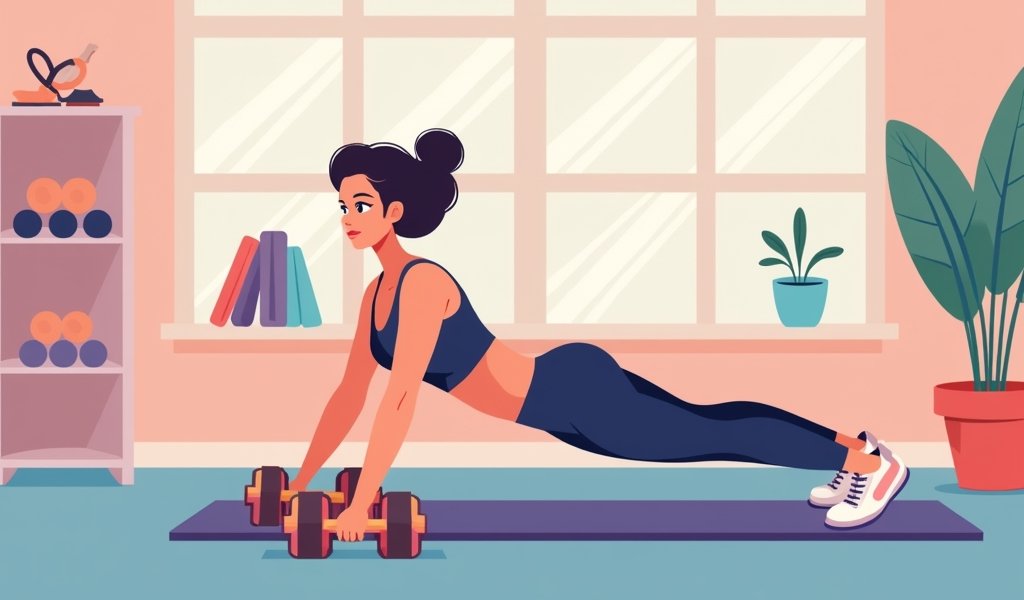
Overview
This article provides five targeted exercises (modified push-ups, dumbbell chest flies, wall presses, chest dips, and arm circles) that strengthen the pectoral muscles beneath breast tissue to create a firmer, more lifted appearance. While no exercise can directly firm breast tissue itself, strengthening the underlying chest muscles through consistent training—complemented by good posture, proper nutrition, and adequate hydration—can enhance breast support and appearance within 6-8 weeks of regular practice.
Table of Contents
- Understanding Breast Firmness: What Affects It?
- Benefits of Breast Firming Exercises Beyond Aesthetics
- Exercise 1: Modified Push-Ups for Upper Chest Strength
- Exercise 2: Dumbbell Chest Flies for Breast Tissue Support
- Exercise 3: Wall Presses for Targeted Pectoral Toning
- Exercise 4: Chest Dips for Lower Pectoral Definition
- Exercise 5: Arm Circles for Complete Chest Engagement
- Creating an Effective Breast Firming Routine
- Lifestyle Factors That Complement Your Exercise Routine
- Conclusion: Embracing Natural Breast Health
- Frequently Asked Questions
Achieving perky breasts is a common goal for many women, but it’s important to understand that breast firmness is influenced by multiple factors including genetics, age, weight fluctuations, and hormonal changes. While no exercise can completely transform breast tissue (which is primarily fat), targeted chest exercises can strengthen the underlying pectoral muscles, providing better support and creating the appearance of firmer, more lifted breasts. As a health professional with years of experience in women’s fitness, I’m excited to share these effective exercises that can help enhance your natural shape while boosting your overall fitness.
Understanding Breast Firmness: What Affects It?
Before diving into specific exercises, it’s important to understand what actually determines breast firmness. Breasts consist primarily of fatty tissue, milk glands, and connective tissue rather than muscle. This means you can’t directly “firm” breast tissue through exercise the way you might tone an arm or leg muscle.
Several factors influence the natural appearance of your breasts:
- Genetics – Your DNA largely determines breast size, shape, and tissue composition
- Age – Skin elasticity naturally decreases over time
- Weight fluctuations – Significant weight loss or gain can affect breast appearance
- Pregnancy and breastfeeding – Hormonal changes and breast function changes
- Posture – How you stand and sit affects how your breasts appear
What you can influence through exercise is the strength and tone of your pectoral muscles that lie beneath the breast tissue. Think of these muscles as a natural support system – when they’re stronger, they provide a more lifted appearance to the breast tissue that sits on top of them.
According to research published in the Journal of Physical Therapy Science, exercises targeting the pectoral muscles can improve chest muscle strength and, consequently, breast appearance. Furthermore, improving overall posture through chest and back exercises provides additional benefits for breast positioning.
Benefits of Breast Firming Exercises Beyond Aesthetics
The benefits of incorporating chest-strengthening exercises into your routine extend well beyond the aesthetic goal of perky breasts. These exercises contribute significantly to your overall health and wellbeing in several important ways.
First, strengthening your pectoral muscles improves posture, which can alleviate back pain and make you appear more confident. Many women, especially those with larger breasts, experience chronic upper back, neck, and shoulder discomfort due to the weight pulling their shoulders forward. Strengthening the chest muscles helps counter this effect.
Additionally, these exercises enhance functional strength for daily activities. From carrying groceries to picking up children, stronger chest muscles make everyday movements easier and reduce your risk of injury. They also contribute to better balance in your fitness routine by complementing the back exercises many women already perform.
Moreover, focusing on chest exercises helps correct the common muscular imbalance where back muscles are stronger than chest muscles. This imbalance often leads to rounded shoulders and a hunched appearance. By strengthening your chest, you create better muscular harmony.
Finally, chest-focused workouts boost overall confidence. Beyond any physical changes, the simple act of becoming stronger and more capable has profound psychological benefits for body image and self-perception.
Exercise 1: Modified Push-Ups for Upper Chest Strength
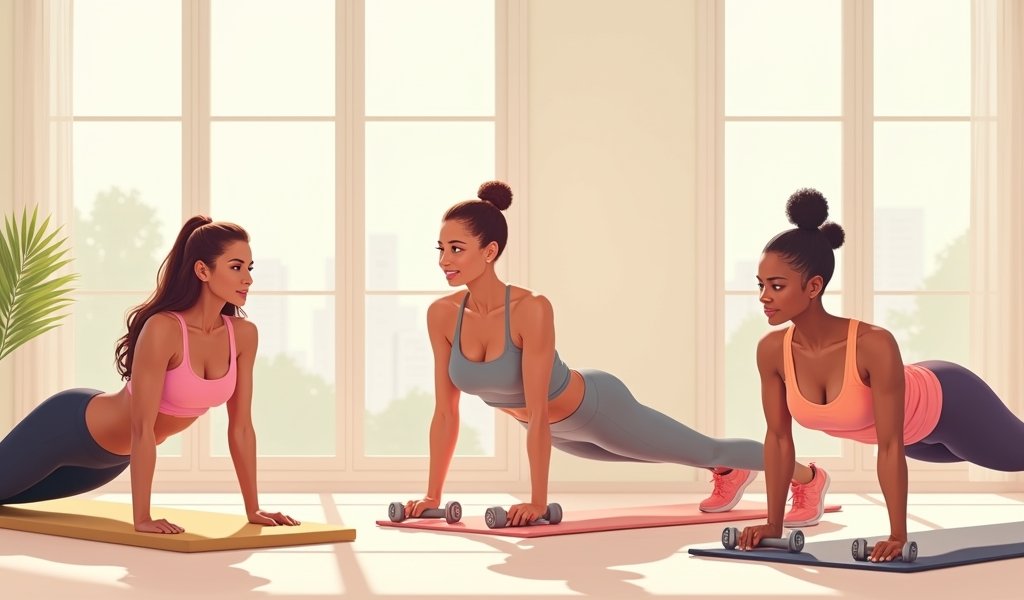
The modified push-up is an excellent starting point for developing upper chest strength, which directly supports breast tissue. This beginner-friendly variation allows you to gradually build strength while maintaining proper form.
To perform modified push-ups correctly:
- Begin in a kneeling position, then place your hands on the floor slightly wider than shoulder-width apart
- Walk your hands forward until your body forms a straight line from your knees to your head
- Keep your core engaged and your neck aligned with your spine (avoid dropping your head)
- Slowly lower your chest toward the floor by bending your elbows
- Push back up to the starting position while maintaining body alignment
- Aim for 10-12 repetitions, performing 2-3 sets with rest between
The key to effectiveness is proper form rather than quantity. Focus on creating tension in your chest muscles throughout the movement. You should feel your pectoral muscles working as you push back to the starting position.
As you build strength, you can progress to full push-ups from your toes, which will further increase the challenge and benefits. Another variation to consider is incline push-ups (hands elevated on a bench or step), which specifically target the lower portion of the pectoral muscles.
Research in sports medicine confirms that push-up variations effectively engage the pectoral muscles, making this exercise a science-backed choice for your chest-strengthening routine.
Exercise 2: Dumbbell Chest Flies for Breast Tissue Support
Dumbbell chest flies specifically target the pectoral muscles that support breast tissue, creating a lifting effect that can enhance the appearance of your breasts. This exercise stretches the chest muscles at the bottom of the movement and contracts them fully at the top, providing excellent muscle engagement.
To perform dumbbell chest flies properly:
- Lie on a flat bench or exercise mat with a dumbbell in each hand
- Start with arms extended above your chest, palms facing each other, with a slight bend in the elbows
- Lower the weights out to the sides in a wide arc while maintaining the bend in your elbows
- Stop when you feel a gentle stretch across your chest
- Return to the starting position by bringing the weights back together in the same arc motion
- Focus on using your chest muscles (not your arms) to power the movement
- Complete 10-12 repetitions for 2-3 sets
Begin with light weights (2-5 pounds) to master the technique before progressing. This exercise should feel like you’re hugging a large beach ball, creating that rounded motion that fully engages the entire pectoral region.
For those new to strength training, you might experience mild muscle soreness the day after performing chest flies. This is completely normal and indicates that you’ve effectively challenged the muscles. As your strength improves, you can gradually increase the weight used.
Remember to breathe naturally throughout the exercise – exhale as you bring the weights together and inhale as you lower them out to the sides. This breathing pattern enhances oxygen flow to the working muscles and improves overall exercise effectiveness.
Exercise 3: Wall Presses for Targeted Pectoral Toning
Wall presses are an excellent option for beginners or those who find traditional push-ups challenging. This exercise effectively isolates the chest muscles while being gentle on the wrists and shoulders, making it accessible for nearly everyone.
To perform wall presses with proper technique:
- Stand facing a wall at arm’s length distance
- Place your palms flat against the wall at shoulder height, slightly wider than shoulder-width apart
- Keep your feet hip-width apart and maintain a straight line from head to heels
- Bend your elbows to bring your chest toward the wall while keeping your body rigid
- Push back to the starting position, focusing on engaging your chest muscles
- Complete 12-15 repetitions for 3 sets
To increase the challenge as you progress, simply move your feet further away from the wall. This changes the angle of your body and increases the amount of your body weight you’re working against.
Wall presses can be particularly beneficial for those with shoulder or wrist issues that make floor exercises uncomfortable. The vertical position reduces stress on these joints while still effectively targeting the chest muscles.
For variety and additional benefit, try different hand positions: placing your hands lower on the wall will engage more of your lower chest muscles, while positioning them higher will emphasize the upper chest region. This versatility makes wall presses an excellent addition to your breast-firming exercise routine.
Consistency is key with this exercise. Even performing wall presses for just a few minutes several times throughout your day can lead to noticeable improvements in chest strength and appearance over time.
Exercise 4: Chest Dips for Lower Pectoral Definition
Chest dips are a more advanced exercise that powerfully targets the lower portion of the pectoral muscles, creating lift from the bottom of the breast tissue. This exercise requires some upper body strength to begin with, but modifications can make it accessible for those still building their fitness foundation.
To perform modified chest dips:
- Position yourself between two sturdy chairs of equal height, or use a specialized dip station if available
- Place your hands on the edges of the chairs, shoulders directly above hands
- Extend your legs in front of you with knees bent (easier) or straight (more challenging)
- Lower your body by bending your elbows until they reach about a 90-degree angle
- Keep your elbows pointing backward, not flaring out to the sides
- Push through your palms to return to the starting position
- Focus on feeling the contraction in your chest muscles
- Aim for 8-10 repetitions for 2-3 sets
If you’re finding this too challenging, you can begin with a bent-knee position and keep your feet on the floor for additional support. As your strength increases, progressively shift more of your body weight onto your arms.
For those who can perform full chest dips, the exercise becomes even more effective when you lean your torso slightly forward during the movement. This forward lean shifts emphasis to the chest muscles rather than the triceps.
According to research from the American Council on Exercise, dip exercises rank among the most effective movements for pectoral muscle activation, making them valuable additions to your breast-firming routine.

Exercise 5: Arm Circles for Complete Chest Engagement
Arm circles might seem simple, but they’re remarkably effective for engaging the entire chest region while also working the shoulders. This exercise helps improve circulation to breast tissue while toning the surrounding supportive muscles.
To perform arm circles correctly:
- Stand with feet shoulder-width apart and extend arms out to the sides at shoulder height
- Keep your spine straight and core engaged
- Begin making small circles with your arms, about 6 inches in diameter
- Perform 20 circles forward, then 20 circles backward
- Gradually increase the size of the circles for a more intense stretch
- Complete 3 sets, with each set including both forward and backward circles
For an added challenge, hold light dumbbells (1-2 pounds) while performing the circles. Even this small amount of resistance significantly increases the workout intensity and results.
Pay attention to how your chest muscles feel during this exercise. You should notice tension across your pectoral muscles, particularly as fatigue sets in toward the end of each set. This tension indicates that the muscles are being effectively engaged.
Arm circles also serve as an excellent warm-up before performing the other breast-firming exercises in your routine. They increase blood flow to the chest area and prepare the muscles for more intensive work.
An additional benefit of arm circles is their ability to improve shoulder mobility and posture, which indirectly enhances the appearance of your chest. Better posture naturally positions the breasts in a more lifted, forward position.
Creating an Effective Breast Firming Routine
To see noticeable results from these exercises, consistency and proper programming are essential. Rather than performing these movements randomly, incorporating them into a structured routine will maximize their effectiveness.
Here’s a sample weekly routine that balances these exercises effectively:
- Monday: Modified push-ups (3 sets) and arm circles (3 sets)
- Wednesday: Dumbbell chest flies (3 sets) and wall presses (3 sets)
- Friday: Chest dips (2-3 sets) and a full routine of all exercises (1 set each)
Allow 48 hours of recovery between chest-focused workout days. This recovery period is when your muscles actually rebuild stronger following the exercise stimulus.
Progression is key to continuing improvement. Each week, try to increase either the number of repetitions or the resistance used. Even small increments lead to significant progress over time.
Combine these strength exercises with 20-30 minutes of cardiovascular exercise 3-5 times weekly. Activities like brisk walking, cycling, or swimming help maintain healthy body fat levels, which impacts the appearance of breast tissue.
Remember that visible changes typically take at least 6-8 weeks of consistent training. Take progress photos every few weeks (rather than daily checking) to better notice the gradual improvements in muscle tone and posture.
Lifestyle Factors That Complement Your Exercise Routine
While targeted exercises form the foundation of natural breast firming, several lifestyle factors can enhance or diminish your results. Addressing these complementary aspects creates a holistic approach to breast appearance and health.
Proper hydration plays a crucial role in skin elasticity, including the skin that supports your breasts. Aim for at least 8-10 glasses of water daily to maintain optimal skin health and appearance.
Your nutrition choices significantly impact both muscle development and skin quality. Focus on consuming adequate protein (0.8-1g per pound of body weight) to support muscle repair after workouts. Include foods rich in antioxidants like berries, leafy greens, and colorful vegetables to promote skin health.
Posture awareness throughout your day reinforces the benefits of your exercise routine. Make a conscious effort to stand and sit with your shoulders back and chest lifted. This position alone can instantly create the appearance of firmer, more lifted breasts.
Proper bra support is essential, especially during exercise. A well-fitted sports bra prevents excessive movement that can stress the connective tissues supporting your breasts. Consider getting professionally fitted to ensure optimal support.
Sun protection for chest skin helps maintain elasticity and prevent premature aging. The delicate skin of the décolletage area is particularly vulnerable to sun damage, which can lead to sagging. Apply sunscreen to this area daily, even in winter months.
Stress management techniques like meditation, yoga, or deep breathing exercises support hormonal balance, which indirectly affects breast tissue. High stress levels can disrupt hormone production and impact skin quality and muscle development.
Conclusion: Embracing Natural Breast Health
The journey to achieving perky breasts through exercise is about more than just aesthetics—it’s about embracing your body’s natural strength and capabilities. By incorporating these five key exercises into your regular fitness routine, you’re not only working toward firmer breasts but also improving your overall health, posture, and confidence.
Remember that consistency is the true secret to success. These exercises, performed regularly over time, will gradually strengthen the pectoral muscles that support your breast tissue, creating a natural lifting effect. While results won’t happen overnight, the combined benefits of enhanced strength, improved posture, and increased body confidence make the journey worthwhile.
It’s also important to maintain realistic expectations. Your unique body type, genetics, and breast composition all influence your results. Focus on progress rather than perfection, celebrating the improvements in how you feel and function rather than comparing yourself to unrealistic standards.
Finally, view these exercises as part of a comprehensive approach to breast health that includes regular self-exams, appropriate medical screenings, and a healthy lifestyle. When you prioritize both the function and appearance of your breasts, you’re investing in your overall wellbeing for years to come.
Frequently Asked Questions
How long does it take to see results from breast firming exercises?
Most women begin noticing initial changes in chest muscle tone and posture within 3-4 weeks of consistent training. More significant results typically become visible after 8-12 weeks of regular exercise.
Can exercise prevent sagging breasts?
Exercise strengthens the underlying muscles that support breast tissue, which can slow the natural sagging process. While it can’t completely prevent sagging due to aging, genetics, and skin elasticity factors, it definitely helps maintain better breast positioning.
Do I need special equipment for these exercises?
Most of these exercises require minimal equipment – just a set of light dumbbells and a sturdy surface for dips. Many can be modified to use body weight only, making them accessible for home workouts.
Can these exercises increase breast size?
Breast firming exercises don’t increase breast size as breasts consist primarily of fat tissue, not muscle. However, they can make breasts appear more prominent by improving posture and creating a lifted appearance.
Are these exercises safe for women with larger breasts?
Yes, these exercises are safe for women of all breast sizes. Those with larger breasts should ensure they wear a supportive sports bra during exercise and may need to start with more modifications before progressing to advanced variations.
Pingback: Firm Breasts: 7 Proven Lift & Tone Moves - achievehealthgoals.com
Pingback: How to Fix Sagging Breasts Naturally Now - achievehealthgoals.com