

Overview
Peas are nutritional powerhouses packed with protein, fiber, and essential vitamins that offer seven major health benefits: supporting digestive health, protecting heart health, regulating blood sugar, aiding weight management, providing anti-inflammatory effects, supporting bone health, and boosting energy and muscle maintenance. Different varieties of peas (green, snow, sugar snap, and split peas) can be creatively incorporated into meals from breakfast to dinner, making them a versatile and accessible addition to any diet for significant long-term health benefits.
Table of Contents
- Introduction to Peas Nutrition
- Nutritional Profile of Peas
- Benefit #1: Supporting Digestive Health
- Benefit #2: Heart Health Protection
- Benefit #3: Blood Sugar Regulation
- Benefit #4: Weight Management
- Benefit #5: Anti-Inflammatory Properties
- Benefit #6: Bone Health Support
- Benefit #7: Energy and Muscle Support
- Types of Peas and Their Unique Benefits
- Creative Ways to Incorporate Peas Into Your Diet
- Conclusion
- Frequently Asked Questions
Introduction to Peas Nutrition
The humble pea, often overlooked on our dinner plates, is actually a nutritional powerhouse deserving of more attention in our daily diets. As a clinical nutritionist with over a decade of experience, I’ve seen firsthand how incorporating peas nutrition into meal plans can transform health outcomes. These small green spheres pack an impressive nutritional punch that rivals many more celebrated superfoods.
Peas belong to the legume family, along with pinto beans and lentils, and have been cultivated for thousands of years. What makes peas particularly special is their exceptional balance of macronutrients and micronutrients, providing substantial dietary fiber, plant-based protein, and essential vitamins in a low-calorie package.
While many view peas as simply a side dish, the science behind peas nutrition reveals they deserve a more prominent place in our dietary considerations. From supporting digestive health to potentially reducing chronic disease risk, these little green gems offer benefits that extend far beyond basic nutrition.
In this comprehensive guide, we’ll explore the remarkable nutritional profile of peas and uncover seven evidence-backed health benefits that might just convince you to add more of these versatile legumes to your meals. Whether you’re a health enthusiast looking to optimize your diet or simply curious about improving your nutritional intake, understanding peas nutrition could be a small change with significant health rewards.
Nutritional Profile of Peas
Before diving into specific health benefits, let’s examine what makes peas such a nutritional standout. A standard one-cup serving (160g) of green peas contains approximately:
- Calories: 125
- Protein: 8.2 grams
- Carbohydrates: 21 grams
- Fiber: 8.8 grams
- Fat: 0.4 grams
- Vitamin A: 34% of the Daily Value (DV)
- Vitamin K: 48% of DV
- Vitamin C: 97% of DV
- Thiamin (B1): 30% of DV
- Folate: 24% of DV
- Manganese: 22% of DV
- Iron: 14% of DV
What immediately stands out is the impressive protein content—peas offer more protein per calorie than many animal products, making them an excellent option for plant-based diets. The fiber content is equally remarkable, providing nearly a third of the recommended daily intake in just one serving.
Peas also contain a unique array of phytonutrients, including saponins, phenolic acids, and flavonoids. These bioactive compounds contribute to the antioxidant and anti-inflammatory properties that underpin many of peas’ health benefits. Additionally, they contain a range of essential minerals including magnesium, phosphorus, and zinc, which support everything from bone health to immune function.
Perhaps most impressive is that peas achieve this nutritional density while remaining low in calories and fat, with no cholesterol and minimal sodium in their natural state. This makes them an ideal food for maintaining health while managing weight, a rare combination in today’s food landscape.
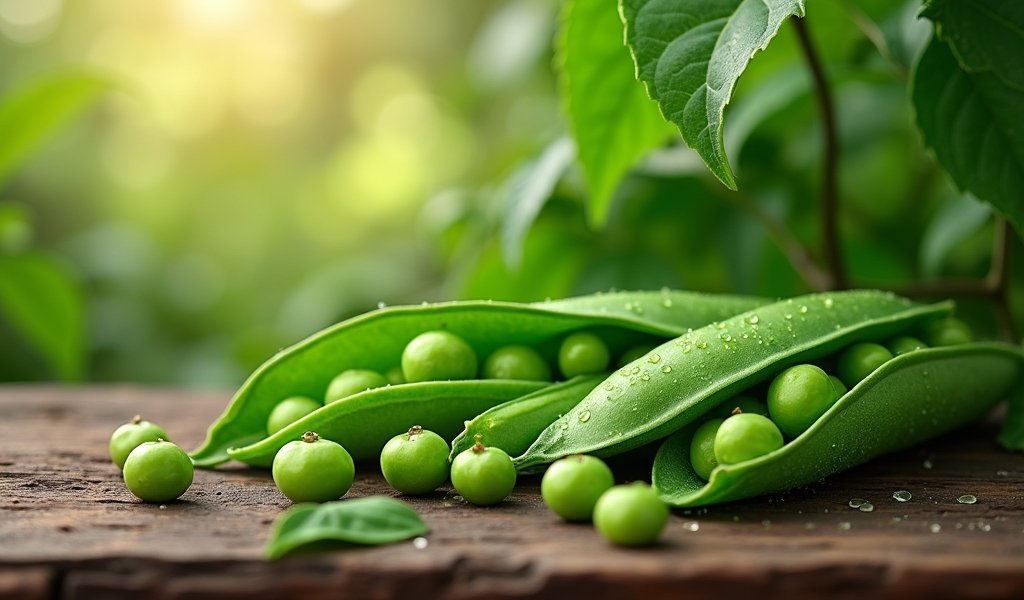
Benefit #1: Supporting Digestive Health
The digestive benefits of peas begin with their exceptional fiber content. With nearly 9 grams per cup, peas provide both soluble and insoluble fiber, creating the perfect combination for digestive wellness. The soluble fiber dissolves in water to form a gel-like substance that can help regulate cholesterol levels and slow digestion, while insoluble fiber adds bulk to stool, promoting regular bowel movements.
But peas nutrition goes beyond basic fiber. These legumes contain specific types of carbohydrates called galacto-oligosaccharides (GOS), which function as prebiotics in the gut. Research has shown that these compounds selectively feed beneficial gut bacteria, promoting a healthy microbiome balance essential for digestion, immunity, and even mental health.
Clinical studies have demonstrated that regular consumption of peas can increase populations of Bifidobacteria and other beneficial microbes in the gut. This microbial enhancement has been associated with reduced risk of digestive disorders, improved nutrient absorption, and even enhanced mood regulation through the gut-brain axis.
For patients with irritable bowel syndrome (IBS) or other digestive sensitivities, I typically recommend introducing peas gradually into the diet. While the fiber and prebiotic content provides tremendous benefits for most people, the body sometimes needs time to adapt to increased fiber intake. Starting with small portions and gradually increasing can help maximize the digestive benefits while minimizing any temporary discomfort that might occur during the adjustment period.
Benefit #2: Heart Health Protection
The heart-protective effects of peas nutrition come from multiple nutritional pathways working in concert. First, the substantial soluble fiber in peas has been shown to bind with cholesterol in the digestive system, preventing its absorption and helping to lower LDL (“bad”) cholesterol levels. One cup of peas provides approximately 30% of the recommended daily fiber intake, making them a practical dietary intervention for cardiovascular health.
Peas also contain significant amounts of potassium (about 384mg per cup), a mineral essential for maintaining healthy blood pressure. Potassium works to counteract the effects of sodium in the body, helping to relax blood vessel walls and improve circulation. This potassium-sodium balance is crucial for hypertension management, which affects nearly half of American adults.
The antioxidant profile of peas deserves special attention when discussing heart health. Peas contain vitamin C, carotenoids, and polyphenols that help reduce oxidative stress and inflammation—key factors in the development of heart disease. These compounds protect blood vessels from damage and help maintain their flexibility, improving overall cardiovascular function.
Perhaps most impressive is the presence of coumestrol in peas, a polyphenol that has demonstrated anti-inflammatory and antioxidant effects specifically beneficial to heart health. Studies suggest that regular consumption of foods containing coumestrol may help reduce the risk of coronary heart disease by protecting arterial walls from inflammatory damage.
In my clinical practice, I’ve found that incorporating just ½ cup of peas daily into patients’ diets can contribute to meaningful improvements in cholesterol profiles and blood pressure readings over time. Unlike many heart medications with potential side effects, peas offer a food-based approach to cardiovascular health with only beneficial “side effects” in the form of additional nutritional benefits.
Benefit #3: Blood Sugar Regulation
Despite containing carbohydrates, peas have a relatively low glycemic index (GI) of approximately 22, making them an excellent food choice for blood sugar management. The glycemic index measures how quickly a food raises blood glucose levels, and peas’ low score indicates they cause a slow, steady rise rather than harmful spikes.
This blood sugar-friendly profile stems primarily from the fiber and protein combination in peas. Fiber slows carbohydrate digestion and absorption, while protein further moderates the glucose response. This dual action helps prevent the rapid blood sugar fluctuations that can contribute to insulin resistance and type 2 diabetes over time.
Research published in the American Journal of Clinical Nutrition suggests that incorporating legumes like peas into regular meal patterns can improve glycemic control in both diabetic and non-diabetic individuals. One study found that replacing half of a high-GI starch portion with peas reduced post-meal blood glucose levels by nearly 35%.
Peas also contain unique bioactive compounds that may directly support insulin function. Certain polyphenols and peptides found in peas have shown promise in enhancing insulin sensitivity at the cellular level, potentially improving the body’s natural glucose regulation mechanisms.
For patients managing diabetes or prediabetes, I often recommend adding ½ cup of peas to meals containing higher-GI foods like rice or potatoes. This simple addition can significantly moderate the overall glycemic impact of the meal. Even for those without blood sugar concerns, this benefit of peas nutrition helps maintain steady energy levels throughout the day and may reduce cravings associated with blood sugar fluctuations.
Benefit #4: Weight Management
When it comes to weight management, peas offer a nutritional profile that specifically supports healthy weight maintenance while providing satisfying nutrition. With approximately 125 calories per cup yet packed with fiber and protein, peas create a sense of fullness that far exceeds their caloric contribution.
The high fiber content (8.8g per cup) activates stretch receptors in the stomach, sending satiety signals to the brain that help prevent overeating. Meanwhile, the protein content (8.2g per cup) triggers the release of hormones like PYY and GLP-1 that regulate appetite and food intake. This fiber-protein combination has been shown to reduce hunger and lower overall calorie consumption in subsequent meals.
In a 12-week study examining weight management, participants who regularly consumed legumes like peas reported greater satisfaction with their diets and lost more weight than those following a legume-free eating plan with the same calorie content. The researchers attributed this difference partly to the improved satiety and reduced hunger experienced by the legume-consuming group.
Beyond the direct effects on hunger and fullness, peas may influence weight through their impact on gut microbiota. The prebiotic fibers in peas promote growth of beneficial bacteria associated with healthier body weight and improved metabolism. Emerging research suggests this microbiome connection might be one reason why legume consumption is consistently linked to healthier body composition in population studies.
For patients working toward weight goals, I often suggest replacing higher-calorie, lower-nutrition foods with peas or adding them to existing meals for increased satiety. Unlike many “diet foods” that leave people feeling deprived, peas provide substantial nutritional benefits along with their weight management support—a winning combination for sustainable healthy eating patterns.
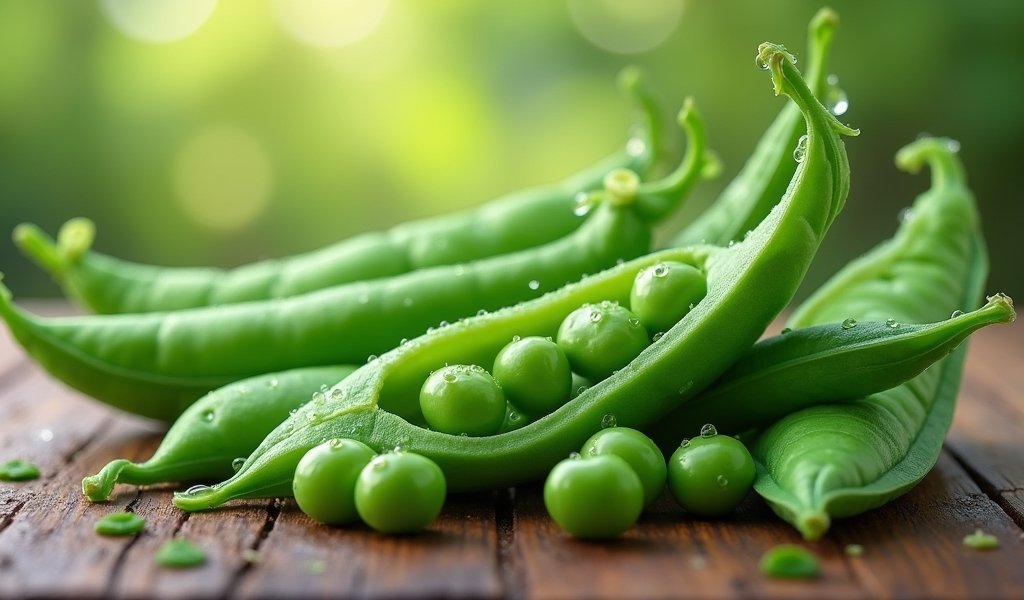
Benefit #5: Anti-Inflammatory Properties
Chronic inflammation underlies many modern health conditions, from arthritis to heart disease to certain cancers. The anti-inflammatory properties of peas nutrition make them a valuable addition to any diet focused on long-term health maintenance.
Peas contain several anti-inflammatory compounds, including flavonoids, carotenoids, and phenolic acids that help neutralize free radicals and reduce oxidative stress. These phytochemicals work by modulating inflammatory signaling pathways and reducing the production of pro-inflammatory compounds in the body.
Of particular note is the saponin content in peas, which has demonstrated significant anti-inflammatory effects in research studies. These compounds have been shown to inhibit the production of inflammatory cytokines and may help regulate immune cell function. Laboratory studies suggest that regular consumption of saponin-containing foods like peas may help reduce the low-grade chronic inflammation associated with metabolic syndrome and aging.
The vitamin C and vitamin E content in peas further enhances their anti-inflammatory profile. With nearly 100% of the daily vitamin C requirement in a single cup, peas provide substantial antioxidant protection that helps prevent cellular damage and subsequent inflammatory responses.
I’ve worked with patients suffering from inflammatory conditions who report noticeable improvements in symptoms after increasing their intake of anti-inflammatory foods like peas. While peas alone aren’t a cure for inflammatory diseases, their inclusion in an overall anti-inflammatory dietary pattern can contribute to meaningful symptom management and potentially slow disease progression.
For those looking to leverage the anti-inflammatory benefits of peas nutrition, consistency is key. Including even small amounts of peas regularly in the diet appears more beneficial than occasional larger servings, as it helps maintain steady levels of these protective compounds in the body.
Benefit #6: Bone Health Support
Peas offer a surprising array of nutrients that support skeletal strength and maintenance. While dairy products typically get all the attention for bone health, peas nutrition provides several essential bone-supporting nutrients in a plant-based package.
Vitamin K is perhaps the most notable bone-beneficial nutrient in peas, with one cup providing nearly 50% of daily requirements. Vitamin K plays a crucial role in bone mineralization by activating proteins that incorporate calcium into bone tissue. Studies have linked higher vitamin K intake to greater bone density and reduced fracture risk, particularly in older adults.
Peas also provide meaningful amounts of magnesium (12% DV per cup), a mineral that’s essential for converting vitamin D into its active form and for proper calcium utilization. Approximately 60% of the body’s magnesium resides in bone tissue, highlighting its importance for skeletal health.
The calcium content in peas, while not as high as in dairy products, is complemented by other minerals that enhance calcium absorption and utilization. The balanced ratio of phosphorus to calcium in peas helps ensure proper mineral incorporation into bone matrix, unlike some foods that can disrupt this delicate balance.
For vegetarians, vegans, and those limiting dairy consumption, peas represent an important plant-based contribution to overall bone nutrition. Their protein content also supports bone health, as adequate protein intake is necessary for maintaining bone mass and strength throughout life.
In my work with patients concerned about bone health, I emphasize that bone nutrition goes far beyond calcium alone. The diverse nutrient profile in peas—including vitamin K, magnesium, and balanced proteins—represents the kind of comprehensive nutritional approach needed for lifelong skeletal health. Incorporating peas alongside other bone-supporting foods creates a synergistic effect that may be more beneficial than focusing on single nutrients in isolation.
Benefit #7: Energy and Muscle Support
The protein content in peas makes them an exceptional plant-based option for supporting energy levels and muscle maintenance. With 8.2 grams of protein per cup, peas provide all nine essential amino acids needed for tissue repair and energy production, though they are slightly lower in methionine compared to animal proteins.
The quality of pea protein deserves special attention. Unlike some plant proteins, pea protein has an excellent digestibility score and a branched-chain amino acid (BCAA) profile that specifically supports muscle synthesis. This has made pea protein increasingly popular among athletes and fitness enthusiasts seeking plant-based alternatives to whey protein.
Beyond protein, peas provide substantial B vitamins crucial for energy metabolism. Thiamin (B1), found abundantly in peas, plays a direct role in converting carbohydrates into usable energy within cells. Folate, another B vitamin present in peas, supports red blood cell formation, improving oxygen delivery to muscles and enhancing energy production.
The iron content in peas (14% DV per cup) further supports energy by facilitating oxygen transport throughout the body. Iron deficiency is one of the most common nutritional deficiencies worldwide and often manifests as fatigue and reduced exercise capacity. Regular consumption of iron-containing foods like peas can help maintain optimal iron levels, particularly for menstruating women and athletes who have higher iron requirements.
For active individuals, the combination of complex carbohydrates and protein in peas makes them an excellent choice for sustained energy. Unlike simple carbohydrates that cause energy spikes and crashes, the fiber-rich carbohydrates in peas provide steady fuel while their protein content supports muscle recovery.
This energy-supporting benefit of peas nutrition is especially valuable for those following plant-based diets or reducing animal product consumption. Adding peas to meals or incorporating products like hummus that often contain peas can help ensure adequate protein and energy-supporting nutrients without relying on animal sources.
Types of Peas and Their Unique Benefits
The pea family extends beyond the common green pea, with several varieties offering slightly different nutritional profiles and culinary applications. Understanding these differences can help you maximize the benefits of peas nutrition in your diet.
Green peas (also called garden peas or sweet peas) are the most commonly consumed variety, known for their sweet flavor and vibrant color. These are typically the highest in vitamin C and have the classic pea flavor most people recognize. They can be enjoyed fresh, frozen, or canned, with minimal nutritional differences between fresh and frozen varieties.
Snow peas feature edible flat pods with small peas inside. They’re lower in calories and protein than green peas but offer similar fiber content. Snow peas are particularly rich in vitamin K and vitamin C, making them excellent for immune and bone support. Their mild flavor and crisp texture make them popular additions to stir-fries and salads.
Sugar snap peas combine features of both green and snow peas, with plump peas in an edible pod. Nutritionally similar to snow peas but with slightly more protein and natural sweetness, sugar snaps make excellent raw snacks and require minimal preparation. They maintain more of their nutritional value when eaten raw or lightly cooked.
Split peas are mature green or yellow peas that have been dried and split along their natural seam. This process concentrates their protein and fiber content, with split peas providing up to 16 grams of protein per cup when cooked. Their starches convert partially to resistant starch during cooking and cooling, enhancing their prebiotic benefits.
Black-eyed peas, despite their name, are actually beans rather than true peas but are worth mentioning due to their similar nutritional profile. They contain more iron and folate than green peas and offer comparable fiber content. Like their cousins black beans, they’re particularly beneficial for heart health and blood sugar management.
For maximum nutritional variety, I recommend rotating different types of peas in your diet. Each variety offers slightly different phytonutrient profiles, and this diversity supports broader health benefits than relying on a single type. Most importantly, choose preparations that align with your taste preferences, as the most nutritious foods are ultimately those you’ll eat consistently.
Creative Ways to Incorporate Peas Into Your Diet
Maximizing the benefits of peas nutrition begins with finding delicious and practical ways to include them in your regular meal rotation. Here are some creative approaches that go beyond basic side dishes:
Start your day with protein-packed pea additions to breakfast dishes. Try adding green peas to scrambled eggs or omelets for extra protein and fiber. Alternatively, blend thawed frozen peas into breakfast smoothies—their natural sweetness pairs well with banana and mint for a refreshing morning boost.
Transform peas into creamy spreads that can replace less nutritious options. Pea and mint hummus offers a vibrant alternative to traditional chickpea versions, while pureed peas with herbs makes an excellent spread for whole-grain toast or wraps. These spreads provide concentrated peas nutrition in a form that complements many meals.
Elevate salads with the sweet crunch of fresh or thawed frozen peas. They pair particularly well with ingredients like radishes, feta cheese, and lemon dressing. For a heartier option, combine peas with whole grains like farro or quinoa, diced vegetables, and a simple vinaigrette for a nutrient-dense meal salad.
Create satisfying main dishes centered around peas. Pea and mushroom risotto offers comfort food appeal with substantial nutritional benefits, while split pea soup provides warming nutrition during colder months. For a quick meal, try adding peas to pasta dishes in the last minute of cooking—they require minimal heat to warm through while maintaining their nutritional integrity.
Explore international cuisines that feature peas prominently. Indian dishes like matar paneer (peas with cheese) showcase peas in aromatic spice combinations, while British-inspired pea and mint soup highlights their natural sweetness. Mediterranean cuisine offers pea-studded rice dishes that blend complex flavors with substantial nutrition.
Snack smartly with roasted peas that satisfy crunch cravings. Toss frozen peas in a light coating of olive oil and seasonings, then roast at 375°F until slightly crisped for a nutritious alternative to less healthy crunchy snacks. For convenience, many commercial dried pea snacks now offer similar benefits in ready-to-eat form.
Remember that frozen peas often retain more nutrients than canned varieties and require minimal preparation. Keep them on hand for quick additions to meals—their small size means they thaw and cook almost instantly when added to hot dishes, making them one of the most convenient ways to boost your meal’s nutritional value.
Conclusion
The impressive peas nutrition profile reveals why these small legumes deserve a prominent place in a health-focused diet. From their exceptional fiber and protein content to their remarkable array of vitamins, minerals, and phytonutrients, peas offer comprehensive nutritional support for multiple body systems with minimal calories and no cholesterol.
The seven key benefits we’ve explored—digestive health, heart protection, blood sugar regulation, weight management, anti-inflammatory properties, bone support, and energy enhancement—demonstrate how this single food can contribute to whole-body wellness. What makes peas particularly valuable is that these benefits come in a form that’s affordable, widely available, and versatile enough to include in countless culinary applications.
As a health professional who’s witnessed the impact of dietary choices on long-term health outcomes, I consider peas a nutritional MVP—offering maximum value and protection in a modest package. Their ability to complement both plant-based and omnivorous diets makes them a universal recommendation regardless of dietary philosophy or cultural food preferences.
I encourage you to look beyond peas’ humble reputation and recognize them as the nutritional powerhouses they truly are. By incorporating more peas into your regular meal patterns—whether as simple sides, recipe ingredients, or innovative main dishes—you’re making a small dietary change that can yield significant health dividends over time.
The beauty of peas nutrition lies in its accessibility. No special preparation techniques, exotic ingredients, or complicated protocols are needed to reap the benefits—just a willingness to include these remarkable legumes more frequently in your everyday eating patterns. Your body will thank you with improved digestion, steadier energy levels, and potentially reduced risk of numerous chronic conditions that impact quality of life.
Frequently Asked Questions
Are frozen peas as nutritious as fresh ones?
Frozen peas are often more nutritious than “fresh” peas that have been sitting for days after harvest. They’re typically flash-frozen within hours of picking, preserving their vitamin content better than peas that travel through extended supply chains.
How much protein do peas actually contain?
One cup of green peas contains approximately 8.2 grams of protein, which is comparable to a glass of milk. Split peas offer even more, with up to 16 grams per cooked cup.
Can peas help with weight loss?
Yes, peas can support weight management through their high fiber and protein content, which promotes satiety and reduces overall calorie intake. Their low glycemic index also helps maintain steady blood sugar levels, preventing cravings.
Are peas good for diabetics?
Peas are excellent for people with diabetes due to their low glycemic index (around 22) and high fiber content. These properties help regulate blood sugar response and improve overall glycemic control.
Do peas cause gas and bloating?
Peas contain fermentable fibers that can cause gas in some people, especially when first adding them to the diet. Introducing them gradually and cooking thoroughly can help minimize digestive discomfort while your gut microbiome adapts.