

Overview
Ladies with PCOS: your hormones might be staging a rebellion, but your plate can become your greatest ally in the fight! This article outlines various dietary approaches for PCOS weight management—including low-glycemic index, anti-inflammatory, Mediterranean, DASH, and low-carb diets—while emphasizing that successful PCOS management requires addressing insulin resistance, inflammation, and incorporating proper sleep, stress management, and exercise.
Table of Contents
- Understanding PCOS and Its Connection to Weight
- Why Diet Matters for PCOS Weight Management
- The Low-GI Diet for PCOS
- The Anti-Inflammatory Approach for PCOS
- Mediterranean Diet and PCOS
- The DASH Diet for PCOS
- Low-Carb and Ketogenic Approaches
- Practical Meal Planning for PCOS
- Beyond Diet: Lifestyle Considerations
- Conclusion
- Frequently Asked Questions
Understanding PCOS and Its Connection to Weight
Living with Polycystic Ovary Syndrome (PCOS) presents unique challenges, particularly when it comes to weight management. As someone who’s helped countless women navigate the complex relationship between PCOS diet for weight loss and hormonal balance, I understand the frustration many feel when conventional weight loss advice falls short. PCOS affects approximately 1 in 10 women of reproductive age, making it one of the most common endocrine disorders women face today.
At its core, PCOS involves insulin resistance in about 70-80% of cases. This means your cells don’t respond properly to insulin, leading your pancreas to produce more, creating a cycle that can result in weight gain, especially around the abdomen. This weight pattern isn’t just a cosmetic concern—it’s metabolically active tissue that can worsen hormonal imbalances.
The relationship between PCOS and weight is bidirectional. Excess weight can worsen PCOS symptoms, while PCOS itself makes weight loss more challenging. This is why standard calorie-restriction diets often don’t yield the same results for women with PCOS as they might for others. The good news? With the right dietary approach, you can break this cycle and create positive momentum toward better health.
Why Diet Matters for PCOS Weight Management
When it comes to managing PCOS, your diet isn’t just about calories—it’s about hormonal harmony. The foods you choose can either fuel inflammation and insulin resistance or help calm your body’s systems and promote balance. The right PCOS diet for weight loss addresses several key factors simultaneously: insulin sensitivity, inflammation, gut health, and nutrient deficiencies common in PCOS.
Research published in the Journal of Clinical Endocrinology & Metabolism shows that even modest weight loss of 5-10% can significantly improve ovulation, insulin sensitivity, and androgen levels in women with PCOS. But achieving this isn’t about drastic calorie cutting—it’s about strategic food choices that work with your body, not against it.
Before diving into specific diet plans, it’s worth noting that there’s no one-size-fits-all approach. Your ideal PCOS diet may differ from another woman’s based on your specific symptom profile, lifestyle, preferences, and even genetic factors. The key is finding an approach you can sustain long-term while addressing the underlying metabolic factors.
The Low-GI Diet for PCOS
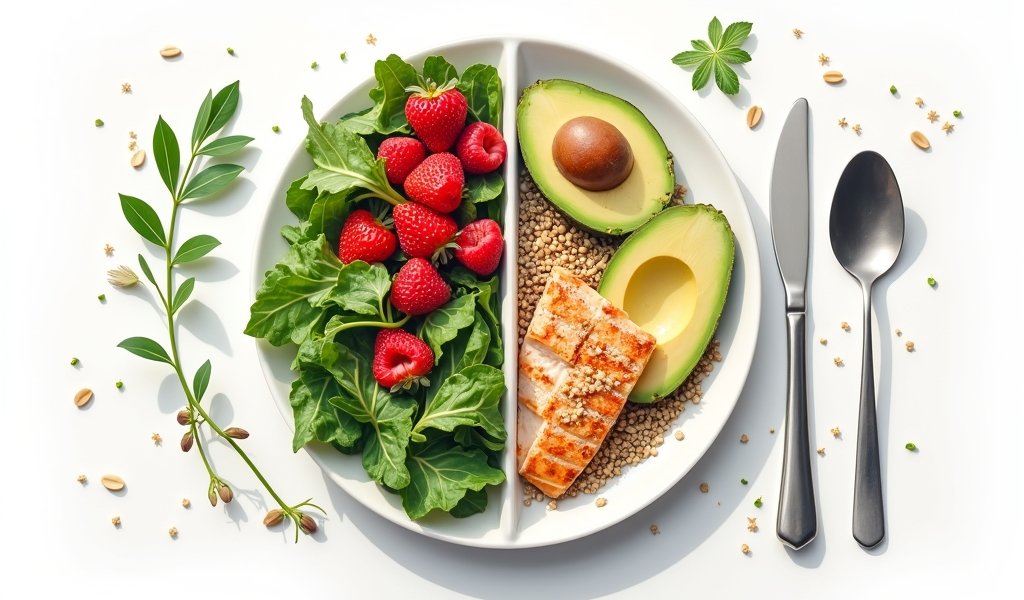
The Low Glycemic Index (GI) approach is often considered the gold standard PCOS diet for weight loss because it directly addresses insulin resistance—a key driver of PCOS symptoms. This diet focuses on foods that cause a slower, more gradual rise in blood sugar rather than the sharp spikes that can worsen insulin resistance.
Foods with a low GI score (55 or less) include most non-starchy vegetables, some fruits like berries and apples, legumes, and whole grains like steel-cut oats and quinoa. Medium GI foods (56-69) should be consumed in moderation, while high GI foods (70+) like white bread, processed cereals, and sugary treats are best minimized.
A landmark study in the Journal of Clinical Endocrinology & Metabolism found that women with PCOS who followed a low-GI diet for just 12 weeks showed significant improvements in insulin sensitivity and more regular menstrual cycles compared to those on a conventional healthy diet with the same calorie content.
When implementing a low-GI approach, focus on these principles:
- Choose complex carbohydrates over simple ones (brown rice instead of white)
- Pair carbohydrates with protein and healthy fats to further slow digestion
- Include plenty of fiber from vegetables, fruits, and whole grains
- Space your meals throughout the day rather than eating large amounts at once
A typical low-GI day might include eggs with avocado and berries for breakfast, a nutrient-dense smoothie for a snack, a chickpea and vegetable salad with olive oil for lunch, and salmon with quinoa and roasted vegetables for dinner.
The Anti-Inflammatory Approach for PCOS
Inflammation plays a significant role in PCOS, often working hand-in-hand with insulin resistance to worsen symptoms. An anti-inflammatory PCOS diet for weight loss focuses on foods that naturally calm inflammation while eliminating those that may trigger it.
The cornerstone of this approach is emphasizing antioxidant-rich foods like colorful fruits and vegetables, which help neutralize free radicals and reduce oxidative stress. Omega-3 fatty acids found in fatty fish, walnuts, and flaxseeds are particularly beneficial for their powerful anti-inflammatory properties.
Foods to embrace on an anti-inflammatory plan include:
- Fatty fish like salmon, mackerel, and sardines
- Colorful vegetables and fruits, especially berries and leafy greens
- Nuts and seeds, particularly walnuts and flaxseeds
- Herbs and spices like turmeric, ginger, and cinnamon
- Green tea and other antioxidant-rich beverages
Conversely, it’s important to minimize inflammatory triggers such as refined carbohydrates, sugary foods, processed meats, and trans fats. Many women with PCOS also find benefits in identifying personal food sensitivities—common culprits include dairy and gluten—and removing these from their diet.
A study published in the European Journal of Clinical Nutrition found that women with PCOS who followed an anti-inflammatory diet showed reduced levels of inflammatory markers and improved hormone profiles after just eight weeks. Beyond weight management, participants reported improvements in skin conditions like acne and reduced fatigue.
Mediterranean Diet and PCOS
The Mediterranean diet consistently ranks as one of the healthiest eating patterns globally, and it offers particular benefits for women seeking a PCOS diet for weight loss. This approach combines the best elements of low-GI and anti-inflammatory eating in a balanced, sustainable framework that’s been studied extensively.
At its heart, the Mediterranean diet emphasizes:
- Abundant plant foods including fruits, vegetables, legumes, and nuts
- Olive oil as the primary fat source
- Moderate amounts of fish and seafood
- Limited red meat consumption
- Moderate wine intake (though this is optional, especially if alcohol affects your symptoms)
Research in the Human Reproduction Update found that women with PCOS who adopted Mediterranean-style eating showed improvements in insulin sensitivity and reductions in androgen levels—key factors in managing PCOS symptoms. The high fiber content and healthy fat profile help stabilize blood sugar and reduce inflammation simultaneously.
What makes this approach particularly appealing is its flexibility and focus on enjoyment of food rather than restriction. It’s more a lifestyle than a diet, which can make it easier to maintain long-term. The emphasis on social aspects of eating also supports mental wellbeing—an important consideration for women dealing with the emotional impact of PCOS.
Try incorporating Mediterranean principles by drizzling olive oil over vegetables, adding a handful of nuts to your meals, or replacing a meat-centered dinner with a fish-based one twice weekly. These small changes can add up to significant benefits for your PCOS symptoms and weight management efforts.
The DASH Diet for PCOS
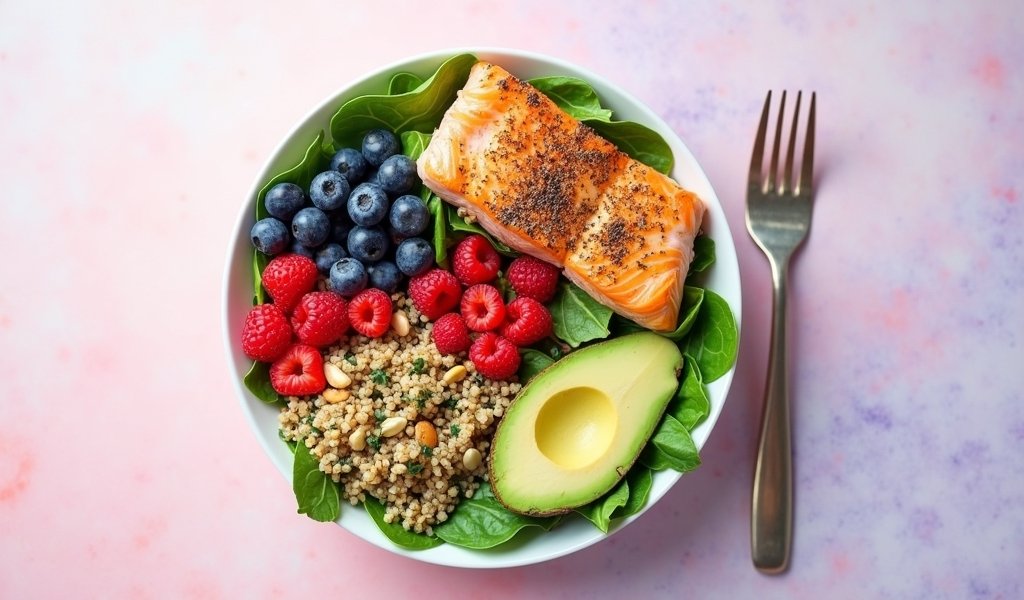
Originally designed to combat hypertension, the Dietary Approaches to Stop Hypertension (DASH) diet has shown promising results for women with PCOS. This eating plan emphasizes fruits, vegetables, whole grains, lean proteins, and low-fat dairy while limiting sodium, added sugars, and saturated fats.
A randomized controlled trial published in the Journal of Hormone and Metabolic Research found that women with PCOS who followed the DASH diet for eight weeks experienced significant improvements in insulin resistance and inflammation markers compared to those following a standard diet with the same calorie content.
The DASH approach naturally supports a PCOS diet for weight loss by:
- Promoting steady blood sugar through balanced meals
- Providing abundant nutrients that may be depleted in PCOS
- Supporting healthy blood pressure (which can be affected by insulin resistance)
- Offering a structured but flexible framework for meal planning
A typical DASH meal pattern includes 4-5 servings of both fruits and vegetables daily, 2-3 servings of low-fat dairy, 6-8 servings of whole grains, and limited lean protein. This balanced approach provides ample fiber and nutrients while naturally moderating calorie intake.
The DASH diet can be particularly beneficial if you’re dealing with PCOS alongside cardiovascular concerns or family history of heart disease. Its emphasis on portion control and food groups rather than strict calorie counting also makes it accessible for those who find highly restrictive diets challenging.
Low-Carb and Ketogenic Approaches
Low-carbohydrate diets, including the ketogenic diet, have gained attention for PCOS management due to their powerful effects on insulin levels. By restricting carbohydrates—typically to under 100g daily for low-carb or under 50g for keto—these approaches can help reduce insulin production and potentially improve hormone balance.
A 2019 study in Nutrients found that women with PCOS who followed a ketogenic diet for 12 weeks experienced significant weight loss, improved hormonal profiles, and even restored menstrual cyclicity in previously amenorrheic women.
The potential benefits of a low-carb PCOS diet for weight loss include:
- Rapid reduction in insulin levels
- Decreased hunger and food cravings due to stabilized blood sugar
- Potential benefits for fertility and menstrual regularity
- Often quicker initial weight loss, which can be motivating
However, these approaches aren’t without considerations. Very low-carb diets can be challenging to sustain long-term, may require careful planning to ensure nutrient adequacy, and might not work well for highly active individuals. Some women also report changes in menstrual cycles when first adapting to ketosis.
If you’re considering a high-protein, low-carb approach, start with moderate carbohydrate restriction before progressing to stricter limits. Focus on nutrient-dense carb sources like non-starchy vegetables and berries while emphasizing healthy fats from avocados, nuts, seeds, and olive oil. Regular monitoring with your healthcare provider is particularly important with this approach.
Practical Meal Planning for PCOS
Translating dietary principles into daily meals can be the most challenging part of implementing a PCOS diet for weight loss. Rather than feeling overwhelmed by complete diet overhauls, focus on building meals that balance your blood sugar while providing satisfying flavors and textures.
A helpful framework is the “plate method”—aim to fill:
- Half your plate with non-starchy vegetables
- One-quarter with lean protein
- One-quarter with complex carbohydrates
- Add a small amount of healthy fat
This natural portion control method ensures you’re getting fiber-rich vegetables, blood-sugar stabilizing protein, and just enough complex carbs to fuel your body without spiking insulin. A balanced calorie approach like this helps create a gentle deficit for weight loss without triggering metabolic adaptations that can stall progress.
Some PCOS-friendly meal ideas include:
- Breakfast: Greek yogurt with berries, cinnamon, and chopped nuts
- Lunch: Large salad with mixed greens, grilled chicken, chickpeas, avocado, and olive oil dressing
- Dinner: Baked salmon with roasted Brussels sprouts and sweet potato
- Snacks: Apple slices with almond butter or hummus with vegetable sticks
Meal timing can also impact PCOS symptoms. Many women benefit from eating smaller, more frequent meals rather than three large ones. This approach helps prevent blood sugar spikes and crashes while keeping energy levels stable throughout the day.
Remember that consistency matters more than perfection. Finding a sustainable pattern you can maintain through different life circumstances—busy workdays, social events, travel—will yield better long-term results than strict adherence to an unsustainable plan.
Beyond Diet: Lifestyle Considerations
While diet is fundamental to managing PCOS and supporting weight loss, it works best as part of a holistic approach. Several lifestyle factors significantly influence your hormonal balance and weight management efforts.
Regular physical activity complements your PCOS diet for weight loss by improving insulin sensitivity independent of weight changes. A combination of strength training and moderate cardio tends to yield the best results for women with PCOS. Strength training builds metabolically active muscle tissue, while activities like walking, swimming, or cycling support cardiovascular health without triggering excessive stress responses.
Sleep quality profoundly affects hormonal balance. Just one night of poor sleep can worsen insulin resistance. Aim for 7-9 hours of quality sleep, and consider implementing a consistent sleep schedule and electronics-free bedtime routine.
Stress management is equally crucial, as chronic stress elevates cortisol levels, which can worsen insulin resistance and promote abdominal fat storage. Techniques like meditation, yoga, deep breathing, or simply scheduled downtime can help mitigate these effects.
Lastly, consider appropriate supplements after consulting with your healthcare provider. Common deficiencies in PCOS include vitamin D, magnesium, zinc, and inositol—a B-vitamin-like compound that has shown promising results for improving insulin sensitivity and egg quality in women with PCOS.
Conclusion
Finding the right PCOS diet for weight loss is a personal journey that requires patience, experimentation, and self-compassion. Whether you choose a low-GI approach, Mediterranean-style eating, or another framework discussed here, the key principles remain consistent: stabilize blood sugar, reduce inflammation, and provide your body with the nutrients it needs to thrive.
Remember that weight loss with PCOS may happen more slowly than for women without this condition—and that’s okay. The sustainable changes you’re making are improving your hormonal health, fertility potential, and long-term wellbeing beyond what the scale reflects.
Consider working with healthcare providers knowledgeable about PCOS, such as reproductive endocrinologists, registered dietitians with PCOS expertise, or functional medicine practitioners. These professionals can help personalize your approach based on lab work and your specific symptom profile.
Most importantly, view your dietary changes as acts of self-care rather than restriction. Each nourishing meal is an investment in your health and a step toward managing your PCOS effectively. With consistency and the right approach, you can achieve meaningful improvements in both your symptoms and quality of life.
Frequently Asked Questions
How fast can I lose weight on a PCOS diet?
Healthy weight loss with PCOS typically ranges from 0.5-2 pounds per week. Remember that even modest weight loss of 5-10% of your body weight can significantly improve PCOS symptoms and hormonal balance.
Can I ever eat carbs with PCOS?
Yes, quality carbohydrates from whole foods are beneficial for most women with PCOS. Focus on complex carbs like vegetables, legumes, and whole grains while limiting refined carbs and added sugars.
Is intermittent fasting good for PCOS?
Some women with PCOS benefit from gentle forms of intermittent fasting like 12-14 hour overnight fasts. However, more restrictive fasting protocols may increase stress hormones in some women, potentially worsening symptoms.
Should I avoid dairy with PCOS?
This varies by individual—some women with PCOS report improved symptoms when eliminating dairy, while others tolerate it well. Consider a 30-day elimination trial to determine your personal response.
How much protein should I eat with PCOS?
Most women with PCOS benefit from slightly higher protein intake, around 25-30% of total calories or 1.2-1.6g per kg of body weight daily. Adequate protein helps stabilize blood sugar, preserve muscle mass, and increase satiety.