

Overview
Lettuce is a nutritional powerhouse for weight loss, containing just 5-10 calories per cup while providing essential vitamins (K, A, C, folate), minerals, fiber, and high water content (95%) that promotes satiety and hydration. The article highlights seven weight-loss benefits of lettuce—including its ability to control blood sugar, support metabolism, and act as a natural detoxifier—and offers practical ways to incorporate different varieties (romaine, iceberg, butterhead) into meals through recipes, wraps, and salads.
Table of Contents
- Lettuce Nutrition: Nature’s Weight Loss Secret
- The Impressive Nutritional Profile of Lettuce
- 7 Proven Weight Loss Benefits of Lettuce
- Different Types of Lettuce and Their Nutritional Benefits
- Best Ways to Include Lettuce in Your Diet
- Simple and Delicious Lettuce Recipes
- Important Considerations When Adding Lettuce to Your Diet
- Conclusion
- Frequently Asked Questions
Lettuce Nutrition: Nature’s Weight Loss Secret
As a nutritionist who’s spent over a decade helping clients transform their health, I’ve seen countless “superfoods” come and go. But there’s one humble vegetable that consistently deserves more attention for its impressive nutritional profile and weight management benefits: lettuce. When a new client came to me last year struggling with weight loss despite trying numerous trendy diets, I suggested something that surprised her – eating more lettuce. Six months later, she’d lost 18 pounds and felt more energetic than ever.
What makes lettuce such a nutritional powerhouse? Let’s dive into the lettuce nutrition facts that make this leafy green a secret weapon for weight loss. Far from just being a bland salad base, lettuce offers an impressive array of vitamins, minerals, and plant compounds that support not only weight management but overall health.
The beauty of lettuce lies in its versatility, low calorie content, and surprising nutritional density. Whether you’re enjoying a crisp romaine in your Caesar salad or experimenting with buttery Boston lettuce wraps, you’re doing your body a tremendous favor. Let’s explore the science-backed benefits that make lettuce a nutritional superstar for anyone looking to shed pounds healthily.
The Impressive Nutritional Profile of Lettuce
Before we dive into weight loss benefits, let’s understand what makes lettuce so nutritionally valuable. The lettuce nutrition facts reveal it’s far more than just water and fiber (though it excels in both)!
For just 5-10 calories per cup (depending on variety), lettuce delivers:
- Vitamin K: One cup provides over 100% of your daily needs for blood clotting and bone health
- Vitamin A: Essential for vision, immune function, and cellular growth
- Folate: Important for cell division and DNA synthesis
- Vitamin C: Supports immune function and collagen production
- Manganese: Involved in metabolism and antioxidant function
- Potassium: Helps maintain proper fluid balance and nerve signals
- Fiber: Promotes satiety and digestive health
What truly fascinates me about lettuce is its impressive water content – typically around 95%. This makes it exceptionally hydrating while providing essential nutrients. As research published in Nutrients indicates, foods with high water content can significantly increase feelings of fullness while providing fewer calories.
Lettuce also contains beneficial plant compounds like lutein and zeaxanthin, which support eye health, and various antioxidants that help combat oxidative stress in the body. The darker the lettuce variety, the higher the concentration of these beneficial compounds – that’s why I often encourage my clients to choose romaine or red leaf varieties over iceberg when possible.
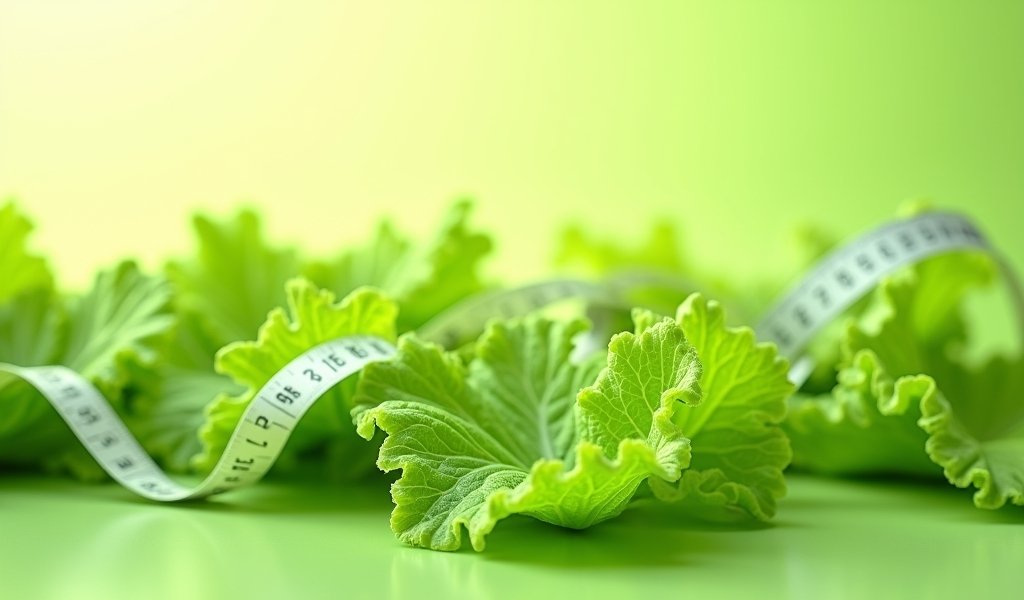
7 Proven Weight Loss Benefits of Lettuce
Now for the exciting part: how lettuce nutrition facts translate to real weight loss benefits. Here are seven science-backed ways lettuce can help you shed pounds:
1. Extremely Low in Calories
Let’s start with the obvious: lettuce is incredibly low in calories. A generous 2-cup serving typically contains just 10-20 calories, making it one of the lowest-calorie foods you can eat. This allows you to feel physically full without consuming significant calories – what I call “volumetric eating” with my clients. You can literally eat bowls of lettuce without derailing your calorie goals.
2. High Water Content Promotes Satiety
The 95% water content in lettuce isn’t just good for hydration – it’s a secret weapon for feeling full. This high water content gives lettuce volume, helping to fill your stomach and trigger stretch receptors that signal satiety to your brain. I often recommend starting meals with a lettuce-based salad for this very reason – many clients report eating less of their main course as a result.
3. Rich in Fiber for Digestive Health
While not as fiber-rich as some other vegetables, lettuce still provides valuable fiber that supports digestive health and regular bowel movements. This fiber, combined with water content, helps prevent constipation and promotes a healthy gut microbiome, which emerging research suggests plays a role in weight management. Consistently incorporating lettuce into your Mediterranean diet breakfast can be an excellent way to increase your daily fiber intake.
4. Contains Compounds That Support Metabolism
Certain varieties of lettuce contain compounds that may support metabolic health. For example, the chromium found in romaine lettuce helps regulate blood sugar and can reduce cravings. Meanwhile, the B vitamins in lettuce support energy metabolism, helping your body efficiently convert food into fuel rather than storing it as fat.
5. Helps Control Blood Sugar Levels
The fiber in lettuce slows the absorption of sugars into the bloodstream, helping to prevent blood sugar spikes and crashes that can lead to hunger and cravings. This glycemic regulation is crucial for weight management, as stable blood sugar levels help maintain steady energy and reduce the likelihood of overeating.
6. Acts as a Natural Detoxifier
The chlorophyll in lettuce (especially in darker varieties) supports your body’s natural detoxification processes by binding to potential carcinogens. While “detoxing” has become a marketing buzzword, the legitimate detoxification support from leafy greens like lettuce helps your liver process nutrients more efficiently and may support overall metabolic health.
7. Provides Nutrients Without the Calories
Perhaps most importantly, lettuce allows you to consume essential vitamins and minerals without consuming many calories. This nutrient density is crucial during weight loss, when lower calorie intake can sometimes lead to nutrient deficiencies. The vitamin K, vitamin A, and folate in lettuce support overall health while you’re reducing calories elsewhere.
According to research in the Journal of the American Dietetic Association, people who regularly consume salads and raw vegetables like lettuce tend to have higher intakes of key nutrients and lower body weights. It’s this combination of low calories and high nutritional value that makes lettuce an ideal weight loss food.
Different Types of Lettuce and Their Nutritional Benefits
Not all lettuce is created equal! The lettuce nutrition facts vary significantly between varieties. Let me walk you through the most common types and their unique benefits:
Romaine Lettuce
My personal favorite for nutrition, romaine contains the highest levels of folate, vitamin C, and vitamin K among common lettuce varieties. With its sturdy leaves and satisfying crunch, romaine provides more fiber than iceberg while offering a mild, versatile flavor. It’s my go-to recommendation for weight loss clients due to its impressive nutrient density.
Iceberg Lettuce
While often dismissed as nutritionally inferior, iceberg still has merit – especially for those new to vegetables. Its high water content (96%) and mild flavor make it incredibly refreshing and accessible. Though lower in vitamins than darker varieties, iceberg still provides hydration, fiber, and a satisfying crunch with minimal calories. For weight loss beginners, sometimes iceberg is the gateway to developing a salad habit!
Green Leaf Lettuce
This ruffled, loose-leaf variety offers more nutrition than iceberg with a similarly mild flavor. Green leaf provides good amounts of vitamin A, folate, and vitamin K. Its tender texture makes it ideal for sandwiches and wraps, where it adds volume and nutrition without overwhelming other ingredients.
Red Leaf Lettuce
The reddish tint comes from anthocyanins – powerful antioxidants linked to heart health and inflammation reduction. Red leaf varieties tend to provide slightly more vitamin A and antioxidants than their green counterparts. The color is a visual reminder that you’re consuming powerful phytonutrients that support overall health.
Butterhead Lettuce (Boston or Bibb)
With their soft, buttery texture, these varieties are lower in fiber but offer good amounts of vitamin A and folate. Their tender leaves make excellent low-calorie wraps, perfect for those following carb-conscious weight loss plans. One of my clients lost significant weight by replacing taco shells with butterhead lettuce cups!
Arugula (Technically a Cruciferous Vegetable)
While botanically different from lettuce, arugula is often used similarly. It provides exceptional nutrition with significant amounts of calcium, vitamin K, and beneficial glucosinolates that may support detoxification and cellular health. Its peppery flavor adds dimension to salads and makes an excellent nutritional boost when mixed with milder lettuces.
I typically recommend my clients incorporate a variety of lettuces throughout the week to maximize their nutritional benefits. The darker and more colorful the lettuce, generally the higher its nutrient content – but even iceberg has its place in a weight loss plan. Mixing varieties also prevents palate fatigue and ensures you’re getting a spectrum of beneficial plant compounds.
Best Ways to Include Lettuce in Your Diet
Knowing the lettuce nutrition facts is one thing – but how do you actually incorporate more of this beneficial vegetable into your daily routine? Here are my top recommendations from years of clinical practice:
Start Meals with a Simple Salad
Research shows that starting your meal with a simple lettuce-based salad can reduce overall calorie consumption by up to 12%. The fiber and water content help trigger early satiety signals, which can prevent overeating during the main course. I suggest a simple combination of mixed greens, a sprinkle of vinegar or lemon juice, and a teaspoon of olive oil as an appetite-moderating appetizer.
Use Lettuce Wraps Instead of Bread
Large romaine or butterhead lettuce leaves make excellent low-calorie alternatives to tortillas, bread, and wraps. This simple swap can save you 100-200 calories per meal while adding beneficial nutrients. Try using lettuce leaves to wrap up leftover protein, hummus, or even Mediterranean recipes for a light lunch option.
Add to Smoothies
Yes, you read that correctly! A handful of mild-flavored lettuce like green leaf or romaine can be blended into fruit smoothies without significantly altering the taste. This adds nutrition and fiber while contributing minimal calories. Start with one cup alongside your favorite fruits, and you’ll barely notice it’s there.
Layer into Sandwiches and Burgers
Don’t settle for a single leaf – really load up your sandwiches, burgers, and wraps with several layers of lettuce. This adds satisfying volume and crunch while displacing higher-calorie ingredients. The added water content also helps keep sandwich fillings moist and flavorful.
Make Lettuce the Base of Bowls
Instead of starting grain bowls with rice or other grains, use chopped lettuce as the base and add smaller portions of grains on top. This simple inversion can cut 100-200 calories while adding volume and nutrition. The lettuce absorbs flavors from dressings and toppings beautifully.
Snack on Lettuce “Chips”
For clients who crave crunch, I recommend romaine lettuce “chips” – the firm white ribs of romaine hearts provide a satisfying crunch for dipping into hummus, guacamole, or yogurt-based dips. This offers the physical satisfaction of chips with a fraction of the calories.
Simple and Delicious Lettuce Recipes
Let’s transform lettuce nutrition facts into delicious reality with these simple, weight-loss-friendly recipes that I regularly share with clients:
Asian-Inspired Lettuce Cups
This client favorite combines the satisfaction of takeout with the benefits of lettuce nutrition facts:
- 8 butterhead or romaine lettuce leaves, washed and dried
- 1/2 pound lean ground turkey or chicken
- 1 tablespoon low-sodium soy sauce
- 1 tablespoon rice vinegar
- 1 teaspoon grated ginger
- 1 clove minced garlic
- 1/4 cup diced water chestnuts
- 2 green onions, sliced
- Optional: sriracha or hot sauce to taste
Brown the meat with garlic and ginger, then add remaining ingredients. Serve spoonfuls in lettuce leaves for a high-protein, low-carb meal that’s surprisingly filling.
Mediterranean Chopped Salad
This nutrient-dense salad leverages lettuce nutrition facts while incorporating other Mediterranean diet staples:
- 4 cups chopped romaine lettuce
- 1/2 cucumber, diced
- 1/2 bell pepper, diced
- 10 cherry tomatoes, halved
- 1/4 red onion, thinly sliced
- 1/4 cup kalamata olives, pitted
- 2 ounces feta cheese, crumbled
- 1 tablespoon extra virgin olive oil
- 2 tablespoons lemon juice
- 1 teaspoon dried oregano
- Salt and pepper to taste
Combine all ingredients in a large bowl. The protein from cheese and healthy fats from olives and olive oil make this a complete meal that supports weight management goals.
Lettuce Soup
Don’t knock it until you’ve tried it! This warming soup is surprisingly delicious and maximizes lettuce nutrition facts:
- 1 head of lettuce (any variety works)
- 1 small potato, diced
- 1 leek, white part only, sliced
- 2 cups vegetable broth
- 1 tablespoon olive oil
- 1/4 cup plain Greek yogurt
- Salt and pepper to taste
Sauté leek in olive oil until soft. Add potato and broth, simmer until potato is tender. Add lettuce and cook just until wilted. Blend until smooth, then stir in yogurt. This surprisingly creamy soup offers the benefits of lettuce in a comforting format perfect for colder months.
Important Considerations When Adding Lettuce to Your Diet
While lettuce nutrition facts demonstrate clear benefits for weight loss, there are a few important considerations to keep in mind:
Pesticide Exposure
Conventionally grown lettuce sometimes appears on the Environmental Working Group’s “Dirty Dozen” list for pesticide residue. When possible, choose organic varieties or thoroughly wash conventional lettuce to minimize exposure. I recommend soaking lettuce in a solution of three parts water to one part white vinegar for 10 minutes, then rinsing thoroughly.
Food Safety
Lettuce has occasionally been implicated in foodborne illness outbreaks. Reduce risk by properly washing all varieties, storing in the refrigerator promptly, and consuming within 3-5 days of purchase. Pre-washed lettuce should be used by the “best by” date and should not be rewashed to avoid cross-contamination.
Balanced Nutrition
While lettuce supports weight loss, it shouldn’t be the only vegetable in your diet. A variety of vegetables ensures you’re getting the full spectrum of nutrients needed for optimal health. Think of lettuce as a foundation to build upon with other colorful produce.
Caloric Needs
Although lettuce is low in calories, be careful not to reduce your overall caloric intake too drastically. Sustainable weight loss requires adequate nutrition. Lettuce should replace higher-calorie foods, not be used as a means to skip meals. I always remind my clients that the goal is health first, with weight loss as a beneficial side effect.
Digestive Sensitivity
Some individuals with irritable bowel syndrome (IBS) or sensitive digestive systems may find raw lettuce difficult to digest. If this applies to you, try small amounts initially, opt for butter lettuce (which tends to be gentler on the system), or try cooked lettuce preparations like lettuce soup or wilted lettuce.
Conclusion
The impressive lettuce nutrition facts we’ve explored reveal why this humble vegetable deserves a prominent place in any weight loss journey. With its exceptional nutrient-to-calorie ratio, high water content, and versatility, lettuce offers a practical and effective tool for managing weight while supporting overall health.
Throughout my years as a nutritionist, I’ve seen simple additions like increasing lettuce consumption create remarkable changes in clients’ health trajectories. Whether you’re just beginning your weight loss journey or looking to overcome a plateau, the seven proven benefits of lettuce can help you achieve your goals without feeling deprived.
Remember that sustainable weight management isn’t about drastic measures – it’s about consistent, health-promoting choices. Lettuce provides an accessible entry point to better nutrition that almost anyone can implement immediately. From romaine to butterhead, each variety offers unique benefits worth exploring.
I encourage you to experiment with different lettuce varieties and preparation methods until you find combinations that genuinely excite your palate. Weight loss becomes infinitely more sustainable when the foods that support your goals are also foods you genuinely enjoy eating.
By understanding and applying the lettuce nutrition facts we’ve covered, you’re equipping yourself with knowledge that can transform not just your waistline, but your relationship with food and your long-term health outcomes.
Frequently Asked Questions
Which type of lettuce has the most nutrition?
Romaine lettuce typically provides the highest nutritional value, containing more vitamins A and K, folate, and antioxidants than other varieties. Red leaf lettuce comes in second due to its additional anthocyanin content.
Is lettuce good for losing belly fat specifically?
While no food targets fat loss in specific areas, lettuce’s low calorie content and high fiber can contribute to overall fat loss, including abdominal fat. Its water content helps reduce bloating, which can make the stomach area appear flatter.
How many calories are in a cup of lettuce?
A cup of lettuce contains approximately 5-10 calories, depending on the variety. Romaine has about 8 calories per cup, while iceberg contains around 5 calories.
Can you eat too much lettuce?
It’s difficult to eat too much lettuce from a caloric perspective, but extremely large amounts might cause digestive discomfort in some people. Ensure you’re not relying exclusively on lettuce at the expense of other nutrient-dense foods.
Does lettuce have any protein?
Lettuce contains small amounts of protein – approximately 0.5-1 gram per cup. While not a significant protein source, it contributes minimally to your daily protein intake when consumed in large quantities.