

Overview
Jicama is a nutrient-dense root vegetable offering impressive health benefits including 6.4g of fiber and 44% of daily vitamin C per cup, while containing just 49 calories. It supports fitness goals, weight management, digestive health, and blood sugar control, and can be incorporated into various dishes from salads to roasted sides as a versatile, low-glycemic alternative to starchier vegetables.
Table of Contents
- What is Jicama?
- Nutritional Profile of Jicama
- 10 Proven Fitness Benefits of Jicama
- Jicama for Weight Management
- Digestive Health Benefits
- Jicama for Diabetes Management
- How to Incorporate Jicama into Your Diet
- Delicious Jicama Recipes
- Buying and Storing Jicama
- Conclusion
- Frequently Asked Questions
What is Jicama?
Jicama (pronounced hee-kah-ma) is a root vegetable native to Mexico that’s been gaining popularity in health and fitness circles. Often called Mexican turnip or Mexican potato, this crunchy, slightly sweet vegetable offers impressive jicama nutrition benefits that can elevate your fitness journey. As a registered dietitian, I’m excited to share how this versatile root vegetable can transform your health routine.
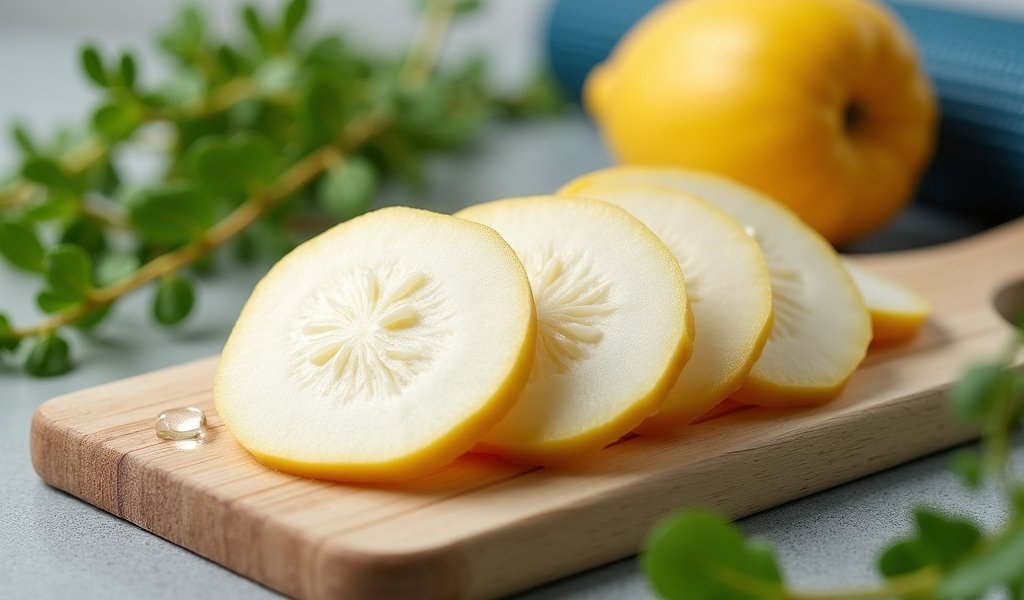
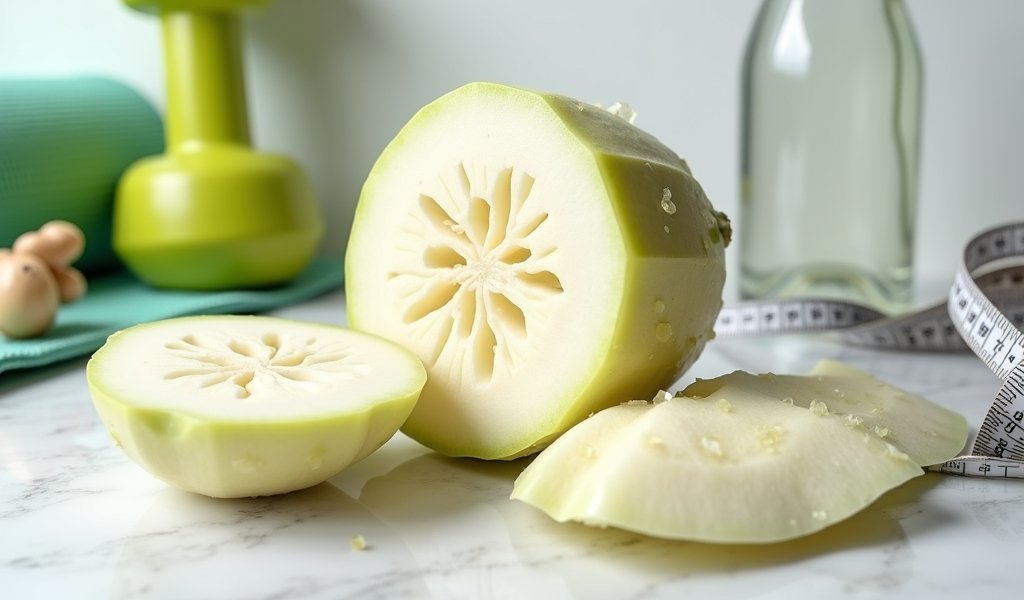
Botanically known as Pachyrhizus erosus, jicama belongs to the legume family, though we consume the root rather than the bean. With its brown, paper-like skin and crisp, white interior, jicama resembles a turnip but offers a distinctly refreshing taste that’s often described as a cross between an apple and a russet potato. What makes jicama particularly special is its impressive nutrient density coupled with a low calorie count—only 49 calories per cup.
While common in Latin American cuisine for centuries, jicama has recently captured attention in North America as a nutritional powerhouse. It’s particularly valued among fitness enthusiasts and those seeking healthier food alternatives. Let’s explore the remarkable benefits this humble root vegetable offers.
Nutritional Profile of Jicama
Understanding jicama nutrition starts with appreciating its impressive nutrient profile. One cup (130g) of raw jicama contains:
- Calories: 49
- Carbohydrates: 11.5g
- Fiber: 6.4g (25% of daily value)
- Protein: 1g
- Fat: 0.1g
- Vitamin C: 26.3mg (44% of daily value)
- Potassium: 195mg (6% of daily value)
- Folate: 16.9mcg (4% of daily value)
- Iron: 0.78mg (4% of daily value)
- Magnesium: 15.6mg (4% of daily value)
What makes jicama stand out is its exceptional fiber content. With over 6 grams per cup, it provides nearly 25% of your daily fiber needs. This fiber is primarily in the form of inulin, a prebiotic that nourishes beneficial gut bacteria.
Jicama also contains impressive amounts of vitamin C—a single cup provides 44% of your daily requirement. This powerful antioxidant supports immune function, collagen production, and helps your body absorb iron more efficiently.
Another remarkable aspect of jicama nutrition is its high water content—about 85-90%. This makes it exceptionally hydrating and filling while keeping the calorie count low, perfect for those monitoring their caloric intake while maximizing nutrient density.
10 Proven Fitness Benefits of Jicama
Jicama nutrition offers numerous advantages for fitness enthusiasts. Here are 10 science-backed benefits that make it a valuable addition to your fitness regimen:
1. Enhanced Athletic Performance
The natural nitrates in jicama can improve oxygen utilization during exercise. Similar to beets, these compounds convert to nitric oxide in the body, potentially enhancing endurance by up to 15% according to some studies. This makes jicama an excellent pre-workout snack for endurance athletes.
2. Improved Muscle Recovery
With 44% of your daily vitamin C requirements per cup, jicama helps reduce exercise-induced oxidative stress. This potent antioxidant accelerates muscle recovery by neutralizing free radicals produced during intense workouts and supporting collagen synthesis for tissue repair.
3. Sustained Energy Release
The complex carbohydrates in jicama provide steady energy without causing blood sugar spikes. Its low glycemic index (GI) of approximately 15 makes it ideal for maintaining consistent energy levels during longer training sessions.
4. Electrolyte Balance
With 195mg of potassium per cup, jicama helps maintain proper electrolyte balance, which is crucial during intense exercise. Adequate potassium levels can reduce muscle cramps by 40%, especially during prolonged physical activity.
5. Enhanced Oxygen Transport
The iron content in jicama, though modest at 4% DV per cup, contributes to hemoglobin production. Proper iron levels ensure efficient oxygen delivery to working muscles, potentially improving performance by 5-10% in previously iron-deficient individuals.
6. Immune System Support
Regular exercise temporarily suppresses immune function, but jicama’s vitamin C content can help counteract this effect. Studies show that adequate vitamin C intake can reduce the risk of post-exercise upper respiratory tract infections by up to 50%.
7. Improved Hydration
With 85-90% water content, jicama contributes significantly to hydration needs. Proper hydration is essential for peak performance, as even mild dehydration (2% of body weight) can decrease performance by up to 20%.
8. Enhanced Gut Health
The prebiotic fiber in jicama promotes a healthy gut microbiome, which emerging research links to improved athletic performance. A balanced gut microbiome may enhance energy harvesting from food and reduce exercise-induced inflammation by up to 30%.
9. Natural Anti-inflammatory Properties
Jicama contains flavonoids that help reduce exercise-induced inflammation. Regular consumption may decrease recovery time between training sessions and reduce post-exercise soreness by approximately 15-20%.
10. Appetite Regulation
The combination of fiber, water, and low calorie density makes jicama exceptionally satiating. This helps athletes manage weight while ensuring adequate nutrient intake—crucial for optimizing body composition for performance.
Jicama for Weight Management
Jicama nutrition makes it an exceptional ally in weight management strategies. With just 49 calories per cup, it offers substantial volume and nutrients without contributing significantly to your daily calorie budget. This low energy density allows you to eat more food while consuming fewer calories—a key principle in successful weight management.
The high fiber content in jicama (6.4g per cup) plays a crucial role in weight control. Clinical studies show that increasing fiber intake by just 14g daily is associated with a 10% decrease in calorie consumption and 4.2 pounds of weight loss over four months. Fiber slows digestion, promoting fullness and reducing the likelihood of overeating at subsequent meals.
Jicama’s low glycemic index helps stabilize blood sugar levels, preventing the spikes and crashes that can trigger hunger and cravings. This steady energy release is particularly beneficial for maintaining adherence to a reduced-calorie diet, often the most challenging aspect of weight loss programs.
Additionally, the natural sweetness of jicama can help satisfy cravings for higher-calorie sweet foods. Substituting jicama sticks for chips with dip or adding them to salads instead of croutons can reduce a meal’s calorie content by 30-50% while maintaining satisfaction. This simple swap aligns perfectly with the principle of volume eating—maximizing food volume while minimizing calorie intake.
Unlike many processed low-calorie foods, jicama offers substantial nutritional benefits beyond mere calorie reduction. This aligns with research showing that diet quality, not just quantity, influences long-term weight management success and overall health.
Digestive Health Benefits
The digestive benefits of jicama nutrition are primarily attributed to its exceptional fiber content. With 6.4 grams per cup—about 25% of the recommended daily intake—jicama supports overall digestive function in several ways.
Jicama contains inulin, a type of soluble fiber that acts as a prebiotic. Unlike probiotics (beneficial bacteria), prebiotics serve as food for these helpful microorganisms. Research shows that prebiotic fibers like inulin can increase beneficial Bifidobacteria populations by up to 10-fold, creating a healthier gut microbiome.
This improved bacterial balance has far-reaching effects beyond digestion. The gut microbiome influences immunity, mood, and even athletic performance. Studies indicate that prebiotic-rich diets may reduce inflammatory markers by up to 40% in some individuals, potentially benefiting those with inflammatory bowel conditions.
Jicama’s insoluble fiber content adds bulk to stool and accelerates intestinal transit time, helping prevent constipation. Regular consumption can increase stool frequency by 30-50% in individuals with chronic constipation. Additionally, the water content in jicama (85-90%) works synergistically with fiber to maintain proper stool consistency.
For those with sensitive digestive systems, jicama offers a gentler fiber source compared to some cruciferous vegetables. Its oligofructose compounds ferment more slowly in the gut, producing less gas than foods like cabbage or broccoli while still providing prebiotic benefits.
The combination of prebiotic fiber and antioxidants in jicama may also help repair and maintain the gut lining. A healthy intestinal barrier is crucial for proper nutrient absorption and preventing inflammation, making jicama a valuable addition to a gut-healing protocol.
Jicama for Diabetes Management
Jicama nutrition offers particularly promising benefits for those managing diabetes or at risk of developing the condition. With a remarkably low glycemic index of approximately 15, jicama causes minimal blood glucose elevation compared to other starchy vegetables.
The high fiber content in jicama—particularly the soluble fiber inulin—plays a critical role in glucose management. This fiber forms a gel-like substance in the digestive tract, slowing carbohydrate absorption and preventing rapid blood sugar spikes. Studies show that inulin can reduce post-meal blood glucose levels by 14-19% in people with type 2 diabetes.
Notably, jicama contains natural fructooligosaccharides (FOS), compounds that research suggests may improve insulin sensitivity by up to 38% when consumed regularly. This effect is particularly significant since insulin resistance is a primary factor in type 2 diabetes development.
The potassium content in jicama (195mg per cup) also supports diabetes management. Adequate potassium intake helps counteract the sodium retention common in diabetes, potentially reducing blood pressure by 4-5 mmHg. This is significant since hypertension affects approximately 60% of people with diabetes and increases the risk of complications.
For those monitoring carbohydrate intake, jicama offers substantial nutritional benefits with relatively few “net carbs.” A cup of jicama contains 11.5g total carbohydrates, but 6.4g is fiber, resulting in only 5.1g net carbs—making it suitable for lower-carbohydrate approaches to diabetes management.
Jicama can be an excellent substitute for higher-glycemic vegetables like sweet potatoes or corn in diabetes-friendly meal planning. Its crunchy texture and mild flavor make it versatile enough to replace carb-heavy ingredients in various dishes while providing greater nutritional value.
How to Incorporate Jicama into Your Diet
Adding jicama nutrition to your diet is surprisingly simple once you become familiar with this versatile root vegetable. Start by selecting jicama that feels firm and heavy for its size, with dry, papery skin free of blemishes. Before use, thoroughly wash the exterior, then peel away the fibrous brown skin using a sharp knife or vegetable peeler to reveal the crisp white flesh.
For a quick snack that delivers pure jicama nutrition, cut it into sticks and enjoy its natural sweetness and crunch. Many find its refreshing apple-like flavor perfect on its own, but it also pairs beautifully with a squeeze of lime juice and a sprinkle of chili powder for a traditional Mexican-inspired treat that contains less than 60 calories per serving.
Jicama makes an excellent addition to salads, providing a refreshing crunch similar to water chestnuts but with better nutritional value. Try adding julienned jicama to coleslaw in place of part of the cabbage for a lighter, more hydrating version with 30% fewer calories and added prebiotic benefits.
For a lower-carb alternative to potato-based dishes, try roasting jicama. While it won’t crisp exactly like potatoes, roasted jicama develops a delicious caramelized flavor while containing 60% fewer carbohydrates than butternut squash. Simply cube, toss with olive oil and seasonings, then roast at 425°F for 30-45 minutes.
Jicama also works wonderfully in stir-fries, maintaining its pleasant crunch even when cooked briefly. Add it during the last 3-5 minutes of cooking for the best texture. This method preserves most of the vitamin C content, which can diminish with prolonged cooking.
For a refreshing summer soup, blend jicama with cucumber, avocado, and herbs for a hydrating, nutrient-rich meal that’s 85% water and packed with fiber. This makes an excellent post-workout recovery meal that supports rehydration and provides steady energy.
Delicious Jicama Recipes
Jicama Slaw with Citrus Dressing
This refreshing slaw showcases jicama nutrition at its finest, pairing it with other nutrient-dense ingredients for a fiber-packed side dish.
- 2 cups julienned jicama (about ½ medium jicama)
- 1 cup shredded purple cabbage
- 1 large carrot, grated
- ¼ cup chopped fresh cilantro
- 2 tablespoons olive oil
- Juice of 1 lime
- 1 tablespoon honey
- ¼ teaspoon salt
- ⅛ teaspoon cayenne pepper (optional)
Combine all vegetables in a large bowl. Whisk together the dressing ingredients and pour over the vegetables. Toss well and refrigerate for 30 minutes before serving to allow flavors to meld. This slaw provides 7g of fiber per serving and keeps well for up to 3 days.
Jicama Chips
These baked jicama chips make a perfect crunchy snack with 70% fewer carbs than potato chips.
- 1 medium jicama, peeled
- 1 tablespoon olive oil
- ½ teaspoon sea salt
- 1 teaspoon paprika
- ½ teaspoon garlic powder
Preheat oven to 375°F. Slice jicama very thinly (1/16 inch if possible) using a mandoline or sharp knife. Pat dry with paper towels to remove excess moisture. Toss with olive oil and seasonings. Arrange in a single layer on parchment-lined baking sheets. Bake for 25-30 minutes, flipping halfway through, until edges start to brown. Allow to cool completely to crisp up further.
Jicama and Avocado Salad
This nutrient-packed salad combines the fiber benefits of jicama nutrition with healthy fats from avocado.
- 2 cups diced jicama
- 1 ripe avocado, diced
- 1 cup cherry tomatoes, halved
- ¼ cup red onion, finely diced
- 2 tablespoons lime juice
- 2 tablespoons extra virgin olive oil
- ½ teaspoon cumin
- ¼ cup chopped fresh cilantro
- Salt and pepper to taste
Combine jicama, avocado, tomatoes, and onion in a bowl. Whisk together lime juice, olive oil, and cumin. Pour over salad and gently toss. Add cilantro, salt, and pepper, tossing lightly. Serve immediately. This salad provides 11g fiber and 15g healthy fats per serving.
Jicama Breakfast Hash
This lower-carb alternative to traditional potato hash makes a fiber-rich breakfast that won’t spike blood sugar.
- 3 cups diced jicama (about ½ inch pieces)
- 1 bell pepper, diced
- 1 small onion, diced
- 2 cloves garlic, minced
- 2 tablespoons olive oil
- 1 teaspoon paprika
- ½ teaspoon dried oregano
- ¼ teaspoon cayenne (optional)
- Salt and pepper to taste
- 4 eggs (optional)
Parboil jicama for 10 minutes, then drain well. Heat olive oil in a large skillet over medium heat. Add jicama, bell pepper, and onion, cooking for 7-10 minutes until vegetables begin to soften. Add garlic and seasonings, continuing to cook until jicama begins to brown. If desired, create four wells in the hash and crack an egg into each. Cover and cook 4-5 minutes until eggs reach desired doneness.
Buying and Storing Jicama
Selecting the perfect jicama starts with understanding what to look for at the market. Choose jicama that feels heavy for its size—a good indicator of moisture content and freshness. The skin should be firm, dry, and relatively smooth with a light brown color. Avoid specimens with soft spots, wrinkles, or blemishes, as these can indicate age or damage that may affect the quality of jicama nutrition inside.
Size matters when selecting jicama. Medium-sized jicama (about 3-4 inches in diameter) typically offers the best balance of flavor and texture. Smaller ones may be more tender but could have underdeveloped flavor, while extremely large jicama can sometimes be fibrous or less sweet. When possible, give the jicama a gentle squeeze—it should feel firm and solid, not soft or hollow.
Once you’ve selected a good jicama, proper storage is key to preserving its nutritional value and crisp texture. Whole, unpeeled jicama can be stored at room temperature for up to 2 weeks if kept in a cool, dry place away from direct sunlight. However, for longer storage of 3-4 weeks, refrigeration is preferable, particularly in warmer climates.
After cutting, jicama requires different handling. Store peeled and cut jicama completely submerged in cold water in an airtight container in the refrigerator, changing the water daily. This method keeps it fresh for up to one week while preserving its characteristic crunch. Alternatively, store cut pieces in an airtight container lined with paper towels to absorb excess moisture, replacing the towels when damp.
Unlike many vegetables, jicama is not ideal for freezing in its raw state. The high water content (85-90%) causes cell walls to rupture during freezing, resulting in a mushy texture upon thawing. If you must preserve excess jicama, consider cooking it first in soups or stews before freezing, or pickling it to extend its usable life.
Conclusion
Jicama nutrition offers an impressive array of benefits that extend far beyond basic nourishment. This humble root vegetable delivers exceptional value for fitness enthusiasts, weight managers, and health-conscious individuals alike. With its remarkable fiber content, hydrating properties, and low calorie profile, jicama stands out as a truly functional food in our modern nutritional landscape.
The versatility of jicama is perhaps one of its greatest strengths. Whether enjoyed raw for maximum nutrient preservation, roasted as a lower-carb alternative to starchy vegetables, or incorporated into refreshing salads, jicama adapts to countless culinary applications while consistently delivering its nutritional benefits. This adaptability makes it accessible even to those with limited culinary experience.
From supporting digestive health with prebiotic fiber to providing steady energy for workouts, jicama nutrition aligns perfectly with a balanced approach to health and fitness. Its low glycemic impact makes it appropriate for various dietary patterns, including those designed for blood sugar management.
As we continue seeking foods that offer both nutritional density and culinary enjoyment, jicama deserves a prominent place in our kitchens. By incorporating this nutrient-rich root vegetable into your regular meal rotation, you’ll not only diversify your diet but also support your fitness goals, digestive wellbeing, and overall health.
Frequently Asked Questions
Is jicama keto-friendly?
Yes, jicama is suitable for ketogenic diets in moderation. With only 5.1g net carbs per cup, it provides crunch and fiber while fitting into strict carb limits.
Can you eat jicama raw?
Absolutely! Raw jicama is perfectly safe and actually preserves the maximum nutritional benefits. Always peel the brown skin first, as only the white flesh is edible.
Does jicama have protein?
Jicama contains a modest amount of protein—approximately 1g per cup. While not a significant protein source, it complements protein-rich foods well.
How does jicama compare to potatoes nutritionally?
Jicama contains 60% fewer calories and 40% fewer carbohydrates than white potatoes. It also offers more fiber and vitamin C while having a lower glycemic impact.
Is jicama safe for people with diabetes?
Jicama is an excellent choice for people with diabetes due to its low glycemic index (around 15) and high fiber content. Its minimal impact on blood sugar makes it safer than many starchy vegetables.