

Overview
Japanese sweet potatoes offer exceptional fitness and health benefits with their unique nutritional profile of complex carbohydrates, fiber, antioxidants, and essential vitamins and minerals. They support sustained energy during workouts, enhance recovery, aid weight management, improve gut health, and can be prepared in various ways to preserve nutrients, making them a versatile staple for athletes and fitness enthusiasts.
Table of Contents
- What Are Japanese Sweet Potatoes?
- Nutritional Profile of Japanese Sweet Potatoes
- 5 Fitness Benefits of Japanese Sweet Potatoes
- Japanese Sweet Potatoes for Weight Management
- Gut Health and Digestive Benefits
- Best Cooking Methods to Preserve Nutrients
- Fitness-Friendly Japanese Sweet Potato Recipes
- How Do They Compare to Other Potatoes?
- Conclusion
- Frequently Asked Questions
What Are Japanese Sweet Potatoes?
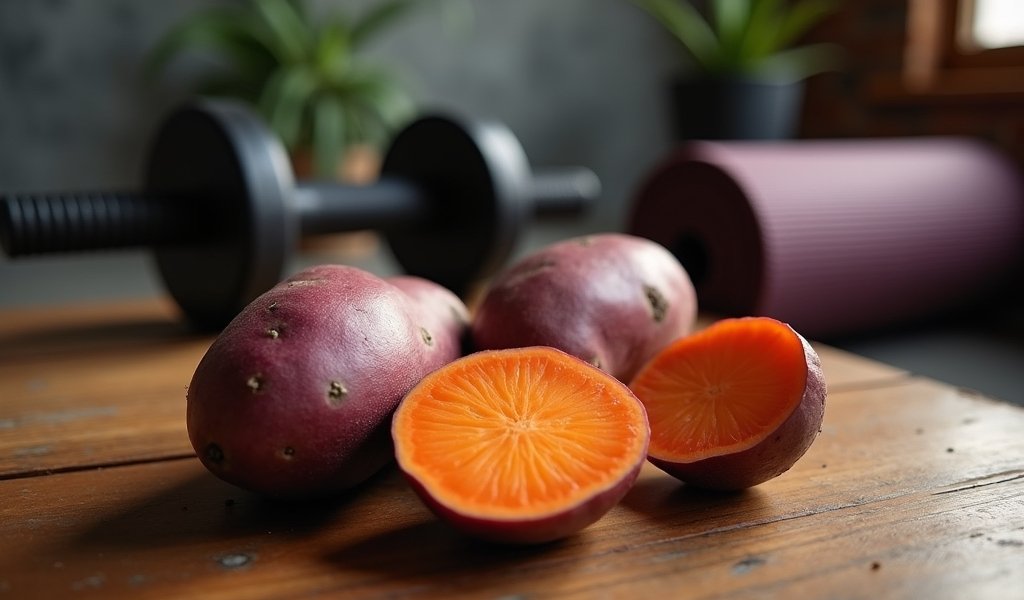
Japanese sweet potatoes (Ipomoea batatas) stand apart from their orange cousins with their distinct purple skin and creamy white flesh that turns golden when cooked. As a clinical nutritionist, I’ve observed increasing interest in japanese sweet potato nutrition among fitness enthusiasts, and for good reason. These nutrient-dense tubers have been a staple in Japanese cuisine for centuries, particularly in Okinawa, where they’re associated with longevity and optimal health.
Originally from Central and South America, these vibrant root vegetables made their way to Japan in the 1600s and have since become an integral part of the country’s food culture. Also known as Satsumaimo, they offer a uniquely sweet, chestnut-like flavor that intensifies when cooked, making them a delicious addition to both savory and sweet dishes.
What sets Japanese sweet potatoes apart isn’t just their taste but also their impressive nutritional density. Their rich antioxidant content and favorable macronutrient profile make them particularly valuable for those pursuing fitness goals. Unlike many starchy foods that athletes sometimes avoid, these purple-skinned beauties offer complex carbohydrates that provide sustained energy without the blood sugar spikes associated with simple carbs.
Nutritional Profile of Japanese Sweet Potatoes
Japanese sweet potatoes pack an impressive nutritional punch that makes them stand out in the world of fitness nutrition. A medium-sized Japanese sweet potato (about 130g) contains approximately:
- Calories: 130
- Carbohydrates: 30g
- Fiber: 4.5g
- Protein: 2g
- Fat: 0.1g
- Vitamin A: 1,150 IU (23% DV)
- Vitamin C: 22mg (37% DV)
- Potassium: 450mg (13% DV)
- Manganese: 0.6mg (30% DV)
- Vitamin B6: 0.3mg (15% DV)
- Copper: 0.2mg (10% DV)
The japanese sweet potato nutrition profile reveals they’re particularly rich in complex carbohydrates that provide sustained energy. These aren’t the simple carbs that cause rapid blood sugar spikes—they’re the kind that fuel your workouts and support recovery. With nearly 5 grams of fiber per serving, they also support digestive health and promote satiety, making them valuable for athletes managing their weight.
One of the most remarkable aspects of Japanese sweet potatoes is their antioxidant content. The purple skin contains anthocyanins—powerful plant compounds that research shows fight inflammation and oxidative stress. This is particularly beneficial for athletes, as intense training naturally increases oxidative stress in the body.
Their vitamin and mineral content shouldn’t be overlooked either. The substantial vitamin C contributes to immune function and collagen production, while potassium helps maintain proper muscle function and hydration—critical factors for anyone engaged in regular exercise. The combination of these nutrients creates a food that’s tailor-made for supporting an active lifestyle.

5 Fitness Benefits of Japanese Sweet Potatoes
1. Optimal Energy for Workouts
Japanese sweet potatoes provide exceptional workout fuel through their complex carbohydrate content. These carbs convert to glucose more slowly than simple sugars, offering steady, sustained energy that can power you through high-intensity training sessions. I often recommend them to my endurance athlete clients as pre-workout fuel consumed 1-2 hours before training.
The beauty of japanese sweet potato nutrition for fitness enthusiasts lies in their low glycemic index, which helps maintain stable blood sugar levels during extended exercise. This translates to fewer energy crashes and more consistent performance, particularly during longer training sessions or endurance events.
2. Enhanced Recovery Support
Post-workout recovery is where Japanese sweet potatoes truly shine. Their carbohydrate content helps replenish depleted glycogen stores, while their potassium content aids in preventing muscle cramps and supporting proper muscle function. When paired with a quality protein source, they create the perfect recovery meal to jumpstart the repair process.
The antioxidants in these vibrant tubers also play a crucial role in recovery by combating exercise-induced inflammation. By incorporating them into your Mediterranean diet breakfast or post-workout meals, you can potentially reduce muscle soreness and accelerate your return to peak performance.
3. Muscle-Building Support
While not a protein powerhouse themselves, Japanese sweet potatoes complement muscle-building efforts in several ways. Their carbohydrates trigger insulin release, which helps shuttle amino acids into muscle cells for repair and growth. This makes them an excellent carb source to pair with protein after strength training.
Additionally, their vitamin B6 content supports protein metabolism and the creation of new cells, including muscle tissue. For natural bodybuilders and strength athletes looking for clean carb sources to support hypertrophy, these purple-skinned potatoes offer nutritional advantages over more processed carb options.
4. Improved Endurance Performance
Endurance athletes can particularly benefit from japanese sweet potato nutrition. Their fiber content slows digestion, providing a time-released source of energy that’s ideal for long-duration activities. Many ultramarathon runners and triathletes I’ve worked with incorporate them into their fueling strategies with excellent results.
The potassium content (about 450mg per medium potato) helps maintain proper electrolyte balance during prolonged sweating, potentially reducing the risk of performance-limiting muscle cramps. This natural source of electrolytes works alongside your regular hydration strategy to support optimal endurance performance.
5. Immune System Support
Maintaining immune function is crucial for consistent training progress, and Japanese sweet potatoes offer significant immune-supporting nutrients. Their vitamin C content (about 37% of your daily needs) supports the immune system that can become compromised during periods of intense training.
The combination of vitamin A precursors and antioxidant compounds further enhances immune protection. This immune support is particularly valuable during heavy training blocks or competition seasons when the body is under increased stress and may be more susceptible to illness.
Japanese Sweet Potatoes for Weight Management
Japanese sweet potatoes offer several unique advantages for those looking to manage their weight while maintaining athletic performance. Their high fiber content (approximately 4.5g per medium potato) creates a pronounced satiety effect that helps control hunger and reduce overall caloric intake. I’ve observed many clients naturally eat less throughout the day when incorporating these satisfying tubers into their meals.
Despite being a carbohydrate-rich food, japanese sweet potato nutrition supports weight management through their impressive resistant starch content. This special type of carbohydrate resists digestion in the small intestine and functions more like fiber, potentially improving fat oxidation and reducing fat storage. Research suggests resistant starch may help improve insulin sensitivity, which is crucial for healthy body composition.
Their relatively low caloric density (about 130 calories per medium potato) allows for satisfying portion sizes without excessive calories. This makes them particularly valuable during cutting phases or weight management periods when maintaining muscle fullness and training performance while in a caloric deficit presents challenges.
For those following Mediterranean recipes and eating patterns, Japanese sweet potatoes integrate seamlessly into this heart-healthy approach while supporting weight management goals. Their natural sweetness can also help satisfy sweet cravings in a nutritious way, potentially reducing intake of less nutritious desserts and processed foods.
Gut Health and Digestive Benefits
The gut health benefits of Japanese sweet potatoes make them particularly valuable for athletes, as optimal digestion and nutrient absorption directly impact performance and recovery. Their prebiotic fiber content serves as food for beneficial gut bacteria, supporting a healthy microbiome that improves overall digestive function and nutrient utilization.
Research suggests that the resistant starch in japanese sweet potato nutrition may help reduce inflammation in the digestive tract. This anti-inflammatory effect is especially beneficial for athletes who may experience gut issues during intense training periods or competition. Many of my clients who struggle with exercise-induced digestive discomfort report improvement when incorporating these gentle root vegetables regularly.
The fiber in Japanese sweet potatoes supports regular elimination, which is important not just for comfort but for removing metabolic waste products that can impair recovery. Their natural sweetness and easy digestibility make them an excellent carbohydrate choice even for those with sensitive digestive systems who might struggle with other dense carb sources.
For athletes following specialized diets, Japanese sweet potatoes offer versatility and digestive compatibility. They work well within paleo, whole food plant-based, and Mediterranean dietary approaches, providing crucial carbohydrates without the digestive issues sometimes associated with grains or legumes. This makes them a valuable staple for those with dietary restrictions who need reliable fuel sources.
Best Cooking Methods to Preserve Nutrients
How you prepare Japanese sweet potatoes significantly impacts their nutritional value and fitness benefits. Steaming these vibrant tubers preserves more water-soluble vitamins like B vitamins and vitamin C compared to boiling, where nutrients can leach into the cooking water. I recommend steaming for 15-20 minutes until fork-tender for optimal nutrient retention.
Roasting Japanese sweet potatoes intensifies their natural sweetness through caramelization while maintaining their fiber content. For the best japanese sweet potato nutrition preservation when roasting, keep the skin on and cook at 400°F (205°C) for about 45 minutes. The skin not only contains valuable nutrients but also helps protect the flesh from oxidation during the high-heat cooking process.
Air frying offers a quick preparation method that creates a delightful texture while using minimal oil. This cooking technique preserves nutrients while creating a satisfying exterior. Most Japanese sweet potatoes will cook perfectly in an air fryer at 380°F (193°C) for approximately 25 minutes, depending on size.
For those prioritizing the resistant starch content of Japanese sweet potatoes, consider cooking and then cooling them before consumption. This cooking-cooling process increases resistant starch formation, potentially enhancing their prebiotic benefits and creating a more favorable impact on blood sugar levels.
Avoid microwaving with very little water or wrapping in plastic, as these methods may generate acrylamide, particularly at the high temperatures needed to cook dense root vegetables. Instead, if using a microwave for convenience, wrap in a damp paper towel and cook on medium power with adequate time to ensure even cooking without overheating.
Fitness-Friendly Japanese Sweet Potato Recipes
Pre-Workout Energy Bites
Create a perfect pre-training snack by combining 1 cup of mashed, cooled Japanese sweet potato with 1/4 cup almond butter, 2 tablespoons honey, 1/2 cup rolled oats, and a pinch of cinnamon. Roll into bite-sized balls and refrigerate. Enjoy 1-2 bites about 30-45 minutes before your workout for sustained energy without digestive discomfort.
Post-Workout Recovery Bowl
For optimal recovery, top a roasted and cubed Japanese sweet potato with two scrambled eggs, sliced avocado, and a sprinkle of hemp seeds. This balanced combination delivers the perfect ratio of carbohydrates to replenish glycogen, protein for muscle repair, and healthy fats to reduce inflammation. The japanese sweet potato nutrition profile makes it an ideal base for this recovery-focused meal.
Athlete’s Breakfast Hasselback Potatoes
Slice a Japanese sweet potato thinly without cutting all the way through, creating a hasselback effect. Brush with olive oil, sprinkle with sea salt, and bake until crispy and tender. Top with Greek yogurt, a drizzle of maple syrup, and crushed walnuts for a breakfast that balances proteins, carbs, and fats while offering impressive micronutrients.
Muscle-Building Potato Mash
Create a muscle-supporting side dish by mashing steamed Japanese sweet potatoes with 1/4 cup cottage cheese, 1 tablespoon olive oil, and fresh herbs like rosemary and thyme. This provides a complete amino acid profile alongside the beneficial carbohydrates from the potatoes, supporting tissue repair and growth.
Endurance Training Potato Cakes
Form patties from grated raw Japanese sweet potato, one beaten egg, chopped green onions, and a tablespoon of coconut flour. Pan-fry in a small amount of avocado oil until golden and crisp. These portable energy sources are perfect for long training sessions or as a race-day breakfast that won’t cause digestive distress.
How Do They Compare to Other Potatoes?
When comparing Japanese sweet potatoes to regular white potatoes, several nutritional differences emerge that matter to fitness enthusiasts. Japanese varieties contain more fiber (approximately 4.5g vs. 3g per medium potato), creating greater satiety and improved blood sugar regulation—key factors for body composition management and training energy levels.
The japanese sweet potato nutrition profile boasts significantly more antioxidants than white potatoes, particularly anthocyanins in their purple skin. This translates to better protection against exercise-induced oxidative stress and potentially improved recovery between training sessions. Their lower glycemic index also means more stable energy levels without the rapid peaks and crashes sometimes experienced with white potatoes.
Compared to orange sweet potatoes, Japanese varieties contain slightly less beta-carotene but offer a higher resistant starch content. This difference matters for athletes focusing on gut health optimization, as resistant starch acts as a powerful prebiotic. Japanese sweet potatoes also typically have a slightly lower moisture content, creating a denser, more satisfying texture that many athletes prefer when seeking substantial fuel.
In terms of mineral content, Japanese sweet potatoes generally provide more potassium and copper than regular potatoes, supporting electrolyte balance and enzyme function critical for athletic performance. Their unique macronutrient and micronutrient composition makes them particularly valuable for endurance athletes who need clean-burning, nutrient-dense carbohydrates.
For those tracking carbohydrate intake precisely, it’s worth noting that Japanese sweet potatoes contain approximately 27-30g of carbs per medium potato, compared to 37g in a similar-sized white potato. This slightly lower carbohydrate content, combined with their higher fiber, makes them appropriate for athletes who are carb-cycling or periodizing their nutrition alongside training blocks.
Conclusion
The japanese sweet potato nutrition profile clearly establishes these vibrant tubers as exceptional allies for fitness enthusiasts and athletes. Their unique combination of complex carbohydrates, fiber, antioxidants, and micronutrients creates a food perfectly aligned with both performance and recovery needs. Whether you’re powering through intense training sessions, supporting muscle growth, or managing body composition, Japanese sweet potatoes offer nutritional advantages that few other carbohydrate sources can match.
What makes these purple-skinned beauties particularly valuable is their versatility across different dietary approaches and fitness goals. From providing steady energy for endurance athletes to supporting recovery for strength trainers, they adapt to various nutritional strategies while delivering consistent benefits. Their natural sweetness and satisfying texture also make healthy eating more enjoyable—an often overlooked but crucial factor in nutritional adherence.
As with any nutritional strategy, individual responses may vary, and personalization remains important. Consider experimenting with different preparation methods and meal timings to discover how Japanese sweet potatoes best support your unique fitness journey. When thoughtfully incorporated into a well-designed nutrition plan, these nutritional powerhouses can help bridge the gap between your current fitness level and your ultimate health and performance goals.
Frequently Asked Questions
Are Japanese sweet potatoes good for building muscle?
Yes, Japanese sweet potatoes support muscle building by providing complex carbohydrates that help fuel workouts and replenish glycogen stores. Their vitamins and minerals also support overall recovery and protein metabolism.
How do Japanese sweet potatoes affect blood sugar?
Japanese sweet potatoes have a lower glycemic index than regular potatoes, causing a more gradual rise in blood sugar. This makes them suitable for stable energy and better insulin sensitivity.
Can Japanese sweet potatoes help with weight loss?
Yes, their high fiber content promotes satiety while their complex carbohydrates provide sustained energy without blood sugar spikes. They’re relatively low in calories for their volume, making them filling without excessive energy intake.
What’s the best time to eat Japanese sweet potatoes for fitness?
They’re versatile for timing—excellent 1-2 hours before workouts for sustained energy or immediately after exercise to replenish glycogen stores. Many athletes also include them in evening meals to support overnight recovery.
How do Japanese sweet potatoes compare to protein supplements for recovery?
They complement protein supplements rather than replace them, providing the carbohydrates necessary for complete recovery while protein supplements supply amino acids. The ideal post-workout nutrition includes both carbohydrates from sources like Japanese sweet potatoes and quality protein.