
Overview
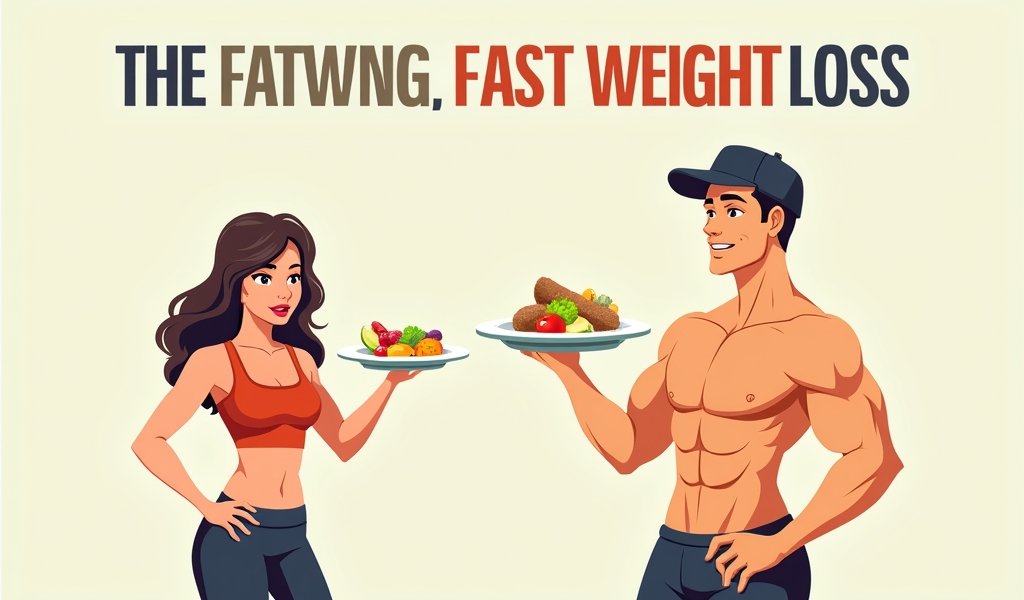
Like trying to convince a cat to take a bath, losing 15 pounds requires both strategy and patience—not just wishful thinking. This article outlines seven evidence-based approaches to sustainable weight loss: creating a moderate calorie deficit, following a protein-focused diet, combining cardio and strength training, staying properly hydrated, prioritizing quality sleep, managing stress, and tracking multiple progress metrics beyond just the scale.
Table of Contents
- Understanding Weight Loss: Setting Realistic Expectations
- Strategy 1: Creating a Sustainable Calorie Deficit
- Strategy 2: Protein-Focused Nutrition Plan
- Strategy 3: Establishing an Effective Exercise Routine
- Strategy 4: The Importance of Proper Hydration
- Strategy 5: Prioritizing Sleep Quality and Quantity
- Strategy 6: Effective Stress Management Techniques
- Strategy 7: Tracking Your Progress
- Conclusion
- Frequently Asked Questions
Understanding Weight Loss: Setting Realistic Expectations
If you’re wondering how do you lose 15 pounds effectively and safely, you’re not alone. Weight loss journeys are deeply personal, and losing 15 pounds represents a significant but achievable goal for many individuals. Before diving into specific strategies, let’s establish some important context about healthy weight loss rates.
According to the Centers for Disease Control and Prevention, a healthy rate of weight loss ranges from 1-2 pounds per week. This means that losing 15 pounds safely would typically take approximately 7-15 weeks. While faster results are possible, they often come with potential health risks and a higher likelihood of regaining the weight.
As a health professional, I’ve guided hundreds of clients through weight loss journeys, and I’ve consistently found that those who approach weight loss with patience and realistic expectations tend to be more successful long-term. Remember, we’re aiming for sustainable habits that support lasting health improvements—not just quick fixes.
Let’s explore seven evidence-based strategies that, when combined, can help you lose 15 pounds effectively while supporting your overall health and wellbeing.
Strategy 1: Creating a Sustainable Calorie Deficit
The fundamental principle behind any weight loss journey is creating a calorie deficit—consuming fewer calories than your body expends. To lose 15 pounds, you’ll need to create a total deficit of approximately 52,500 calories (as one pound of fat equals roughly 3,500 calories). This sounds daunting when presented as one number, but when broken down over several weeks, it becomes much more manageable.
For sustainable weight loss, aim for a moderate daily deficit of 500-750 calories. This approach can help you lose 1-1.5 pounds per week without triggering the metabolic adaptations that often accompany more extreme approaches.
To determine your calorie needs:
- Calculate your Basal Metabolic Rate (BMR) using an online calculator or consult with a nutritionist
- Factor in your activity level to find your Total Daily Energy Expenditure (TDEE)
- Subtract 500-750 calories from your TDEE for a moderate deficit
For many people, following a 1700 calorie diet plan provides sufficient nutrition while creating the necessary deficit for weight loss. However, calorie needs vary significantly based on factors including age, gender, weight, height, and activity level.
Remember, the goal is sustainability. Extreme restrictions might deliver quick initial results but typically lead to rebound weight gain and potentially harmful patterns with food. Focus instead on moderate, consistent changes that you can maintain over time.

Strategy 2: Protein-Focused Nutrition Plan
When asking how do you lose 15 pounds effectively, nutrition quality matters just as much as calorie quantity. Research consistently shows that higher protein intake supports weight loss by increasing satiety, preserving lean muscle mass, and slightly boosting metabolic rate.
Following a high protein diet plan can be particularly effective during weight loss. Aim for 0.7-1 gram of protein per pound of body weight daily—significantly higher than the standard recommendation for those not actively losing weight.
Beyond protein, focus on creating balanced meals that include:
- Abundant non-starchy vegetables (leafy greens, bell peppers, broccoli, etc.)
- Moderate portions of complex carbohydrates (whole grains, legumes, starchy vegetables)
- Healthy fats from sources like avocados, olive oil, nuts, and seeds
- Minimal processed foods, added sugars, and refined carbohydrates
A study published in The American Journal of Clinical Nutrition found that participants who consumed higher protein diets (around 25% of total calories) experienced greater satiety and lost more weight compared to those consuming standard protein diets, even when total calories were matched.
Consider implementing meal preparation strategies to support your nutrition goals. Having healthy, portion-controlled meals ready can prevent impulsive food decisions when you’re hungry, tired, or stressed—common triggers for veering off track.
Strategy 3: Establishing an Effective Exercise Routine
While nutrition creates the foundation for weight loss, physical activity amplifies your results and offers countless health benefits beyond the scale. When designing your exercise routine, include both cardio and strength training components.
High-Intensity Interval Training (HIIT) has gained popularity for good reason—it’s time-efficient and extremely effective for fat loss. HIIT workouts can be particularly good for losing weight, as they continue to burn calories even after you’ve finished exercising through a process called excess post-exercise oxygen consumption (EPOC).
A balanced weekly exercise plan might include:
- 2-3 HIIT sessions (20-30 minutes each)
- 2-3 strength training workouts targeting major muscle groups
- 1-2 low-intensity steady-state cardio sessions (walking, swimming, cycling)
- Daily movement breaks and increased step count
Research from the European Journal of Applied Physiology indicates that combining resistance training with aerobic exercise produces superior results for fat loss compared to either modality alone.
Remember that consistency trumps intensity. A moderate routine you can maintain consistently will produce better results than an extreme program you abandon after two weeks. Start where you are, and gradually increase duration and intensity as your fitness improves.
Strategy 4: The Importance of Proper Hydration
Proper hydration is often overlooked in weight loss discussions, yet it plays a crucial role in metabolism, appetite regulation, and overall health. When considering how do you lose 15 pounds effectively, water consumption should be a key component of your strategy.
Water supports weight loss in several ways:
- It naturally suppresses appetite, helping prevent overeating
- It’s required for lipolysis—the process of breaking down fat stores
- It helps eliminate waste products from the body, including those produced during fat metabolism
- It can replace high-calorie beverages, reducing overall calorie intake
A study published in Obesity found that adults who drank 500ml of water 30 minutes before meals lost 44% more weight over a 12-week period compared to those who didn’t.
Aim to consume approximately half your body weight in ounces of water daily. For example, if you weigh 180 pounds, target about 90 ounces (2.7 liters) of water throughout the day. Factors like activity level, climate, and individual needs may necessitate adjustments to this baseline recommendation.
To increase your water intake, try keeping a reusable bottle with you throughout the day, setting reminders on your phone, or using apps specifically designed to track hydration. Infusing water with fruits, herbs, or cucumber can make it more appealing if you struggle with plain water.
Strategy 5: Prioritizing Sleep Quality and Quantity
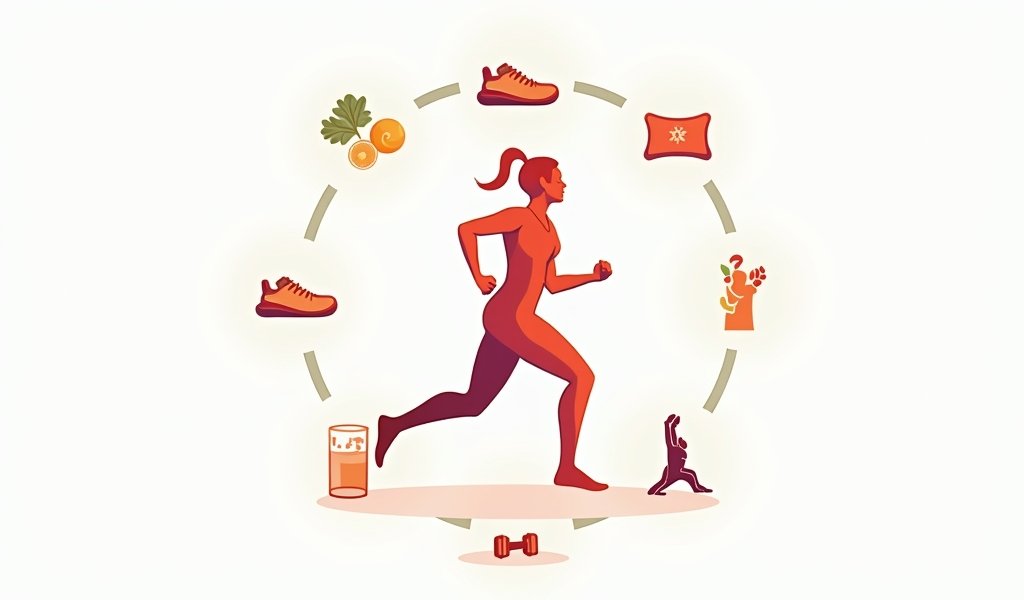
The connection between sleep and weight management is powerful yet frequently underestimated. Inadequate sleep directly influences the hormones that regulate hunger and fullness—ghrelin and leptin—leading to increased appetite and cravings, particularly for high-calorie, carbohydrate-rich foods.
Research published in the Annals of Internal Medicine found that insufficient sleep reduced the amount of weight lost from fat by 55% compared to adequate sleep, even with identical calorie intake and activity levels.
To optimize sleep for weight loss:
- Aim for 7-9 hours of quality sleep each night
- Establish a consistent sleep schedule, even on weekends
- Create a relaxing bedtime routine to signal your body it’s time to wind down
- Keep your bedroom cool (around 65°F/18°C), dark, and quiet
- Limit screen time and exposure to blue light at least one hour before bed
- Avoid caffeine after midday and limit alcohol, especially close to bedtime
If you consistently struggle with sleep despite implementing these strategies, consider speaking with a healthcare provider. Conditions like sleep apnea can significantly impact both sleep quality and weight management efforts.
Strategy 6: Effective Stress Management Techniques
Chronic stress can sabotage your weight loss efforts through multiple mechanisms. Elevated cortisol levels can increase appetite, particularly for comfort foods high in sugar and fat, and promote abdominal fat storage—precisely the areas many people hope to reduce when losing 15 pounds.
When we ask how do you lose 15 pounds effectively, addressing stress must be part of the conversation. Effective stress management techniques include:
- Regular mindfulness meditation practice (even 5-10 minutes daily can help)
- Deep breathing exercises throughout the day
- Spending time in nature
- Engaging in activities you find genuinely enjoyable
- Connecting with supportive friends and family
- Setting boundaries around work and digital consumption
- Considering professional support through therapy if needed
A study published in the Journal of Psychoneuroendocrinology found that participants with higher stress levels had significantly more difficulty losing weight and were more likely to regain weight after successful weight loss.
Remember that stress management isn’t a luxury during weight loss—it’s a necessity. Even small daily practices can accumulate to create meaningful improvements in both stress levels and weight loss outcomes.
Strategy 7: Tracking Your Progress
Consistent monitoring provides accountability and valuable data that allows you to make informed adjustments throughout your weight loss journey. However, the scale shouldn’t be your only metric—it fails to capture important changes in body composition and can fluctuate significantly due to factors unrelated to fat loss.
Consider tracking a variety of metrics:
- Weight (weekly rather than daily weigh-ins often provide a clearer trend)
- Body measurements (waist, hips, chest, arms, thighs)
- Progress photos (same clothing, lighting, and pose for accurate comparison)
- Fitness benchmarks (how far/fast you can walk/run, weights lifted, etc.)
- Non-scale victories (energy levels, mood, clothing fit, sleep quality)
Digital tools can simplify tracking, but even a simple journal works well. What matters most is consistency in your approach and a willingness to use the data constructively rather than judgmentally.
When tracking nutrition, apps that calculate macronutrients can be particularly helpful in ensuring you’re hitting your protein targets while maintaining your calorie deficit. However, if tracking becomes stressful or triggers unhealthy behaviors, consider working with a nutritionist to develop a more flexible approach.
Conclusion
Losing 15 pounds represents a significant yet achievable goal that requires a multifaceted approach. By combining a sustainable calorie deficit with a protein-focused nutrition plan, consistent exercise, proper hydration, quality sleep, effective stress management, and diligent progress tracking, you create a comprehensive strategy for success.
Remember that how do you lose 15 pounds isn’t just about following a rigid plan—it’s about making gradual lifestyle adjustments that support your health beyond the scale. Your body is remarkably responsive to positive changes, but it needs time to adapt. Approach this process with patience and compassion for yourself.
The strategies outlined here are backed by scientific research and clinical experience, but every body is unique. Don’t hesitate to customize these approaches to fit your preferences, schedule, and individual needs. What works perfectly for someone else might need adjustments to work optimally for you.
By implementing these seven proven strategies consistently, you’re not just working toward losing 15 pounds—you’re establishing habits that support lifelong health, energy, and wellbeing. That’s an achievement worth celebrating, regardless of what the scale says.
Frequently Asked Questions
How quickly can I safely lose 15 pounds?
A healthy rate of weight loss is 1-2 pounds per week, making 7-15 weeks a realistic timeframe for losing 15 pounds. Faster weight loss is possible but may increase the risk of muscle loss, nutritional deficiencies, and weight regain.
Will I need to completely avoid carbohydrates to lose 15 pounds?
No, complete carbohydrate elimination isn’t necessary or recommended for sustainable weight loss. Focus instead on choosing complex carbohydrates (whole grains, fruits, vegetables) in appropriate portions while maintaining a moderate calorie deficit.
How much exercise is required to lose 15 pounds?
While exercise supports weight loss, nutrition typically plays a larger role. Aim for 150-250 minutes of moderate-intensity exercise weekly, combining cardio and strength training for optimal results.
Will I have loose skin after losing 15 pounds?
Loose skin is unlikely with a 15-pound weight loss for most people. Factors affecting skin elasticity include age, genetics, how quickly you lose weight, and where you carry excess weight.
Can I target fat loss from specific areas when losing 15 pounds?
Spot reduction is a myth—you cannot selectively lose fat from specific body areas through targeted exercises. Your body determines where fat loss occurs based on genetics and hormones, though a comprehensive approach will reduce fat throughout your body.