

Overview
Green grapes offer seven key fitness benefits including natural energy boosting, muscle recovery acceleration, improved endurance, enhanced hydration, weight management support, immune system protection, and better cardiovascular performance. Their unique nutritional profile makes them an effective workout companion when strategically consumed before, during, and after exercise sessions.
Table of Contents
- Introduction
- Nutritional Profile of Green Grapes
- Benefit #1: Natural Energy Booster
- Benefit #2: Muscle Recovery Accelerator
- Benefit #3: Improved Endurance
- Benefit #4: Enhanced Hydration
- Benefit #5: Weight Management Support
- Benefit #6: Immune System Protection
- Benefit #7: Better Cardiovascular Performance
- How to Incorporate Green Grapes Into Your Fitness Routine
- Conclusion
- Frequently Asked Questions
Introduction
Green grapes might seem like just another fruit in the produce aisle, but these small, emerald jewels deserve special attention from fitness enthusiasts. As a clinical nutritionist specializing in sports performance, I’ve seen how these unassuming fruits can significantly impact exercise outcomes when strategically incorporated into training nutrition.
Often overlooked in favor of trendy superfoods, green grapes offer an impressive array of fitness-enhancing benefits backed by scientific research. Their unique combination of fast-acting carbohydrates, hydrating properties, and recovery-promoting compounds makes them particularly valuable for active individuals.
Whether you’re training for athletic competition or simply looking to optimize your workout results, understanding how green grapes can support your fitness journey might give you that natural edge you’ve been seeking. Let’s explore the science-backed benefits that make these small fruits a surprisingly powerful ally for your fitness goals.
Nutritional Profile of Green Grapes
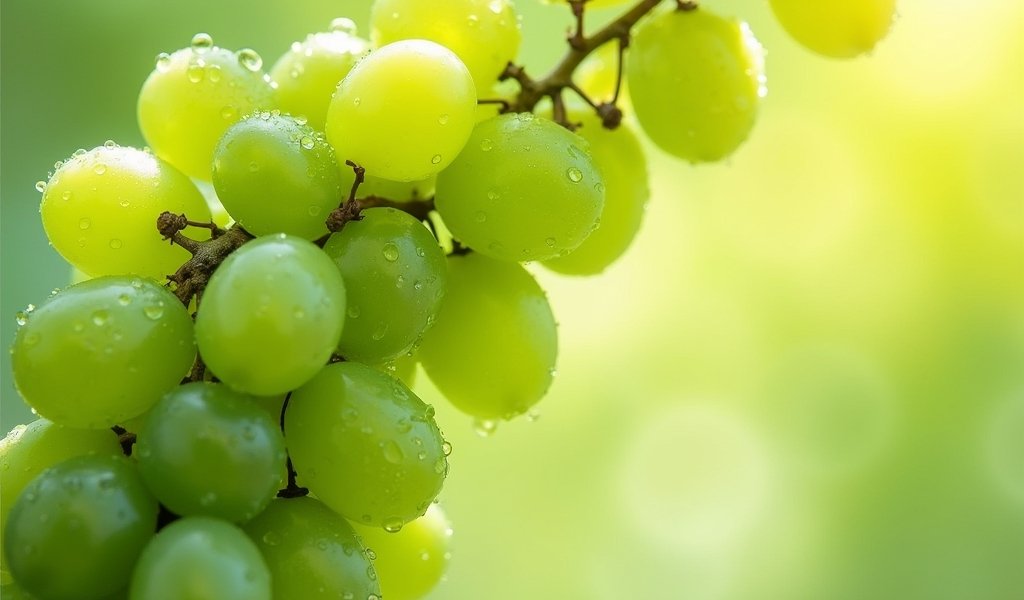
Before diving into specific benefits, let’s examine what makes green grapes nutritionally unique. A one-cup serving (about 151 grams) provides approximately:
- 104 calories
- 27.3g carbohydrates
- 1.1g protein
- 0.2g fat
- 1.4g fiber
- 288mg potassium
- 4.8mg vitamin C (8% DV)
- 22μg vitamin K (28% DV)
While these numbers provide a good overview, green grapes’ true nutritional power lies in their bioactive compounds. They contain resveratrol, quercetin, and catechins – polyphenols with potent antioxidant and anti-inflammatory properties that benefit exercise recovery and performance.
The carbohydrate profile of green grapes includes a balanced mix of glucose and fructose, making them an efficient energy source during activity. Their 80% water content and natural electrolytes further enhance their appeal for fitness enthusiasts seeking hydration support.
What makes green grapes particularly valuable is how these nutrients work synergistically to support various aspects of athletic performance and recovery – from immediate energy to long-term adaptation benefits.
Benefit #1: Natural Energy Booster
When it comes to fueling workouts, timing and carbohydrate type matter tremendously. Green grapes provide a strategic advantage here, offering rapidly available but sustained energy that can power performance without digestive discomfort.
The natural sugars in green grapes – primarily glucose and fructose – enter the bloodstream relatively quickly compared to complex carbohydrates. This makes them ideal for pre-workout consumption or mid-exercise energy replenishment. Unlike processed sugar sources, grapes deliver these carbohydrates alongside beneficial micronutrients that support energy metabolism.
Research on carbohydrate timing confirms that consuming simple sugars 15-30 minutes before exercise can improve performance in sessions lasting longer than 60 minutes. A small handful of green grapes (about 15-20) provides approximately 70 calories – enough to fuel activity without overloading your digestive system.
For moderate-intensity workouts lasting 60-90 minutes, consider consuming a small serving of green grapes about 30 minutes before starting. This timing allows the natural sugars to enter your bloodstream just as your activity begins, providing immediate energy without the crash associated with refined sugar sources.
Benefit #2: Muscle Recovery Accelerator
Exercise-induced muscle damage leads to the familiar soreness that can interfere with training consistency. Green grapes contain natural compounds that may significantly reduce this recovery timeline, allowing for more frequent and effective training sessions.
The polyphenols in green grapes, particularly resveratrol, have demonstrated powerful anti-inflammatory effects. A 2017 study in the Journal of Nutrition found that grape consumption reduced inflammatory markers and accelerated muscle function recovery after intense exercise.
What makes this especially relevant is how these compounds appear to work. Rather than simply masking inflammation like some medications, grape polyphenols help regulate the body’s natural inflammatory response, potentially supporting the adaptive processes that make muscles stronger while reducing excessive inflammation that delays recovery.
For optimal recovery benefits, consuming green grapes within the post-exercise recovery window (ideally within 30-45 minutes) appears most effective. This timing capitalizes on the body’s heightened nutrient sensitivity after exertion, allowing the anti-inflammatory compounds to work alongside your protein intake in supporting repair processes.
Benefit #3: Improved Endurance
Endurance athletes constantly seek nutritional strategies to enhance their performance capacity, and green grapes offer some compelling advantages in this domain. The resveratrol content in these fruits appears to directly influence endurance through several physiological mechanisms.
Research published in the Journal of Physiology demonstrated that resveratrol supplementation enhanced mitochondrial biogenesis – essentially creating more cellular “power plants” within muscles. This adaptation resembles what happens during endurance training itself, potentially amplifying the benefits of your workouts.
Perhaps most intriguing is how resveratrol activates the SIRT1 pathway, which plays a crucial role in energy metabolism during prolonged exercise. Regular consumption of resveratrol-rich foods like green grapes may help optimize this pathway, contributing to improved fat utilization and extended exercise capacity.
While immediate performance benefits from occasional grape consumption are modest, the cumulative effects of regular intake may provide meaningful endurance advantages over time. Endurance athletes following a Mediterranean diet breakfast routine often naturally incorporate grapes, potentially gaining these benefits without specific supplementation.
Benefit #4: Enhanced Hydration
Proper hydration fundamentally influences every aspect of exercise performance, from temperature regulation to nutrient delivery. Green grapes contribute to hydration strategies in ways that plain water cannot match.
At approximately 80% water by weight, green grapes provide significant hydration value. More importantly, they deliver this fluid alongside natural electrolytes – particularly potassium (288mg per cup) – which support fluid balance and neuromuscular function during exercise.
The combination of water, electrolytes, and easily digestible carbohydrates makes green grapes function similarly to a natural sports drink. For activities lasting 60-90 minutes, especially in warm environments, consuming green grapes alongside water can help maintain performance more effectively than water alone.
The practical application is straightforward: keep a small container of green grapes accessible during longer training sessions, consuming them at regular intervals alongside your normal fluid intake. This strategy provides hydration support while simultaneously addressing energy needs without artificial ingredients.
Benefit #5: Weight Management Support

Managing body composition while maintaining performance represents a common challenge for many fitness enthusiasts. Green grapes offer strategic advantages that support this balance without compromising training quality.
Their moderate fiber content (1.4g per cup) combined with high water volume creates significant satiety impact despite their relatively low calorie count. This satiety effect helps manage hunger between meals – a critical factor during calorie-controlled phases of training.
The natural sweetness of green grapes satisfies sugar cravings in a nutrient-dense package. This can be particularly valuable during fat loss phases when processed sweets are limited but flavor satisfaction remains important for dietary adherence.
Additionally, green grapes have a lower glycemic index compared to many processed carbohydrates, helping maintain more stable blood sugar and energy levels. This glycemic advantage supports consistent energy for training while avoiding the insulin spikes associated with fat storage.
For weight management purposes, timing matters. Consuming green grapes before meals can help control subsequent food intake, while eating them surrounding workouts ensures their carbohydrates are preferentially used for performance and recovery rather than storage.
Benefit #6: Immune System Protection
The relationship between intense exercise and immune function presents a paradox for serious fitness enthusiasts. While regular moderate activity strengthens immunity, periods of intense training can temporarily suppress immune function – a phenomenon known as the “open window” of vulnerability.
Green grapes contain a powerful arsenal of compounds that may help mitigate this effect. Their vitamin C content (4.8mg per cup) works alongside various polyphenols to neutralize the exercise-induced free radicals that can contribute to immune suppression.
Research published in Applied Physiology, Nutrition and Metabolism found that athletes consuming grape products experienced less immune dysfunction following intense exercise compared to control groups. The practical implication is potentially fewer training interruptions due to illness – a significant advantage for long-term progress.
The flavonoids in grapes appear to directly support respiratory immune function, which is particularly relevant for athletes training in varied environmental conditions or those prone to exercise-induced respiratory symptoms. Regular consumption as part of a training diet may provide cumulative protective effects against common upper respiratory challenges that frequently derail training cycles.
Benefit #7: Better Cardiovascular Performance
Cardiovascular capacity fundamentally limits performance across virtually all exercise modalities. Green grapes contain several compounds that support both acute and chronic cardiovascular function, potentially enhancing oxygen delivery to working muscles.
The nitric oxide-promoting effects of grape polyphenols improve vascular function, enhancing blood flow during exercise. This increased delivery efficiency means more oxygen reaches working muscles, potentially improving performance at all intensity levels.
Long-term consumption appears to support arterial health through multiple mechanisms. A comprehensive review in Nutrients journal found that regular grape consumption improved endothelial function and reduced blood pressure – adaptations that directly enhance exercise capacity.
Interestingly, these cardiovascular benefits may be particularly pronounced during recovery periods between training sessions. The improved circulation supports nutrient delivery to recovering tissues while simultaneously preparing the cardiovascular system for subsequent training stress.
Athletes concerned with both performance and long-term health find particular value in these dual benefits. The cardiovascular advantages complement many of the traditional Mediterranean recipes that already support heart health while enhancing athletic potential.
How to Incorporate Green Grapes Into Your Fitness Routine
Strategic timing and preparation maximize the fitness benefits of green grapes. Here are practical, evidence-based recommendations for incorporating them into your training nutrition:
Pre-Workout
- 15-20 green grapes consumed 30 minutes before moderate-intensity exercise
- Frozen green grapes as a refreshing pre-workout snack in hot weather
- Blend 1/2 cup green grapes with protein powder for a complete pre-workout fuel source
During Exercise
- Small portions of green grapes at 30-minute intervals during sessions exceeding 90 minutes
- Frozen green grapes for glycogen replenishment during hot weather training
Post-Workout Recovery
- 1 cup green grapes with 20-30g protein within 30 minutes post-exercise
- Recovery smoothie: 1 cup green grapes, 1 cup spinach, 1 scoop protein, 8oz milk/alternative
- Green grape and cottage cheese combination (3:1 carb-to-protein ratio) for optimal recovery nutrition
For convenient preparation, wash grapes in advance and store in portion-controlled containers for grab-and-go access. Freezing clean grapes creates refreshing, exercise-friendly snacks that stay cool during transport to training venues.
The key principle is consistency – incorporating green grapes regularly rather than sporadically yields the most significant fitness benefits. Aim for 3-4 servings weekly, strategically timed around your most demanding training sessions.
Conclusion
The fitness benefits of green grapes demonstrate how sometimes the most effective nutritional strategies come in surprisingly simple packages. These accessible fruits offer a remarkable combination of immediate performance support and long-term health benefits that complement any serious training program.
From providing clean, quick energy and enhancing recovery to supporting cardiovascular function and immune resilience, green grapes address multiple aspects of the fitness equation simultaneously. Their natural composition aligns perfectly with the body’s exercise needs without artificial additives or excessive processing.
What makes green grapes particularly valuable is their versatility – they function effectively before, during, and after exercise, adapting to different training scenarios while consistently supporting performance and recovery. This adaptability, combined with their accessibility and palatability, makes them an ideal addition to evidence-based fitness nutrition strategies.
As with any nutritional approach, individual response varies. Experiment with the timing and serving suggestions provided to discover how green grapes best complement your unique training needs and preferences. The most effective nutrition strategies are those you can sustain consistently – and the natural appeal of green grapes makes consistency remarkably achievable.
By incorporating these emerald fitness enhancers into your regular routine, you may discover that sometimes the most powerful performance nutrition doesn’t require exotic ingredients or complex protocols – just thoughtful application of nature’s perfectly packaged training support.
Frequently Asked Questions
Are green grapes better than red grapes for fitness benefits?
Both varieties offer similar fitness benefits, though green grapes typically contain slightly more vitamin K and potassium. Red grapes have higher levels of certain antioxidants, so including both colors provides complementary advantages.
How many green grapes should I eat before a workout?
About 15-20 grapes (roughly 1/2 cup) consumed 30 minutes before exercise provides sufficient energy without digestive discomfort. Adjust this amount based on your body size and workout intensity.
Can green grapes help with muscle cramps during exercise?
Yes, their potassium content (288mg per cup) helps maintain proper electrolyte balance that can prevent exercise-associated muscle cramps. Pair with adequate hydration for best results.
Are there any side effects to eating green grapes for fitness?
Most people tolerate grapes well, though excessive consumption may cause digestive discomfort due to their natural sugar content. Those with diabetes should monitor blood glucose response to grape consumption.
Can I substitute green grape juice for whole grapes?
Whole grapes are preferable as they contain fiber that moderates sugar absorption and provides greater satiety. Juice lacks these benefits and typically contains more concentrated sugar without the beneficial fiber.