

Overview
This article provides an in-depth guide to foldable exercise bikes, reviewing the top 5 models on the market (Exerpeutic, XTERRA, Marcy, ATIVAFIT, and Sunny Health & Fitness) while detailing their space-saving benefits, key features to look for, effective workout strategies, and maintenance tips. The guide emphasizes how these compact bikes offer an accessible solution for home fitness enthusiasts with limited space while still providing substantial cardiovascular benefits and joint-friendly exercise options for users of various fitness levels.
Table of Contents
- Introduction to Foldable Exercise Bikes
- Benefits of Using a Foldable Exercise Bike
- Top 5 Foldable Exercise Bikes on the Market
- Key Features to Look for in a Foldable Exercise Bike
- Effective Workout Tips for Your Foldable Exercise Bike
- Maintenance and Care Tips for Longevity
- Conclusion
- Frequently Asked Questions
Introduction to Foldable Exercise Bikes
In our increasingly space-conscious world, the foldable exercise bike has emerged as a fitness revolution for home workouts. As a clinical exercise physiologist with over a decade of experience, I’ve seen firsthand how these compact marvels have transformed the way people approach indoor cycling. The beauty of a foldable exercise bike lies in its ingenious design—offering the cardiovascular benefits of traditional stationary bikes while accommodating modern living spaces.
Whether you’re living in a cozy apartment, sharing a dorm room, or simply prefer to keep your exercise equipment out of sight when not in use, these space-saving wonders deserve your attention. The market has responded enthusiastically to the demand, with manufacturers now offering sophisticated models that don’t compromise on quality or stability despite their collapsible nature.
In this comprehensive guide, we’ll explore five proven foldable exercise bikes that stand out in terms of durability, functionality, and user satisfaction. Additionally, we’ll delve into what makes these bikes worth considering for your fitness journey and how to maximize their benefits. Let’s pedal our way through the options that could transform your home workout experience.
Benefits of Using a Foldable Exercise Bike
The advantages of incorporating a foldable exercise bike into your fitness routine extend far beyond just saving space. First and foremost, these bikes offer impressive cardiovascular benefits. Regular cycling sessions can strengthen your heart, improve lung capacity, and boost your overall stamina. In fact, research published in the Journal of Exercise Rehabilitation confirms that stationary cycling significantly improves cardiovascular health markers.
Joint health is another compelling reason to choose cycling over high-impact exercises. The smooth, circular motion puts minimal stress on your knees, hips, and ankles, making it an excellent option for those with joint concerns or individuals recovering from injuries. This low-impact nature doesn’t mean low results—a 155-pound person can burn approximately 260-280 calories during a moderate 30-minute session.
The space-saving design of foldable exercise bikes addresses one of the biggest barriers to home fitness—limited space. Unlike their bulky counterparts, these bikes can be folded to half their size or smaller and tucked away in closets, under beds, or against walls. This convenience eliminates the “no room for equipment” excuse that often derails home workout intentions.
From a practical perspective, foldable bikes offer remarkable versatility. Many models come with adjustable resistance levels, allowing you to progress from gentle recovery rides to challenging hill simulations. The ability to exercise regardless of weather conditions ensures consistency in your fitness routine—a crucial factor for achieving long-term health goals.
Finally, there’s the undeniable economic advantage. Investing in a quality foldable exercise bike typically costs less than a year’s gym membership, making it a financially sound decision for the budget-conscious fitness enthusiast. When you factor in the time saved from commuting to a gym, the convenience factor becomes even more apparent.
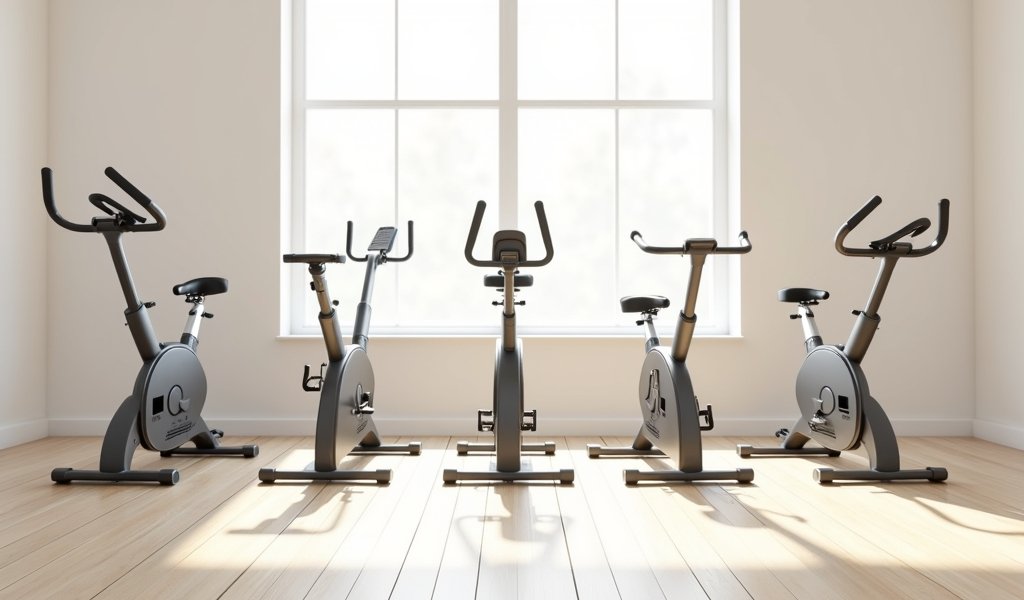
Top 5 Foldable Exercise Bikes on the Market
1. Exerpeutic Folding Magnetic Upright Exercise Bike
The Exerpeutic Folding Magnetic Upright stands as a true pioneer in the foldable bike category. Designed with a solid steel frame, this bike supports users up to 300 pounds—an impressive weight capacity that speaks to its sturdy construction. The large, cushioned seat accommodates riders of various heights (5’3″ to 6’1″), addressing a common complaint about uncomfortable bike seats.
What truly sets this model apart is its whisper-quiet magnetic tension control system with eight levels of resistance. During testing, I found the transitions between resistance levels smooth and precise, allowing for workout customization from gentle recovery sessions to challenging interval training. The large LCD display clearly shows distance, calories burned, time, speed, and heart rate—essential metrics for tracking progress.
When folded, this bike reduces to approximately half its size, measuring just 22″ L x 20″ W x 55.5″ H, making it storable in most closets. Transportation wheels make repositioning effortless, even for those with limited strength. Priced typically between $149-$179, it delivers exceptional value for its quality and durability.
2. XTERRA Fitness FB150 Folding Exercise Bike
The FB150 stands out as the lightweight champion in our lineup, weighing just 32 pounds while still supporting users up to 225 pounds. Its X-frame design is the secret behind its remarkable foldability, collapsing to dimensions smaller than most card tables. Despite its lightweight construction, it maintains impressive stability during intense pedaling sessions.
This model features a manual resistance system with eight tension levels controlled by an easily accessible knob. The padded seat, while not as plush as the Exerpeutic, still provides adequate comfort for 30-45 minute sessions. The multifunctional LCD display tracks the essential metrics, though it lacks heart rate monitoring capabilities.
For apartments, dorms, or homes where space is at an absolute premium, the FB150’s minimal footprint (18.1″ x 18.1″ when folded) makes it nearly unbeatable. Its price point (usually $129-$149) makes it an excellent entry-level option for those new to indoor cycling or those with strict space constraints.
3. Marcy Foldable Exercise Bike NS-652
The Marcy NS-652 brings recumbent-style comfort to the foldable bike category—a rare combination that deserves attention. The reclined seating position with a padded backrest offers superior lumbar support, making it ideal for longer workout sessions or users with back concerns. The step-through design eliminates the need to lift your leg over a high frame, enhancing accessibility for those with mobility limitations.
Eight resistance levels provide workout variety, controlled through a tension knob positioned within easy reach. The counterbalanced pedals with adjustable foot straps ensure proper foot positioning and prevent slippage during vigorous pedaling. The LCD computer tracks time, speed, distance, and calories, though the display is somewhat smaller than other models reviewed.
Despite offering recumbent comfort, the Marcy still folds to a reasonable 23.5″ L x 26.5″ W x 50″ H. At a price point of $169-$199, it represents an excellent value for those seeking the ergonomic benefits of recumbent cycling without sacrificing the space-saving advantages of a folding design.
4. ATIVAFIT Indoor Cycling Bike Foldable
The ATIVAFIT brings a touch of spin class intensity to the foldable bike category. Its 35-pound flywheel—significantly heavier than most folding bikes—creates the smooth, momentum-driven feel serious cyclists prefer. The belt-driven mechanism operates nearly silently, making it apartment-friendly even during early morning or late-night sessions.
This model features infinite resistance adjustment through a micro-tension controller rather than preset levels, allowing for incredibly precise workout customization. The LCD monitor tracks the standard metrics, while the integrated tablet holder lets you follow along with cycling apps or streaming workouts—a thoughtful touch for those who enjoy guided sessions.
At 29 pounds with transportation wheels, the ATIVAFIT remains manageable despite its sturdy construction. When folded, it measures approximately 22″ x 20″ x 50″. The higher price point ($219-$249) reflects its premium features, making it ideal for the dedicated cyclist who needs a space-conscious solution.
5. Sunny Health & Fitness SF-B2721 Comfort XL Folding Exercise Bike
For taller or larger individuals who often feel cramped on standard exercise equipment, the Comfort XL provides a welcome solution. This model accommodates users up to 6’5″ tall and 300 pounds, with an extra-wide seat (approximately 2.5″ wider than standard models) and extended frame dimensions. The seat height adjusts through 10 positions, ensuring proper leg extension for efficient pedaling.
Ten levels of magnetic resistance offer plenty of workout variety, controlled through a large, easy-grip knob. The digital monitor provides clear feedback on exercise metrics, while the pulse sensors in the handlebars offer heart rate monitoring—a valuable feature for zone training. The water bottle holder keeps hydration within reach during longer sessions.
Despite its “XL” designation, this bike folds to a surprisingly compact 18″ x 21.5″ x 57″. Priced between $199-$229, it fills an important niche for larger individuals who have previously found foldable bikes too restrictive or uncomfortable.
Key Features to Look for in a Foldable Exercise Bike
When evaluating foldable exercise bikes, stability should top your priority list. A wobbling bike not only disrupts your workout flow but also poses safety concerns. Test this by examining the base width and ensuring the frame uses quality materials like steel rather than lighter alternatives. A good folding mechanism should lock securely in both folded and unfolded positions—listen for a distinct click or lock engagement.
Weight capacity serves as an excellent indicator of overall build quality. Even if you’re well under the maximum limit, a higher capacity (ideally 250+ pounds) suggests more robust construction that will withstand rigorous use. Complementing this, the resistance mechanism significantly impacts your workout experience. Magnetic resistance systems offer the quietest operation and consistent tension, while direct-contact systems can provide more intense resistance but may require more maintenance over time.
Comfort features determine whether your bike becomes a faithful exercise companion or collects dust. Look for adjustable seats that accommodate your height—proper leg extension should leave a slight bend in the knee at the bottom of the pedal stroke. Padded handlebars reduce wrist fatigue during longer sessions, while pedals with adjustable straps prevent foot slippage during vigorous pedaling.
The folded dimensions matter tremendously if storage space is limited. Measure your intended storage area before shopping and compare these measurements to the folded dimensions of prospective bikes. Remember to account for the bike’s weight if you’ll need to move it frequently—transport wheels become essential for heavier models.
Finally, while budget models may skip digital features, a basic performance monitor provides valuable workout feedback. At minimum, look for tracking of time, speed, distance, and estimated calories. Advanced models might include heart rate monitoring, preset workout programs, or Bluetooth connectivity for fitness app integration. These features can significantly enhance workout variety and motivation over time.
Effective Workout Tips for Your Foldable Exercise Bike
Maximizing your foldable exercise bike’s potential starts with proper setup. Adjust your seat height so your leg extends with a slight bend (about 15 degrees) when the pedal is at its lowest position. Position the handlebars at a height that allows a slight forward lean without straining your lower back. These adjustments prevent injury and optimize muscle engagement during your rides.
Rather than mindlessly pedaling at the same pace and resistance, incorporate interval training for superior results. A simple approach involves alternating between periods of higher intensity (30-60 seconds at increased resistance or speed) and recovery periods (1-2 minutes at moderate effort). This pattern not only burns more calories during the workout but continues to elevate metabolism for hours afterward—a phenomenon known as excess post-exercise oxygen consumption (EPOC).
For beginners, start with three 20-minute sessions per week, gradually increasing duration as your fitness improves. Intermediate cyclists might aim for 30-45 minute sessions 4-5 times weekly, incorporating varied resistance levels to simulate different terrain. Advanced users can challenge themselves with hour-long sessions that include extended high-intensity intervals and resistance climbing.
Don’t neglect proper warm-up and cool-down periods. Begin each session with 5 minutes of gentle pedaling at low resistance to increase blood flow to working muscles. Similarly, end with 5 minutes of decreased intensity to gradually lower your heart rate and prevent blood pooling in the legs.
Combat potential boredom by creating a dedicated “bike entertainment strategy.” This might include following cycling workout videos, catching up on favorite shows, listening to podcasts, or creating pulse-raising playlists. Some users find that saving certain entertainment content exclusively for bike sessions creates a positive association that increases workout adherence.
Maintenance and Care Tips for Longevity
Extending the lifespan of your foldable exercise bike begins with regular inspection. Once monthly, examine all bolts and fasteners, tightening any that may have loosened through normal use. Pay particular attention to pedal connectors, seat posts, and the folding mechanism—areas commonly affected by the repetitive motion and weight-bearing aspects of cycling.
Keep your bike clean by wiping down the frame with a damp cloth after particularly sweaty sessions. For chrome or metal components, use a soft cloth with a small amount of mild soap to prevent corrosion from perspiration. Avoid harsh chemical cleaners that might damage the frame’s finish or electronic components.
The drive mechanism requires specific attention based on its design. Chain-driven systems benefit from occasional lubrication with bicycle chain oil, applied sparingly to prevent attracting dust. Belt-driven systems generally require less maintenance but should be inspected for signs of wear or fraying. Magnetic resistance systems rarely need adjustment, but direct-contact resistance pads should be checked for wear and replaced if necessary.
Proper storage significantly impacts longevity. Even with folding bikes, avoid storing in areas with extreme temperature fluctuations or high humidity, which can damage electronic components and accelerate corrosion. If your bike includes a console with batteries, consider removing them during extended periods of non-use to prevent potential battery leakage.
Finally, respect the weight capacity guidelines provided by the manufacturer. Regularly exceeding these limits stresses the frame and components beyond their design parameters, potentially leading to premature failure. Similarly, be mindful of the folding mechanism—always ensure the bike is fully unfolded and locked before beginning your workout to prevent unexpected collapse during use.
Conclusion
The foldable exercise bike represents a brilliant solution for fitness enthusiasts constrained by limited space or those seeking convenience without compromising workout quality. Through our exploration of five exceptional models, we’ve seen how these compact powerhouses can deliver cardiovascular benefits, joint-friendly exercise, and measurable fitness improvements—all while occupying minimal space when not in use.
Whether you’re drawn to the sturdy construction of the Exerpeutic, the ultra-compact design of the XTERRA FB150, the recumbent comfort of the Marcy NS-652, the serious cycling experience of the ATIVAFIT, or the accommodating dimensions of the Sunny Health & Fitness Comfort XL, there’s a foldable bike perfectly suited to your specific needs and constraints.
Remember that the most effective exercise equipment is the kind you’ll actually use consistently. The convenience of having a quality foldable exercise bike readily available in your living space eliminates many common barriers to regular physical activity. By following the setup, workout, and maintenance guidance provided, you’re well-positioned to establish a sustainable cycling routine that can significantly enhance your cardiovascular health, strengthen your lower body, and contribute to your overall wellness goals.
As with any fitness journey, consistency trumps intensity. Even modest, regular sessions on your foldable exercise bike will yield impressive results over time. The path to better health begins with that first pedal stroke—and your new space-saving fitness companion makes taking that step easier than ever.
Frequently Asked Questions
How much space do I need for a foldable exercise bike?
When in use, most foldable exercise bikes require a footprint of approximately 22″ x 20″ (width x length). When folded, they typically reduce to half this size, often needing just 10-12 square feet of storage space.
Are foldable exercise bikes stable enough for intense workouts?
Quality foldable bikes with proper weight capacity ratings (250+ pounds) provide sufficient stability for most workout intensities. Models with wider bases and heavier flywheels offer enhanced stability during high-intensity interval training.
How long should I exercise on a foldable exercise bike?
For cardiovascular benefits, aim for at least 150 minutes of moderate-intensity cycling per week. This can be divided into 30-minute sessions 5 days per week or adjusted based on your fitness level and schedule.
Can tall people use foldable exercise bikes comfortably?
Many foldable bikes accommodate users up to 6’1″ comfortably, while specialized models like the Sunny Health & Fitness Comfort XL extend this range to 6’5″. Always check the manufacturer’s height recommendations before purchasing.
Do foldable exercise bikes require assembly?
Most foldable bikes require some assembly upon delivery, typically taking 30-60 minutes with basic tools. Many manufacturers provide detailed instructions, and some models arrive up to 90% pre-assembled for convenience.
Pingback: Kids Exercise Bike: 5 Top Fitness Picks - achievehealthgoals.com