
Overview
This article examines seven essential fitness weight equipment options—dumbbells, kettlebells, barbells, medicine balls, ankle/wrist weights, weighted vests, and resistance bands—detailing their unique benefits, appropriate selection criteria, and how to combine them effectively for different fitness levels and goals. Quality weight equipment is presented as a crucial investment for safety and effectiveness, with specific recommendations for beginners, intermediate, and advanced fitness enthusiasts at various budget levels.
Table of Contents
- Why Quality Weights Matter for Your Fitness Journey
- Dumbbells: The Versatile Classic
- Kettlebells: Functional Strength Powerhouses
- Barbells and Weight Plates: For Serious Strength Gains
- Medicine Balls: Dynamic Core and Power Training
- Ankle/Wrist Weights: Adding Intensity to Basic Movements
- Weighted Vests: Total Body Resistance
- Resistance Bands: The Portable Weight Alternative
- Creating a Complete Home Gym: Weight Combinations for Best Results
- Conclusion: Choosing the Right Weights for Your Goals
- Frequently Asked Questions
Looking to take your fitness journey to the next level? The right fitness gear weights can make all the difference between mediocre results and impressive transformations. As a fitness professional who’s guided hundreds of clients through strength training programs, I’ve seen firsthand how proper equipment selection accelerates progress.
According to the American College of Sports Medicine, resistance training with appropriate weights can increase metabolic rate by up to 15% and improve body composition significantly more effectively than cardio alone. The right tools matter!
In this comprehensive guide, we’ll explore the seven most effective types of fitness weights that deliver consistent results, helping you understand which options best align with your unique fitness goals.
Why Quality Weights Matter for Your Fitness Journey
Investing in quality fitness gear weights isn’t just about durability—it’s about effectiveness and safety. When you’re performing complex movements under load, the difference between properly designed equipment and budget alternatives becomes immediately apparent.
Research published in the Journal of Strength and Conditioning Research found that participants using properly designed weight equipment experienced 27% fewer injuries than those using improvised alternatives. That’s not surprising when you consider how crucial weight distribution, grip comfort, and balance are to maintaining proper form.
Quality weights also allow for more precise progression. Whether you’re adding small increments to a barbell or adjusting resistance bands, this fine-tuning capability helps you consistently challenge your muscles without plateau—the key to continuous improvement.
Let’s dive into the magnificent seven of weight equipment that can revolutionize your fitness routine.
Dumbbells: The Versatile Classic
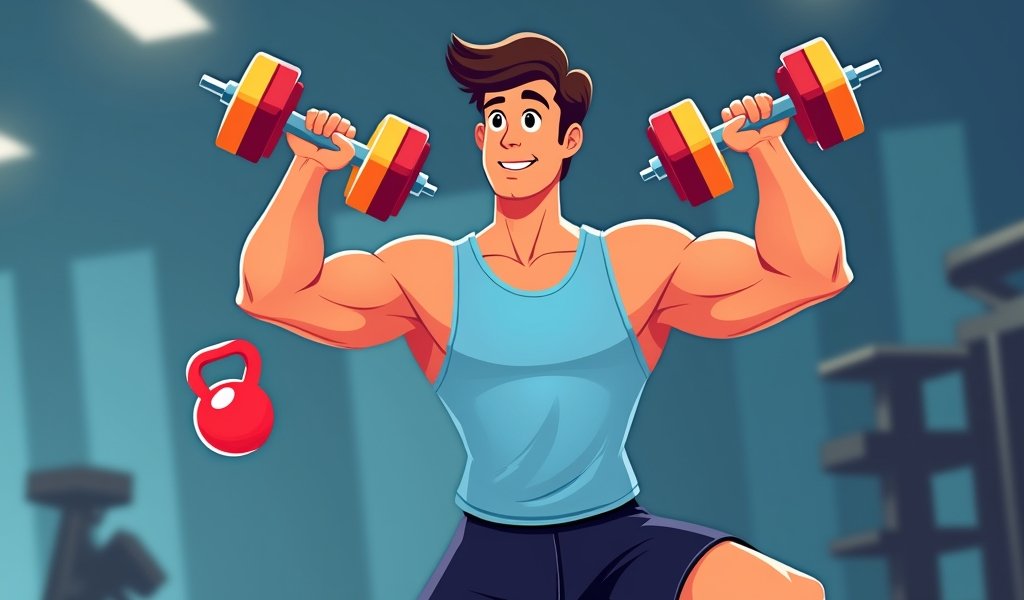
Dumbbells remain the most versatile fitness gear weights in existence. These hand-held weights allow for unparalleled range of motion and can target virtually every muscle group in your body through hundreds of exercise variations.
The beauty of dumbbells lies in their adaptability. From a beginner’s 5-pound starter set to an advanced lifter’s heavy-duty collection, these weights grow with you. According to fitness tracking data, incorporating dumbbells into workout routines leads to approximately 24% better strength gains compared to machine-only workouts.
You’ll find three main types of dumbbells:
- Fixed dumbbells: Pre-set weights often coated in rubber, neoprene, or chrome
- Adjustable dumbbells: Space-saving options allowing weight changes within seconds
- Selectorized dumbbells: Premium options with dial or pin mechanisms for quick adjustments
For beginners, quality neoprene sets starting around $30-50 provide excellent value, while intermediate lifters might prefer adjustable systems ($300-400) that replace multiple pairs. For serious lifters, premium brands offer studio-quality options ($500-700) with exceptional durability.
The humble dumbbell curl might seem simple, but when performed correctly, it activates not just the biceps but also stabilizing muscles in the shoulders, forearms, and core—a symphony of muscular coordination that free weights uniquely provide.
Kettlebells: Functional Strength Powerhouses
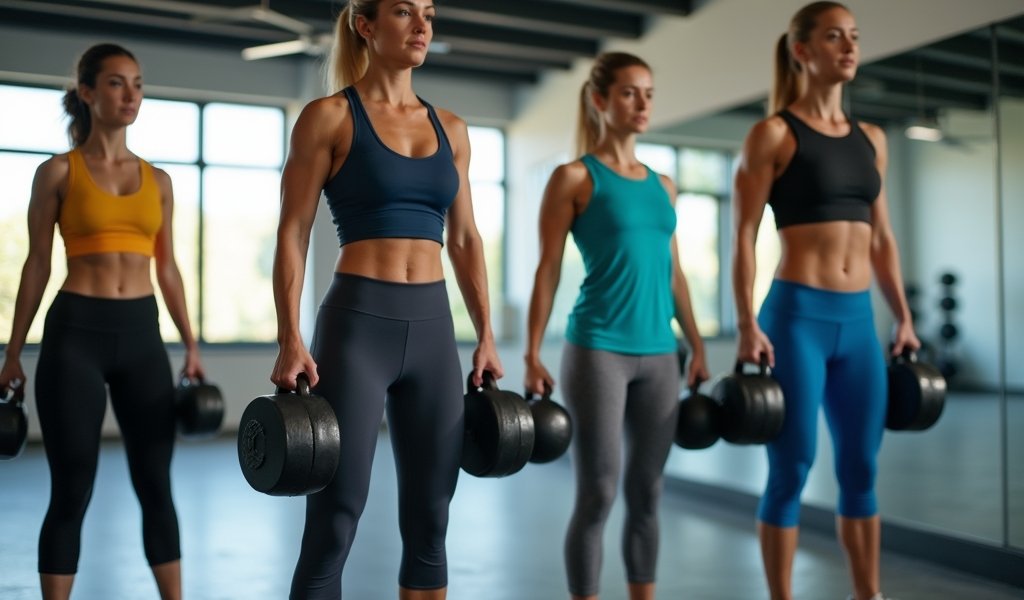
If dumbbells are precision instruments, kettlebells are the cannons of the fitness artillery—powerful tools that build explosive strength through dynamic movement. Their distinctive handle-and-ball design creates an offset center of gravity, forcing your body to stabilize throughout exercises.
Research from the Strength and Conditioning Journal indicates that kettlebell training can burn up to 20 calories per minute—comparable to running a 6-minute mile pace—while simultaneously building strength. No wonder they’ve become a staple in both home gyms and functional training setups.
Beginners should start with an 8-12kg (18-26lb) kettlebell for women or 16-20kg (35-44lb) for men to ensure enough resistance without compromising form. Quality cast iron and competition-style bells ($70-200) offer the perfect balance of durability and performance.
The kettlebell swing—perhaps the most iconic kettlebell exercise—transforms your posterior chain, building a foundation of strength from your heels to your shoulders in one fluid motion. Regular kettlebell training typically yields noticeable improvements in core strength, posture, and power output within just 4-6 weeks of consistent training.
Barbells and Weight Plates: For Serious Strength Gains
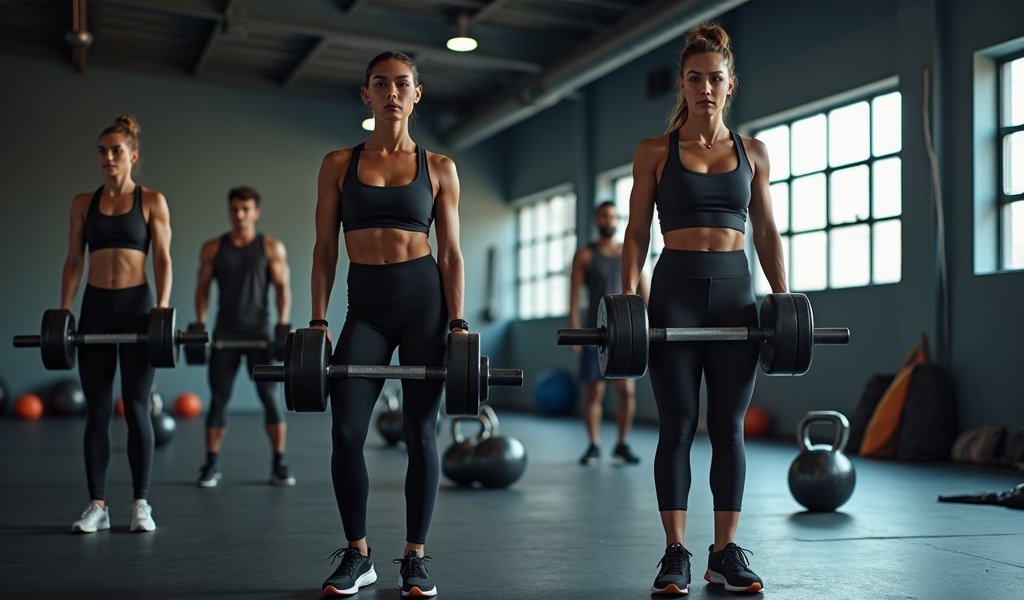
When it comes to pure strength development, nothing matches the barbell. The ability to progressively load heavy weights in small increments makes barbell training the gold standard for strength athletes worldwide.
According to Mark Rippetoe, renowned strength coach, “The barbell is the most important tool in the gym for getting strong, because it’s the most adaptable to increases in strength.” The numbers back this up—studies show compound barbell movements like squats and deadlifts can increase testosterone production by up to 30% compared to machine-based alternatives.
You’ll encounter three main barbell types:
- Standard barbells: Typically 5-6 feet with 1-inch diameter sleeves, suitable for home gyms
- Olympic barbells: 7 feet with 2-inch revolving sleeves, the competition standard
- Specialty bars: Safety squat bars, trap bars, and EZ curl bars designed for specific movements
For weight plates, you’ll typically choose between cast iron (durable, cost-effective), bumper plates (rubber-coated for dropping), or competition plates (precisely calibrated).
A quality Olympic barbell paired with a starter set of bumper plates ($500-700 total) provides the foundation for the “big three” strength movements: squats, deadlifts, and bench press. Together, these exercises activate approximately 85% of your body’s total musculature, making them unparalleled efficiency tools for strength development.
Medicine Balls: Dynamic Core and Power Training
Medicine balls bridge the gap between strength and speed, allowing you to develop explosive power through dynamic movements. Unlike static weights, medicine balls are meant to be thrown, slammed, and caught—training your body to generate force rapidly.
These weighted balls typically range from 2-30 pounds, with beginners usually starting between 6-10 pounds. A 2019 study in the Journal of Sports Science & Medicine found that incorporating medicine ball training twice weekly improved rotational power by 19% in recreational athletes after just 8 weeks.
Medicine balls shine in exercises like wall balls, rotational throws, and slams—movements that develop the reactive core strength essential for everyday activities and sports performance. Brands like Dynamax ($60-100) and Rogue ($40-90) offer durable options that withstand years of intense use.
They pair perfectly with an exercise mat for comfortable floor work while adding a dynamic element to otherwise static strength routines. The acceleration training they provide helps develop fast-twitch muscle fibers that traditional slow-tempo weight lifting might miss.
Ankle/Wrist Weights: Adding Intensity to Basic Movements
Sometimes the simplest additions yield surprising results. Ankle and wrist weights transform ordinary movements—walking, jogging, or even household chores—into strengthening exercises by increasing the load on your limbs.
These accessible fitness gear weights typically range from 1-10 pounds, with most beginners starting at 1-3 pounds. Research published in the Journal of Sports Medicine and Physical Fitness found that adding just 1.5 pounds of ankle weight increased calorie expenditure during walking by 7-8%, while engaging significantly more muscle activity in the legs.
When selecting ankle or wrist weights, look for adjustable options with secure fastening. Stylish wearable weights ($40-50) offer fashion-conscious options, while more traditional adjustable models ($15-30) provide excellent value and functionality.
A word of caution: while incredibly effective, ankle and wrist weights should be used judiciously. Start with lighter weights and shorter durations, particularly for activities like walking or aerobics, to avoid straining joints or altering your natural movement patterns.
Weighted Vests: Total Body Resistance
If you’re looking to supercharge bodyweight exercises, few tools are as effective as the weighted vest. By distributing additional weight across your torso, weighted vests intensify everything from push-ups and squats to hiking and running.
Modern weighted vests typically range from 10-100 pounds, with adjustable options allowing you to modify the resistance as needed. A study published in the European Journal of Applied Physiology found that training with weighted vests equivalent to 10-15% of body weight improved vertical jump performance by 11% after just six weeks.
When selecting a weighted vest, prioritize even weight distribution, adjustability, and a snug, bounce-free fit. Quality options include the tactical-style carriers ($200) for serious training and more affordable adjustable vests ($40-60) for beginners.
The beauty of weighted vests lies in their simplicity—they transform your body into the resistance equipment, making virtually any movement more challenging. Even basic activities like walking up stairs become effective strengthening exercises with a weighted vest.
Resistance Bands: The Portable Weight Alternative
Don’t let their lightweight appearance fool you—resistance bands deliver serious muscle activation while being the most portable option on our list. These versatile elastic bands provide variable resistance throughout a movement’s range of motion, often creating more tension at the points where muscles would otherwise get a “break.”
A comprehensive study in the Journal of Physical Therapy Science found that resistance band training was equally effective as traditional weight training for building strength in major muscle groups, with the added benefit of creating less joint stress. They’re particularly effective when integrated with exercise ball workouts for balanced total-body training.
Resistance bands come in various tensions, typically color-coded from light to extra-heavy. A complete set offering multiple resistance levels typically costs $20-40, with premium options ranging from $40-80.
What makes bands truly unique is their ability to provide resistance in multiple directions, unlike gravity-dependent free weights. This makes them ideal for rotational movements, lateral exercises, and rehabilitation purposes. Many professional athletes use resistance bands in conjunction with free weights to maximize muscle recruitment and minimize joint stress.
Creating a Complete Home Gym: Weight Combinations for Best Results
Now that we’ve explored each type of fitness gear weight, how do you combine them for optimal results? The answer depends on your goals, space, and budget.
For Beginners (Budget: $200-300):
- A set of adjustable dumbbells (5-25 pounds)
- One medium kettlebell (16kg/35lbs for men, 12kg/26lbs for women)
- A complete resistance band set
This combination provides enough variety for hundreds of exercises without overwhelming a newcomer.
For Intermediate Fitness Enthusiasts (Budget: $500-800):
- Expanded adjustable dumbbell set (up to 50+ pounds)
- 2-3 kettlebells in progressive weights
- Medicine ball (8-12 pounds)
- Weighted vest (10-20 pounds)
- Premium resistance bands
For Advanced Home Gym (Budget: $1,500+):
- Complete set of fixed dumbbells or high-end adjustable set
- Olympic barbell and 300+ pounds of weight plates
- Kettlebell set (light, medium, heavy)
- Specialized equipment like weighted vests and medicine balls
- Storage solutions for all equipment
If space is limited, prioritize adjustable equipment that offers multiple resistance levels in a single package. Wall-mounted storage and vertically-oriented weight racks can turn even a small apartment corner into a functional gym.
For those building gradually, start with a quality set of adjustable dumbbells—they provide the most versatility for the investment—then add specialized tools as your fitness journey progresses.
Conclusion: Choosing the Right Weights for Your Goals
The seven fitness gear weights we’ve explored—dumbbells, kettlebells, barbells with weight plates, medicine balls, ankle/wrist weights, weighted vests, and resistance bands—each offer unique benefits in your fitness arsenal. Like instruments in an orchestra, they work best when played together, creating a harmony of strength, power, and functional fitness.
Remember that quality equipment leads to quality results. While budget constraints are real, investing in well-made fitness gear pays dividends in safety, effectiveness, and longevity. A single quality barbell will outlast dozens of cheap alternatives, making it more economical in the long run.
The most successful fitness journeys aren’t about having every piece of equipment—they’re about consistently using the right tools for your specific goals. Start with versatile basics, master them completely, then expand your collection as your strength and skills grow.
Your choice of weights today will literally shape the body you build tomorrow. Choose wisely, train consistently, and watch as your fitness goals transform from distant dreams into lived reality, one rep at a time.
Frequently Asked Questions
What are the best weights for beginners?
Beginners should start with a set of light dumbbells (5-15 lbs) and resistance bands. These versatile options provide sufficient challenge while allowing proper form development.
How often should I increase the weight I’m using?
Follow the “2 for 2” rule: when you can perform two extra reps beyond your target for two consecutive workouts, it’s time to increase weight. This typically happens every 2-4 weeks for beginners and 4-8 weeks for advanced lifters.
Are adjustable dumbbells worth the investment?
Adjustable dumbbells offer excellent value for home gyms, saving both money and space compared to buying multiple fixed-weight pairs. Quality adjustable sets can last 10+ years with proper care.
Can resistance bands replace free weights entirely?
Resistance bands can provide complete workouts and are excellent for beginners, rehabilitation, and travel. However, progressive strength athletes will eventually benefit from adding free weights for maximum loading potential.
How much should I expect to spend on quality fitness weights?
A quality starter set of weights (adjustable dumbbells and resistance bands) costs $200-300, while a comprehensive home gym setup ranges from $1,000-2,500. Remember that quality weights are an investment that typically last decades.
Pingback: 10 Best Wellness Gifts to Supercharge Your Health & Fitness - achievehealthgoals.com