

Overview
Feta cheese offers significant nutritional benefits including high protein and calcium content, beneficial probiotics, and B vitamins, while containing fewer calories than many other cheeses. Beyond its potential anti-cancer properties, feta can be enjoyed in numerous Mediterranean-inspired dishes, though those with high blood pressure or milk allergies should consume it mindfully.
Table of Contents
- What is Feta Cheese?
- Nutritional Profile of Feta Cheese
- Benefit 1: Excellent Source of Protein and Calcium
- Benefit 2: Lower in Calories Than Many Cheeses
- Benefit 3: Contains Beneficial Probiotics
- Benefit 4: Rich in Phosphorus for Bone Health
- Benefit 5: Source of B Vitamins
- Benefit 6: May Have Anti-Cancer Properties
- Who Should Limit Feta Cheese Consumption?
- Creative Ways to Enjoy Feta Cheese
- Conclusion
- Frequently Asked Questions
What is Feta Cheese?
Let’s talk about feta cheese, one of my absolute favorite ingredients to recommend to clients! 🧀 This tangy, crumbly white cheese has been a staple in Greek cuisine for centuries, and for good reason. Originating from Greece, authentic feta is made from sheep’s milk or a blend of sheep and goat’s milk, giving it that distinctive sharp flavor we’ve all come to love.
Feta cheese nutrition has become a hot topic in recent years as more people embrace Mediterranean cuisine and its renowned health benefits. Unlike many processed cheeses, feta offers a remarkable nutrient profile while adding incredible flavor to dishes with relatively fewer calories.
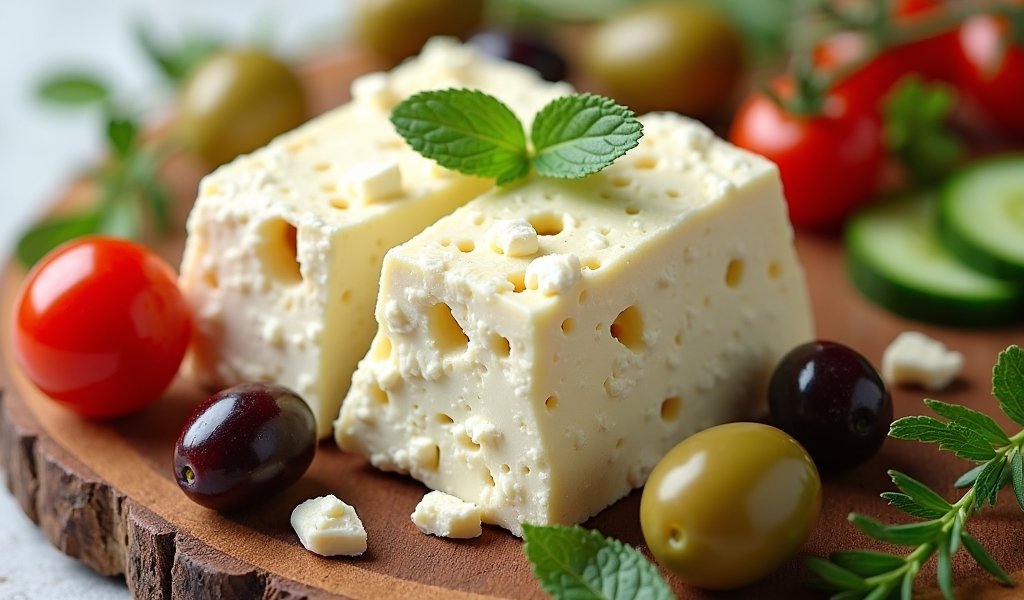
The production process of feta involves curdling the milk, then letting it drain in special molds before it’s cut into blocks and placed in saltwater brine for aging. This traditional method not only preserves the cheese but also contributes to its unique taste and nutritional qualities. The brine solution is key to feta’s signature tangy profile and helps maintain its soft, crumbly texture.
Nutritional Profile of Feta Cheese
Before diving into the specific health benefits, let’s break down what’s actually in feta cheese. Understanding feta cheese nutrition can help you make informed decisions about incorporating it into your diet. 📊
A typical 1-ounce (28-gram) serving of feta cheese contains:
- Calories: 74
- Protein: 4 grams
- Fat: 6 grams (4.2 grams saturated)
- Carbohydrates: 1.2 grams
- Sodium: 260-360 mg (varies by brand)
- Calcium: 140 mg (14% of Daily Value)
- Phosphorus: 96 mg (10% of Daily Value)
- Vitamin B12: 0.5 mcg (21% of Daily Value)
- Riboflavin (B2): 0.3 mg (19% of Daily Value)
What makes feta stand out nutritionally is its impressive protein content for its caloric value. Compared to many other cheeses, it delivers more protein per calorie, making it a smart choice for those looking to increase their protein intake without excessive calories.
The fat content in feta is worth noting too. While it does contain saturated fat, the proportion is lower than in many other cheeses. Plus, when made traditionally with sheep and goat milk, feta contains different fatty acid profiles than cow’s milk cheeses, potentially offering unique health benefits.
Benefit 1: Excellent Source of Protein and Calcium
One of the standout aspects of feta cheese nutrition is its impressive protein and calcium content. 💪 As a dietitian, I’m always looking for foods that deliver multiple nutrients in one package, and feta definitely fits the bill!
With about 4 grams of protein per ounce, feta helps support muscle maintenance and growth. Protein is essential for nearly every function in your body, from building and repairing tissues to making enzymes and hormones. What’s particularly valuable about the protein in feta is that it’s complete, meaning it contains all nine essential amino acids your body can’t produce on its own.
The calcium content is equally impressive. Each serving provides about 14% of your daily calcium needs, supporting bone health, proper muscle function, and nerve transmission. This is especially important for women, who face higher risks of osteoporosis as they age. In fact, regular consumption of calcium-rich foods like feta may help reduce the risk of bone fractures and maintain bone density over time.
For those who don’t consume whole milk or other dairy products frequently, incorporating feta into your meals can be a delicious way to boost your calcium intake. Its strong flavor means a little goes a long way, allowing you to reap the nutritional benefits without overdoing calories.
Benefit 2: Lower in Calories Than Many Cheeses
If you’re watching your calorie intake but still want to enjoy cheese (aren’t we all?), feta is one of your best options! 🥗 At approximately 74 calories per ounce, feta contains fewer calories than many popular cheeses like cheddar (113 calories), swiss (108 calories), or brie (95 calories per ounce).
This calorie difference might seem small, but it adds up over time. The bold flavor of feta means you often need less of it to satisfy your cheese cravings, further reducing the calorie impact. For my clients who are working on weight management, I often recommend using feta as a flavor-boosting ingredient that won’t break their calorie bank.
The lower calorie content of feta is partly due to its production process. During cheese-making, much of the fat-containing cream separates from the whey, and feta retains less fat than harder, aged cheeses. This makes it a smart choice for adding big flavor with minimal caloric impact.
I often suggest sprinkling feta on salads, roasted vegetables, or whole grain dishes instead of using higher-calorie cheeses. This simple swap can save calories while actually enhancing the Mediterranean flavor profile of your meals.
Benefit 3: Contains Beneficial Probiotics
Did you know that feta cheese can contribute to your gut health? 🦠 As a fermented food, traditionally made feta contains probiotics – those friendly bacteria that support your digestive system and overall health.
During the fermentation process, beneficial bacteria like Lactobacillus plantarum, Lactobacillus brevis, and Lactobacillus paracasei develop in the cheese. These probiotics can help maintain a healthy balance of gut flora, which is increasingly being linked to numerous aspects of health, from digestion to immune function and even mood regulation.
The probiotics in feta may help improve digestion and reduce symptoms of digestive discomfort. They work by helping break down foods, producing beneficial compounds, and preventing harmful bacteria from colonizing your gut. Some research suggests that the specific strains found in fermented dairy products like feta may even have anti-inflammatory properties.
For maximum probiotic benefits, look for traditionally made feta that hasn’t been heavily processed or heat-treated, as high temperatures can kill off the beneficial bacteria. Artisanal and authentic Greek feta is typically your best bet for probiotic content.
Benefit 4: Rich in Phosphorus for Bone Health
When we talk about bone health, calcium usually gets all the attention – but phosphorus deserves some spotlight too! 🦴 Feta cheese nutrition includes a significant amount of phosphorus, with about 10% of your daily needs in a single ounce.
Phosphorus works hand-in-hand with calcium to build and maintain strong bones and teeth. In fact, about 85% of the phosphorus in your body is found in your bones and teeth in the form of calcium phosphate. This mineral duo creates the structural component that gives your bones their strength and rigidity.
Beyond bone health, phosphorus plays crucial roles in energy production, cell repair, and proper kidney function. It’s also necessary for the body to utilize B vitamins efficiently and helps maintain a normal pH balance in the body.
The beauty of getting phosphorus from whole foods like feta cheese is that it comes packaged with other complementary nutrients. While you can take supplements, the synergistic effect of nutrients working together in whole foods is typically more beneficial for overall health.
Benefit 5: Source of B Vitamins
Let’s talk about the B vitamin content in feta cheese – it’s quite impressive! 🧠 Feta provides significant amounts of riboflavin (B2) and B12, two vitamins that play essential roles in energy production and nervous system function.
Vitamin B12, found almost exclusively in animal products, is crucial for red blood cell formation, neurological function, and DNA synthesis. With feta providing about 21% of your daily B12 needs per ounce, it can be especially valuable for those who don’t consume much meat or who follow a flexitarian approach to eating.
Riboflavin (vitamin B2) helps convert food into energy and acts as an antioxidant in the body. It supports cellular function, growth, and development while helping to metabolize carbohydrates, proteins, and fats. The riboflavin in feta (about 19% of your daily needs per ounce) contributes to skin health, vision, and the proper functioning of the digestive tract.
For vegetarians who include dairy in their diet, feta can be an important source of B12, which is otherwise difficult to obtain from plant foods alone without supplementation. Including feta in Mediterranean-inspired vegetarian meals can help ensure adequate intake of these crucial B vitamins.
Benefit 6: May Have Anti-Cancer Properties
Emerging research suggests that feta cheese might offer some protection against certain cancers – yet another reason to enjoy this Mediterranean staple! 🔬 While this area of study is still developing, the findings are promising and worth discussing.
Several components in feta may contribute to its potential cancer-fighting properties. For one, feta contains conjugated linoleic acid (CLA), a fatty acid that has shown anti-cancer effects in numerous studies. CLA may help inhibit the growth of cancer cells and reduce inflammation that can contribute to cancer development.
Additionally, the probiotics in traditionally made feta may play a role in cancer prevention by supporting gut health. A healthy gut microbiome helps eliminate potential carcinogens from the body and produces compounds that may protect against colorectal cancer.
The high calcium content in feta has also been associated with a reduced risk of colorectal cancer in some studies. Calcium may bind to potential carcinogens and bile acids in the colon, preventing them from damaging the intestinal lining and promoting cancer growth.
While these properties are encouraging, it’s important to view feta as part of an overall healthy dietary pattern rather than a miracle food. The Greek food diet, rich in whole foods including moderate amounts of dairy like feta, has consistently been linked to lower rates of various cancers and chronic diseases.
Who Should Limit Feta Cheese Consumption?
Despite its many benefits, feta cheese isn’t ideal for everyone. 🚫 Certain individuals should be cautious about including it in their diet or may need to limit their consumption.
People with high blood pressure or heart conditions should be mindful of feta’s sodium content. With 260-360 mg of sodium per ounce (about 11-15% of the recommended daily limit), it’s considered a high-sodium food. If you’re watching your sodium intake, you might try rinsing feta briefly before using it to reduce the salt content, or simply use smaller amounts.
Those with lactose intolerance may actually tolerate feta better than many other cheeses. During the cheese-making process, much of the lactose (milk sugar) is removed with the whey. Feta contains about 1.2 grams of carbohydrates per ounce, with most of that being lactose – considerably less than milk or soft cheeses.
Individuals with milk allergies (different from lactose intolerance) should avoid feta altogether, as it contains milk proteins that can trigger allergic reactions. Similarly, those following a strict vegan diet would exclude feta and other animal-derived foods.
Pregnant women should ensure they’re consuming pasteurized feta cheese to eliminate the risk of Listeria contamination, which can cause serious complications during pregnancy. Most commercially available feta in the U.S. is pasteurized, but it’s always wise to check the label.
Creative Ways to Enjoy Feta Cheese
Now for the fun part – let’s talk about delicious ways to incorporate feta cheese into your meals! 🍽️ With its distinctive flavor and crumbly texture, feta can elevate even the simplest dishes.
Here are some of my favorite ways to enjoy feta cheese:
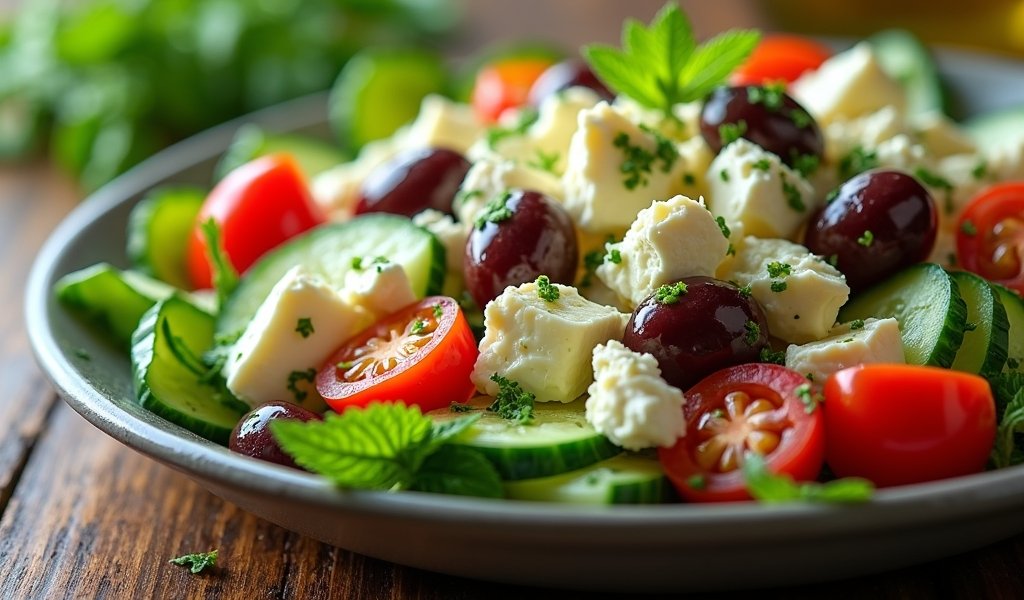
- Classic Greek Salad: Combine tomatoes, cucumbers, red onions, olives, and a sprinkle of feta for a refreshing lunch
- Baked Feta: Drizzle a block of feta with olive oil and herbs, then bake until warm and slightly melted
- Grain Bowls: Add feta to quinoa or farro bowls with roasted vegetables for a protein boost
- Egg Dishes: Incorporate into omelets, frittatas, or scrambled eggs for a Mediterranean twist
- Watermelon Feta Salad: Try the surprisingly delicious combination of sweet watermelon with salty feta and mint
- Stuffed Vegetables: Use feta as part of the filling for stuffed peppers, tomatoes, or zucchini
- Pasta Dishes: Crumble over pasta with olive oil, garlic, and vegetables
- Whipped Feta Dip: Blend feta with Greek yogurt for a creamy dip for vegetables or whole grain crackers
For a lighter option, consider using feta as your primary cheese and reducing the quantity. Its robust flavor means a little goes a long way – just a quarter cup (about 1 ounce) crumbled over a salad or grain bowl adds significant flavor with modest calorie impact.
To preserve feta’s flavor and texture, store it in brine or milk rather than leaving it dry in the refrigerator. This prevents it from drying out and maintains its creamy consistency. Properly stored feta can last up to a month in the refrigerator.
Conclusion
Feta cheese nutrition offers a compelling package of benefits that make it a valuable addition to a balanced diet. 🧀 From its impressive protein and calcium content to its probiotic potential and lower calorie profile compared to many other cheeses, feta deserves its place in the spotlight of nutritious foods.
What makes feta particularly special is how it embodies the Mediterranean approach to eating – it’s flavorful enough that a small amount satisfies, it’s minimally processed, and it fits perfectly into meals centered around vegetables, whole grains, and healthy fats. This aligns with what we know about the healthiest dietary patterns worldwide.
As with any food, moderation is key. Enjoying feta as part of a varied diet rich in whole foods allows you to benefit from its nutritional offerings without overdoing sodium or saturated fat. Whether sprinkled on a salad, crumbled over roasted vegetables, or featured in your favorite Mediterranean dish, feta can be part of a delicious and nutritious eating pattern.
So next time you’re at the grocery store, consider picking up some feta cheese to add both flavor and nutrition to your meals. Your taste buds and your body will thank you!
Frequently Asked Questions
Is feta cheese healthier than other cheeses?
Feta tends to be lower in calories and fat than many other cheeses while offering high protein content. It also contains beneficial probiotics not found in all cheeses.
How much feta cheese can I eat daily?
A reasonable portion is about 1 ounce (28 grams) or ¼ cup crumbled. This provides nutrients without excessive sodium or calories.
Is feta cheese high in cholesterol?
Feta contains less cholesterol than many other cheeses at about 25mg per ounce. Current dietary guidelines focus less on cholesterol intake and more on overall dietary patterns.
Can I eat feta cheese if I’m lactose intolerant?
Many people with lactose intolerance can tolerate feta because it contains less lactose than milk or soft cheeses. Start with small amounts to test your tolerance.
What’s the difference between Greek and non-Greek feta?
Authentic Greek feta is made from sheep’s milk or a combination of sheep and goat’s milk. Non-Greek versions often use cow’s milk, which creates a different flavor and texture.