
Overview
This article outlines seven evidence-based nutritional strategies for managing and potentially reversing fatty liver disease, including reducing sugar intake, following a Mediterranean diet, increasing fiber consumption, choosing liver-friendly fats, consuming antioxidant-rich foods, maintaining proper hydration, and considering coffee and tea as beneficial additions. Beyond diet, the article emphasizes the importance of regular physical activity, weight management, quality sleep, and stress reduction as complementary factors in supporting optimal liver health and recovery.
Table of Contents
- Understanding Fatty Liver: What’s Happening Under Your Ribs
- The Sweet Saboteur: How Sugar Impacts Your Liver
- Mediterranean Magic: Your Liver’s Favorite Eating Pattern
- Fiber: Your Liver’s Best Friend in the Food World
- Not All Fats Are Created Equal: Choosing Liver-Friendly Options
- Antioxidant Allies: Colorful Protection for Your Liver
- The Fluid Factor: Why Hydration Matters for Liver Health
- The Surprising Heroes: Coffee and Tea for Liver Health
- Putting It All Together: Your Practical Liver-Loving Plan
- Beyond Your Plate: Other Factors in Liver Health
- Conclusion: Your Liver’s Second Chance
- Frequently Asked Questions
Understanding Fatty Liver: What’s Happening Under Your Ribs
Imagine your liver as the ultimate multitasker in your body’s corporate structure – quietly processing toxins, managing fat storage, producing essential proteins, and regulating blood sugar levels without demanding a single thank you. But when fat starts accumulating in this hardworking organ (exceeding 5-10% of its weight), it’s like your body’s most diligent employee suddenly drowning in paperwork – things start to break down.
Fatty liver disease has become astonishingly common, affecting about 25% of people worldwide – that’s one in four of us walking around with a liver that’s crying out for help. And here’s the kicker: many people don’t even know they have it until things get serious.
There are two main varieties of this condition: non-alcoholic fatty liver disease (NAFLD), which is linked to metabolic issues like insulin resistance and obesity, and alcoholic fatty liver disease, which develops from excessive alcohol consumption. Think of NAFLD as getting a traffic ticket when your car was parked in the garage – it seems unfair, but your metabolic factors are working against you.
The good news? Your fork can be your most powerful medicine. What you eat directly impacts your liver health, and making strategic dietary changes can not only halt the progression of fatty liver disease but potentially reverse it. As a Mediterranean diet for fatty liver shows, certain eating patterns can significantly reduce liver fat even without dramatic weight loss.
Let’s explore seven evidence-based nutritional strategies that can transform your liver from overwhelmed to optimized. These aren’t quick fixes or trendy hacks – they’re sustainable approaches supported by serious research.

The Sweet Saboteur: How Sugar Impacts Your Liver
If your liver could create a “Most Unwanted” list, excessive sugar would be right at the top, wearing a villainous disguise. When you consume refined sugar and simple carbohydrates, your body experiences a cascade of events that can lead directly to fatty liver.
Here’s what happens: Your blood sugar spikes, triggering an insulin release. When this happens chronically (hello, daily soda and pastry habit), your liver activates a process called de novo lipogenesis – literally “creating new fat.” It’s like your liver becomes an unwilling fat factory, converting excess sugar into fat that gets stored right there in liver tissue.
The sneakiest part? Sugar hides everywhere in modern foods, masquerading behind more than 50 different names on ingredient labels. High fructose corn syrup, dextrose, maltose, sucrose – they’re all essentially the same troublemaker in different costumes.
To give your liver a fighting chance:
- Replace refined carbs (white bread, regular pasta, sugary cereals) with whole grain alternatives that digest more slowly
- Cut back dramatically on sweetened beverages – a single can of soda can contain more added sugar than you should consume in an entire day
- Watch for hidden sugars in “healthy” foods like flavored yogurt, granola bars, and even tomato sauce
- Satisfy your sweet tooth with whole fruits – their fiber helps slow sugar absorption and they provide beneficial nutrients
One patient I worked with, a 42-year-old marketing executive with early-stage fatty liver, eliminated just one item – his daily 20oz sweetened coffee drink – and saw meaningful improvements in his liver enzyme tests within two months. Sometimes, it’s the small changes that create the first domino effect toward healing.
Remember, your liver doesn’t distinguish between sugar sources the way your taste buds do. That organic cane sugar in your “natural” cookies is processed almost identically to the high fructose corn syrup in a convenience store candy bar. Both can contribute to fatty liver when consumed regularly.
Mediterranean Magic: Your Liver’s Favorite Eating Pattern
If diets were characters in a movie, the Mediterranean diet would be the unassuming hero that saves the day while everyone else is still arguing about who gets to wear the cape. This eating pattern, inspired by traditional foods of countries bordering the Mediterranean Sea, has consistently shown impressive benefits for liver health.
What makes it so special? Think of it as the perfect storm of liver-loving components: abundant plant foods, moderate amounts of seafood, limited red meat, olive oil as the primary fat, and minimal processed foods. It’s like giving your liver exactly what it needs to thrive while removing what harms it.
A landmark study published in the Journal of Hepatology found that following a Mediterranean eating pattern reduced liver fat even without significant weight loss. Participants saw improvements in just six weeks – that’s faster than it takes most people to receive a package they ordered online!
A typical day on a Mediterranean-style eating plan might look like:
- Breakfast: Greek yogurt topped with berries, a drizzle of honey, and chopped walnuts
- Lunch: Lentil soup with a side salad dressed in olive oil and lemon juice
- Dinner: Baked fish with a generous portion of roasted vegetables and a small serving of whole grains
- Snacks: A handful of olives, an apple, or a small portion of nuts
What makes this approach particularly powerful is its emphasis on plant-based diet meal plans while still allowing flexibility. You’re not cutting out entire food groups or obsessively counting anything – you’re simply shifting your plate to emphasize foods that reduce inflammation and support liver function.
Maria, a 58-year-old teacher I worked with, adopted Mediterranean-style eating after her fatty liver diagnosis. “I was worried I’d feel deprived,” she told me, “but I actually discovered so many delicious foods I hadn’t tried before. My liver enzymes normalized within three months, and I don’t even feel like I’m on a ‘diet’ anymore – it’s just how I eat now.”
Fiber: Your Liver’s Best Friend in the Food World
If your liver could send thank you cards, fiber would receive one every day. This unsung nutritional hero plays a crucial role in liver health, yet most Americans get less than half the recommended amount. It’s like trying to clean your house with half a broom – technically possible, but far from optimal.
Fiber, particularly soluble fiber, works its liver-loving magic in several ways. It helps manage blood sugar levels (preventing those spikes that trigger fat production), supports healthy gut bacteria (which influence metabolism), and promotes regular bile production (helping remove waste from the liver).
Think of fiber as your internal cleanup crew, keeping things moving smoothly so toxins don’t linger and cause trouble. The research backing fiber’s benefits for fatty liver is robust, with studies showing that higher fiber intake is associated with reduced liver fat and inflammation.
Your liver particularly appreciates these fiber superstars:
- Oats and barley (containing special fibers called beta-glucans)
- Legumes (beans, lentils, chickpeas)
- Fruits with edible skins and seeds (berries, apples, pears)
- Chia and flax seeds (providing both soluble fiber and beneficial omega-3s)
- Cruciferous vegetables (broccoli, Brussels sprouts, cabbage)
Aim for 25-30 grams of fiber daily, but increase your intake gradually to avoid digestive discomfort. It’s like upgrading your internet speed – jumping from slow to super-fast overnight might cause a system crash; a gradual increase allows for smooth adaptation.
One practical tip: adding just 1 tablespoon of chia seeds to your morning smoothie or oatmeal adds about 5 grams of fiber – that’s 20% of your daily goal in one small addition. Small changes like this can add up to significant benefits for your liver over time.
Not All Fats Are Created Equal: Choosing Liver-Friendly Options
When it comes to liver health, thinking about fat is like considering friends – some build you up and support your best interests, while others… well, let’s just say they don’t have your liver’s best intentions at heart. Understanding which fats help and which harm your liver can make a tremendous difference in managing and reversing fatty liver disease.
The fats that tend to promote liver inflammation and fat storage include trans fats (found in many processed foods) and excessive amounts of omega-6 fatty acids (found in many vegetable oils like corn, sunflower, and soybean oil). When these dominate your diet, it’s like constantly exposing your liver to low-grade irritants – over time, damage accumulates.
On the flip side, certain fats actually support liver health:
- Monounsaturated fats from olive oil, avocados, and most nuts
- Omega-3 fatty acids from fatty fish, walnuts, and flaxseeds
- Medium-chain triglycerides found in coconut oil (in moderation)
Omega-3 fatty acids deserve special attention in the fatty liver conversation. Research published in the World Journal of Gastroenterology has shown that these fatty acids can reduce liver fat, decrease inflammation, and improve insulin sensitivity. For someone with fatty liver, that’s like hitting the nutritional jackpot!
Practical fat swaps to support your liver:
- Use extra virgin olive oil instead of vegetable oil for low-heat cooking and salad dressings
- Choose avocado oil for higher-heat cooking
- Eat fatty fish like salmon or sardines twice weekly
- Add a small handful of walnuts to your daily diet
- Limit fried foods and commercially baked goods (which often contain damaged fats)
Remember that even healthy fats should be consumed in appropriate portions. Your liver appreciates quality over quantity when it comes to fats – much like how we all prefer a few close, supportive friends over a crowd of questionable acquaintances.
Antioxidant Allies: Colorful Protection for Your Liver
Your liver is constantly under attack from free radicals – unstable molecules that damage cells through oxidative stress. It’s like your liver is a medieval castle constantly fending off invaders. Antioxidants are your liver’s knights in shining armor, neutralizing these threats before they can cause harm.
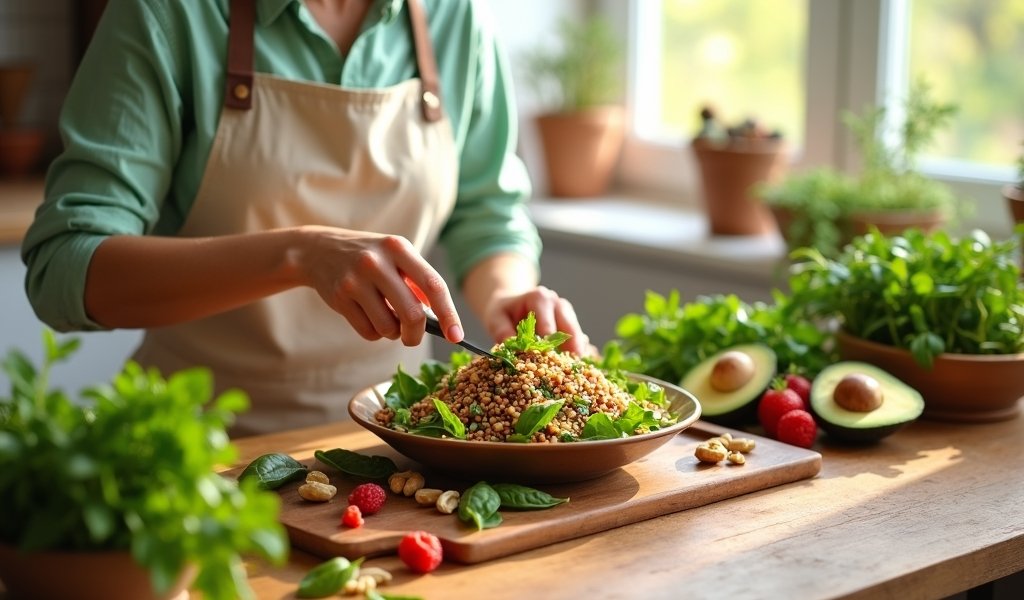
The best source of these protective compounds? Colorful fruits and vegetables. Mother Nature has conveniently color-coded her foods to help us identify their beneficial properties – each hue represents different antioxidants with unique liver-protecting benefits.
Think of eating the rainbow as assembling your liver’s defense team:
- Red foods (tomatoes, watermelon, red peppers) contain lycopene, which helps reduce inflammation
- Orange/Yellow foods (carrots, sweet potatoes, mangoes) provide beta-carotene that supports overall liver function
- Green foods (leafy greens, broccoli, avocados) offer chlorophyll and other compounds that aid detoxification
- Blue/Purple foods (berries, grapes, eggplant) contain anthocyanins that help reduce liver fat accumulation
- White foods (garlic, onions, mushrooms) provide allicin and selenium that support liver enzyme function
Some antioxidant superstars deserve special mention. Cruciferous vegetables like broccoli, Brussels sprouts, and kale contain compounds that activate liver enzymes responsible for neutralizing toxins. It’s like they provide your liver with extra ammunition against harmful substances.
Turmeric, with its active compound curcumin, has shown particular promise for liver health. Studies suggest it can reduce liver inflammation and even help prevent the progression of fatty liver to more serious conditions. Adding a pinch of black pepper improves curcumin absorption by up to 2,000% – nature’s perfect partnership!
The beauty of antioxidant-rich foods is that they work synergistically – their combined effect is greater than what each could do alone. It’s like how a great team accomplishes more than individual players working separately. Aim to include at least one antioxidant-rich food in every meal to provide continuous support for your hardworking liver.
The Fluid Factor: Why Hydration Matters for Liver Health
Water might seem too simple to be medicinal, but when it comes to liver health, proper hydration is like giving your internal filter a power wash. Your liver relies on adequate fluid intake to effectively remove toxins from your blood and process nutrients efficiently.
When you’re dehydrated, your blood becomes more concentrated, making your liver work harder to filter it – imagine trying to strain thick honey versus water through a sieve. Over time, this added strain can impair liver function and slow recovery from fatty liver disease.
How much water is enough? While individual needs vary based on activity level, climate, and overall health, a good starting point is about 8-10 cups (64-80 ounces) daily. Your urine provides a simple hydration gauge – pale yellow generally indicates proper hydration, while darker yellow suggests you need more fluids.
Beyond plain water, certain beverages may offer additional liver benefits:
- Lemon water (the citric acid may help stimulate liver enzyme function)
- Dandelion tea (traditionally used to support liver detoxification)
- Milk thistle tea (contains silymarin, which some studies suggest may help protect liver cells)
- Ginger or turmeric infusions (provide anti-inflammatory compounds)
What you don’t drink is equally important. Alcohol directly damages liver cells and accelerates the progression of fatty liver disease. Even moderate alcohol consumption can be problematic for someone with existing liver issues – it’s like throwing matches around when you’re already dealing with a smoldering fire.
Sugary beverages are another liver stressor, as they flood your system with simple sugars that can be converted to fat. A single 20-ounce soda contains about 16 teaspoons of sugar – imagine spooning that directly into your liver!
One of my patients, a busy executive with early-stage fatty liver, made a simple change of carrying a water bottle everywhere and setting phone reminders to drink. Within weeks, he reported more energy and clearer thinking – unexpected benefits of better liver function through improved hydration.
The Surprising Heroes: Coffee and Tea for Liver Health
Here’s news that might perk you up: your morning coffee ritual could be helping your liver more than you realize. Numerous studies have shown that regular coffee consumption is associated with a reduced risk of fatty liver disease, fibrosis, cirrhosis, and even liver cancer. It’s like discovering your favorite comfort food is actually a superfood in disguise!
Coffee contains hundreds of compounds beyond caffeine, including antioxidants called chlorogenic acids that appear to reduce inflammation and inhibit the development of fatty liver. The benefits appear to be dose-dependent, with studies suggesting 2-3 cups daily provides optimal protection.
Green tea deserves its own spotlight in the liver health conversation. Rich in catechins (particularly a powerful one called EGCG), green tea has been shown in several studies to help reduce liver fat and inflammation. It’s like having a gentle, daily liver detox in your favorite mug.
A meta-analysis published in Liver International examined multiple studies and found that people who regularly drink coffee have a significantly lower risk of liver fibrosis and cirrhosis compared to non-coffee drinkers. The protective effect was consistent across different populations and study designs.
For optimal benefits:
- Choose quality coffee beans and tea leaves – organic when possible
- Limit sugar and high-fat creamers that can counteract the benefits
- Consider brewing methods – unfiltered coffee (like French press) contains beneficial compounds but also higher levels of cafestol, which can raise cholesterol in some people
- Remember that timing matters – caffeine consumed too late in the day can disrupt sleep, which is also important for liver health
Don’t like coffee or tea? Don’t worry – while these beverages appear to offer liver benefits, they’re complementary to the dietary strategies we’ve discussed, not replacements for them. Think of coffee and tea as bonus points in your liver health game, not the main score.
Putting It All Together: Your Practical Liver-Loving Plan
Knowledge without action is like having a fantastic recipe but never cooking the meal. Let’s translate these evidence-based strategies into a practical approach that you can actually implement in your busy life. After all, the best liver diet is one you can sustain.
Start with small, consistent changes rather than attempting a complete dietary overhaul overnight. Your liver appreciates steady improvement more than perfect but short-lived efforts – it’s a marathon, not a sprint.
Here’s a simple 3-day meal plan that incorporates the liver-friendly principles we’ve discussed:
Day 1
- Breakfast: Overnight oats made with almond milk, cinnamon, a handful of berries, and a tablespoon of ground flaxseed
- Lunch: Large salad with mixed greens, chickpeas, olive oil and lemon dressing, and a small portion of grilled chicken
- Dinner: Baked salmon with roasted Brussels sprouts and sweet potato
- Snacks: Apple slices with a small handful of walnuts; green tea
Day 2
- Breakfast: Vegetable omelet with spinach, tomatoes, and mushrooms; slice of whole grain toast
- Lunch: Lentil soup with a side of mixed greens and olive oil dressing
- Dinner: Stir-fried tofu with broccoli, bell peppers, and a small portion of brown rice
- Snacks: Greek yogurt with berries; turmeric tea
Day 3
- Breakfast: Smoothie with spinach, banana, avocado, chia seeds, and unsweetened almond milk
- Lunch: Quinoa bowl with roasted vegetables, chickpeas, and tahini dressing
- Dinner: Grilled chicken with a large portion of steamed vegetables and a small serving of whole grain pasta
- Snacks: Raw vegetables with hummus; coffee
For those dealing with insulin resistance, which often accompanies fatty liver, be particularly mindful of carbohydrate quality and portion sizes. Focusing on whole foods rather than processed options makes a tremendous difference in how your body processes the carbohydrates you consume.
When dining out (because real life includes restaurants), try these strategies:
- Review the menu online beforehand to identify liver-friendly options
- Don’t arrive starving – have a small healthy snack beforehand to avoid overeating
- Ask for dressings and sauces on the side
- Request extra vegetables instead of refined carbohydrates
- Consider splitting entrees or immediately boxing half for later
Remember that perfection is not required – consistency matters more than occasional indulgences. One client who successfully reversed her fatty liver told me her 80/20 approach worked best – making liver-healthy choices 80% of the time while allowing flexibility for special occasions and favorite treats.
Beyond Your Plate: Other Factors in Liver Health
While what you eat plays a starring role in liver health, it’s part of a larger cast of lifestyle factors that influence your liver’s wellbeing. Think of diet as the foundation, with other elements building upon that base to create optimal liver function.
Regular physical activity deserves top billing alongside nutrition. Exercise helps reduce liver fat even without significant weight loss by improving insulin sensitivity and promoting fat metabolism. It’s like giving your liver a helping hand in processing fats.
Aim for at least 150 minutes of moderate activity weekly – that’s just 30 minutes, five days a week. This could be brisk walking, swimming, cycling, or dancing – whatever you enjoy enough to stick with. Add strength training twice weekly to build muscle, which further improves metabolic health.
Weight management significantly impacts liver health, with even a modest 5-10% reduction in body weight showing remarkable improvements in liver fat levels. But here’s the important part – focus on sustainable approaches rather than crash diets, which can actually stress your liver further. The dietary principles we’ve discussed naturally support healthy weight without extreme restrictions.
Quality sleep might seem unrelated to liver health, but research suggests otherwise. Poor or insufficient sleep disrupts hormones that regulate appetite and metabolism, potentially contributing to fatty liver development. Most adults need 7-9 hours of quality sleep nightly – think of it as your liver’s recovery time.
Stress management also deserves attention in the liver health conversation. Chronic stress triggers hormonal changes that can promote fat storage in the liver and throughout the body. Finding effective stress-reduction techniques – whether meditation, yoga, deep breathing, or simply spending time in nature – complements your dietary efforts.
Finally, be mindful of medications and supplements. Some over-the-counter and prescription medications can affect liver function, as can certain supplements, particularly when taken in high doses. Always consult healthcare providers about potential liver effects of medications, and never stop prescribed medications without professional guidance.
Conclusion: Your Liver’s Second Chance
Your liver – that remarkable, resilient organ – has an incredible capacity for healing when given the right tools. The dietary strategies we’ve explored provide a comprehensive approach to supporting your liver’s health and potentially reversing fatty liver disease.
To recap our liver-loving diet principles:
- Reduce sugar and refined carbohydrates
- Embrace Mediterranean-style eating
- Increase fiber intake
- Choose liver-friendly fats
- Add antioxidant-rich foods
- Maintain proper hydration
- Consider including coffee and green tea
Remember that sustainable changes happen gradually. You don’t need to perfect all seven strategies overnight – choose one area to focus on each week, building a pattern of eating that supports not just your liver, but your overall health.
The power of nutritional intervention for fatty liver cannot be overstated. Many of my patients have seen dramatic improvements in liver enzyme tests, decreased liver fat on follow-up imaging, and resolution of symptoms like fatigue and discomfort – all through focused dietary changes supported by appropriate exercise and lifestyle modifications.
Your liver has been silently supporting you your entire life – now it’s time to return the favor, one healthy meal at a time. The journey toward liver health isn’t about perfection but progress. Every liver-friendly choice moves you in the right direction, and it’s never too late to start.
Here’s to your liver’s second chance – and the vibrant health that comes with it!
Frequently Asked Questions
Can fatty liver disease be completely reversed through diet?
Yes, early to moderate stages of fatty liver disease can often be completely reversed through dietary changes and lifestyle modifications. Research shows that consistent adherence to a liver-friendly diet can normalize liver fat levels within 3-12 months for many people.
How quickly can I expect to see improvements in my liver health?
Initial improvements in liver enzymes can appear within 2-4 weeks of consistent dietary changes. More significant changes in liver fat content typically take 3-6 months to become evident on imaging tests.
Should I avoid all fat if I have fatty liver disease?
No, avoiding all fat is neither necessary nor beneficial. Focus on replacing unhealthy fats (trans fats and excess saturated fats) with healthy options like olive oil, avocados, nuts, and fatty fish that actually support liver health.
Is weight loss necessary to improve fatty liver?
While weight loss helps, you can improve liver health even without significant weight reduction by focusing on diet quality. Research shows that following a Mediterranean eating pattern reduces liver fat even without major weight changes.
Can I drink alcohol in moderation with fatty liver disease?
Most hepatologists recommend complete abstinence from alcohol for people with diagnosed fatty liver disease. Even moderate alcohol consumption can accelerate liver damage and interfere with the healing process.