
Overview
This article explains that reducing belly fat requires a combination of cardio exercises, strength training, HIIT workouts, and mindful movement practices like yoga and Pilates, alongside proper nutrition, stress management, and adequate sleep. The most effective approach isn’t about finding one “magic” exercise but creating sustainable lifestyle habits that address all aspects of health while setting realistic goals and tracking progress beyond just weight measurements.
Table of Contents
- Understanding Belly Fat: What Causes It and Why It Matters
- Cardio Exercises That Target Belly Fat
- Strength Training: Your Secret Weapon Against Belly Fat
- HIIT Workouts: Maximize Fat Burn in Minimal Time
- Yoga and Pilates for Core Strength and Belly Fat Reduction
- Beyond Exercise: Lifestyle Factors That Affect Belly Fat
- Setting Realistic Goals and Tracking Progress
- My Journey: How I Helped Clients Reduce Belly Fat
- Conclusion: Your Path to a Flatter Stomach
- Frequently Asked Questions
Understanding Belly Fat: What Causes It and Why It Matters
Belly fat is more than just an annoyance that makes your clothes fit tight. It’s actually one of the most dangerous types of fat. When we talk about exercise to reduce belly fat, we’re addressing a health issue, not just a cosmetic one.
There are two types of belly fat: subcutaneous (the jiggly fat you can pinch) and visceral (the deep fat that wraps around your organs). Visceral fat is linked to serious health problems like heart disease, type 2 diabetes, and high blood pressure.
What causes belly fat? Several factors contribute:
- Poor diet high in processed foods and sugar
- Lack of regular physical activity
- Stress, which triggers cortisol production
- Poor sleep habits
- Genetics and age-related changes
- Hormonal changes, especially during menopause
The good news? While you can’t spot-reduce fat from specific areas, a combination of the right exercises, good nutrition, and healthy habits can help reduce overall body fat, including belly fat. According to Harvard Health Publishing, exercise is one of the most effective ways to reduce harmful visceral fat.
Let’s explore the most effective exercises to target that stubborn belly fat and improve your health.
Cardio Exercises That Target Belly Fat

Cardio exercises are the foundation of any belly fat reduction plan. They burn calories and help create the calorie deficit needed for fat loss. When done regularly, cardio workouts to lose weight can significantly reduce both subcutaneous and visceral belly fat.
Here are the most effective cardio exercises to help melt away that stubborn belly fat:
1. Brisk Walking
Don’t underestimate the power of walking! It’s low-impact, accessible to everyone, and extremely effective. Aim for 30-60 minutes of brisk walking most days of the week. To increase intensity, try:
- Adding intervals of faster walking or light jogging
- Finding routes with hills or stairs
- Using hand weights for upper body engagement
A study in the Journal of Exercise Nutrition & Biochemistry found that just 30 minutes of walking daily helped participants reduce body fat and waist circumference significantly.
2. Running or Jogging
Running burns more calories than almost any other exercise without equipment. Start with a walk-run program if you’re new to running. Begin with 30 seconds of jogging followed by 1-2 minutes of walking, gradually increasing your jogging intervals.
If you have joint issues, consider running on softer surfaces like grass or tracks instead of pavement. Even 20-30 minutes three times a week can make a noticeable difference in belly fat over time.
3. Swimming
Swimming is gentle on joints while providing full-body resistance. The water resistance forces you to engage your core muscles throughout the workout. Try different strokes to target various muscle groups and prevent boredom.
Swimming for just 30 minutes can burn 300-500 calories depending on intensity and body weight. It’s particularly beneficial for those with joint pain or mobility issues.
4. Cycling
Whether outdoors or on a stationary bike, cycling is a powerhouse cardio workout. It engages your core while burning significant calories. Try intervals of high resistance (simulating hills) for 1-2 minutes, followed by recovery periods.
Indoor cycling classes are another great option, providing motivation and structure. Even 20-30 minutes of moderate cycling three times a week can help reduce belly fat when combined with other healthy habits.
Strength Training: Your Secret Weapon Against Belly Fat
While cardio burns calories during your workout, strength training changes your body composition for lasting results. More muscle means a higher metabolic rate, which helps you burn more calories even at rest.
These strength exercises target your core while engaging multiple muscle groups:
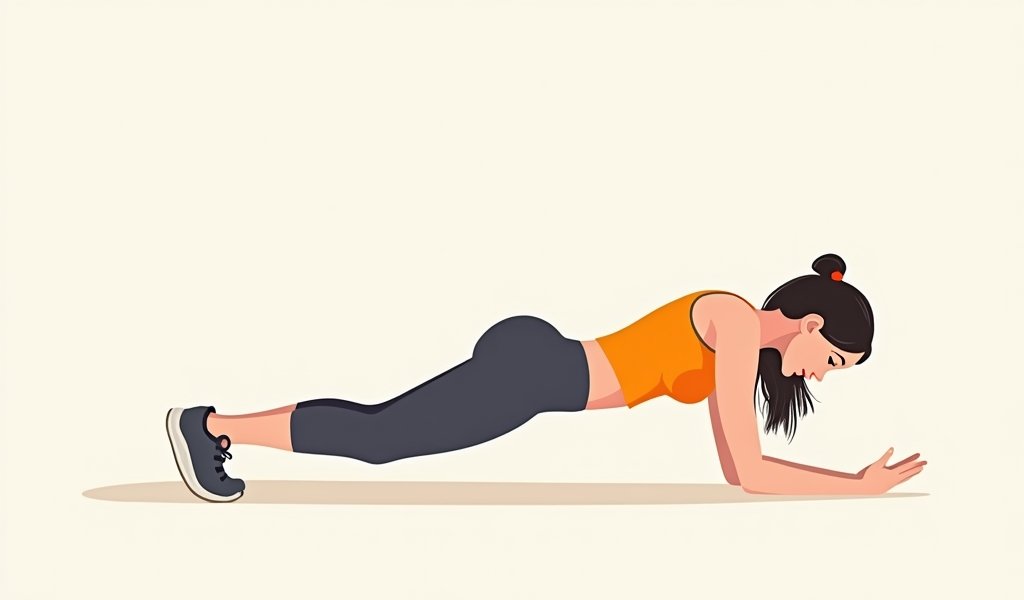
1. Planks
Planks strengthen your entire core, including the deep transverse abdominis muscle that acts like a corset for your waist. Start with 20-30 second holds, gradually building to 1-2 minutes.
For variety, try:
- Side planks for obliques
- Plank reaches (extending one arm forward while holding the plank)
- Plank to push-up transitions
2. Russian Twists
This exercise targets the obliques and helps whittle your waistline. Sit on the floor with knees bent, feet elevated slightly. Lean back to engage your core and twist your torso from side to side.
Start with 10-15 twists per side, using just your body weight. As you get stronger, add a weight or medicine ball for resistance.
3. Deadlifts
Don’t fear the big compound movements! Deadlifts engage your entire posterior chain while requiring serious core stabilization. This means more muscle groups working together and more calories burned.
Start with light weights and focus on perfect form. Even bodyweight deadlifts are effective for beginners. Research from the Journal of Strength and Conditioning Research shows compound movements like deadlifts are superior for fat loss compared to isolation exercises.
4. Mountain Climbers
This dynamic move combines cardio with core strength. Start in a push-up position and rapidly draw each knee toward your chest, alternating legs. Keep your hips low and core engaged.
Try 30-second intervals, working up to 1-minute sets. Mountain climbers also elevate your heart rate, creating a cardio and strength benefit in one exercise.
HIIT Workouts: Maximize Fat Burn in Minimal Time
High-Intensity Interval Training (HIIT) has revolutionized fitness by delivering maximum results in minimum time. These workouts alternate between intense bursts of activity and short recovery periods, keeping your heart rate elevated while building muscle.
HIIT creates an “afterburn effect” called excess post-exercise oxygen consumption (EPOC), where your body continues burning calories at an elevated rate for up to 24-48 hours after your workout.
Try this simple HIIT routine to target belly fat:
10-Minute Belly Fat HIIT Circuit
- 30 seconds of burpees
- 15 seconds rest
- 30 seconds of mountain climbers
- 15 seconds rest
- 30 seconds of jumping jacks
- 15 seconds rest
- 30 seconds of bicycle crunches
- 15 seconds rest
Repeat this circuit 2-3 times. Even with just 10 minutes, you’ll feel the burn and reap the benefits. As your fitness improves, increase work intervals to 45 seconds while keeping rest periods short.
A study published in the Journal of Obesity found that HIIT was more effective at reducing abdominal fat than other types of exercise. Participants showed significant reductions in both subcutaneous and the dangerous visceral fat with just 20-minute HIIT sessions three times weekly.
Yoga and Pilates for Core Strength and Belly Fat Reduction

While high-intensity workouts get much attention, don’t overlook the power of mindful movement practices. Yoga and Pilates can significantly strengthen your core while reducing stress—a major contributor to belly fat.
Yoga Poses for Core Strength
These yoga poses specifically target the core muscles while improving balance and flexibility:
- Boat Pose (Navasana) – Builds straight and oblique abdominals
- Plank Pose – Engages the entire core, shoulders, and arms
- Chair Pose (Utkatasana) – Strengthens abs, back, and thighs
- Bridge Pose – Works the posterior chain and helps counteract sitting
- Warrior III – Challenges balance while engaging core stabilizers
Practice these poses daily, holding each for 5-10 deep breaths. Yoga also helps reduce cortisol levels, which can decrease stress-related belly fat storage.
Pilates for Deep Core Activation
Pilates focuses on the deep core muscles often missed by traditional ab exercises. The technique emphasizes quality over quantity, with precise movements and proper breathing.
Key Pilates exercises include:
- The Hundred – Warms up the body while engaging the core
- Roll-Up – Strengthens abs while improving spinal flexibility
- Single Leg Circles – Challenges core stability
- Side Bends – Targets obliques and waist
- Swimming – Strengthens the back body, essential for proper posture
Research from Medicine & Science in Sports & Exercise shows that regular Pilates practice can significantly reduce waist circumference and body fat percentage. Try a 20-30 minute session 2-3 times per week.
Beyond Exercise: Lifestyle Factors That Affect Belly Fat
Exercise alone won’t banish belly fat if other lifestyle factors work against you. For comprehensive results, address these key areas:
Nutrition Strategy
No amount of exercise can outrun a poor diet. Focus on:
- Eating whole, unprocessed foods
- Including lean protein with each meal to preserve muscle
- Consuming fiber-rich foods that keep you full longer
- Limiting added sugars and refined carbohydrates
- Staying hydrated with water instead of sugary drinks
Research shows that a diet rich in soluble fiber (found in foods like oats, beans, and fruits) specifically targets belly fat. Aim for 25-30 grams of fiber daily.
Stress Management
Chronic stress raises cortisol levels, which promotes fat storage, particularly around the midsection. Incorporate daily stress-reduction practices:
- Deep breathing exercises (even 5 minutes is beneficial)
- Meditation or mindfulness practice
- Time in nature
- Limiting screen time, especially before bed
- Pursuing hobbies that bring joy
Sleep Quality
Poor sleep disrupts hunger hormones and increases cravings for unhealthy foods. Studies show that adults who sleep less than 7 hours nightly have higher levels of belly fat. Prioritize sleep by:
- Maintaining a consistent sleep schedule
- Creating a dark, cool sleeping environment
- Avoiding caffeine after noon
- Establishing a calming bedtime routine
- Limiting electronics before bed
By addressing these lifestyle factors alongside your exercise routine, you’ll create a comprehensive approach to reducing belly fat that delivers lasting results.
Setting Realistic Goals and Tracking Progress
When targeting belly fat, setting appropriate expectations is crucial for long-term success. Remember these important principles:
Realistic Timeframes
Healthy, sustainable fat loss occurs at about 1-2 pounds per week. This means visible changes to your belly might take 4-8 weeks to become noticeable. Stay patient and consistent with your program.
Avoid programs promising dramatic results in days or weeks. Quick fixes typically lead to rebound weight gain. Focus on establishing habits you can maintain for life.
Tracking Beyond the Scale
Your weight doesn’t tell the whole story, especially when building muscle. Track progress using multiple methods:
- Take monthly waist measurements (at the narrowest point)
- Use progress photos from the front and side
- Note how clothes fit, especially waistbands
- Track energy levels and workout performance
- Monitor health markers like blood pressure if applicable
Consistency Over Perfection
You don’t need a perfect workout record to see results. Aim for 80% consistency with your exercise program. Three to five focused workouts weekly will deliver results when maintained over time.
If you miss a workout, simply continue with your next scheduled session. Avoid the “all or nothing” mindset that derails long-term progress.
My Journey: How I Helped Clients Reduce Belly Fat
After 15 years as a fitness professional, I’ve seen countless transformation stories. But one client’s journey stands out. Sarah came to me after trying everything to lose her post-pregnancy belly fat. At 42, she believed her metabolism was “broken.”
Sarah had been doing hundreds of crunches daily with minimal results. She was frustrated and ready to give up. Our first step was helping her understand that spot reduction doesn’t work—you can’t crunch away belly fat.
We designed a balanced program combining three weekly strength sessions, two HIIT workouts, and daily walking. Instead of endless ab exercises, we focused on compound movements that worked her entire body while strengthening her core functionally.
The biggest challenge? Helping Sarah overcome her fear of lifting heavier weights. Like many women, she worried about getting “bulky” instead of toned. After seeing early progress photos at the 6-week mark, those fears disappeared.
Sarah’s nutrition needed adjusting too. She’d been severely restricting calories, then binge eating from hunger. We increased her protein intake and added healthy fats to keep her satisfied. Perhaps most importantly, we addressed her sleep habits and stress management.
Six months later, Sarah had lost 4 inches from her waist. But the non-scale victories were even better. Her chronic back pain disappeared. She slept through the night for the first time in years. And she finally felt comfortable in her clothes again.
What I learned from Sarah and hundreds of other clients is that belly fat reduction isn’t about finding one magic exercise. It’s about creating a sustainable lifestyle that addresses all aspects of health. When we focus on overall wellness rather than just appearance, the results naturally follow.
Conclusion: Your Path to a Flatter Stomach
Reducing belly fat requires a thoughtful, well-rounded approach. There’s no single “best” exercise—instead, the most effective strategy combines different types of physical activity with supportive lifestyle habits.
Remember these key takeaways:
- Combine cardio, strength training, and flexibility work for optimal results
- HIIT workouts offer maximum efficiency for busy schedules
- Core-strengthening exercises improve appearance and function
- Address nutrition, sleep, and stress management for comprehensive results
- Be patient and consistent—lasting results take time
Start where you are with what you have. Even walking 15 minutes daily is a perfect first step. Gradually increase duration and intensity as your fitness improves.
The journey to reduce belly fat is ultimately about improving your health, not just your appearance. By focusing on building lifelong healthy habits rather than quick fixes, you’ll not only achieve a flatter stomach but also gain energy, confidence, and improved overall health.
Remember that your body is unique. Pay attention to how it responds to different exercises and adjust accordingly. With consistency and patience, you will see results. Your future self will thank you for starting today.
Frequently Asked Questions
How long does it take to reduce belly fat with exercise?
Most people begin seeing results in 4-8 weeks with consistent exercise and proper nutrition. Visible changes typically appear after losing about 5-10 pounds of overall body fat.
Can I target just my belly fat with specific exercises?
No, spot reduction is a myth. While core exercises strengthen abdominal muscles, you need overall fat loss to reveal them. Combine cardio, strength training, and proper nutrition for best results.
How often should I exercise to reduce belly fat?
Aim for 3-5 days of structured exercise per week, combining cardio and strength training. Add daily movement like walking for optimal results.
Will doing 100 crunches daily flatten my stomach?
No, crunches alone won’t reduce belly fat. They strengthen abdominal muscles but don’t burn significant calories. Focus on full-body workouts and cardio for fat loss.
Is cardio or weight training better for belly fat loss?
Both are important for different reasons. Cardio burns calories during exercise while strength training builds muscle that increases metabolism long-term. Use a combination for best results.