
Overview
Exercise Induced Urticaria (EIU) is a condition affecting 2-4% of the population that causes itchy hives during or after physical activity, which can be managed through immediate relief strategies (stopping exercise, cooling down, taking antihistamines), preventative measures (pre-workout medication, proper warm-up), and identifying personal triggers. With proper management techniques and medical guidance when necessary, most people with EIU can continue exercising safely while minimizing outbreaks, turning this potentially frustrating condition into a manageable aspect of their fitness journey.
Table of Contents
- What is Exercise Induced Urticaria?
- Symptoms of EIU
- Causes and Triggers
- Immediate Relief Strategies
- Prevention Methods
- Long-Term Management
- When to See a Doctor
- Conclusion
- Frequently Asked Questions
What is Exercise Induced Urticaria?
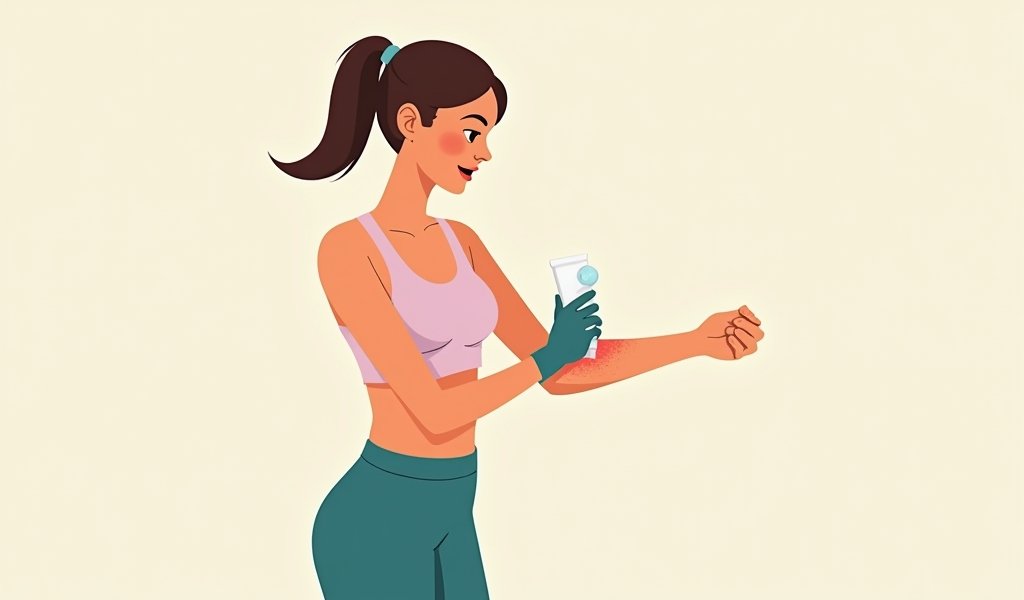
Exercise Induced Urticaria (EIU) might sound like a fancy medical term, but it’s essentially just a complicated way of saying “workout hives.” If you’ve ever finished a jog only to find yourself covered in itchy, red welts that seem to appear out of nowhere, you’ve likely experienced this condition firsthand.
EIU affects approximately 2-4% of the population, striking both fitness newcomers and seasoned athletes alike. It’s like your body’s peculiar way of protesting your healthy habits – you’re trying to do something good, and your skin decides to throw a temper tantrum.
This condition belongs to a family of physical urticarias – allergic reactions triggered by physical stimuli rather than foods or medications. Think of it as your immune system being a bit of a drama queen, overreacting to the normal physical changes that occur during exercise.
Symptoms of EIU
The hallmark of exercise induced urticaria is the sudden appearance of hives – those raised, itchy welts that can range from tiny pin-sized bumps to large patches covering significant portions of your body. Unlike your standard “I don’t feel like working out today” excuse, these symptoms are unmistakable and often quite uncomfortable.

Common symptoms include:
- Raised red or skin-colored welts with clearly defined edges
- Intense itching that can range from mildly annoying to wildly distracting
- Skin that feels warm to the touch
- Welts that may appear anywhere on the body
- Symptoms that typically develop during exercise or within 30 minutes after
In some cases, EIU can progress beyond skin symptoms to include:
- Difficulty breathing or wheezing
- Swelling of the face, lips, or throat (angioedema)
- Lightheadedness or dizziness
- Nausea or abdominal cramping
These more severe symptoms deserve immediate medical attention, as they could signal anaphylaxis, a potentially life-threatening allergic reaction. Thankfully, most cases of EIU stick to the annoying-but-not-dangerous category.
Causes and Triggers
Understanding what’s happening beneath the surface can help make sense of these puzzling reactions. When you exercise, your body temperature rises, blood flow increases, and various physiological changes occur. For people with EIU, these changes trigger mast cells (a type of immune cell) to release histamine – the same substance responsible for typical allergic reactions.
Think of your mast cells as overzealous security guards. When they detect changes during exercise, they mistake these normal processes for threats and sound the alarm by releasing histamine. It’s like having a home security system that goes off every time you cook dinner.
Several factors can influence or trigger an EIU episode:
- Temperature changes: Rapid warming of the skin during exercise is a common trigger, which explains why symptoms often coincide with sweating.
- Food-dependent exercise-induced urticaria: Some people only experience EIU when they exercise after consuming specific foods. Common culprits include wheat, shellfish, celery, and certain fruits. Neither the food alone nor exercise alone causes hives – it’s the unfortunate combo that does the trick.
- Exercise intensity: Higher-intensity workouts tend to trigger symptoms more frequently than gentle exercise, though this varies from person to person.
- Environmental factors: Heat, cold, humidity, or even exposure to other allergens while exercising can exacerbate symptoms.
- Medications: Some medications may increase the risk of developing EIU during exercise.
The good news? Once you identify your specific triggers, you can often work around them – which brings us to management strategies.
Immediate Relief Strategies
When hives strike mid-workout, don’t just power through (tempting as that might be for you fitness warriors). Instead, follow these steps for fast relief:
- Stop exercising immediately: Continuing activity can intensify the reaction. Your fitness goals can wait – your comfort and safety come first.
- Cool down your body: Apply cool, wet compresses to affected areas. If possible, take a cool shower or bath to lower your body temperature and calm the reaction.
- Take an antihistamine: Over-the-counter options like cetirizine (Zyrtec), loratadine (Claritin), or diphenhydramine (Benadryl) can help combat symptoms. Non-drowsy formulations are ideal if you need to continue your day without feeling like you’re walking through molasses.
- Try natural remedies: While waiting for antihistamines to kick in, aloe vera gel (especially when stored in the refrigerator) can provide soothing relief. Colloidal oatmeal baths may also reduce itching.
- Wear loose clothing: Tight clothing can irritate already inflamed skin, so opt for loose, breathable fabrics.
- Stay hydrated: Drink plenty of water as dehydration can worsen symptoms.
For most people, hives will begin to subside within 30-60 minutes once exercise stops. However, if you experience difficulty breathing, swelling of the face or throat, or feel lightheaded, seek emergency medical care immediately, as these could indicate a more severe allergic reaction.
Prevention Methods
Rather than always playing defense against hives, try these preventative strategies to stay one step ahead:
- Pre-workout medication: Taking a non-sedating antihistamine about 30-60 minutes before exercise can prevent or reduce symptoms. Consider it part of your pre-workout routine – protein shake, stretching, antihistamine, go!
- Proper warm-up: Gradually increasing your exercise intensity with a 10-15 minute warm-up helps your body adjust to temperature changes more slowly, potentially reducing the risk of triggering hives.
- Dress strategically: Wear loose-fitting, breathable clothing made from natural fibers or moisture-wicking fabrics. Avoid wool and synthetic materials that can irritate sensitive skin.
- Monitor environmental conditions: Consider exercising indoors on days with extreme temperatures or high pollen counts if these factors trigger your symptoms.
- Keep a food and exercise journal: Document your workouts, what you ate beforehand, environmental conditions, and whether symptoms occurred. This detective work can help identify your personal triggers.
- Time your meals: If you suspect food-dependent EIU, avoid eating for 4-6 hours before exercise, or at least avoid your known trigger foods during this window.
According to research published in the Journal of Allergy and Clinical Immunology, most people with EIU can continue to exercise safely by identifying and avoiding their specific triggers. It’s all about becoming the Sherlock Holmes of your own body’s mysteries.

Long-Term Management
While immediate relief and prevention are crucial, developing a long-term management strategy can help you coexist peacefully with EIU:
- Consult healthcare providers: Work with an allergist or immunologist to develop a personalized treatment plan. They may recommend prescription medications or specialized testing to identify specific triggers.
- Prescription options: For severe cases, doctors may prescribe stronger antihistamines, leukotriene modifiers, or even immunosuppressants.
- Gradual desensitization: Some studies suggest that regular, carefully monitored exercise can help desensitize your body over time. This approach should always be supervised by a healthcare provider.
- Reduce overall histamine load: Some people find that adopting a low-histamine diet improves their symptoms by reducing the body’s overall histamine burden. This might mean temporarily limiting foods like aged cheese, fermented foods, alcohol, and processed meats.
- Consider alternative exercise forms: If certain activities consistently trigger symptoms, explore alternatives. Swimming in cool water, for example, might be less triggering than running on a hot day.
Many athletes have found successful management strategies that allow them to continue training despite EIU. Marathon runner Sarah discovered her EIU was triggered specifically when she ate wheat products before running. By adjusting her pre-run nutrition and timing, she’s completed three marathons hive-free.
College basketball player Michael manages his EIU with a combination of pre-game antihistamines and a gradual warm-up routine. “It took some experimentation,” he says, “but I’ve found a system that works for me about 95% of the time.”
When to See a Doctor
While many cases of EIU can be managed at home, certain situations warrant professional medical advice:
- If your symptoms are severe or getting worse despite home treatment
- If hives are accompanied by difficulty breathing, dizziness, or throat swelling
- If hives regularly interfere with your ability to exercise
- If you’re unsure whether your symptoms are actually EIU or another condition
- If you need help identifying specific triggers
A doctor, particularly an allergist, can perform specialized testing to confirm the diagnosis and rule out other conditions. They might recommend an exercise challenge test (exercising under medical supervision to observe reactions) or food elimination trials if food-dependent EIU is suspected.
Healthcare providers can also prescribe stronger medications than what’s available over the counter and create a personalized emergency action plan for severe reactions.
Conclusion
Exercise Induced Urticaria may be frustrating, but it doesn’t have to be a roadblock on your path to fitness. With the right approach to fast relief and prevention, you can continue pursuing your health goals while keeping those pesky hives at bay.
Remember these key takeaways:
- Recognize symptoms early and have a relief plan ready
- Identify and avoid your personal triggers
- Work with healthcare providers for personalized solutions
- Be patient with yourself as you find what works for your unique situation
Exercise should be a celebration of what your body can do, not a trigger for discomfort. With these strategies in your fitness toolkit, you can transform EIU from a workout-stopping crisis into a manageable condition.
Have you found effective strategies for managing Exercise Induced Urticaria? We’d love to hear about your experiences!
Want to stay updated with the latest research and management strategies for exercise-related conditions? Join our community by subscribing to our free newsletter! You’ll receive weekly tips, expert advice, and exclusive content designed to help you achieve your health and fitness goals despite any challenges you may face. Plus, first-time subscribers receive our complimentary e-book: “Overcoming Exercise Challenges: Your Guide to Working Out With Common Health Conditions.”
Sign up today and take the first step toward a more comfortable, confident workout experience!
Frequently Asked Questions
Can exercise-induced urticaria go away permanently?
Yes, EIU can resolve spontaneously in some people over time. Regular, carefully managed exercise may help desensitize the body in certain cases.
Is exercise-induced urticaria the same as heat rash?
No, they’re different conditions. EIU is an allergic reaction involving hives, while heat rash (miliaria) occurs when sweat ducts become blocked and appears as small, prickly bumps.
Can children get exercise-induced urticaria?
Yes, EIU can affect people of all ages, including children. Parents should consult a pediatrician if their child develops hives during physical activity.
How long does an episode of exercise-induced urticaria typically last?
Most episodes resolve within 30 minutes to a few hours after stopping exercise. Taking antihistamines can help speed up recovery time.
Can I still exercise if I have exercise-induced urticaria?
Absolutely! Most people with EIU can continue exercising by identifying triggers, taking preventative measures, and having a treatment plan ready. Working with a healthcare provider can help develop safe exercise strategies.
Pingback: 7 Proven Low Histamine Diet Benefits: Health & Fitness - achievehealthgoals.com