
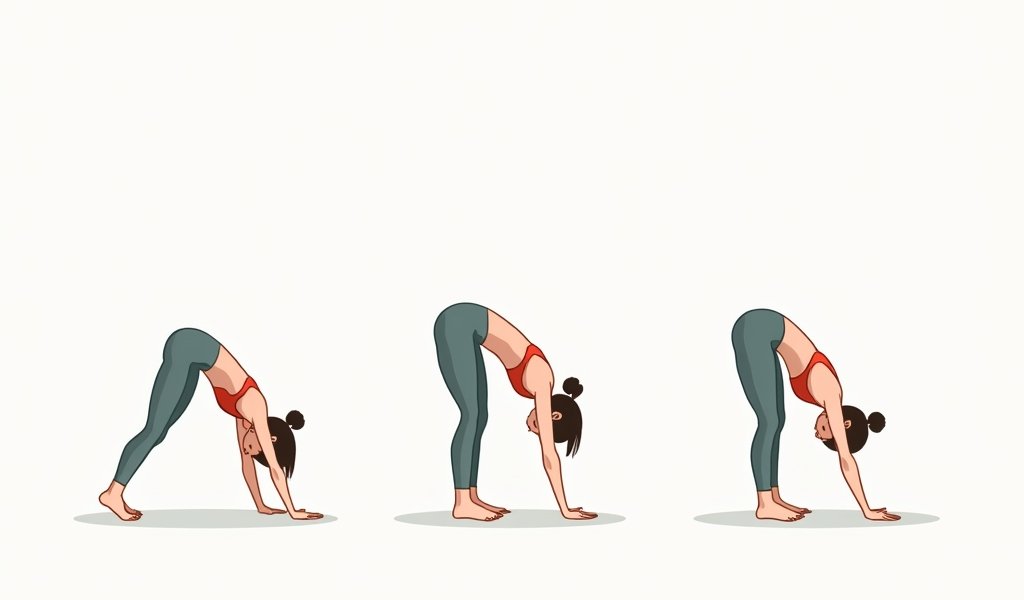
Overview
This article presents three key exercises for relieving lower back pain: the Gentle Bridge, Modified Bird Dog, and Wall Slide, which work by strengthening core muscles, improving blood flow, and restoring proper movement patterns. The author emphasizes that consistent daily practice of these exercises, combined with proper form and gradual progression, is more effective than sporadic intense workouts for addressing the root causes of back pain rather than just masking symptoms.
Table of Contents
- Understanding Lower Back Pain
- Why Exercise Helps Lower Back Pain
- Exercise 1: The Gentle Bridge
- Exercise 2: Modified Bird Dog
- Exercise 3: Wall Slide
- Implementing These Exercises In Your Routine
- Precautions to Take When Exercising with Back Pain
- Conclusion
- Frequently Asked Questions
Understanding Lower Back Pain
If you’re one of the millions struggling with exercise for lower back pain, you’re certainly not alone. Lower back pain affects approximately 80% of adults at some point in their lives, making it one of the most common reasons people visit their doctor or miss work. As a physical therapist with over 15 years of experience, I’ve seen firsthand how the right exercises can transform chronic discomfort into manageable, and often disappearing, pain.
Lower back pain typically stems from several sources: muscle strain, ligament sprain, disc issues, or poor posture habits. Our modern sedentary lifestyle is perhaps the biggest culprit. We sit for hours at desks, in cars, and on couches, creating weakness in our core muscles and tightness in our hip flexors. This perfect storm leads to excessive stress on the lower back.
The beauty of a targeted exercise approach is that it addresses the root causes rather than merely masking symptoms. While medication has its place, strengthening the muscles that support your spine provides long-term relief that pills simply cannot match. In fact, research from the National Institutes of Health shows that appropriate exercise is one of the most effective treatments for chronic lower back pain.
Why Exercise Helps Lower Back Pain
Exercise for lower back pain works through multiple mechanisms. First, it strengthens the core muscles that support your spine, including the often-overlooked deep stabilizers like the transverse abdominis and multifidus. When these muscles are strong, they act like a natural corset, taking pressure off your spine and discs.
Movement also increases blood flow to tight, painful tissues. This improved circulation delivers nutrients and removes waste products, helping injured areas heal faster. Additionally, exercise releases endorphins—your body’s natural pain relievers—which can provide immediate relief while you work on longer-term strength improvements.
Perhaps most importantly, the right exercises restore proper movement patterns. Many back pain sufferers develop compensatory movements that actually perpetuate their pain. By retraining proper mechanics, we can break this cycle. The focus should be on quality over quantity, with special attention to form and technique.
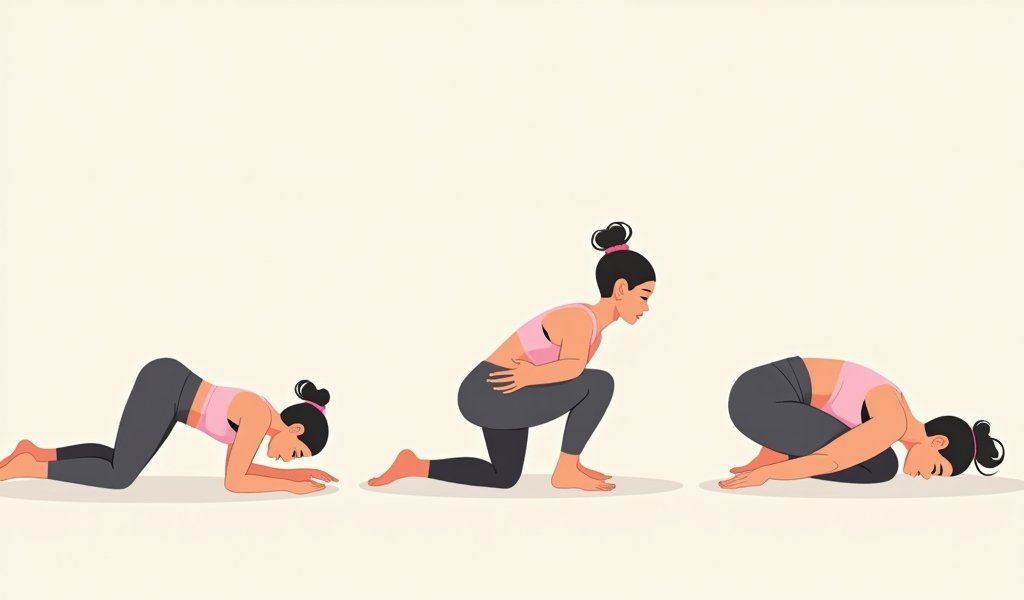
Exercise 1: The Gentle Bridge
The gentle bridge targets your glutes, hamstrings, and lower back muscles—all critical players in supporting healthy spine position. This exercise activates the posterior chain while minimizing stress on the spine itself, making it perfect for even acute back pain phases.
Here’s how to perform the gentle bridge correctly:
- Lie on your back with knees bent and feet flat on the floor, hip-width apart
- Place arms alongside your body with palms down
- Engage your core by drawing your navel gently toward your spine
- Slowly lift your hips off the ground until your body forms a straight line from shoulders to knees
- Hold for 2-3 seconds at the top, focusing on squeezing your glutes
- Lower down with control, one vertebra at a time
Start with 10 repetitions and gradually build to 3 sets of 15. The key is maintaining a neutral spine throughout—no excessive arching or flattening. If you feel any sharp pain (rather than the “good burn” of muscle work), gently lower down and modify your position.
What makes this exercise particularly effective is how it trains the gluteal muscles. Weak glutes contribute significantly to lower back pain because when they’re not doing their job, the lower back compensates. By strengthening this powerful muscle group, you’re addressing a common root cause of back discomfort.
Exercise 2: Modified Bird Dog
The modified bird dog is a gentler version of the traditional bird dog exercise, perfect for those with more sensitive backs. This movement promotes core stability while training your body to maintain proper spinal alignment during movement—a crucial skill for preventing back pain flare-ups.
Follow these steps for the modified version:
- Start on your hands and knees in a tabletop position, with hands beneath shoulders and knees beneath hips
- Keep your neck in line with your spine, gazing at the floor
- Draw your belly button toward your spine to engage your core
- Instead of extending opposite limbs, begin by just lifting one arm forward to shoulder height
- Hold for 2-3 seconds while maintaining stable hips (no rocking)
- Return to starting position and repeat on the other side
Once you master arm movements with stability, progress to leg movements by extending one leg backward without arching your lower back. The final progression is combining opposite arm and leg extensions, which significantly challenges your core stability system.
The bird dog trains your body to resist rotation and maintain alignment—skills that translate directly to improved function during everyday activities like bending, lifting, or even simply sitting. This exercise also activates the deep multifidus muscles alongside your spine, which research shows often atrophy in those with chronic back pain.
Exercise 3: Wall Slide

The wall slide might seem like a leg exercise, but it’s a powerhouse for teaching proper spine positioning and core engagement. This exercise strengthens the quadriceps and core while training proper pelvic positioning—a critical component of back health that many traditional exercises miss.
Here’s how to perform wall slides correctly:
- Stand with your back against a wall, feet shoulder-width apart and about 12 inches from the wall
- Place your entire back, from tailbone to head, against the wall
- Slide down the wall until your knees are bent at approximately 30-45 degrees (not a deep squat)
- Hold this position for 5-10 seconds while maintaining contact between your lower back and the wall
- Slowly slide back up to standing
- Throughout the movement, focus on keeping your abdominals gently engaged
The wall slide builds endurance in the postural muscles that support your spine during prolonged standing or sitting. By providing feedback through wall contact, this exercise helps you recognize and correct the excessive anterior pelvic tilt that often contributes to lower back pain.
As you progress, try holding the position longer or sliding slightly deeper. However, never sacrifice your back position for depth—maintaining that contact between your lower back and the wall is more important than how far you slide down.
According to research published in the Journal of Orthopaedic & Sports Physical Therapy, exercises that promote neutral spine control like the wall slide are particularly beneficial for those with disc-related back pain, as they reduce pressure on sensitive structures while building supportive strength.
Implementing These Exercises In Your Routine
Consistency trumps intensity when it comes to exercise for lower back pain. A daily practice of these three exercises will yield better results than an intense but sporadic approach. Start by incorporating these movements into a 10-minute daily routine—perhaps first thing in the morning or before bed.
Here’s a simple implementation plan:
- Week 1: Perform each exercise once daily, with 5-8 repetitions
- Week 2: Progress to 10-12 repetitions of each exercise
- Week 3: Add a second daily session (morning and evening)
- Week 4: Increase to 2-3 sets of each exercise per session
Pay attention to how your body responds. Some mild muscle soreness is normal, but pain that persists beyond a day or two suggests you should scale back. Remember that healing isn’t linear—some days will feel better than others, and that’s perfectly normal.
Complement these specific exercises with gentle walking, which promotes blood flow without straining your back. Even 10 minutes of walking can significantly reduce stiffness and pain. Swimming and water exercises also offer excellent low-impact options for building endurance without stressing sensitive structures.
Precautions to Take When Exercising with Back Pain
While exercise for lower back pain is generally beneficial, certain precautions ensure you’re helping rather than hindering your recovery. First and foremost, stop any exercise that causes sharp, shooting, or radiating pain. There’s truth to the saying “no pain, no gain,” but it refers to muscle fatigue, not joint or nerve pain.
Be especially cautious with forward bending exercises if you have disc issues. Movements like traditional sit-ups or toe touches can increase pressure on spinal discs and exacerbate certain conditions. The exercises I’ve outlined here specifically avoid this problematic positioning.
Timing matters too. During acute pain flare-ups, gentler versions with fewer repetitions are appropriate. As pain subsides, gradually increase the challenge. This progressive approach respects your body’s healing process while continuing to build strength.
If your pain includes any of these warning signs, consult a healthcare provider before beginning these exercises:
- Pain that radiates down one or both legs
- Numbness or tingling in the legs or feet
- Loss of bladder or bowel control
- Pain that worsens when lying down or at night
- Pain accompanied by unexplained weight loss or fever
While these exercises are safe for most back pain conditions, your situation might benefit from personalized modifications. Working with a physical therapist, even for just 1-2 sessions, can provide valuable customization for your specific needs.
Conclusion
Exercise for lower back pain doesn’t need to be complicated or time-consuming to be effective. These three targeted movements—the gentle bridge, modified bird dog, and wall slide—address the most common causes of back pain: weak core muscles, poor movement patterns, and imbalances between muscle groups.
Consistency is your greatest ally in this journey. Even five minutes daily of quality movement will yield better results than occasional longer sessions. Track your progress not just by pain levels, but also by functional improvements—can you garden longer, play with your kids more comfortably, or sit through a movie without shifting constantly?
Remember that your back pain didn’t develop overnight, and it won’t resolve that quickly either. Be patient with your body. With dedicated practice of these exercises, most people notice significant improvements within 3-4 weeks, though complete rehabilitation may take longer depending on your condition’s severity and duration.
Your back has supported you through every moment of your life—now it’s time to return the favor with movements that strengthen and nurture these crucial structures. These simple exercises can be the foundation of a pain-free, active future.
Frequently Asked Questions
How quickly will I see results from these back exercises?
Most people notice some improvement within 7-10 days of consistent practice. Full benefits typically emerge after 4-6 weeks of regular exercise.
Should I exercise during an acute back pain flare-up?
Gentle movement is usually beneficial even during flare-ups, but reduce intensity and repetitions. Stop if any exercise increases your pain significantly.
How often should I do these exercises for lower back pain?
Daily practice yields the best results, ideally with 1-2 short sessions per day. Consistency matters more than duration or intensity.
Can these exercises prevent future back pain episodes?
Yes, maintaining core strength through regular exercise significantly reduces recurrence rates. Studies show properly conditioned backs are 60% less likely to experience repeated episodes.
Is walking good for lower back pain?
Walking is excellent for most types of back pain as it promotes blood flow without high impact. Start with 5-10 minutes and gradually increase as comfort allows.
Pingback: 7 Proven Exercise for Lower Back Relief - achievehealthgoals.com