
Overview
Got a Popeye elbow that’s giving you grief? This article outlines five effective home treatments for elbow bursitis including rest, temperature therapy, over-the-counter medications, compression/elevation techniques, and gentle stretching exercises, while also providing guidance on prevention strategies and when medical attention is necessary.
Table of Contents
- Understanding Elbow Bursitis: What’s Happening In Your Arm?
- Symptoms and Causes: Why Your Elbow Is Acting Up
- Tip 1: Rest and Activity Modification – Give Your Elbow a Break
- Tip 2: Cold and Heat Therapy – Temperature Tricks That Work
- Tip 3: Over-the-Counter Medications for Pain Relief
- Tip 4: Compression and Elevation Techniques
- Tip 5: Gentle Stretching Exercises for Recovery
- When to See a Doctor: Don’t Ignore These Signs
- Prevention Strategies: Keep Bursitis at Bay
- Conclusion
- Frequently Asked Questions
Understanding Elbow Bursitis: What’s Happening In Your Arm?
Hey there! So you’ve got elbow bursitis and you’re looking for some relief at home? Trust me, I get it. As someone who’s helped countless patients with this exact issue, I can tell you that elbow bursitis treatment at home is definitely possible with the right approach. Let’s dive into what’s actually going on in that elbow of yours.
Elbow bursitis, or olecranon bursitis if we’re being fancy, happens when that tiny fluid-filled sac (the bursa) at the bony tip of your elbow becomes inflamed. Think of your bursa as a tiny cushion that helps your skin slide smoothly over bone. When it gets irritated, it swells up like a water balloon, creating that distinctive bump people sometimes call “Popeye elbow.”
The good news? Most cases can be treated effectively at home without invasive procedures. Whether you got it from leaning on your elbows too much during Zoom meetings, a direct hit, or just repetitive movements, these home remedies can make a significant difference in your healing journey.
Symptoms and Causes: Why Your Elbow Is Acting Up
Before jumping into treatments, let’s make sure we’re on the same page about what you’re experiencing. The most obvious sign of elbow bursitis is swelling at the back of the elbow – sometimes it can get surprisingly large, but oddly, the pain often doesn’t match the size of the swelling.
You might notice:
- A visible, sometimes squishy lump at the tip of your elbow
- Pain that worsens when you press on the swollen area
- Limited range of motion in severe cases
- Redness and warmth if there’s infection (which requires medical attention)
- Discomfort when leaning on your elbow
The most common causes include prolonged pressure (like leaning on your elbows at your desk all day), direct trauma (hello, accidental bumps against door frames), or repetitive movements that irritate the area. Sometimes it’s related to conditions like gout, rheumatoid arthritis, or even an infection.
According to research from the American Academy of Orthopedic Surgeons, most cases of elbow bursitis aren’t infected and can be treated conservatively. That’s great news for your at-home treatment plan!
Tip 1: Rest and Activity Modification – Give Your Elbow a Break
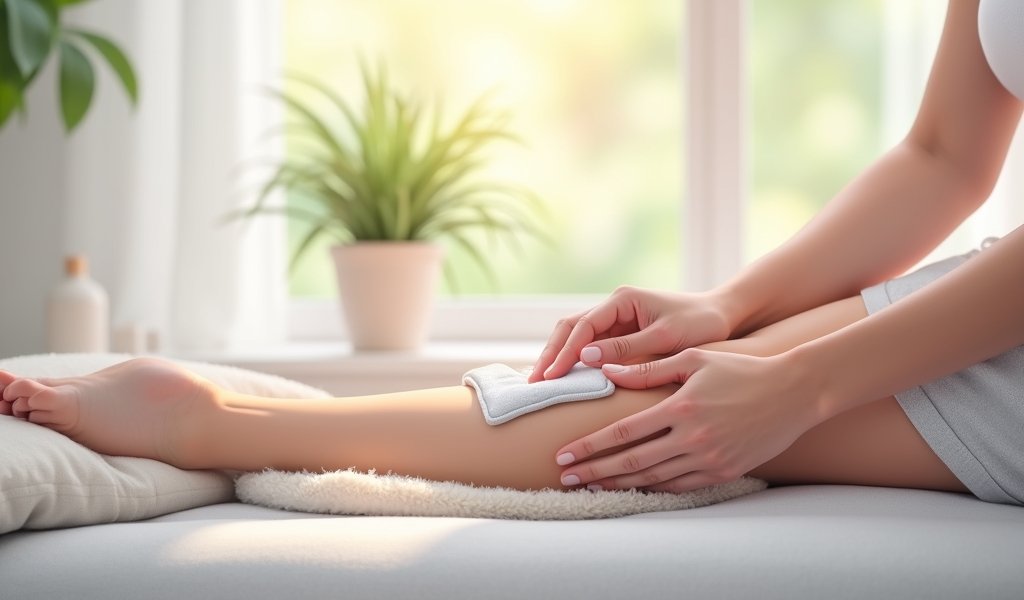
The first and most crucial step in elbow bursitis treatment at home is the simplest: give that elbow a break! I can’t stress this enough – continuing to irritate the bursa is like trying to put out a fire while simultaneously throwing matches at it.
Here’s how to effectively rest your elbow:
- Avoid leaning on the affected elbow (even though it might be a habit)
- Take a break from activities that put pressure on or require repetitive elbow movements
- If you work at a desk, consider ergonomic adjustments to prevent elbow pressure
- Use cushioned elbow pads if you must continue activities that might aggravate it
Rest doesn’t mean complete immobilization though. Gentle movement helps maintain range of motion, but the key word is gentle. Think of it as active rest – enough movement to keep things flexible but not enough to irritate that angry bursa.
This approach aligns with what we know about natural healing processes in the body. A study published in the Journal of Orthopaedic & Sports Physical Therapy confirms that appropriate activity modification is fundamental to successful recovery from bursitis.
Tip 2: Cold and Heat Therapy – Temperature Tricks That Work
Temperature therapy is your best friend when it comes to elbow bursitis treatment at home. The timing of when to use cold versus heat makes all the difference in your recovery.
Cold Therapy (First 48-72 Hours)
Start with cold therapy in the acute phase to reduce inflammation and numb pain:
- Apply an ice pack wrapped in a thin towel for 15-20 minutes
- Repeat every 2-3 hours during waking hours
- Never apply ice directly to skin to avoid frostbite
- Continue for the first few days when swelling is at its worst
An effective ice pack can be as simple as frozen peas (the best natural ice pack!) or a specialized gel pack from your pharmacy. The cold constricts blood vessels, which helps limit swelling and inflammation in that bursa sac.
Heat Therapy (After Initial Inflammation Subsides)
After the initial acute phase (usually 2-3 days), transition to heat therapy:
- Apply a warm compress or heating pad on low setting for 15-20 minutes
- Use before gentle stretching to increase blood flow and flexibility
- A warm shower directed at the elbow can also help
Heat encourages blood flow to the area, which brings healing nutrients and helps flush away inflammatory compounds. It’s particularly helpful before doing any of the gentle exercises I’ll recommend later.
Many of my patients find alternating between cold and heat (contrast therapy) effective after the first few days. This approach is supported by clinical research on soft tissue injuries showing improved circulation and reduced pain.
Tip 3: Over-the-Counter Medications for Pain Relief
When the ache becomes bothersome, over-the-counter medications can be an effective part of your elbow bursitis treatment at home plan. These medications not only help with pain but can also address the underlying inflammation.
Non-steroidal anti-inflammatory drugs (NSAIDs) are particularly helpful for bursitis because they tackle both pain and inflammation. Options include:
- Ibuprofen (Advil, Motrin) – Usually taken every 6-8 hours
- Naproxen sodium (Aleve) – Typically lasts longer, taken every 12 hours
- Aspirin – Another anti-inflammatory option
If you can’t take NSAIDs due to stomach issues, kidney problems, or other contraindications, acetaminophen (Tylenol) can help with pain, though it won’t reduce inflammation as effectively.
A few important cautions:
- Always follow the dosage instructions on the package
- Don’t take these medications for more than 10 days without consulting a healthcare provider
- If you have any existing health conditions or take other medications, check with your doctor first
Remember, these medications help manage symptoms but don’t replace the healing process that comes from rest and proper care. Think of them as supporting players, not the star of your recovery show.
Looking for a more holistic approach to complement your recovery? Our comprehensive guide on integrating mind-body wellness techniques with physical recovery can give you additional tools. Download our free guide on natural healing and join our newsletter for weekly wellness tips tailored to recovery and prevention.
Tip 4: Compression and Elevation Techniques
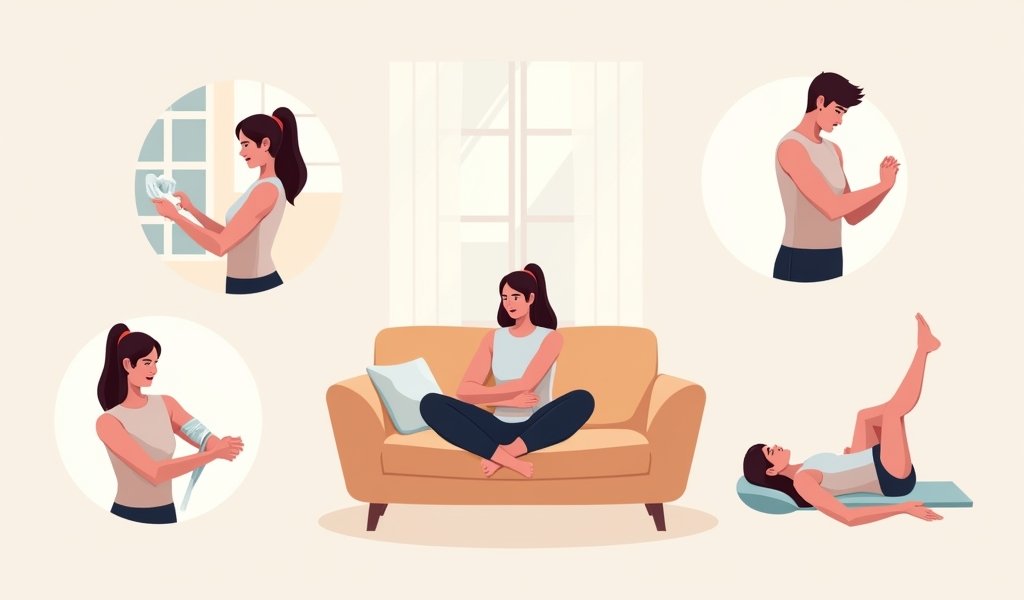
Compression and elevation are two powerful yet often overlooked elements of effective elbow bursitis treatment at home. These techniques work by helping your body’s natural drainage system move excess fluid away from the inflamed bursa.
Compression Methods
Compression helps prevent additional fluid buildup and gives support to the affected area. Here’s how to do it right:
- Use an elastic bandage or elbow compression sleeve (available at most pharmacies)
- Wrap from below the elbow to above it, creating even pressure
- Ensure it’s snug but not tight – you should never feel tingling, numbness, or see color changes in your hand
- Remove compression periodically to allow normal circulation
A properly fitted compression sleeve is my preference for most patients because it provides consistent pressure without the risk of wrapping too tightly. Plus, it’s easier to put on and remove throughout the day.
Elevation Strategies
Elevation uses gravity to help drain fluid from the elbow:
- When seated, rest your elbow on pillows so it’s positioned above your heart
- When lying down, place your arm on pillows at your side
- Try to elevate for 30-minute sessions several times daily
- Elevation is especially effective when combined with compression
For my patients who work at desks, I often recommend a specific setup: adjust your chair height and desk arrangement so your elbow doesn’t have to bear weight, and take short breaks to elevate your arm above heart level.
According to a review of conservative treatment approaches, compression and elevation remain cornerstone techniques for managing soft tissue inflammation like bursitis when properly implemented.
Tip 5: Gentle Stretching Exercises for Recovery
Once the acute pain and swelling start to subside (usually after 3-5 days), gentle stretching becomes a crucial component of your elbow bursitis treatment at home. The right movements can prevent stiffness, maintain range of motion, and promote healing without irritating the bursa.
I always tell my patients: start slowly and listen to your body. Slight discomfort during stretching is normal, but sharp pain is a signal to stop immediately.
Effective Stretches for Elbow Bursitis
Try these gentle exercises once or twice daily:
- Wrist Flexor Stretch: Extend your arm with palm up, use your other hand to gently pull fingers back toward your body. Hold 15-30 seconds, repeat 3 times.
- Wrist Extensor Stretch: Extend your arm with palm down, use other hand to gently pull fingers toward your body. Hold 15-30 seconds, repeat 3 times.
- Elbow Flexion/Extension: Gently bend and straighten your elbow through a comfortable range of motion. Perform 10 repetitions slowly.
- Forearm Rotation: With your elbow bent at 90 degrees, slowly rotate your palm up and down. Perform 10 repetitions in each direction.
Always perform these exercises after applying heat to the area, when your tissues are more pliable. Stop any exercise that causes sharp pain or significantly increases your symptoms.
As you progress, you can gradually add gentle strengthening exercises, but I recommend waiting until you’re pain-free with basic movements. Research published in the International Journal of Sports Physical Therapy supports this gradual progression approach for optimal tissue healing.
When to See a Doctor: Don’t Ignore These Signs
While elbow bursitis treatment at home is effective for most cases, some situations require professional medical attention. As your virtual health guide, I’d be remiss not to highlight when it’s time to put down the ice pack and pick up the phone.
Contact a healthcare provider immediately if you experience:
- Fever or chills alongside your elbow symptoms
- Redness that spreads beyond the elbow or red streaks extending from the area
- Significant warmth around the elbow compared to your other arm
- Increasing pain despite following proper home care
- Inability to bend or straighten your elbow
- Any drainage or pus from the elbow
These symptoms could indicate an infection (septic bursitis), which requires prompt treatment, typically with antibiotics. Unlike the “wait and see” approach we take with standard bursitis, infected bursitis needs immediate medical intervention.
Also, if your symptoms don’t improve after 2-3 weeks of consistent home treatment, or if bursitis recurs frequently, it’s time for a professional evaluation. Your doctor might recommend additional treatments like prescription anti-inflammatories, steroid injections, or in rare cases, surgical drainage or bursa removal.
Remember, seeking medical help when needed isn’t a failure of home treatment – it’s smart healthcare. Sometimes bursitis can be a symptom of other underlying conditions that need specific treatment.
Prevention Strategies: Keep Bursitis at Bay
Once you’ve successfully navigated elbow bursitis treatment at home, you’ll definitely want to prevent a recurrence. I’ve seen too many patients go through the cycle of recovery and relapse because they didn’t implement preventative measures. Let’s break that cycle!
Protective Measures
These simple strategies can make a huge difference:
- Use elbow pads during activities that put pressure on your elbows
- Avoid leaning on hard surfaces for extended periods
- Take breaks during repetitive activities that involve your arms
- Ensure proper ergonomics at your workstation (chair height, desk arrangement)
Strengthening and Flexibility
Building resilience in the surrounding muscles helps protect the joint:
- Maintain a regular stretching routine for your wrists, forearms, and elbows
- Gradually build strength in your forearm muscles once fully healed
- Consider incorporating gentle yoga positions that promote upper body flexibility
- Remember that strong muscles help absorb forces that might otherwise irritate the bursa
Lifestyle Adjustments
These broader changes support overall joint health:
- Stay well-hydrated to maintain healthy tissue elasticity
- Maintain a healthy weight to reduce stress on all joints
- Consider anti-inflammatory foods like fatty fish, berries, and leafy greens
- Get adequate sleep, which is crucial for tissue repair
If you participate in sports or activities that put repetitive stress on your elbows, consider working with a coach or trainer to improve your technique. Many cases of bursitis come from subtle movement patterns that, when corrected, significantly reduce your risk of recurrence.
Conclusion
We’ve covered a lot of ground on elbow bursitis treatment at home, from understanding what’s happening in your elbow to practical, evidence-based treatments you can implement today. Remember that most cases of elbow bursitis respond well to these conservative approaches when applied consistently and correctly.
To recap our five proven tips:
- Rest and modify activities to avoid aggravating the bursa
- Apply appropriate cold and heat therapy at the right stages
- Use over-the-counter medications mindfully for pain and inflammation
- Implement compression and elevation to reduce swelling
- Introduce gentle stretching exercises as healing progresses
The key to success with any home treatment plan is consistency and patience. Healing doesn’t happen overnight, but with diligent care, most people see significant improvement within 2-3 weeks.
By understanding both the treatment and prevention aspects, you’re now equipped not just to address your current bout of bursitis, but to protect your elbows for the long term. That’s what I call comprehensive care!
Ready to take your recovery and prevention to the next level? Join our upcoming webinar “Joint Health Mastery: Beyond the Basics” where we’ll dive deeper into advanced strategies for maintaining healthy joints throughout your lifetime. You’ll learn exclusive techniques from physical therapists and sports medicine physicians that go beyond the standard advice. Sign up today to secure your spot and receive our bonus guide on natural anti-inflammatory approaches!
Frequently Asked Questions
How long does elbow bursitis typically take to heal with home treatment?
Most cases show significant improvement within 2-3 weeks of consistent home treatment. Complete resolution may take 4-6 weeks depending on severity and how well you adhere to rest and other treatments.
Can I still exercise with elbow bursitis?
You can maintain fitness with activities that don’t stress the affected elbow, such as walking or lower body exercises. Avoid weight-bearing on the elbow or exercises that cause pain.
Is heat or cold better for elbow bursitis?
Cold therapy is best during the first 48-72 hours to reduce inflammation. After this initial period, heat often works better to promote circulation and healing.
Can elbow bursitis come back after it heals?
Yes, recurrence is possible, especially if you return to activities that caused it initially without protective measures. Consistent prevention strategies significantly reduce this risk.
When does elbow bursitis require surgery?
Surgery is rarely needed and usually only considered when bursitis is recurrent, severely limiting function, or doesn’t respond to several months of conservative treatment. Infected bursitis sometimes requires surgical drainage.