

Overview
Turns out sick babies are like tiny college students during finals week—sometimes they crash hard for recovery, other times they’re too miserable to sleep at all! This article provides seven evidence-based strategies for helping sick babies sleep better, emphasizing symptom management, maintaining routines, creating an optimal sleep environment, and knowing when to seek medical attention.
Table of Contents
- Understanding Baby Sleep During Illness
- Why Sleep Patterns Change When Babies Are Sick
- Common Illnesses and Their Effect on Baby Sleep
- 7 Proven Tips for Helping Your Sick Baby Sleep
- Creating the Ideal Sleep Environment
- When to Call the Doctor
- Maintaining Your Own Well-being
- Conclusion
- Frequently Asked Questions
Understanding Baby Sleep During Illness
Do babies sleep more when sick? As a pediatric health professional, I can tell you that the answer isn’t straightforward. Some babies indeed sleep more when fighting an illness, while others become restless and struggle to settle down. Understanding these changes in sleep patterns is crucial for parents navigating the challenging terrain of infant illness.
When your little one falls ill, their body initiates a natural healing response. Sleep plays a vital role in this process, as it allows the immune system to focus its energy on fighting the infection rather than supporting wakefulness and activity. This is why many babies do sleep more when sick – it’s the body’s way of prioritizing recovery.
However, physical discomfort from symptoms like congestion, fever, or pain can make falling asleep and staying asleep difficult for your baby. This creates a frustrating paradox: your baby needs more rest to recover, yet their symptoms make quality sleep elusive.
As we explore this topic, we’ll address how various illnesses affect infant sleep and provide practical strategies to help your sick baby get the restorative rest they need during illness. Remember that every baby is unique, and their sleep needs during illness may vary based on their age, the specific illness, and their individual temperament.
Why Sleep Patterns Change When Babies Are Sick
When illness strikes, your baby’s sleep patterns often undergo noticeable shifts due to physiological and immunological responses happening within their developing body. Understanding these changes can help you better support your little one during these challenging times.
The immune system works overtime during illness, releasing chemicals called cytokines that fight infection but also affect sleep regulation. Research published in the Journal of Sleep Research shows that certain cytokines promote deeper sleep, which explains why some babies sleep more when fighting illness. This increased sleep isn’t cause for concern—it’s actually beneficial for recovery.
However, the physical discomfort of illness can counteract these sleep-promoting effects. Symptoms like nasal congestion make breathing difficult, ear infections cause pain when lying down, and fevers can lead to restlessness and night sweats. These discomforts frequently disrupt sleep cycles and lead to more frequent night wakings.
Additionally, babies’ immature immune systems respond differently to illness than older children or adults. Their bodies may require more sleep to mount an effective immune response, but paradoxically, they often struggle to achieve restorative sleep due to their symptoms. This creates a challenging cycle for both babies and parents.
It’s also worth noting that illness can temporarily disrupt any sleep training progress you’ve made. During sickness, babies often need more comfort and reassurance, making it necessary to temporarily adjust your usual sleep routines. Rest assured that returning to normal patterns after recovery is typically easier than you might expect.

Common Illnesses and Their Effect on Baby Sleep
Different illnesses affect baby sleep in distinct ways. Understanding these patterns can help you anticipate sleep challenges and respond appropriately to your baby’s needs during specific illnesses.
The common cold typically causes nasal congestion that makes breathing difficult, especially when lying down. Babies are obligate nose breathers until around 3-6 months, meaning a stuffy nose can significantly disrupt sleep. You might notice your baby waking frequently, struggling to stay asleep for long stretches, or being unable to feed properly due to breathing difficulties. Elevating the head of the crib slightly and using a humidifier with appropriate liquids can help ease these symptoms.
Ear infections often cause sharp pain when your baby lies down, making it difficult for them to settle or stay asleep. You might notice your baby pulling at their ears, crying inconsolably when placed in the crib, or waking suddenly with distress. According to the American Academy of Pediatrics, ear infections are particularly common in babies and can significantly impact sleep quality.
Gastrointestinal illnesses like stomach viruses can disrupt sleep due to discomfort, nausea, and frequent diaper changes. These illnesses sometimes lead to temporary changes in dietary needs, potentially requiring a gentle diet with soft foods during recovery. Keeping your baby hydrated remains crucial during these illnesses.
Fevers commonly cause restlessness and increased night wakings. Your baby might sleep more deeply during fever spikes but wake frequently as the fever fluctuates. They may also experience chills or sweats that disrupt sleep. Monitoring temperature and providing appropriate fever-reducing medications as recommended by your pediatrician can help manage these symptoms.
Respiratory infections such as RSV or bronchiolitis can significantly impact breathing and sleep. Babies with these conditions often exhibit increased breathing effort, which consumes energy and may lead to exhaustion. However, their sleep is frequently disrupted by coughing or breathing difficulties. These infections require close monitoring and sometimes medical intervention.
Remember that while some illnesses might initially cause more sleep due to fatigue, the quality of this sleep is often poor. The goal during illness is to support your baby in getting restorative sleep that aids recovery while addressing their symptoms appropriately.
7 Proven Tips for Helping Your Sick Baby Sleep
When illness disrupts your baby’s sleep, these evidence-based strategies can help them get the rest they need for recovery.
1. Address Specific Symptoms Before Bedtime
Treating your baby’s symptoms before sleep can significantly improve their ability to rest comfortably. For congestion, gentle saline drops followed by nasal aspiration can clear airways before lying down. If fever is present, timing fever-reducing medication (as recommended by your pediatrician) about 30 minutes before bedtime can help maintain comfort through the night.
For babies with coughs, a humidifier in the room adds moisture to the air, potentially reducing cough frequency and severity. Pediatricians at the Boston Children’s Hospital note that addressing specific symptoms proactively before sleep often leads to longer sleep stretches during illness.
2. Maintain Consistent Sleep Cues
Even during illness, familiar bedtime routines provide security and signal that sleep time is approaching. While you may need to modify your usual routine, try to maintain key elements like dimming lights, reading a story, or singing a particular song. These consistent cues help activate your baby’s natural sleep mechanisms despite the disruption of illness.
You might need to abbreviate the routine if your baby is particularly tired or uncomfortable, but keeping some familiar elements helps maintain sleep associations that will support easier transitions back to normal sleep patterns after recovery.
3. Offer Extra Comfort and Contact
Illness is a time when babies genuinely need additional comfort and reassurance. Research consistently shows that responsive parenting during illness does not create negative sleep habits. Consider more frequent checking, gentle back rubs, or even holding your baby for naps if that’s what helps them sleep.
For babies who seem to need extra contact, safe co-sleeping practices or using a bedside bassinet can provide reassurance while allowing you to monitor symptoms throughout the night. Remember that this increased contact is temporary and appropriate during illness.
4. Ensure Proper Hydration
Maintaining hydration is crucial during illness, especially with fevers or gastrointestinal symptoms. Offer feeds more frequently, even if shorter in duration. Breast milk is particularly beneficial during illness as it provides antibodies that support immune function, along with perfect hydration.
For formula-fed babies or older infants taking liquids, more frequent, smaller amounts may be better tolerated. If your baby is experiencing significant feeding difficulties, consult your pediatrician about alternative hydration methods to ensure they’re getting adequate fluids.
5. Adjust Sleep Positions Safely
While babies should always be placed on their backs to sleep, you can safely make adjustments to help with specific symptoms. For congestion, slightly elevating the head of the crib mattress (never the mattress itself) by placing a thin towel or blanket underneath can help drainage. Always ensure the surface remains firm and flat.
For babies with ear infections, pediatricians sometimes recommend slightly elevating the head or positioning them so the affected ear isn’t directly against the mattress. However, always maintain safe sleep guidelines and consult your pediatrician about any positioning concerns.
6. Consider Temporary Sleep Schedule Flexibility
During illness, your baby may need more total sleep but in different patterns than usual. They might take shorter, more frequent naps or need an earlier bedtime. Following your baby’s cues rather than strictly adhering to their normal schedule often leads to better overall rest during illness.
Remember that protecting night sleep remains important, so if your baby seems to need extra daytime sleep, try to balance this with maintaining reasonable wake windows before bedtime to preserve nighttime sleep patterns as much as possible.
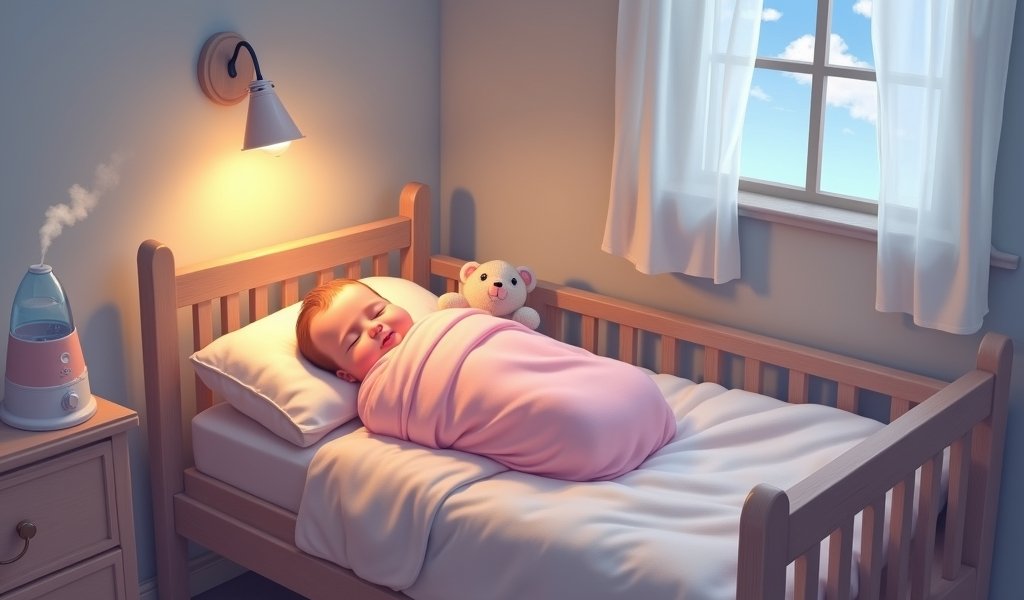
7. Create Environmental Comfort
Optimize your baby’s sleep environment for comfort during illness. Maintain a slightly cooler room temperature (68-72°F/20-22°C) to prevent overheating, especially with fevers. Ensure proper humidity (40-60%) using a humidifier if needed, which can ease respiratory symptoms.
Consider noise levels as well; some babies sleep better with white noise to mask household sounds, particularly when they’re more sensitive during illness. Maintain a dark room for night sleep and naps to support your baby’s natural circadian rhythm, which contributes to more restorative sleep quality.
Creating the Ideal Sleep Environment
The sleep environment becomes even more important when your baby is sick. Small adjustments can make a significant difference in their comfort and ability to rest effectively during illness.
Temperature regulation deserves special attention during illness. Babies with fevers often alternate between feeling hot and cold, so dressing them in lightweight, breathable layers allows for easy adjustments. A room thermometer helps maintain the ideal temperature range of 68-72°F (20-22°C). Avoid overdressing your baby, as overheating can worsen fevers and discomfort.
Humidity levels significantly impact respiratory comfort. Dry air can exacerbate congestion and cough, while excessive humidity might promote mold growth. A cool-mist humidifier placed at a safe distance from the crib can maintain optimal humidity (40-60%) to ease breathing without creating dampness. Clean the humidifier daily according to manufacturer instructions to prevent bacteria growth.
Air quality also affects your baby’s breathing comfort during illness. If possible, ensure good ventilation while maintaining appropriate temperature. Consider whether allergens might be exacerbating your baby’s symptoms—dust, pet dander, or seasonal pollen can worsen respiratory issues. Air purifiers with HEPA filters can help reduce these irritants in your baby’s sleep space.
Noise considerations change during illness as well. While a consistent white noise machine can mask household sounds and create a soothing background, some babies become more sensitive to sound when sick. Adjust volume accordingly, and be mindful of startling noises that might disrupt precious sleep.
The sleeping surface itself matters too. Ensure your baby’s mattress is firm, flat, and covered with a well-fitted sheet. While you should never add blankets, pillows, or positioning devices to the crib, during illness you might need to slightly elevate the head of the mattress for congestion. This can be done safely by placing a thin towel or blanket under the mattress (never under the sheet) to create a slight incline.
Remember that all sleep environment modifications should maintain the safe sleep guidelines established by pediatric experts. Safety remains paramount even during illness.
When to Call the Doctor
While most childhood illnesses resolve with home care and time, certain sleep changes or symptoms warrant prompt medical attention. Being able to distinguish between normal illness-related sleep disruptions and concerning signs can help you respond appropriately to your baby’s needs.
Contact your pediatrician if your baby shows extreme lethargy that goes beyond normal illness-related sleepiness. A sick baby who’s difficult to wake, seems confused when awake, or is unresponsive to stimulation needs immediate medical evaluation. This could indicate serious infection or dehydration requiring treatment.
Significant changes in breathing patterns during sleep are another red flag. If you notice your baby working harder to breathe (retractions between or under the ribs, rapid breathing exceeding 60 breaths per minute, or noisy breathing with grunting), seek medical care promptly. Blue lips or fingernails always warrant emergency attention.
Severe sleep disruption that prevents your baby from getting any meaningful rest for more than 24 hours can lead to exhaustion and delayed recovery. If your baby can’t sleep for more than brief periods despite your best efforts to address symptoms, consult your doctor about additional symptom management strategies.
For infants under three months, any fever (rectal temperature of 100.4°F/38°C or higher) requires immediate medical evaluation, regardless of sleep patterns. In older babies, very high fevers (over 102.2°F/39°C) that don’t respond to appropriate fever-reducing medications or persist for more than 2-3 days warrant medical attention.
Signs of dehydration—such as decreased wet diapers (fewer than 4-6 in 24 hours), absence of tears when crying, or dry mouth—are serious concerns, especially if your baby is sleeping unusually long stretches without waking to feed. Dehydration can develop quickly in infants and requires prompt intervention.
Trust your parental instincts. If your baby’s sleep changes or illness symptoms seem concerning to you, don’t hesitate to contact your healthcare provider. As pediatricians often say, parents know their babies best, and that intuition is a valuable diagnostic tool.
Maintaining Your Own Well-being
Caring for a sick baby takes an emotional and physical toll on parents. The disrupted sleep, constant worry, and increased caregiving demands can quickly lead to exhaustion. Prioritizing your own well-being isn’t selfish—it’s essential for providing the best care for your baby.
When possible, share nighttime caregiving duties with your partner or another trusted adult. Taking shifts allows each person to get at least one block of uninterrupted sleep, which is crucial for mental functioning and emotional regulation. Even a 3-4 hour stretch of solid sleep can make a significant difference in your coping abilities.
During daytime hours, try to rest when your baby rests, even if you can’t actually sleep. Putting your feet up, closing your eyes, or simply sitting quietly for 15-20 minutes can help restore some energy. Lower your expectations for household tasks and other responsibilities during this time—the dishes can wait.
Stay hydrated and nourished, even when you’re focused on your baby’s needs. Keep simple, nutritious snacks and water within easy reach during feeding sessions or while holding your sick baby. Your physical resilience directly affects your caregiving capacity.
Remember that the intense period of a baby’s illness is temporary, even though it may not feel that way in the moment. Most common childhood illnesses resolve within a week, and sleep typically returns to normal patterns within a few days after recovery. Keeping this perspective can help you manage the emotional strain.
If you’re feeling overwhelmed, don’t hesitate to ask for help from family, friends, or even a postpartum doula. Sometimes just having someone bring a meal or hold the baby while you shower can provide essential relief. And if you’re experiencing persistent anxiety or depressive feelings related to your baby’s health, speak with your healthcare provider about additional support resources.
Conclusion
Do babies sleep more when sick? As we’ve explored throughout this article, the answer varies based on the specific illness, your baby’s individual temperament, and how effectively their symptoms are managed. While the body’s natural healing response often increases sleep needs during illness, discomfort from symptoms can simultaneously make quality sleep more difficult to achieve.
The seven proven strategies we’ve discussed—addressing specific symptoms, maintaining sleep cues, offering extra comfort, ensuring hydration, adjusting sleep positions safely, allowing schedule flexibility, and creating environmental comfort—provide a comprehensive approach to supporting your baby’s sleep during illness. These evidence-based techniques work together to help your little one get the restorative rest their developing body needs for recovery.
Remember that temporary adjustments to your usual sleep practices during illness are both necessary and appropriate. Responding to your baby’s increased need for comfort and symptom relief during sickness won’t create long-term sleep problems. Once health returns, most babies readily transition back to their normal sleep patterns with gentle guidance.
Trust your parental instincts while remaining attentive to warning signs that require medical intervention. The balance between providing home care and seeking professional help is something you’ll become increasingly confident navigating with experience.
Finally, don’t forget that your well-being matters too. By taking care of yourself, you ensure you have the physical and emotional resources to provide the attentive care your sick baby needs. With patience, appropriate interventions, and plenty of extra cuddles, you and your baby will weather illness together and emerge with your bond strengthened on the other side.
Frequently Asked Questions
Is it normal for my baby to sleep all day when sick?
Increased sleep during illness is often normal and beneficial for recovery. However, if your baby is difficult to wake or seems unusually lethargic when awake, contact your pediatrician.
Should I wake my sick baby to feed them?
For babies under 6 months, it’s generally recommended to wake for feeds every 3-4 hours during illness to maintain hydration. Older babies may be able to go longer, but check with your pediatrician for guidance specific to your baby’s situation.
Will helping my baby sleep during illness create bad sleep habits?
Extra comfort measures during illness won’t create long-term sleep problems. Most babies readily return to their normal sleep patterns after recovery with consistent guidance.
How long do sleep disturbances typically last after illness?
Most babies return to normal sleep patterns within 3-7 days after symptoms resolve. Maintaining consistent sleep cues and gradually returning to your regular routine helps this transition.
Can I give my baby sleep aids or medication to help them sleep when sick?
Never give sleep aids or medications specifically to make your baby sleep during illness. Always consult your pediatrician before giving any medication to your baby.