

Overview
This article provides a thorough guide to following the carnivore diet for muscle growth and fat loss, covering everything from foundational principles to specific meal recommendations for breakfast, lunch, dinner, and snacks. It emphasizes the diet’s focus on animal-based foods only (meat, fish, eggs, and limited dairy), while highlighting benefits like improved body composition, increased energy, and reduced inflammation for those who properly implement this approach.
Table of Contents
- Understanding the Carnivore Diet: A Primer
- Benefits of Carnivore Diet for Muscle Growth and Fat Loss
- Essential Ingredients for Carnivore Diet Success
- Best Carnivore Diet Breakfast Meals
- Satisfying Carnivore Lunch Options
- Protein-Packed Carnivore Dinner Recipes
- Quick Carnivore Diet Snack Ideas
- Meal Prep Strategies for Carnivore Success
- Tracking Your Progress on the Carnivore Diet
- Conclusion: Maximizing Your Carnivore Journey
- Frequently Asked Questions
Understanding the Carnivore Diet: A Primer
The carnivore diet has exploded in popularity among fitness enthusiasts seeking dramatic body composition changes. As a nutrition coach who’s guided hundreds of clients through various eating protocols, I’ve seen firsthand how carnivore diet meals can transform physiques when implemented correctly. This animal-based approach eliminates plants entirely, focusing exclusively on meat, fish, eggs, and (for some practitioners) limited dairy.
Unlike other popular approaches like the Mediterranean diet breakfast options that incorporate whole grains and plants, the carnivore diet takes an entirely different path. It’s essentially a zero-carb, animal-product-only approach that eliminates all plant foods—including fruits, vegetables, nuts, seeds, and grains.
The basic premise is simple: humans evolved primarily as meat-eaters, and our bodies function optimally on animal-based nutrition. Proponents argue that plants contain various antinutrients and defense chemicals that can trigger inflammation, digestive issues, and autoimmune responses in susceptible individuals. By removing these potential irritants, many report improved digestion, reduced inflammation, and accelerated fat loss.
While controversial in conventional nutrition circles, emerging research on low-carbohydrate diets suggests there may be metabolic advantages to this approach for certain individuals. The carnivore diet essentially takes ketogenic principles to their extreme conclusion, potentially deepening ketosis and metabolic flexibility.
Benefits of Carnivore Diet for Muscle Growth and Fat Loss
The carnivore approach offers several unique benefits for those looking to simultaneously build muscle and shed fat. First, it provides abundant high-quality protein—the fundamental building block of muscle tissue. Most practitioners naturally consume 1-1.5g of protein per pound of body weight, which research consistently shows is optimal for muscle preservation during fat loss phases.
Second, the diet naturally eliminates all processed foods and refined carbohydrates. This creates a hormonal environment that favors fat burning while maintaining muscle mass. By keeping insulin levels consistently low, your body can more easily access stored body fat for fuel while the high protein intake provides amino acids for muscle maintenance and growth.
Many of my clients report dramatic increases in energy and workout performance after adapting to carnivore eating. While there’s an initial adjustment period, once fat-adaptation occurs (typically 2-4 weeks in), many experience enhanced strength, improved recovery, and better overall gym performance. This phenomenon is supported by research on ketogenic adaptation in athletes.
Perhaps most importantly, the carnivore diet’s simplicity makes it highly sustainable for many people. There’s no calorie counting, portion measuring, or complex meal planning required. You simply eat animal foods until satisfied, which naturally regulates appetite through protein’s potent satiety effects.
Essential Ingredients for Carnivore Diet Success
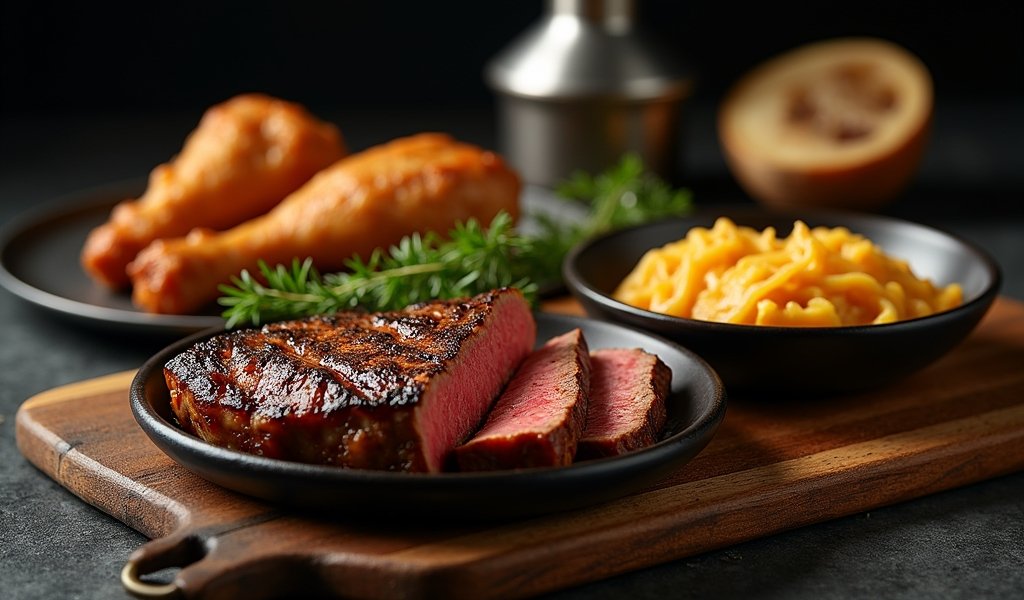
Building a successful carnivore diet meal plan requires focusing on nutrient-dense animal foods. Here’s what I recommend stocking in your kitchen:
- Ruminant meats (beef, lamb, bison) – These should form the foundation of your carnivore approach, providing optimal ratios of protein and fat along with abundant micronutrients
- Organ meats (liver, heart, kidney) – Nature’s multivitamins, providing concentrated doses of vitamins A, D, B12, iron, and copper
- Eggs – Complete protein sources with valuable fats, vitamins and minerals
- Seafood – Especially fatty fish like salmon, sardines, and mackerel for omega-3 fatty acids
- Bone broth – Supports joint health, digestion, and provides glycine to balance methionine intake
- Animal fats – Tallow, lard, duck fat, and butter (if tolerated) for cooking and adding calories
- Sea salt – Critical for electrolyte balance, especially during adaptation
Quality matters significantly when consuming only animal products. Whenever possible, choose grass-fed, pasture-raised meats and wild-caught seafood. These contain superior nutrient profiles compared to conventionally raised alternatives. For example, grass-fed beef provides up to five times more omega-3 fatty acids than grain-fed beef, creating a more favorable inflammatory profile.
Don’t overthink meal complexity. The beauty of carnivore eating lies in its simplicity. Most of my successful clients focus on cooking techniques that enhance flavor rather than elaborate recipes—proper searing of steaks, slow-cooking tougher cuts, and finding the perfect doneness for organ meats.
Best Carnivore Diet Breakfast Meals
Starting your day with protein-rich carnivore meals sets you up for sustained energy and reduced cravings. Unlike the traditional Mediterranean recipes that might include grains and fruit, carnivore breakfasts center entirely on animal foods. Here are my top three morning meal recommendations:
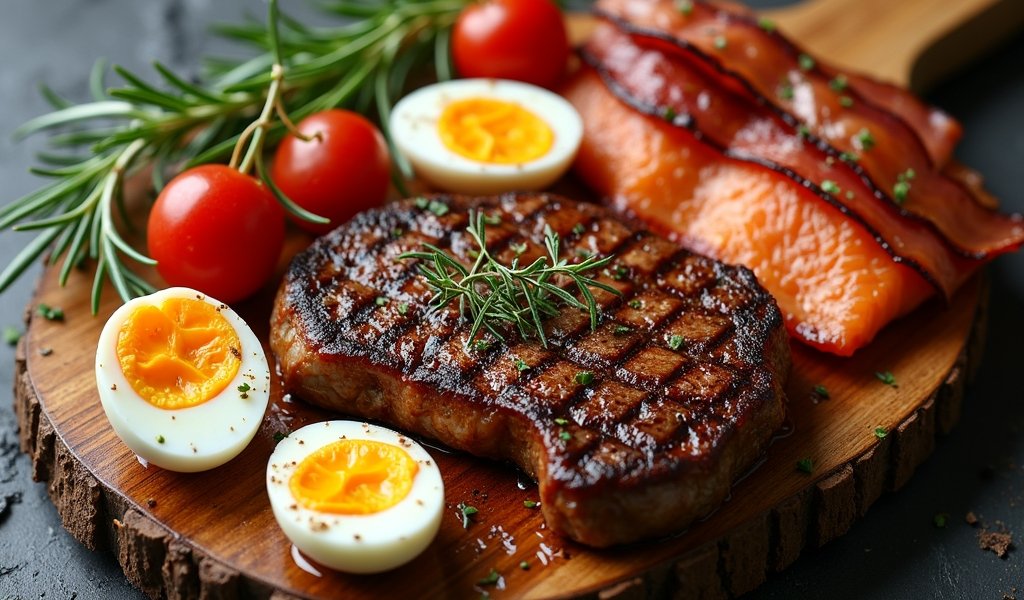
1. Ribeye Steak with Eggs
This classic combo delivers a perfect balance of protein and fat to fuel intense morning workouts. The ribeye provides creatine and zinc for testosterone production, while eggs offer choline for brain health and leucine for muscle protein synthesis. I recommend cooking the steak medium-rare to preserve nutrient integrity and scrambling 3-4 eggs in butter or tallow.
2. Salmon and Bacon Plate
Wild-caught salmon delivers omega-3 fatty acids that help reduce inflammation from training, while bacon adds delicious flavor and additional fat for sustained energy. This combination provides different amino acid profiles than beef, ensuring more complete nutrition. The varying fat types also support hormone production and cellular health.
3. Bone Marrow Breakfast Bowls
Roasted bone marrow represents one of the most nutrient-dense foods available. Rich in collagen proteins and healthy fats, it pairs perfectly with ground beef for a complete amino acid profile. Simply roast beef marrow bones at 450°F for 15-20 minutes until bubbling, then scoop the marrow onto freshly browned ground beef. The mouthfeel is buttery and satiating.
For those transitioning to carnivore, breakfast often proves the easiest meal to adapt since many people already enjoy eggs and meat in the morning. Don’t worry about eating “breakfast foods” specifically—leftover dinner meats make excellent morning meals and simplify meal prep considerably.
Satisfying Carnivore Lunch Options
Midday meals on carnivore should balance convenience with nutrition, especially for those with busy schedules. These lunch options travel well and can be prepared in advance:
1. Chuck Roast Cold Cuts
Slow-cooking a chuck roast until tender, chilling it, and slicing it thin creates perfect cold cuts without the additives found in commercial products. The collagen-rich nature of this cut provides glycine, which balances the methionine from muscle meats and supports joint recovery. Pair with hard-boiled eggs for added nutrition and satiety.
2. Sardine Salad
While traditional “salads” are off the menu, mixing canned sardines with hard-boiled eggs and a touch of butter creates a nutrient-dense alternative. Sardines provide calcium from their edible bones, plus brain-supporting omega-3s. This meal requires zero cooking and can be prepared in minutes—perfect for busy professionals.
3. Burger Patty Power Lunch
Pre-cooked burger patties (preferably from grass-fed beef) make excellent portable lunches. I recommend making them slightly thicker than standard burgers (about 8oz each) and cooking to medium doneness for better flavor when eaten cold. Top with thinly sliced raw liver for a micronutrient boost if you’re feeling adventurous—the flavor is mild when paired with the burger.
The key to lunch success is preparation. I advise clients to cook extra protein at dinner specifically for the next day’s lunch. This habit eliminates decision fatigue and prevents the temptation of convenient non-carnivore options during the workday.
Protein-Packed Carnivore Dinner Recipes
Dinner provides an opportunity to explore more elaborate cooking techniques and nutrient combinations. These evening meals support overnight recovery and muscle protein synthesis:
1. Reverse-Seared Tomahawk Steak
This impressive cut combines visual appeal with incredible nutrition. Slow-roast at 275°F until internal temperature reaches 115°F, then finish with a searing-hot cast iron sear. The cooking method maximizes flavor while preserving nutrient integrity. The extended bone adds minerals to the meat during cooking and provides a rich source of glycine when simmered for broth afterward.
2. Beef Heart Steaks
Organ meats deserve a central place in carnivore nutrition, and heart meat offers an accessible entry point with its mild flavor and steak-like texture. Rich in CoQ10, B vitamins, and iron, beef heart supports energy production at the cellular level. Slice thinly against the grain, marinate in butter and salt, then quickly sear for just 60-90 seconds per side to prevent toughness.
3. Surf and Turf Carnivore Style
Combining land and sea animals provides complementary nutrient profiles. My favorite combination pairs butter-basted sirloin with butter-poached lobster tail. The beef provides zinc, iron and creatine, while seafood delivers iodine and selenium. This meal supports thyroid function and testosterone production—both critical for physique enhancement.
Don’t shy away from fatty cuts. They’re not only more flavorful but also provide essential energy for training and recovery. Contrary to conventional wisdom, research now shows that saturated fat from quality animal sources isn’t the villain it was once portrayed to be for most people.
Quick Carnivore Diet Snack Ideas
While many carnivore practitioners eventually migrate to just 1-2 meals daily, strategic snacking can support training goals, especially during adaptation. These portable options provide quality nutrition between meals:
1. Pemmican
This traditional survival food combines dried, powdered meat with rendered fat—creating a shelf-stable, energy-dense food that requires no refrigeration. Making your own ensures quality; simply dehydrate lean beef until completely dry, powder it, and mix with an equal amount of rendered tallow. The result provides complete nutrition in a convenient package.
2. Marrow Bones
Roasted marrow bones can be prepared in batches and reheated as needed. The fatty marrow provides energy and micronutrients while supporting joint health. Small cross-cut bones (about 2 inches) make perfect single-serving snacks that can be quickly reheated in a toaster oven.
3. Egg Muffins
Whisk eggs with cooked ground meat and bake in silicone muffin cups for grab-and-go protein. These can be made in bulk during weekend prep and provide balanced nutrition without preparation when you’re busy. Adding a small amount of pureed liver to the mixture significantly increases vitamin content without overwhelming the flavor.
The best approach to snacking is preparation. When hunger strikes, having carnivore-compliant options readily available prevents impulsive off-plan choices. Even a simple hard-boiled egg or slice of leftover meat can bridge the gap between meals effectively.
Meal Prep Strategies for Carnivore Success
Sustainable adherence to carnivore eating requires practical approaches to meal preparation. These strategies have helped my clients maintain consistency:
- Batch cook tougher cuts like chuck roasts, briskets and short ribs in a slow cooker or pressure cooker
- Pre-cook burger patties and breakfast sausages for quick reheating
- Boil a dozen eggs at once for convenient snacks and meal additions
- Render large batches of tallow or lard for cooking throughout the week
- Prepare bone broth in bulk and freeze in individual portions
- Buy meat in bulk from local farms or wholesale clubs for cost savings
Invest in quality storage containers that won’t leach chemicals into your food. Glass containers with silicone lids work exceptionally well and don’t retain odors like plastic options. Vacuum sealing prepared meats extends freshness and allows for longer storage.
Don’t overlook the power of simple seasoning. While some carnivore purists use only salt, most find that spices without additives (read labels carefully) add variety without compromising benefits. Dried herbs, garlic powder, and black pepper can transform the same cut of meat into different culinary experiences.
Tracking Your Progress on the Carnivore Diet
Beyond the scale, multiple metrics help assess the effectiveness of your carnivore approach for body composition. I recommend clients track:
- Waist and hip measurements (weekly)
- Strength progress on key lifts
- Progress photos in consistent lighting
- Energy levels throughout the day (1-10 scale)
- Sleep quality and duration
- Mood and mental clarity
Laboratory testing provides objective data on how your body responds to carnivore nutrition. Consider baseline and follow-up testing of lipid panels, inflammatory markers (hsCRP), fasting insulin, and testosterone levels. Many clients see dramatic improvements in these values despite conventional wisdom suggesting otherwise.
Remember that adaptation takes time. The first 2-4 weeks typically involve some adjustment as your metabolism shifts to fat-burning. Initial water weight fluctuations are common and don’t reflect true fat loss or muscle gains. Focus on trend lines rather than day-to-day fluctuations.
If you’re not seeing desired results after 6-8 weeks of consistent implementation, consider adjusting your fat-to-protein ratio. Some individuals thrive on fattier cuts while others do better with leaner options. Your optimal ratio depends on activity level, body composition goals, and individual metabolism.
Conclusion: Maximizing Your Carnivore Journey
The carnivore diet offers a powerful approach to body composition that combines nutritional simplicity with metabolic efficiency. By focusing on nutrient-dense animal foods, you provide your body with the building blocks needed for muscle development while creating a hormonal environment conducive to fat loss.
The ten carnivore diet meals outlined in this guide deliver varying nutrient profiles through different animal proteins and cooking methods. From protein-packed breakfasts to recovery-supporting dinners, these options demonstrate that carnivore eating can be both nutritious and satisfying.
Success requires patience and personalization. While the foundational principles remain consistent, your optimal approach may vary based on activity levels, metabolic health, and specific goals. Start with the recommendations provided, then adjust based on your body’s feedback.
Remember that sustainability matters more than short-term perfection. Some practitioners find that including occasional low-toxicity plant foods (like avocados or berries) improves adherence without compromising results. There’s no one-size-fits-all approach, and your journey may evolve over time.
The carnivore diet represents a return to ancestral eating patterns that shaped human evolution for millennia. By embracing these principles while applying modern nutritional science, you can transform your physique while potentially resolving inflammatory issues that hinder performance and recovery.
Frequently Asked Questions
How quickly will I see muscle gains and fat loss on a carnivore diet?
Most people notice initial water weight loss within the first week, but true fat loss and muscle preservation become apparent around 3-4 weeks after metabolic adaptation. Your individual results will depend on training consistency, sleep quality, and adherence to the diet.
Can I build muscle without carbohydrates?
Yes, muscle growth is primarily driven by protein intake and progressive overload training, not carbohydrates. Many athletes report excellent strength and muscle gains on carnivore after adaptation, as ketones provide efficient fuel for both performance and recovery.
What’s the minimum amount of fat I should eat on carnivore?
Fat should provide approximately 70-80% of your calories on a carnivore diet for optimal energy and hormonal function. This typically means selecting fattier cuts of meat and potentially adding butter or tallow to leaner proteins.
Do I need to supplement on a carnivore diet?
Most nutrients are available in animal foods when consuming a variety of cuts including organs. The most common supplements to consider are electrolytes during adaptation and vitamin D3 if sun exposure is limited.
Is carnivore safe for long-term health?
Current research shows that well-formulated animal-based diets can support excellent health markers including lipid profiles, insulin sensitivity, and inflammatory status. Many clinical practitioners have maintained carnivore eating for 5+ years with excellent health outcomes, though individual results may vary.