
Overview
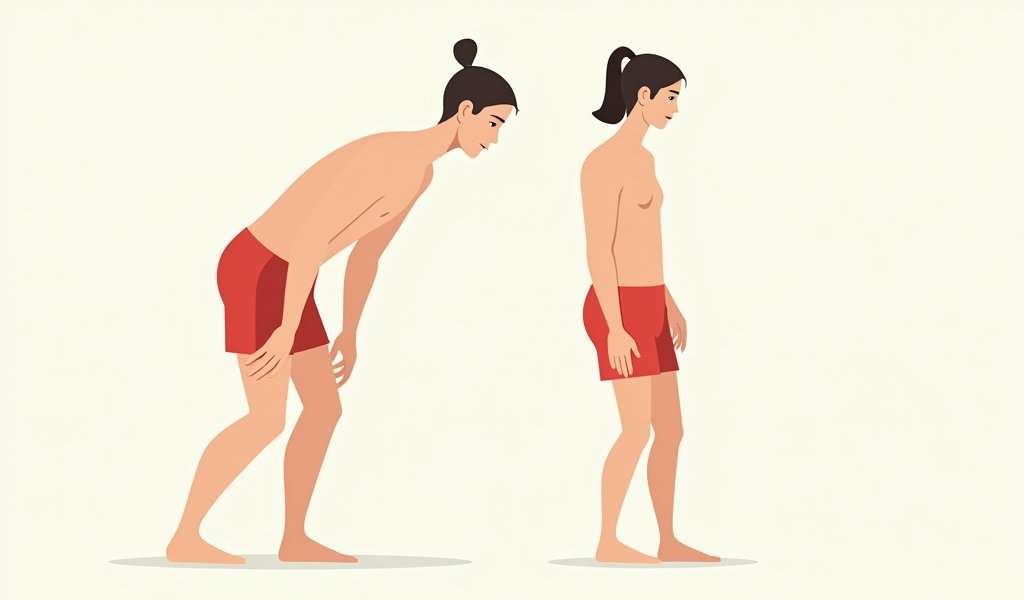
Turns out your ACL can ghost you worse than your ex—tearing without dramatic fanfare through seven subtle signs: knee instability, delayed swelling, limited motion, pain during pivoting, popping sensations, decreased athletic performance, and difficulty with everyday activities. The article emphasizes the importance of recognizing these warning signs early, as ACL tears can occur without immediate recognition, and provides guidance on when to seek medical attention and treatment options ranging from physical therapy to surgical reconstruction.
Table of Contents
- Understanding ACL Tears
- Can You Tear Your ACL Without Knowing?
- Sign #1: Persistent Knee Instability
- Sign #2: Delayed Swelling
- Sign #3: Limited Range of Motion
- Sign #4: Pain During Pivoting Movements
- Sign #5: Feeling or Hearing a Pop
- Sign #6: Decreased Athletic Performance
- Sign #7: Difficulty with Everyday Activities
- When to See a Doctor
- Treatment Options
- Conclusion
- Frequently Asked Questions
Understanding ACL Tears
The anterior cruciate ligament (ACL) plays a crucial role in knee stability. Located deep within the knee joint, this strong band of tissue prevents your shin bone from sliding forward and provides rotational stability during movement. When intact, your ACL enables quick direction changes, pivoting, and jumping with confidence.
ACL tears typically occur during activities involving sudden stopping, changing direction, incorrect landing from jumps, or direct blows to the knee. Athletes in sports like soccer, basketball, football, and skiing face higher risks, but anyone can experience this injury during everyday activities.
The severity of ACL tears varies significantly. Some are partial tears where the ligament remains partially connected, while complete tears involve total separation of the ligament. According to research published in the Journal of Orthopaedic Surgery and Research, over 200,000 ACL injuries occur annually in the United States alone.
Can You Tear Your ACL Without Knowing?
Yes, you can tear your ACL without immediately recognizing the injury. While many ACL tears announce themselves dramatically with a pop, severe pain, and rapid swelling, some tears—particularly partial ones—present with subtle symptoms that develop gradually.
The phenomenon of “silent” ACL tears is more common than most realize. Dr. Robert LaPrade, a renowned orthopedic knee specialist, notes that approximately 30% of ACL tear patients don’t recall a specific injury event. These individuals often attribute their symptoms to minor strains or normal aging.
Strong leg muscles can temporarily compensate for ACL deficiency, masking the underlying issue. This compensation allows some people to continue daily activities without realizing the extent of their injury, sometimes for weeks or even months.

Sign #1: Persistent Knee Instability
The most telling sign of an ACL tear is knee instability—a sensation that your knee might “give way” during certain movements. This feeling occurs because without a functioning ACL, your knee lacks crucial stabilization during rotational movements.
Many patients describe this as: “My knee feels wobbly when I pivot,” or “Sometimes my knee buckles when I’m walking downstairs.” This instability might happen inconsistently, making it easy to dismiss as clumsiness or weakness.
The instability typically becomes more noticeable during activities requiring quick direction changes or when walking on uneven surfaces. According to research in the Journal of Orthopaedic & Sports Physical Therapy, this symptom is present in over 90% of patients with ACL deficiency, even when other symptoms are minimal.
Sign #2: Delayed Swelling
Unlike the immediate dramatic swelling seen in acute injuries, a partial ACL tear might cause subtle, intermittent swelling that comes and goes. You might notice your knee looks slightly puffy or feels tight after activities, especially those involving pivoting or sudden stops.
This delayed swelling represents inflammation within the joint responding to instability and tissue damage. It often develops within 24 hours after activity and may resolve with rest, only to return when you resume certain movements.
Pay attention to patterns—if your knee regularly swells after playing sports or climbing stairs, your body is signaling a problem. Even mild, recurrent swelling isn’t normal and warrants medical evaluation.
Sign #3: Limited Range of Motion
Restricted knee movement often develops gradually after an ACL tear. You might notice you can’t fully straighten your leg anymore or that deep bends have become uncomfortable.
This limitation sometimes manifests as a feeling of stiffness or tightness rather than outright pain. Many people adapt their movements unconsciously, developing habits that work around these limitations without addressing the underlying cause.
A simple self-check involves comparing your knees. While sitting with both legs extended, observe whether one knee lies flatter than the other. Similarly, when bending your knee toward your buttocks while lying on your stomach, note any difference in flexibility between sides.
Sign #4: Pain During Pivoting Movements
ACL tear pain often follows specific movement patterns rather than presenting as constant discomfort. The pain typically intensifies during pivoting, cutting, or twisting motions—precisely the movements that rely heavily on ACL stability.
This discomfort may feel like a deep, internal ache rather than a sharp pain. Many patients describe it as a sensation that “something isn’t right” inside the knee when rotating or changing direction quickly.
Dr. Bert Mandelbaum, orthopedic surgeon for the U.S. Soccer Federation, explains that this pattern helps distinguish ACL injuries from meniscus tears or arthritis. If your knee consistently hurts during specific rotational movements but feels relatively normal during straight-line activities, consider having your ACL evaluated.
Sign #5: Feeling or Hearing a Pop
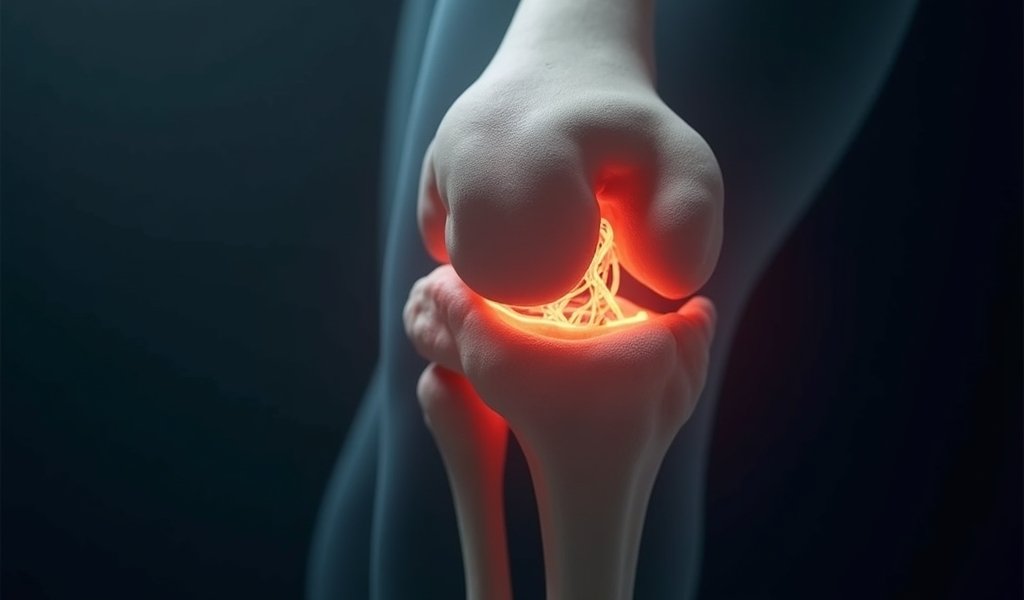
The infamous “pop” associated with ACL tears isn’t just dramatic storytelling—it represents the actual sound of the ligament tearing under stress. This distinctive sound or sensation occurs in approximately 70% of ACL tears, according to the American Academy of Orthopaedic Surgeons.
However, not everyone registers hearing this sound in the moment. Some describe it more as a sensation—”something snapped inside” or “a rubber band breaking”—rather than an audible noise. The chaos of an athletic play or fall can easily overshadow this momentary signal.
Even if the injury occurred months ago, recalling any such sensation provides valuable diagnostic information. If you remember feeling or hearing something unusual in your knee during an incident, mention it to your healthcare provider.
Sign #6: Decreased Athletic Performance
A subtle yet significant sign of ACL damage is unexplained decline in athletic performance. You might notice you can’t cut as sharply on the soccer field, feel less confident landing jumps, or find yourself avoiding certain movements that once came naturally.
These performance changes often stem from unconscious adaptations your body makes to protect the unstable knee. You might start planting your foot differently, distributing weight unevenly, or avoiding certain angles without even realizing it.
Athletes often misattribute these changes to fatigue, age, or conditioning needs. However, healthy aging doesn’t typically produce specific movement avoidance patterns that protect a particular joint. If you find yourself consistently modifying how you play your sport, investigate why.
Sign #7: Difficulty with Everyday Activities
Eventually, ACL damage extends beyond sports into daily life. Activities like navigating stairs (especially descending), getting out of low chairs, or walking on uneven surfaces become surprisingly challenging.
You might find yourself gravitating toward elevators instead of stairs, choosing certain seats for easier standing, or developing specific strategies for entering and exiting your car. These adaptations happen so gradually they become your “new normal”—until someone points out your modified movements.
The key indicator is when these adaptations limit your lifestyle choices. If you’ve stopped hiking, avoid stores with stairs, or find yourself planning routes that don’t involve uneven terrain, these accommodations suggest underlying knee instability requiring evaluation.
When to See a Doctor
Seek immediate medical attention if you experience:
- Significant swelling that limits knee movement
- Inability to bear weight on the affected leg
- A visibly deformed knee joint
- Intense pain that doesn’t improve with basic RICE (rest, ice, compression, elevation)
Even without these urgent signs, make an appointment with a healthcare provider if you notice:
- Persistent feelings of instability when turning or pivoting
- Recurrent swelling after activities
- Limited range of motion that doesn’t improve
- Performance changes affecting your quality of life
Early diagnosis typically leads to better outcomes and more treatment options. Orthopedic specialists or sports medicine physicians have the expertise to evaluate ACL injuries properly through physical examination and, when necessary, imaging studies like MRI.
Treatment Options
Treatment approaches for ACL tears have evolved significantly. The right approach depends on multiple factors including tear severity, your activity goals, age, and overall health.
Non-surgical management may be appropriate for partial tears with minimal instability or for less active individuals. This typically involves:
- Physical therapy to strengthen supporting muscles
- Functional bracing during higher-risk activities
- Activity modifications to avoid pivoting sports
For complete tears, especially in younger patients or those wishing to return to demanding sports, surgical reconstruction remains the standard treatment. According to research published in the Journal of Athletic Training, modern reconstruction techniques show good to excellent results in 75-97% of patients.
Recovery timelines vary but typically span 6-12 months for full return to sports following reconstruction. This extended recovery underscores the importance of early diagnosis—the sooner appropriate treatment begins, the sooner you can return to your preferred activities with confidence.
Conclusion
ACL tears don’t always announce themselves with dramatic symptoms. By recognizing these seven subtle signs—instability, intermittent swelling, limited range of motion, specific pain patterns, popping sensations, decreased performance, and everyday difficulties—you can identify potential ACL damage before it leads to further complications.
Your knees carry you through life’s journey, and they deserve attentive care when something feels amiss. These warning signs are valuable messengers that, when heeded early, can make the difference between simple interventions and complex surgeries down the road.
If you’ve recognized your own experience in any of these symptoms, consult with a healthcare professional who specializes in knee injuries. Your future mobility—whether for championship athletics or simply playing with grandchildren without pain—may depend on addressing these subtle signs your knee is sending today.
Remember: your body whispers before it screams. When it comes to ACL injuries, learning to listen to those whispers might save you from the scream.
Frequently Asked Questions
Can you walk normally with a torn ACL?
Many people can walk normally with a torn ACL, especially after the initial swelling subsides. Straight-ahead walking doesn’t challenge the knee’s rotational stability that the ACL primarily controls.
How long can you go with a torn ACL without surgery?
Some people function for years with a torn ACL without surgery, especially those who avoid pivoting sports and have strong leg muscles. However, chronic instability may lead to additional knee damage over time.
Can a torn ACL heal on its own?
Complete ACL tears cannot heal on their own due to poor blood supply and the gap between torn ends. Partial tears occasionally may heal with proper rehabilitation and bracing.
Is it always painful to tear your ACL?
Not always. While many experience significant pain immediately, some people report more of a strange sensation than pain. Pain levels vary dramatically between individuals and with tear severity.
Can I still exercise with a torn ACL?
Yes, but with modifications. Low-impact activities like swimming, stationary biking, and controlled strength training are usually safe. Avoid pivoting sports and get professional guidance for an appropriate exercise program.