
Overview
In a plot twist that would surprise your spine, pneumonia isn’t just a lung problem—it can actually cause significant back pain when inflammation affects lung tissue near the back or through muscle strain from persistent coughing. The article explains that pneumonia-related back pain typically worsens with breathing or coughing, often presents alongside respiratory symptoms and fever, and should be treated through a dual approach of addressing the underlying infection with appropriate medications while managing pain through heat therapy, breathing exercises, proper positioning, and medical supervision.
Table of Contents
- Understanding Pneumonia: What You Need to Know
- The Connection Between Pneumonia and Back Pain
- Diagnosing Pneumonia-Related Back Pain
- 5 Proven Treatment Tips for Pneumonia-Related Back Pain
- Prevention Strategies: Keeping Pneumonia at Bay
- When to See a Doctor: Red Flags You Shouldn’t Ignore
- Conclusion
- Frequently Asked Questions
Can pneumonia cause back pain? This is a question I frequently hear in my practice, and the answer is yes – pneumonia can indeed cause back pain, though this symptom is often overlooked. As a health professional who has treated countless respiratory conditions, I’ve observed that back pain is a surprisingly common complaint among pneumonia patients, yet many people don’t make the connection between the two.
Pneumonia is primarily known for causing respiratory symptoms like coughing and breathing difficulties. However, its effects can extend beyond the lungs, manifesting as pain in various parts of the body, including the back. Understanding this connection can lead to earlier diagnosis and more effective treatment, potentially preventing serious complications.
In this comprehensive guide, we’ll explore the relationship between pneumonia and back pain, examine why this happens, and share proven treatment strategies to help alleviate your discomfort while addressing the underlying infection. Whether you’re currently dealing with these symptoms or simply looking to expand your health and wellness knowledge, this article provides valuable insights into this often-misunderstood aspect of pneumonia.
Understanding Pneumonia: What You Need to Know
Pneumonia is an infection that inflames the air sacs in one or both lungs. These air sacs, called alveoli, may fill with fluid or pus, causing a range of symptoms from mild to severe. According to the World Health Organization, pneumonia accounts for approximately 14% of all deaths of children under 5 years old globally, making it a significant health concern.
The condition can be caused by various pathogens, including bacteria, viruses, and fungi. Bacterial pneumonia, often caused by Streptococcus pneumoniae, is the most common type in adults. Viral pneumonia, on the other hand, is more common in children and can be caused by respiratory viruses like influenza or respiratory syncytial virus (RSV).
Typical pneumonia symptoms include:
- Persistent cough with phlegm
- Fever, sweating, and chills
- Difficulty breathing or shortness of breath
- Chest pain that worsens when breathing or coughing
- Fatigue and general weakness
- Nausea, vomiting, or diarrhea (especially in younger children)
While most people associate pneumonia with chest symptoms, its effects can radiate throughout the body. The inflammatory response triggered by the infection can cause widespread discomfort, including pain that manifests in the back. Additionally, the persistent coughing associated with pneumonia can strain muscles in the back and chest, further contributing to back pain.
Understanding the full spectrum of pneumonia symptoms, including those that might seem unrelated like back pain, is crucial for early detection and treatment. This awareness can make a significant difference in recovery outcomes and help prevent the spread of the infection to others.
The Connection Between Pneumonia and Back Pain
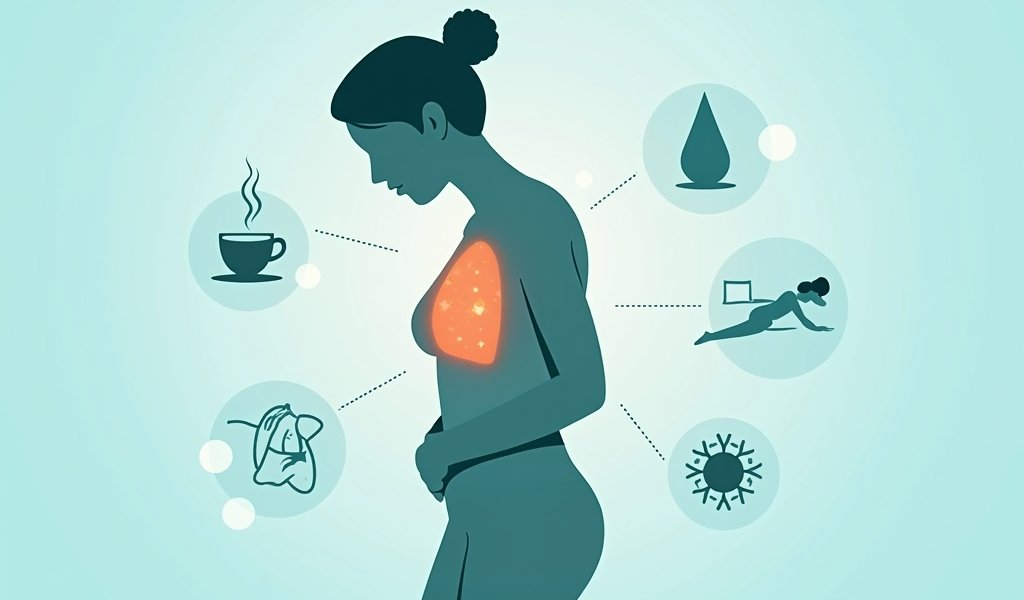
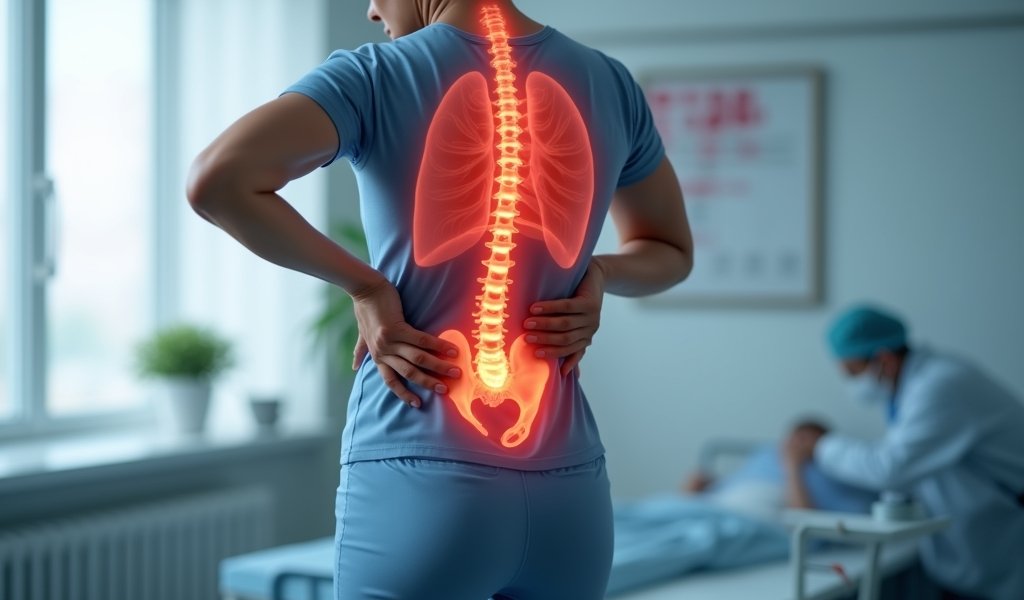
The link between pneumonia and back pain is more direct than many people realize. When pneumonia affects the lobes of the lungs closest to the back (particularly the lower lobes), the inflammation can irritate nearby tissues and nerves, resulting in pain that’s felt in the back. This phenomenon is known as referred pain – when discomfort originating in one part of the body is perceived in another area.
Diagnosing Pneumonia-Related Back Pain
Distinguishing pneumonia-related back pain from other causes of back discomfort can be challenging, but there are several characteristic features that may help with identification. Pneumonia-induced back pain typically:
- Worsens with deep breathing or coughing
- May be accompanied by fever and other respiratory symptoms
- Often presents as a sharp, stabbing sensation rather than a dull ache
- Might be focused on one side of the back, corresponding to the affected lung
If you’re experiencing back pain along with respiratory symptoms, it’s important to consult with a healthcare provider. Diagnosing pneumonia typically involves a combination of physical examination, medical history review, and diagnostic tests. Your doctor might order:
- Chest X-rays to visualize inflammation in the lungs
- Blood tests to check for signs of infection
- Sputum culture to identify the specific pathogen
- Pulse oximetry to measure oxygen levels in your blood
According to research published in the Journal of Clinical Medicine, back pain is present in approximately 25-35% of pneumonia cases, making it a relatively common but often overlooked symptom. This underscores the importance of considering pneumonia when evaluating unexplained back pain, especially when accompanied by respiratory symptoms.
Early diagnosis is crucial for effective treatment and to prevent complications. If pneumonia is confirmed, your healthcare provider will develop a treatment plan tailored to your specific situation, which might include addressing both the infection and the associated back pain.
5 Proven Treatment Tips for Pneumonia-Related Back Pain
Managing pneumonia-related back pain requires a dual approach – treating the underlying infection while also addressing the pain directly. Here are five evidence-based strategies that can help:
1. Complete Your Full Course of Antibiotics
If you’ve been diagnosed with bacterial pneumonia, adhering to your prescribed antibiotic regimen is essential. According to the Centers for Disease Control and Prevention, taking all prescribed antibiotics – even if you start feeling better – is crucial for completely eliminating the infection. As the infection clears, the inflammation decreases, which often leads to a reduction in back pain.
Remember that antibiotics won’t help with viral pneumonia, so your treatment plan will differ if your pneumonia has a viral cause. In such cases, antiviral medications might be prescribed, or your doctor may recommend supportive care while your body fights the infection.
2. Apply Heat Therapy Strategically
Gentle heat application can provide significant relief for pneumonia-related back pain. A warm compress or heating pad applied to the painful area for 15-20 minutes several times a day can help relax tense muscles and increase blood flow, promoting healing and reducing discomfort.
However, it’s important to use heat therapy correctly. Never sleep with a heating pad, and always place a thin towel between the heat source and your skin to prevent burns. If you’re experiencing fever as part of your pneumonia symptoms, consult with your healthcare provider before using heat therapy, as it may not be appropriate in all cases.
3. Practice Gentle Breathing Exercises
Controlled breathing exercises can help clear the lungs and reduce strain on back muscles. Deep breathing, also known as diaphragmatic breathing, can be particularly effective when done correctly:
- Sit or lie in a comfortable position
- Place one hand on your chest and the other on your abdomen
- Inhale slowly through your nose, feeling your abdomen rise
- Exhale slowly through pursed lips
- Repeat for 5-10 minutes, 3-4 times daily
These exercises can improve lung function while simultaneously reducing muscle tension in the back. They’re also beneficial for physical wellness beyond pneumonia recovery, making them a valuable addition to your health routine even after you’ve recovered.
4. Use Appropriate Pain Management Medications
Over-the-counter pain relievers can be effective for managing pneumonia-related back pain. Non-steroidal anti-inflammatory drugs (NSAIDs) like ibuprofen can reduce both pain and inflammation, providing dual benefits. Acetaminophen is another option that can help with pain management without addressing inflammation directly.
Always follow dosage instructions carefully, and consult with your healthcare provider before starting any medication regimen, especially if you have existing health conditions or are taking other medications. Some pain relievers may interact with antibiotics or other pneumonia treatments, so professional guidance is essential.
5. Consider Gentle Physical Therapy and Positioning
Working with a chiropractic wellness center or physical therapist experienced in respiratory conditions can be beneficial for addressing pneumonia-related back pain. These professionals can recommend specific exercises and stretches that support recovery while minimizing discomfort.
Additionally, finding comfortable positions that reduce strain on your back can provide significant relief. Many pneumonia patients find that:
- Sleeping with extra pillows to elevate the upper body
- Using a pillow between the knees when lying on your side
- Avoiding prolonged periods in one position
These positioning strategies can reduce pressure on inflamed areas and improve breathing comfort, which in turn can help alleviate back pain. A physical therapist can provide personalized guidance based on your specific symptoms and condition.
Prevention Strategies: Keeping Pneumonia at Bay
Preventing pneumonia is always preferable to treating it. Here are several effective strategies to reduce your risk:
- Get vaccinated: Both the pneumococcal vaccine and annual flu shots can significantly reduce your risk of developing pneumonia
- Practice good hygiene: Frequent handwashing and avoiding close contact with sick individuals can help prevent infection
- Don’t smoke: Smoking damages your lungs’ natural defenses against infection
- Maintain a strong immune system: Regular exercise, adequate sleep, and a balanced diet rich in fruits and vegetables support immune function
- Manage chronic conditions: If you have asthma, diabetes, or heart disease, keeping these conditions well-controlled can reduce pneumonia risk
According to research published in the New England Journal of Medicine, vaccination alone can reduce the risk of pneumococcal pneumonia by up to 75% in eligible populations. This highlights the importance of preventive measures, especially for those at higher risk, such as older adults and individuals with compromised immune systems.
Taking these preventive steps not only reduces your risk of developing pneumonia but also helps protect others in your community through reduced transmission of infectious agents. Prevention truly is the most effective way to avoid both pneumonia and the back pain that can accompany it.
When to See a Doctor: Red Flags You Shouldn’t Ignore
While many cases of pneumonia can be managed at home after initial diagnosis, certain symptoms warrant immediate medical attention. Be vigilant for these warning signs that may indicate your condition is worsening or complications are developing:
- Increasing difficulty breathing or shortness of breath
- High fever that persists or returns after having improved
- Severe chest pain or back pain that doesn’t improve with prescribed treatments
- Coughing up blood
- Confusion or changes in mental awareness
- Bluish tint to lips or fingernails (cyanosis)
For older adults, people with compromised immune systems, or those with existing health conditions, the threshold for seeking medical care should be even lower. According to a study published in The American Journal of Respiratory and Critical Care Medicine, delayed treatment can significantly increase pneumonia mortality rates, particularly in vulnerable populations.
Don’t hesitate to contact your healthcare provider if you’re unsure about your symptoms or if your recovery isn’t progressing as expected. With pneumonia, it’s always better to err on the side of caution and seek professional guidance when needed.
Conclusion
Can pneumonia cause back pain? The evidence clearly shows that it can, and understanding this connection is crucial for proper diagnosis and treatment. Back pain associated with pneumonia typically results from inflammation near the lungs, muscle strain from coughing, or referred pain patterns – all legitimate aspects of this serious respiratory infection.
Managing pneumonia-related back pain requires a comprehensive approach that addresses both the underlying infection and the pain itself. From completing prescribed antibiotic courses to applying heat therapy and practicing gentle breathing exercises, there are multiple strategies that can help ease your discomfort while supporting recovery.
Remember that prevention remains the best medicine. Vaccines, good hygiene practices, and maintaining overall health can significantly reduce your risk of developing pneumonia in the first place. And if you do experience symptoms suggestive of pneumonia – including unexplained back pain accompanied by respiratory symptoms – seeking prompt medical attention is essential.
By staying informed and proactive about your health, you can better navigate pneumonia diagnosis, treatment, and recovery, minimizing both short-term discomfort and long-term complications. Your body’s signals, including back pain, provide valuable information – learning to interpret and respond to them appropriately is a key component of maintaining optimal health and wellness.
Frequently Asked Questions
Where is pneumonia back pain typically felt?
Pneumonia-related back pain is usually felt between the shoulder blades or in the mid to lower back, corresponding to the location of the infected lung tissue. It may be more prominent on one side if the infection is primarily affecting one lung.
How long does back pain from pneumonia last?
Back pain typically improves as the pneumonia resolves, usually within 1-3 weeks with proper treatment. Some residual discomfort may persist for a few weeks after the infection clears as inflamed tissues heal completely.
Can pneumonia cause lower back pain specifically?
Yes, pneumonia can cause lower back pain, especially when the lower lobes of the lungs are affected. This occurs through direct inflammation of tissues near the spine or through referred pain patterns.
Is back pain from pneumonia constant or intermittent?
Back pain from pneumonia is often intermittent and may worsen with coughing, deep breathing, or certain movements. It typically doesn’t follow the pattern of mechanical back pain that changes with posture adjustments.
Can I treat pneumonia-related back pain at home?
While some home remedies like heat application and gentle stretching can help manage the pain, pneumonia itself requires proper medical treatment. Always consult a healthcare provider for appropriate diagnosis and treatment of the underlying infection.