
Overview
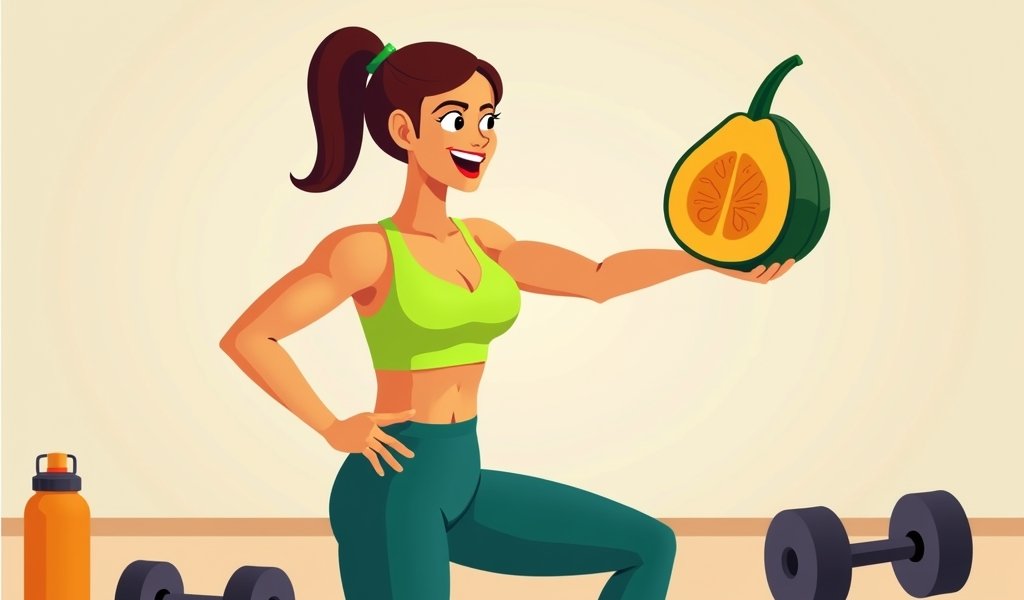
Butternut squash is a nutritional powerhouse for fitness enthusiasts, offering complex carbohydrates, vitamins (especially A and C), minerals, and anti-inflammatory compounds that support workout performance, recovery, and weight management. The article provides practical ways to incorporate butternut squash into pre-workout meals, post-exercise recovery shakes, and meal prep strategies, highlighting its versatility and benefits for both endurance and strength athletes.
Table of Contents
- Introduction to Butternut Squash Nutrition
- The Nutritional Profile of Butternut Squash
- How Butternut Squash Supports Fitness Goals
- Pre-Workout Fuel: Butternut Squash Recipes
- Post-Workout Recovery with Butternut Squash
- Meal Prep Ideas for Fitness Enthusiasts
- Why Athletes Should Include Butternut Squash
- Butternut Squash in Smoothies and Shakes
- Butternut Squash for Weight Management
- Anti-Inflammatory Properties for Recovery
- Conclusion
- Frequently Asked Questions
Introduction to Butternut Squash Nutrition
Let’s talk about one of fall’s most underappreciated fitness foods: the humble butternut squash. This vibrant orange vegetable isn’t just for holiday side dishes—it’s a nutritional powerhouse that can seriously elevate your fitness game. Butternut squash nutrition offers a unique combination of complex carbohydrates, vitamins, and minerals that make it perfect for active individuals looking to optimize their performance and recovery.
As a registered dietitian working with athletes for over a decade, I’ve seen firsthand how incorporating seasonal vegetables like butternut squash can transform both performance and overall health. What makes butternut squash special is its incredible nutrient density combined with its versatility in the kitchen—qualities that are essential for anyone serious about their fitness journey.
Whether you’re a weekend warrior, competitive athlete, or just someone trying to stay active and healthy, the nutritional benefits of butternut squash deserve a spot in your meal rotation. In this article, we’ll explore ten proven ways to leverage butternut squash nutrition to enhance your fitness results, boost recovery, and support your overall wellness goals.
The Nutritional Profile of Butternut Squash
Before diving into specific fitness applications, let’s break down what makes butternut squash such a nutritional standout. One cup (205g) of cooked butternut squash contains approximately:
- 82 calories
- 21.5 grams of carbohydrates
- 1.8 grams of protein
- 0.2 grams of fat
- 6.6 grams of fiber
- 457% of your daily vitamin A needs
- 52% of your daily vitamin C
- Significant amounts of vitamin E, B vitamins, magnesium, and potassium
What’s particularly impressive is the vitamin A content—primarily in the form of beta-carotene, which gives butternut squash its vibrant orange color. This nutrient is crucial for vision, immune function, and cellular communication—all important factors for active individuals.
The fiber content makes butternut squash more satisfying than many other carbohydrate sources, helping to maintain steady energy levels rather than causing spikes and crashes in blood sugar. This makes it an excellent choice for sustained energy similar to sweet potatoes, which many athletes already incorporate into their nutrition plans.
Butternut squash also contains a significant amount of potassium (582 mg per cup), an electrolyte essential for muscle function and preventing cramping during exercise. This mineral works alongside the squash’s natural water content to support proper hydration—a critical but often overlooked aspect of fitness performance.

How Butternut Squash Supports Fitness Goals
Now that we understand what’s in butternut squash, let’s explore how these nutrients specifically benefit your fitness endeavors. The nutritional composition of butternut squash aligns perfectly with what active bodies need to perform, recover, and progress.
First, the complex carbohydrates provide sustained energy that won’t leave you crashing mid-workout. According to research published in the Journal of the International Society of Sports Nutrition, adequate carbohydrate intake is crucial for maintaining glycogen stores, which directly impact exercise performance and endurance.
Second, the high vitamin A content supports recovery by reducing exercise-induced oxidative stress. When we exercise intensely, our bodies produce free radicals that can damage cells. The antioxidants in butternut squash help neutralize these free radicals, potentially reducing muscle soreness and improving recovery times.
Third, the potassium content plays a vital role in muscle contraction and nerve transmission—both essential for optimal performance during workouts. Many athletes experience a drop in potassium levels during intense training, which can lead to cramping and fatigue. Incorporating potassium-rich foods like butternut squash can help maintain appropriate electrolyte balance.
Finally, the fiber content helps regulate digestion and promotes a healthy gut microbiome, which emerging research suggests may influence exercise performance and recovery through various pathways, including inflammation control and nutrient absorption. Similar to the prebiotic benefits of broccoli, butternut squash supports your gut health while fueling your workouts.
Pre-Workout Fuel: Butternut Squash Recipes
Timing your butternut squash consumption before workouts can provide optimal energy while avoiding digestive discomfort. Here are some pre-workout butternut squash recipes that deliver the right balance of nutrients:
Butternut Squash Energy Bowls (2-3 hours before exercise)
This balanced meal provides complex carbs, moderate protein, and healthy fats to fuel longer training sessions:
- 1 cup roasted butternut squash cubes
- ½ cup cooked quinoa
- 2 tablespoons pumpkin seeds
- 1 tablespoon olive oil
- Pinch of cinnamon and sea salt
Simply combine all ingredients in a bowl and enjoy. The combination of squash and quinoa provides both immediate and sustained energy release, making it perfect for endurance activities.
Butternut Squash Toast (1 hour before exercise)
For a lighter pre-workout option that won’t sit heavily in your stomach:
- 1 slice whole grain bread
- 3 tablespoons mashed butternut squash
- 1 teaspoon honey
- Sprinkle of cinnamon
Toast the bread, spread with mashed butternut squash, drizzle with honey, and sprinkle with cinnamon. This quick option provides readily available carbohydrates with minimal fat and protein, which could slow digestion too close to exercise.
Pre-workout nutrition should focus on foods that are easy to digest while providing adequate energy. Butternut squash fits this role perfectly, especially when you minimize added fats that might slow digestion when consumed close to workout time.
Post-Workout Recovery with Butternut Squash
After exercise, your nutritional priorities shift to replenishing glycogen stores, providing protein for muscle repair, and delivering antioxidants to combat exercise-induced inflammation. Butternut squash can play a key role in this recovery phase when paired appropriately.
Recovery Butternut Squash Hash (within 30-60 minutes post-workout)
- 1 cup diced and roasted butternut squash
- 2 eggs (or 4 egg whites for lower fat)
- ½ bell pepper, diced
- Small handful of spinach
- Herbs and spices to taste
Sauté the vegetables, then add the eggs and cook until set. This meal provides the ideal 3:1 carb-to-protein ratio that research suggests may optimize glycogen replenishment and muscle protein synthesis after exercise.
The combination of carbohydrates from the squash and protein from the eggs works synergistically to enhance recovery. The carbohydrates trigger an insulin response that not only helps replenish muscle glycogen but also assists in shuttling amino acids from the protein into your muscles to begin the repair process.
Additionally, the vitamin C in butternut squash supports collagen synthesis, which is important for joint health and recovery—especially important for those engaging in high-impact activities or heavy resistance training.

Meal Prep Ideas for Fitness Enthusiasts
One of the biggest challenges for active individuals is consistently eating well while managing busy schedules. Butternut squash is incredibly meal-prep friendly, maintaining its texture and flavor when refrigerated for 3-5 days. Here’s how to make butternut squash a convenient part of your fitness nutrition plan:
Batch-Roasted Butternut Squash
Preheat your oven to 400°F (200°C). Peel, seed, and cube a whole butternut squash, toss with a tablespoon of olive oil and your favorite seasonings (try cinnamon and a pinch of salt for sweet applications or rosemary and garlic for savory dishes). Roast for 25-30 minutes until tender and slightly caramelized. Store in airtight containers in the refrigerator.
This prepped squash can be used throughout the week in multiple ways:
- Added to grain bowls with protein of choice
- Blended into smoothies for added nutrients and creaminess
- Tossed into salads for a satisfying carbohydrate component
- Puréed into a soup for a quick, nutritious meal
When meal prepping with butternut squash, consider how it pairs with complementary proteins. For instance, the sweetness of butternut squash works wonderfully with savory proteins like grilled chicken or baked tofu, creating balanced meals that satisfy both nutritional needs and taste preferences.
For those with limited time, many grocery stores now offer pre-cut butternut squash, which removes the most time-consuming part of preparation. While slightly more expensive, this convenience can be worth it if it means you’ll actually incorporate this nutritional powerhouse into your fitness diet.
Why Athletes Should Include Butternut Squash
Athletes with specific performance goals can particularly benefit from butternut squash nutrition. Different sports and training modalities have unique nutritional demands, and butternut squash can be adapted to support various athletic endeavors:
Endurance Athletes
Runners, cyclists, and triathletes need substantial carbohydrate intake to support glycogen stores for long-duration activities. Butternut squash provides these carbohydrates in a nutrient-dense package that also delivers potassium—crucial for preventing muscle cramps during extended sessions. The fiber content helps maintain steady energy release, avoiding the spikes and crashes that can derail performance.
According to research published in the Journal of Functional Foods, the beta-carotene in orange vegetables like butternut squash may also help protect against exercise-induced oxidative damage, which is particularly relevant for endurance athletes who experience higher oxidative stress due to the duration of their activities.
Strength and Power Athletes
While protein often takes center stage for strength athletes, carbohydrates are equally important for fueling high-intensity efforts and supporting recovery. Butternut squash provides these carbohydrates without unnecessary added sugars, along with micronutrients that support overall health and recovery.
The vitamin C in butternut squash, for example, supports the body’s production of collagen, which is vital for joint health and connective tissue integrity—particularly important for those lifting heavy weights or performing explosive movements.
Butternut Squash in Smoothies and Shakes
One of the most versatile ways to incorporate butternut squash into your fitness nutrition is through smoothies and protein shakes. Cooked and frozen butternut squash adds a creamy texture and subtle sweetness while boosting the nutritional profile of your post-workout shake.
Performance Butternut Protein Shake
- ½ cup cooked and frozen butternut squash cubes
- 1 scoop vanilla protein powder
- 1 cup unsweetened almond milk
- ½ frozen banana
- ¼ teaspoon cinnamon
- Small pinch of nutmeg
- Ice to desired consistency
Blend all ingredients until smooth. This shake delivers approximately 25 grams of protein (depending on your protein powder) along with complex carbohydrates for recovery. The combination of butternut squash and banana provides potassium to help restore electrolyte balance after sweating.
For morning workouts, this shake can be prepared the night before and kept in the refrigerator, ready to grab on your way out the door. The beta-carotene in the butternut squash is fat-soluble, meaning it’s best absorbed with a source of healthy fat—the small amount in almond milk and protein powder is typically sufficient.
If you’re watching your carbohydrate intake but still want the nutritional benefits of butternut squash, simply reduce the portion to ¼ cup and eliminate the banana. Even in smaller amounts, the nutrients in butternut squash can support your fitness goals.
Butternut Squash for Weight Management
For those with body composition goals, butternut squash offers several advantages over other carbohydrate sources. With only about 80 calories per cup, it provides significant volume and satiety for relatively few calories—important for those in a caloric deficit while trying to maintain training performance.
The fiber content (about 7 grams per cup) slows digestion and helps you feel fuller longer, which can prevent overeating at subsequent meals. This makes butternut squash an excellent choice for those looking to manage hunger while maintaining adequate energy for workouts.
Additionally, the water content of butternut squash (about 88%) helps with hydration and contributes to its satiating effect without adding calories. This high water content gives butternut squash a low energy density, meaning you can eat a satisfying portion without consuming excessive calories—similar to how spaghetti squash serves as a lower-calorie pasta alternative for those monitoring their intake.
For those in a muscle-building phase who need additional calories, butternut squash can still be valuable. Its easy digestibility makes it an excellent carbohydrate source that won’t cause GI distress even when consuming higher volumes of food. Simply increase portion sizes and pair with adequate protein and healthy fats to support your anabolic goals.
Anti-Inflammatory Properties for Recovery
Recovery isn’t just about protein and carbs—it also involves managing the inflammatory response to exercise. While some inflammation is a normal part of the adaptation process, excessive or prolonged inflammation can hinder recovery and progress.
Butternut squash contains several compounds with anti-inflammatory properties, including beta-carotene and other carotenoids. These compounds help neutralize free radicals produced during intense exercise and may help reduce excessive inflammatory responses.
A particularly interesting component of butternut squash is its cucurbitacin content—compounds that have been studied for their anti-inflammatory and even anti-cancer properties. While more research is needed specifically in the context of exercise recovery, these natural plant compounds contribute to the overall health benefits of including butternut squash in an athlete’s diet.
To maximize the anti-inflammatory benefits, consider combining butternut squash with other anti-inflammatory foods like turmeric, ginger, or fatty fish rich in omega-3s. For example, a curry made with butternut squash, turmeric, and ginger served with salmon provides a powerful combination of nutrients that support recovery and overall health.
Remember that consistency is key with anti-inflammatory nutrition strategies. Including butternut squash and other anti-inflammatory foods regularly in your diet will likely have more benefit than occasional consumption.
Conclusion
Butternut squash deserves a prominent place in any fitness enthusiast’s nutritional arsenal. Its unique combination of complex carbohydrates, fiber, vitamins, minerals, and antioxidants makes it an ideal food for supporting exercise performance, recovery, and overall health.
From pre-workout fuel to post-exercise recovery, weight management to anti-inflammatory benefits, butternut squash nutrition offers versatile support for various fitness goals. Its adaptability in the kitchen and year-round availability make it a practical addition to meal plans for athletes and active individuals alike.
As with any nutritional strategy, the key is consistency and proper implementation. Experiment with the ideas presented here to find what works best for your body, preferences, and specific fitness goals. Whether you’re a competitive athlete or someone who simply enjoys staying active, the humble butternut squash might just be the nutritional ally you’ve been overlooking.
Remember that individual nutritional needs vary based on activity level, body composition goals, and personal tolerance. Consider consulting with a registered dietitian who specializes in sports nutrition for personalized recommendations that take your specific circumstances into account.
Frequently Asked Questions
Is butternut squash good for building muscle?
Yes, butternut squash provides complex carbohydrates that help fuel workouts and support recovery when paired with adequate protein. Its vitamins and minerals also support overall health needed for muscle development.
How much butternut squash should I eat before a workout?
For most people, ½-1 cup of cooked butternut squash 1-2 hours before exercise provides sufficient fuel without causing digestive discomfort. Adjust based on your individual tolerance and workout intensity.
Can butternut squash help with workout recovery?
Absolutely! The carbohydrates in butternut squash help replenish glycogen stores, while its antioxidants and anti-inflammatory compounds support the recovery process.
Is butternut squash keto-friendly for fitness enthusiasts following that diet?
Butternut squash is moderate in carbohydrates (about 21g per cup), making it too high for strict keto diets. However, small amounts might fit into a more flexible low-carb approach depending on your daily carb allowance.
Does butternut squash lose nutrients when cooked?
While some water-soluble vitamins may decrease slightly, cooking actually enhances the availability of certain nutrients in butternut squash, particularly beta-carotene. Roasting or steaming are preferable methods that preserve nutrients while enhancing flavor.