

Overview
Braces may transform your smile, but they also transform your mouth into a personal torture chamber that makes eating applesauce feel like an extreme sport. This article offers seven effective pain management strategies including OTC medications, orthodontic wax, cold therapy, soft foods, salt water rinses, and specialized products, while emphasizing that most discomfort is temporary, peaking 24-72 hours after adjustments before gradually subsiding within 3-7 days.
Table of Contents
- Understanding Braces Pain
- Over-the-Counter Pain Medications
- Orthodontic Wax: Your First Line of Defense
- Cold Therapy for Immediate Relief
- Embracing a Soft Foods Diet
- Salt Water Rinses: An Ancient Remedy
- Specialized Orthodontic Pain Relief Products
- When to Call Your Orthodontist
- Prevention Tips for Braces Discomfort
- Conclusion
- Frequently Asked Questions
Understanding Braces Pain
Braces pain is a normal part of orthodontic treatment that most patients experience, particularly after initial placement or adjustment appointments. This discomfort occurs because braces work by applying constant pressure to gradually shift teeth into proper alignment.
When your orthodontist places or adjusts your braces, the pressure stimulates cellular activity in your periodontal ligament – the tissue connecting your teeth to the jawbone. This pressure triggers an inflammatory response as your teeth begin to move, resulting in tenderness and soreness.
Most patients report the highest level of discomfort within the first 24-72 hours after an adjustment. This pain typically manifests as a dull, aching sensation rather than sharp pain. Your teeth may feel loose or sensitive to pressure when biting or chewing.
The good news? This discomfort is temporary. For most people, braces pain subsides significantly within 3-5 days as tissues adapt to the new pressure. Understanding this pain cycle can help you prepare and implement relief strategies at the right time.

Over-the-Counter Pain Medications
One of the most effective ways to manage braces pain is with over-the-counter (OTC) analgesics. These medications can significantly reduce inflammation and discomfort during the adjustment period.
Non-steroidal anti-inflammatory drugs (NSAIDs) like ibuprofen (Advil, Motrin) work particularly well for orthodontic discomfort because they target inflammation directly. Acetaminophen (Tylenol) is an alternative for those who cannot take NSAIDs due to medical reasons.
For maximum effectiveness, consider taking medication about an hour before your adjustment appointment. This proactive approach helps establish pain control before discomfort peaks. Continue taking the medication as directed for 24-48 hours after your appointment, then as needed.
Always follow dosage instructions carefully and consult with your healthcare provider before starting any medication regimen. This is especially important for children with braces, as dosing is typically weight-based and should be supervised by a healthcare professional.
A study published in the Journal of Orthodontic Science confirmed that ibuprofen provides effective pain relief following orthodontic adjustments, making it a reliable first-line treatment for braces discomfort.
Orthodontic Wax: Your First Line of Defense
Orthodontic wax is a simple yet remarkably effective solution for braces irritation. This clear, pliable material creates a protective barrier between sharp bracket edges and your sensitive oral tissues.
Applying orthodontic wax is straightforward:
- Wash your hands thoroughly
- Roll a small piece of wax between your fingers until it softens
- Dry the problematic bracket or wire with a tissue
- Press the wax firmly over the irritating component
- Replace as needed (it’s safe if accidentally swallowed)
Wax works wonders for localized irritation but won’t address the general soreness from tooth movement. It’s particularly valuable during the first week with new braces when your cheeks and lips haven’t yet toughened up.
Keep orthodontic wax with you at all times – in your backpack, purse, or desk drawer. This small preparation can save you hours of discomfort when a wire comes loose or a bracket starts rubbing against your cheek unexpectedly.
Most orthodontists provide complimentary wax, but you can also purchase it at pharmacies without a prescription. Some patients prefer silicone-based alternatives that stay in place longer than traditional wax.
Cold Therapy for Immediate Relief
Cold therapy provides natural, drug-free relief for braces pain by numbing the affected area and reducing inflammation. The cold temperature constricts blood vessels and slows nerve activity, effectively dampening pain signals.
You can apply cold therapy in several ways:
- Ice packs wrapped in a thin towel applied to the outside of your face (15 minutes on, 15 minutes off)
- Drinking ice water or sucking on ice chips (avoid chewing ice, which can damage braces)
- Enjoying sugar-free popsicles or frozen yogurt
- Using specially designed orthodontic ice packs that contour to your face
Cold foods provide dual benefits – the temperature soothes discomfort while their soft texture minimizes chewing pain. Frozen grapes (seedless), smoothies, and chilled applesauce are excellent choices that combine cold therapy with appropriate braces-friendly textures.
For maximum effectiveness, apply cold therapy within the first 48 hours after an adjustment when inflammation peaks. Limit applications to 20 minutes with at least 2 hours between treatments to prevent tissue damage.
If you find yourself sensitive to cold, try wrapping your ice pack in a slightly thicker towel or opt for cool rather than freezing temperatures.
Embracing a Soft Foods Diet
When your teeth are tender from orthodontic adjustments, a soft foods diet isn’t just comfortable—it’s strategic. Reducing chewing pressure gives inflamed tissues time to recover while ensuring you maintain proper nutrition.
Focus on these braces-friendly options:
- Protein-rich smoothies with Greek yogurt, nut butters, or protein powder
- Scrambled eggs or omelets with soft vegetables
- Soups and broths (not too hot)
- Well-cooked pasta with sauce
- Mashed potatoes or sweet potatoes
- Soft-cooked rice or quinoa
- Ripe bananas, avocados, and berries
- Cottage cheese or soft cheeses
- Hummus and other bean dips
Avoid foods that require significant biting force or could damage your braces, such as hard fruits and vegetables, crusty breads, tough meats, nuts, popcorn, and chewy candies. Cut remaining foods into small, bite-sized pieces that can be chewed with back teeth.
According to the American Association of Orthodontists, maintaining proper nutrition during orthodontic treatment is crucial for optimal results and overall health.
Consider meal prepping soft foods before adjustment appointments so you’ll have ready-to-eat options when discomfort peaks. A blender becomes an invaluable tool during orthodontic treatment—invest in a good one if possible.
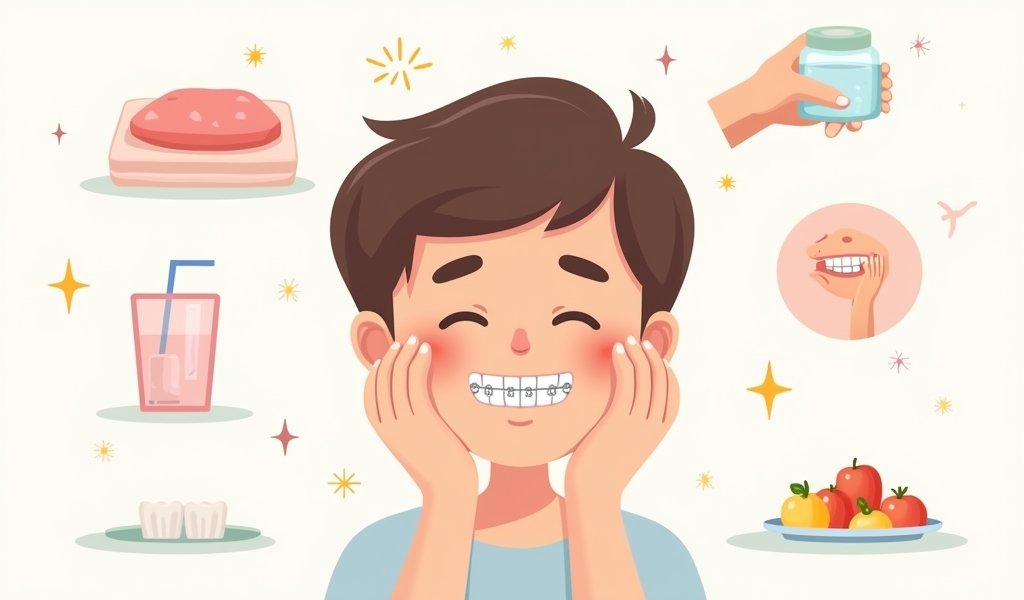
Salt Water Rinses: An Ancient Remedy
Salt water rinses have been used for centuries to promote healing and reduce oral discomfort—for good reason. This simple solution helps reduce inflammation, cleanses irritated tissues, and promotes faster healing of any minor cuts or sores from braces.
Create an effective salt water rinse with this simple recipe:
- 8 ounces (1 cup) of warm water (not hot)
- ½ teaspoon of plain table salt or sea salt
- Stir until completely dissolved
Gently swish the solution around your mouth for 30-60 seconds, concentrating on areas that feel sore or irritated. Perform rinses 3-4 times daily, especially after meals and before bed, when bacteria accumulation is highest.
Salt water rinses work by creating an osmotic effect that draws fluid from inflamed tissues, reducing swelling. The mild antiseptic properties also help prevent infection in any small abrasions caused by braces components.
The beauty of this remedy lies in its accessibility and cost-effectiveness. Unlike specialized products, you likely already have the ingredients in your kitchen, making it a perfect first-line treatment.
A research review published in the Journal of Indian Society of Periodontology confirmed that salt water rinses effectively reduce oral inflammation and promote tissue healing, supporting this time-tested remedy.
Specialized Orthodontic Pain Relief Products
The market offers several specialized products designed specifically for orthodontic discomfort. While more expensive than home remedies, these products can provide targeted relief for persistent or severe braces pain.
Topical anesthetics containing benzocaine (like Orajel or Anbesol) temporarily numb sensitive areas. Apply sparingly directly to irritated gum tissue—not to brackets or wires—following package instructions carefully.
Orthodontic silicone products like OrthoDots or Gishy Goo offer advanced alternatives to traditional wax. These silicone-based materials provide better adhesion and longer-lasting protection against bracket and wire irritation.
Specialized mouth rinses like Peroxyl (by Colgate) or Orajel Antiseptic Rinse combine mild anesthetic properties with antiseptic benefits, helping both soothe and clean irritated tissues. These can be particularly helpful for patients with multiple areas of irritation.
For those seeking cutting-edge solutions, vibration devices like AcceleDent or OrthoPulse use gentle vibrations to both reduce discomfort and potentially accelerate tooth movement. While expensive, these FDA-approved devices have shown promising results in clinical studies.
Ask your orthodontist about prescription-strength pain relievers or anti-inflammatory mouth rinses if over-the-counter options aren’t providing adequate relief. They may recommend specialized products based on your specific needs.
When to Call Your Orthodontist
While discomfort is an expected part of orthodontic treatment, certain symptoms warrant immediate professional attention. Being able to distinguish between normal adjustment pain and problematic issues is important.
Contact your orthodontist if you experience:
- Severe pain that doesn’t respond to over-the-counter medication
- Pain that persists beyond 5-7 days after an adjustment
- A broken bracket, loose band, or protruding wire causing injury
- Significant swelling of the gums or face
- Unusual bleeding around brackets or gums
- Pain accompanied by fever (which may indicate infection)
Most orthodontists provide emergency contact information for after-hours issues. Don’t hesitate to use this resource if you’re experiencing severe discomfort or have concerns about your treatment.
Remember that addressing problems promptly can prevent more significant complications and keep your treatment on schedule. Your orthodontist would rather hear from you sooner than later if something doesn’t feel right.
Document your symptoms and what remedies you’ve tried before calling. This information helps your orthodontist assess the situation more accurately and recommend appropriate solutions.
Prevention Tips for Braces Discomfort
While some discomfort is inevitable with braces, proactive strategies can minimize pain and make your orthodontic journey smoother. Implementing these preventive measures can significantly improve your comfort level.
Schedule adjustment appointments strategically when possible. Choose times when you can rest afterward—perhaps Friday afternoons so you have the weekend to adjust—rather than before important events or busy workdays.
Take approved pain medication one hour before your adjustment appointment. This proactive approach establishes pain control before discomfort peaks, making the post-adjustment period more manageable.
Maintain impeccable oral hygiene. Clean teeth and gums are less likely to become inflamed or infected. Brush after every meal using a soft-bristled toothbrush, and use interdental brushes or a water flosser to clean around brackets and under wires.
Stay hydrated and keep your lips moisturized with wax-based lip balms to prevent cracking and soreness. Avoid spicy, acidic, or extremely hot foods that can irritate already sensitive tissues.
Consider orthodontic-friendly chewing exercises between meals. Gentle chewing on approved appliances like Chewies or Munchies can stimulate blood flow, potentially reducing discomfort while helping seat wires properly in brackets.
Ask your orthodontist about custom-fitted mouthguards if you play sports. These specialized guards protect both your braces and mouth tissues from impact-related injuries that could worsen discomfort.
Conclusion
Managing braces pain effectively is an essential part of your orthodontic journey. By implementing these seven proven remedies—over-the-counter medications, orthodontic wax, cold therapy, soft foods, salt water rinses, specialized products, and knowing when to seek professional help—you can significantly reduce discomfort and focus on the end result: a beautifully aligned smile.
Remember that braces discomfort is temporary and typically follows a predictable pattern. The most intense sensations usually occur within the first few days after adjustments and gradually subside as your tissues adapt to the new pressure.
Be proactive with your pain management, combining multiple approaches for maximum relief. What works best often varies from person to person, so don’t be afraid to experiment with different combinations to find your optimal comfort strategy.
Your orthodontist remains your best resource throughout treatment. Never hesitate to reach out with questions or concerns about pain management. They can provide personalized recommendations based on your specific situation and treatment plan.
The temporary discomfort of braces is a small price to pay for the lifetime of benefits a properly aligned smile brings—not just aesthetically, but for your overall oral health. Stay focused on the end goal, and before you know it, your braces will be coming off to reveal the beautiful results of your patience and perseverance.
Frequently Asked Questions
How long does braces pain typically last?
Braces pain usually peaks 24-72 hours after adjustments and gradually subsides within 3-7 days. Most patients report significant improvement after the first week as tissues adapt to the new pressure.
Can I take ibuprofen for braces pain?
Yes, ibuprofen is often recommended for braces pain due to its anti-inflammatory properties. Take it as directed on the packaging or as recommended by your healthcare provider.
Is it normal for braces to hurt when I bite down?
Yes, increased sensitivity when biting or chewing is completely normal after braces adjustments. This pressure sensitivity typically improves within a few days as teeth adjust to their new positions.
What foods should I avoid when my braces hurt?
Avoid hard, crunchy, sticky, and chewy foods when experiencing braces pain. Focus instead on soft options like yogurt, smoothies, mashed potatoes, pasta, and well-cooked vegetables.
Can I use numbing gel on my gums with braces?
Yes, over-the-counter oral numbing gels containing benzocaine are safe to use with braces. Apply sparingly to irritated gum tissue (not directly on brackets or wires) and follow package directions carefully.