

Overview
Blueberries are nutritional powerhouses for fitness enthusiasts, containing exceptional antioxidants, anti-inflammatory compounds, essential vitamins, and fiber while being low in calories, making them ideal for recovery, sustained energy, and cognitive performance. The article details seven key benefits of blueberries—including their ability to fight exercise-induced inflammation, manage blood sugar levels, enhance brain function, and support digestive health—along with practical ways to incorporate them into pre-workout meals, recovery shakes, and daily nutrition plans.
Table of Contents
- The Tiny Blue Powerhouse: Blueberry Nutrition Facts You Need to Know
- 1. Exceptional Antioxidant Content for Recovery and Performance
- 2. Low in Calories, High in Nutrients: The Perfect Fitness Food
- 3. Fiber Content That Supports Digestive Health and Sustained Energy
- 4. Essential Vitamin Boost for Optimal Athletic Performance
- 5. Natural Anti-Inflammatory Properties for Faster Recovery
- 6. Brain Power: Cognitive Benefits for Mental Focus
- 7. Blood Sugar Management for Consistent Energy Levels
- How to Incorporate Blueberries Into Your Fitness Nutrition Plan
- Conclusion
- Frequently Asked Questions
The Tiny Blue Powerhouse: Blueberry Nutrition Facts You Need to Know
If you’re looking to elevate your fitness journey with nature’s most potent nutritional allies, blueberries deserve a prime spot in your meal plan. These small berries pack an impressive nutritional punch that can significantly impact your health and athletic performance. Understanding blueberry nutrition facts can help you make informed choices about incorporating these powerhouse fruits into your daily regimen.
As a registered dietitian working with athletes for over a decade, I’ve seen firsthand how strategic inclusion of blueberries can transform recovery times and energy levels. The comprehensive blueberry nutrition profile offers benefits that extend far beyond basic vitamins and minerals—they’re truly nature’s performance enhancers.
Whether you’re a seasoned athlete or just beginning your fitness journey, the seven essential blueberry nutrition facts I’m about to share will demonstrate why these little blue fruits deserve a prominent place in your nutrition strategy. Let’s explore the science-backed benefits that make blueberries exceptional for anyone seeking optimal health and athletic performance.
1. Exceptional Antioxidant Content for Recovery and Performance
When it comes to antioxidant content, blueberries reign supreme among common fruits and vegetables. Their deep blue color comes from anthocyanins, powerful flavonoids that neutralize free radicals produced during intense exercise. These free radicals can damage cells and contribute to muscle fatigue and prolonged recovery times.
One cup of blueberries contains more antioxidants than most other fruits and vegetables, with an ORAC (Oxygen Radical Absorbance Capacity) value that’s truly impressive. Research published in the Journal of Agricultural and Food Chemistry found that blueberries rank among the highest antioxidant-containing foods, with wild blueberries offering even greater benefits than cultivated varieties.
The practical implications for fitness enthusiasts are significant. When you consume blueberries regularly, particularly before and after workouts, you’re essentially providing your body with natural protection against exercise-induced oxidative stress. Many of my clients report noticeable differences in recovery times when they incorporate blueberries into their pre- and post-workout nutrition.
These antioxidants don’t just work in isolation—they complement other key nutrients in your diet to create a synergistic effect that supports overall athletic performance. For optimal results, aim to consume fresh blueberries several times a week, particularly on training days.

2. Low in Calories, High in Nutrients: The Perfect Fitness Food
For those tracking macros or managing caloric intake while maximizing nutritional value, blueberries offer an exceptional nutrient-to-calorie ratio. A full cup of fresh blueberries contains just 84 calories while delivering an impressive array of vitamins, minerals, and phytonutrients.
This makes blueberries an ideal choice for:
- Athletes in a caloric deficit trying to lose fat while preserving muscle
- Fitness enthusiasts seeking nutrient-dense, low-calorie snack options
- Anyone looking to increase meal volume and satisfaction without significant calorie increases
- Those needing quick energy before workouts without feeling heavy or bloated
The practical aspect of this blueberry nutrition fact is particularly valuable during cutting phases or weight management periods. Many high-nutrient foods are also calorie-dense, making it challenging to meet micronutrient needs while maintaining a deficit. Blueberries solve this problem elegantly.
In my practice, I often recommend blueberries as a strategic addition to pre-workout meals. Their carbohydrate profile provides readily available energy without the heaviness of many other carb sources. This makes them particularly valuable for morning exercisers or those with sensitive digestive systems.
3. Fiber Content That Supports Digestive Health and Sustained Energy
One cup of blueberries contains approximately 3.6 grams of dietary fiber, representing about 14% of your daily needs. This fiber content makes blueberries an excellent choice for supporting digestive health and maintaining steady energy levels throughout your workouts and recovery periods.
The fiber in blueberries is a mix of soluble and insoluble types, each offering unique benefits for active individuals. Soluble fiber helps regulate blood sugar levels, preventing the energy crashes that can derail training sessions. Meanwhile, insoluble fiber supports digestive regularity, which is crucial for nutrient absorption and overall gut health.
For athletes and fitness enthusiasts, digestive health directly impacts performance. Recent research in the European Journal of Clinical Nutrition has established clear connections between gut microbiome health and athletic performance, recovery, and even mental focus during training.
The practical application of this blueberry nutrition fact extends beyond basic digestion. By incorporating blueberries into your pre-workout meal (about 1-2 hours before exercise), you can provide your body with a source of carbohydrates that releases energy gradually throughout your training session. This is particularly valuable for endurance activities where sustained energy is essential.
Many of my clients who previously struggled with mid-workout energy crashes have found significant improvement after adding blueberries to their nutrition protocol. The fiber content works in harmony with the natural sugars in blueberries to create an ideal energy delivery system for active bodies.
4. Essential Vitamin Boost for Optimal Athletic Performance
Blueberries provide an impressive array of vitamins that directly support athletic performance and recovery. Most notably, they’re an excellent source of vitamin C, vitamin K, and various B vitamins—all critical components in a fitness-focused nutrition plan.
A single cup of blueberries contains approximately 24% of your daily vitamin C needs. This powerful antioxidant plays a crucial role in collagen synthesis (important for joint health), immune function, and iron absorption. For athletes, adequate vitamin C can mean the difference between consistent training and frequent illness-related interruptions.
The vitamin K content in blueberries (36% of daily needs per cup) supports bone health and proper blood clotting—two factors that become increasingly important with high-intensity or impact exercise. Many of the 6 essential nutrients your body needs for optimal performance are found in blueberries.
B vitamins, including B6 and folate, contribute to energy metabolism and red blood cell formation. These processes are fundamental to exercise performance, as they directly impact oxygen delivery to working muscles and energy availability during workouts.
I’ve observed tangible benefits in clients who prioritize vitamin-rich foods like blueberries in their nutrition plans. One competitive runner in particular noticed significant improvements in her recovery times and reduced frequency of upper respiratory infections during intense training blocks after increasing her blueberry consumption.
For maximum vitamin retention, consume blueberries raw whenever possible. If including them in smoothies or cooked applications, do so with minimal heat exposure to preserve their vitamin content.
5. Natural Anti-Inflammatory Properties for Faster Recovery
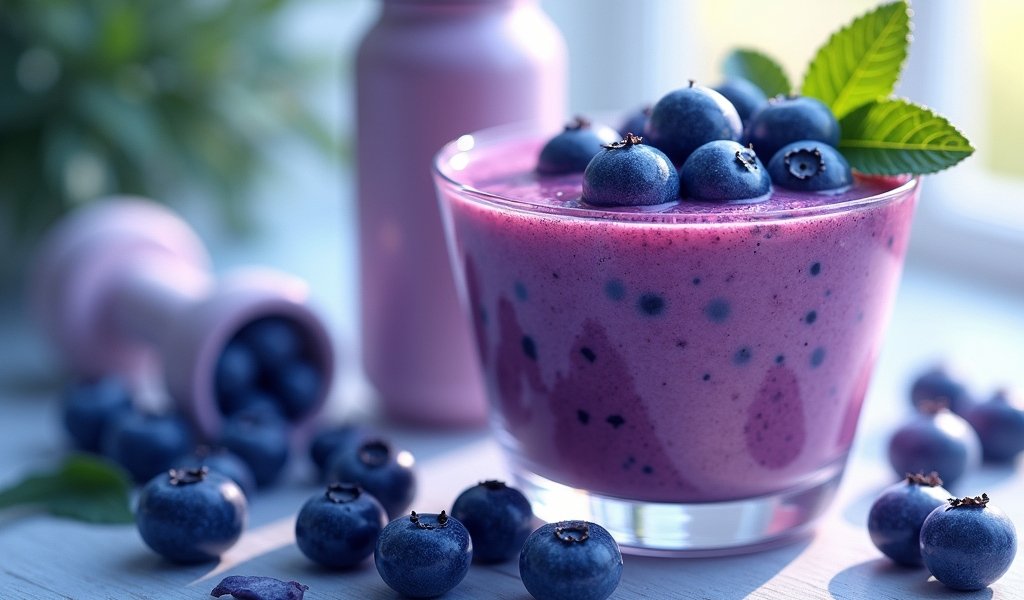
Exercise-induced inflammation is a natural part of the training process, but excessive or prolonged inflammation can hinder recovery and progress. The polyphenols in blueberries, particularly anthocyanins, have demonstrated significant anti-inflammatory properties that can accelerate recovery between training sessions.
A 2018 study published in the Journal of Nutritional Biochemistry found that athletes who consumed blueberries showed reduced markers of inflammation and oxidative stress after intense exercise. This translated to faster recovery times and reduced muscle soreness in subsequent days.
For those engaged in high-frequency training or especially demanding sports, this anti-inflammatory effect can be game-changing. While many athletes turn to over-the-counter anti-inflammatory medications, blueberries offer a natural alternative without the potential side effects of long-term NSAID use.
The practical application involves strategic timing. For maximum anti-inflammatory benefits, consume blueberries within the post-workout recovery window (ideally within 30-60 minutes after exercise). This timing aligns with the body’s heightened nutrient uptake period and can help mitigate the inflammatory cascade before it peaks.
I often recommend combining blueberries with a protein source post-workout, such as adding them to a protein shake or pairing with Greek yogurt. This combination supports both the anti-inflammatory process and protein synthesis necessary for muscle repair and growth.
6. Brain Power: Cognitive Benefits for Mental Focus
The mind-muscle connection is a fundamental aspect of effective training, making cognitive function just as important as physical ability for overall fitness performance. Blueberries have earned recognition for their remarkable impact on brain health and cognitive function, effects that extend to athletic performance and training quality.
The flavonoids in blueberries have been shown to cross the blood-brain barrier, directly affecting areas of the brain associated with learning, memory, and motor control. Research from the University of Exeter found that blueberry consumption improved brain blood flow and activation in healthy adults, with effects observed within hours of consumption.
For athletes, this translates to several practical benefits:
- Enhanced focus during technical training sessions
- Improved mind-muscle connection during strength work
- Better motor learning when developing new skills
- Sustained mental clarity during endurance events
Long-term consumption appears to offer even more significant benefits. Regular blueberry eaters show delayed cognitive aging and protection against neurodegenerative conditions—valuable for athletes looking to maintain performance longevity and healthy aging.
I’ve worked with several tactical athletes (military and first responders) who incorporate blueberries specifically for their cognitive benefits. These individuals report improved decision-making under pressure and better focus during prolonged operations when consistently consuming blueberries.
For optimal cognitive benefits, consider adding blueberries to your breakfast or as a mid-morning snack before challenging training sessions or competitions that demand high levels of focus and technical precision.
7. Blood Sugar Management for Consistent Energy Levels
Stable blood glucose levels are crucial for sustained energy during training and competition. Despite containing natural sugars, blueberries have a relatively low glycemic index (GI) of approximately 53, which classifies them as a low to medium-GI food. This means they cause a more gradual rise in blood sugar compared to high-GI foods.
The combination of fiber, polyphenols, and specific bioactive compounds in blueberries appears to improve insulin sensitivity and glucose metabolism. A comprehensive review published in Antioxidants highlighted blueberries’ potential to enhance glucose handling, even in individuals with existing insulin resistance.
For athletes, this translates to several performance advantages:
- More consistent energy levels throughout training sessions
- Reduced likelihood of energy crashes during prolonged exercise
- Better nutrient partitioning for recovery and adaptation
- Improved metabolic flexibility (the ability to efficiently utilize both carbohydrates and fats as fuel)
This aspect of blueberry nutrition becomes particularly valuable for endurance athletes and those engaging in long training sessions. The stable energy release helps maintain performance when glycogen stores begin to deplete.
In my work with endurance athletes, I often recommend incorporating blueberries into pre-competition meals as part of a low-GI carbohydrate strategy. When paired with adequate protein and healthy fats, blueberries contribute to an ideal pre-event nutrition approach that supports sustained energy without digestive distress.
Even for those not focused on endurance sports, the blood sugar benefits of blueberries support overall metabolic health—an important foundation for any fitness endeavor. Consider incorporating them into post-workout nutrition to support glycogen replenishment without dramatic blood sugar fluctuations.
How to Incorporate Blueberries Into Your Fitness Nutrition Plan
Now that you understand the impressive blueberry nutrition facts, let’s explore practical ways to incorporate them into your fitness-focused diet. Consistency is key to reaping the full benefits, so finding enjoyable and convenient methods is essential.
Here are some effective strategies to make blueberries a regular part of your nutrition plan:
- Pre-workout energy: Add ½ cup of blueberries to oatmeal or whole-grain toast with nut butter 1-2 hours before training
- Recovery boost: Blend fresh or frozen blueberries into post-workout protein shakes to accelerate recovery
- Meal prep convenience: Freeze fresh blueberries for long-term storage and easy addition to smoothies
- Overnight preparation: Mix blueberries into overnight oats for a ready-to-eat pre-morning-workout meal
- Travel-friendly option: Combine dried blueberries with nuts for a portable training snack
- Hydration enhancement: Infuse water with fresh blueberries for subtle flavor and added antioxidants
- Savory applications: Add blueberries to salads with lean protein for a recovery-focused meal
For those concerned about cost or seasonal availability, frozen blueberries offer nearly identical nutritional benefits to fresh ones. In fact, frozen berries are often picked at peak ripeness and immediately flash-frozen, potentially preserving more nutrients than fresh berries that have been transported and stored for extended periods.
If you’re looking for even greater antioxidant content, wild blueberries (often available frozen) contain up to twice the antioxidant capacity of cultivated varieties. This makes them an excellent choice for periods of particularly intense training or when immune support is especially important.
Timing your blueberry consumption can optimize specific benefits. For cognitive enhancement, consume them 1-2 hours before mentally demanding training. For recovery benefits, include them in your post-workout nutrition within 30-60 minutes of exercise. For general health and consistent energy, incorporate them into breakfast or as daily snacks.
Like sweet potato nutrition, blueberry nutrition provides complex carbohydrates that support athletic performance without causing blood sugar spikes. Consider rotating these powerhouse foods throughout your weekly meal plan for nutritional variety and optimal results.
Conclusion
The comprehensive blueberry nutrition facts we’ve explored reveal why these small fruits deserve a prominent place in any fitness-focused diet. From exceptional antioxidant content that accelerates recovery to stable energy release that sustains performance, blueberries offer a remarkable range of benefits specifically valuable to active individuals.
What makes blueberries particularly special in the context of fitness nutrition is their unique combination of performance-enhancing properties within a low-calorie, nutrient-dense package. Few foods offer such comprehensive support for both immediate training performance and long-term health.
Whether you’re an elite athlete seeking marginal performance gains or someone just beginning their fitness journey, incorporating blueberries regularly can contribute significantly to your progress. The science is clear: blueberry nutrition facts demonstrate that these fruits are true allies in the pursuit of optimal health and physical performance.
As with any nutritional strategy, consistency is key. Find enjoyable ways to include blueberries in your daily routine, experiment with different preparation methods, and observe how your body responds. The most effective nutrition plans are those you can maintain long-term, and blueberries’ versatility and delicious flavor make them an easy addition to sustainable eating habits.
Remember that nutrition is just one piece of your fitness puzzle, but it’s a piece with remarkable impact. By making informed choices about powerful foods like blueberries, you’re providing your body with the tools it needs to perform at its best—today and for years to come.
Frequently Asked Questions
How many calories are in a cup of blueberries?
A cup of fresh blueberries contains approximately 84 calories. This makes them a nutrient-dense, low-calorie option ideal for fitness-focused nutrition plans.
Are frozen blueberries as nutritious as fresh ones?
Yes, frozen blueberries are just as nutritious as fresh ones, and sometimes even more so. They’re typically flash-frozen at peak ripeness, preserving their nutritional content.
When is the best time to eat blueberries for workout recovery?
The optimal time to consume blueberries for recovery is within 30-60 minutes after your workout. This timing capitalizes on their anti-inflammatory properties during the crucial recovery window.
Can blueberries help with muscle soreness?
Yes, the antioxidants and anti-inflammatory compounds in blueberries can help reduce exercise-induced muscle soreness. Regular consumption before and after intense workouts may decrease recovery time and discomfort.
How many blueberries should I eat daily for fitness benefits?
For noticeable fitness benefits, aim for ½ to 1 cup of blueberries daily. This amount provides significant antioxidants and nutrients without excessive sugar or calories.