
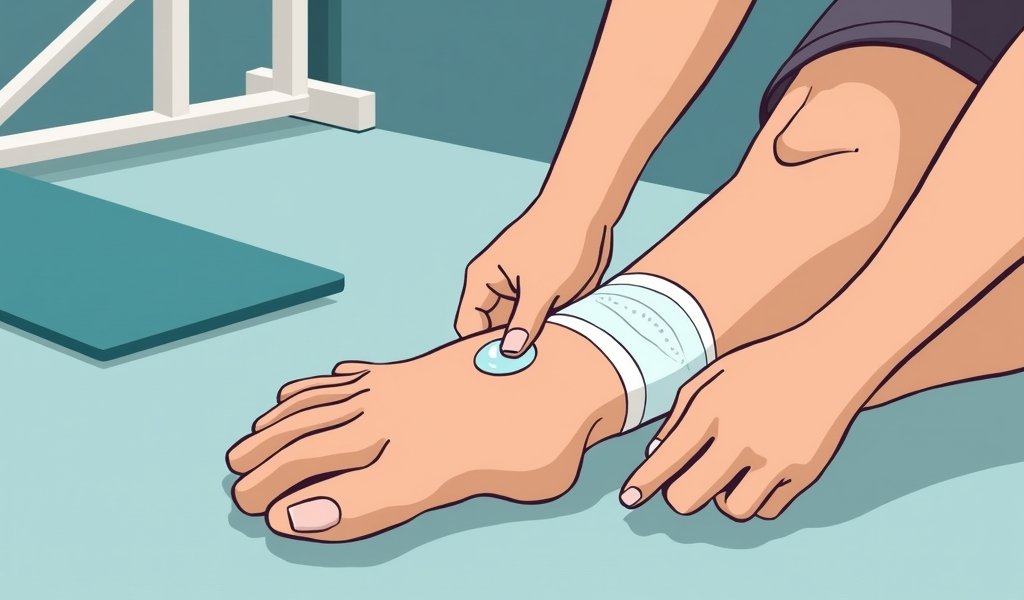
Overview
Ouch! Those painful, purple bubbles known as blood blisters require a five-pronged treatment approach: apply cold compresses, elevate the area, use protective padding, try natural remedies like aloe vera, and know when to seek medical attention. Prevention is best achieved through proper footwear, appropriate gloves for activities, keeping skin dry, and gradually building tolerance to new activities that might cause friction or pressure.
Table of Contents
- What Are Blood Blisters & Why Do They Happen?
- Immediate Relief: First Steps for Blood Blister Care
- Treatment Tip #1: Cold Compress Magic
- Treatment Tip #2: Elevation for Faster Healing
- Treatment Tip #3: Protective Padding Methods
- Treatment Tip #4: Natural Remedies That Actually Work
- Treatment Tip #5: Knowing When to See a Doctor
- Prevention Tips: Stop Blood Blisters Before They Start
- Conclusion: Your Path to Blood Blister Relief
- Frequently Asked Questions
Ever looked down at your foot or hand and spotted that painful, blood-filled bubble? Ouch! I know exactly how you feel. Blood blisters can be such a pain—literally! As someone who’s both treated countless patients with these pesky skin injuries and occasionally nursed my own (clumsy cook here!), I’ve got the inside scoop on blood blister treatment that actually works.
Whether you squeezed your finger in a drawer (we’ve all been there) or wore those cute-but-killer new shoes for too long, I’m about to share my top 5 proven tips for quick relief. These aren’t just random internet suggestions—these are evidence-based treatments I recommend to my patients daily that help speed healing and reduce pain. The best part? Most of these solutions use stuff you probably already have at home!
Ready to say goodbye to that throbbing, purplish bubble? Let’s dive into blood blister 101!
What Are Blood Blisters & Why Do They Happen?
Blood blisters are like the dramatic cousins of regular blisters. Instead of clear fluid, they’re filled with blood that leaks from damaged blood vessels under the skin. They typically appear as raised, red or purple bubbles on your skin that can range from pea-sized to… well, significantly larger (unfortunately).
So why do these painful little bubbles form in the first place? Usually, it’s all about the pinch! When your skin gets pinched or severely compressed, tiny blood vessels near the surface break and leak blood into a pocket that forms between layers of skin. The body creates this pocket as a natural protective response—essentially creating a liquid cushion to protect the damaged tissue underneath.
Common causes include:
- Pinching your skin in doors, drawers, or tools
- Repeated friction (hello, new hiking boots or violin practice)
- Ill-fitting shoes that rub against your feet
- Excessive pressure from tools or sports equipment
- Frostbite in extreme cases
Blood blisters typically appear on the feet, hands, and fingers—places exposed to the most friction and pressure in our daily lives. And yes, they hurt more than regular blisters because they form deeper in the skin where nerve endings are more concentrated (thanks, evolution!).
The good news? With proper blood blister treatment, your body is remarkably efficient at healing these small injuries. Most blood blisters will heal completely within 1-2 weeks if cared for properly and protected from further irritation. That’s where my proven treatment tips come in!
Immediate Relief: First Steps for Blood Blister Care
The moment you spot a blood blister forming is your golden opportunity for intervention. Quick action can mean the difference between a minor inconvenience and days of wincing with every step or touch. Here’s what to do right away:
First things first—stop what you’re doing! If you notice a blood blister forming during an activity, that’s your body’s way of waving a red flag. Continuing that hike, tennis match, or gardening session will only make things worse. As I always tell my patients, “A minute of prevention saves a week of healing.”
Next, clean the area gently with mild soap and lukewarm water. Avoid hot water, which can increase blood flow to the area and potentially enlarge the blister. Pat—don’t rub—the area dry with a clean towel. Now you’re ready for targeted treatment.
And here’s what NOT to do: resist that overwhelming urge to pop it! I know it’s tempting (believe me, I know), but popping a blood blister removes your body’s natural protection against infection and can dramatically slow healing time. In my years at the skin wellness center, I’ve seen too many simple blisters turn into complicated infections because of premature popping.
Instead, let’s focus on proven methods to relieve pain, reduce swelling, and speed up healing—all while keeping that protective layer intact. Ready for the first proper treatment tip?
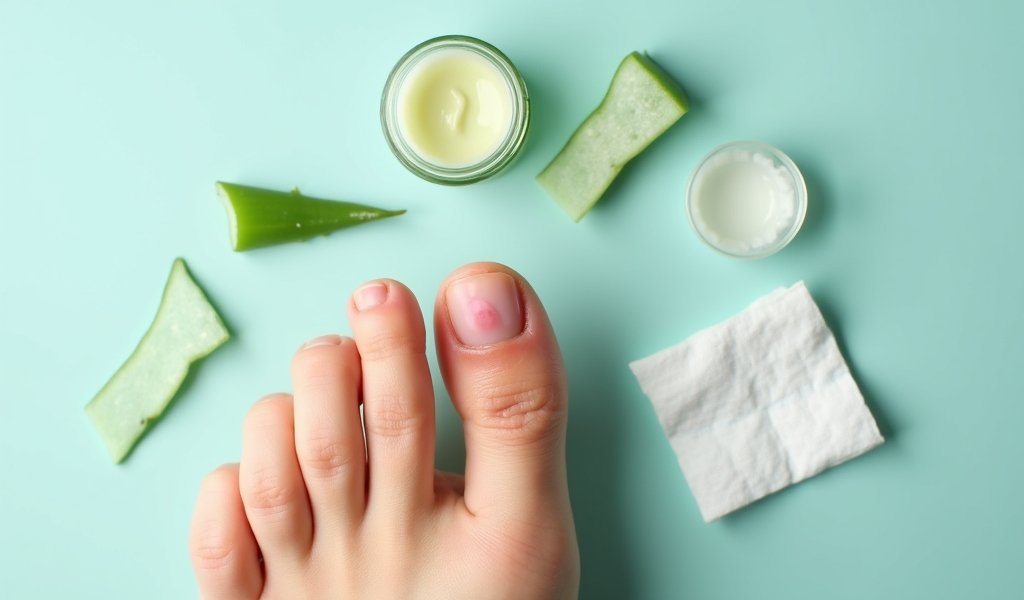
Treatment Tip #1: Cold Compress Magic
Cold therapy is your new best friend when it comes to immediate blood blister treatment. It works wonders in those crucial first 24 hours after the blister forms. And the science behind it is pretty neat!
When you apply cold to a fresh blood blister, several healing processes kick in simultaneously. First, cold causes the tiny broken blood vessels to constrict, which reduces the amount of blood leaking into the blister pocket. Less blood means less pressure, and less pressure equals less pain—it’s that simple! Cold also naturally numbs nerve endings, giving you immediate relief from that throbbing sensation.
Here’s my step-by-step cold compress method that I recommend to patients:
- Wrap an ice cube or frozen gel pack in a thin towel (never apply ice directly to skin)
- Apply to the blister for 10-15 minutes
- Remove for at least 10 minutes (this break is crucial to prevent tissue damage)
- Repeat 3-4 times throughout the day, especially in the first 48 hours
Don’t have an ice pack handy? Get creative! A frozen bag of peas conforms nicely to most body parts. I’ve even had patients successfully use chilled metal spoons for tiny blisters on fingers (just place a few spoons in the refrigerator and rotate them as they warm up).
According to research on cryotherapy for skin injuries, cold application in the early stages significantly reduces inflammation and accelerates the initial healing process. It’s one of the most evidence-backed methods in my blood blister treatment arsenal.
Just remember—while cold therapy feels amazing, it’s most effective when combined with our next tip: proper elevation.
Treatment Tip #2: Elevation for Faster Healing
Gravity is either your friend or enemy when healing a blood blister—it all depends on how you position yourself! Elevation is one of those simple blood blister treatment techniques that gets overlooked but can dramatically speed up healing time.
Here’s what happens when you elevate a blood blister: by raising the affected area above heart level, you’re helping your circulatory system work more efficiently. Blood and excess fluid are less likely to pool in the injured area, which means reduced swelling, less pressure on those sensitive nerve endings, and ultimately, faster healing.
For blisters on hands or arms, this is pretty straightforward—try to keep your hand raised when sitting or resting. For foot blisters (which tend to be the most problematic), I recommend these practical elevation strategies:
- While sitting, prop your foot up on a stool or coffee table
- At bedtime, place a pillow under your foot to keep it elevated while sleeping
- Take short breaks throughout the day to lie down and raise the affected foot for 5-10 minutes
Elevation works particularly well when combined with cold therapy during the first 48 hours. I suggest a simple routine of “ice, elevate, repeat” to my patients dealing with painful blood blisters, especially those in high-impact areas like the feet.
A patient of mine—a marathon runner who developed a massive blood blister during training—swore that diligent elevation between training sessions was the key to her being able to compete in her race just eight days after developing the blister. While I can’t promise miracle cures, consistent elevation really does create the optimal environment for your body’s natural healing processes.
Remember, healing happens most efficiently when you’re addressing blood blister treatment from multiple angles—which brings us to perhaps the most important practical tip: protection.
Treatment Tip #3: Protective Padding Methods
Let’s talk about protection—the unsung hero of blood blister treatment! Once you’ve addressed the initial pain and swelling with cold therapy and elevation, your next mission is to shield that vulnerable bubble from further trauma. This isn’t just about comfort (though that’s a nice bonus); it’s about creating the optimal environment for healing.
The goal of protective padding is twofold: to prevent additional pressure on the blister and to reduce friction that could rupture it. Think of it as creating a mini “safety zone” around your injury.
Here are my top recommendations for effective blister protection:
- Donut-shaped padding: My absolute favorite method! Cut a piece of moleskin or felt into a donut shape that fits around (not on) your blister. This creates a buffer zone where pressure from shoes or activities is distributed around the blister instead of directly on it. Pure genius!
- Hydrocolloid bandages: These specialized bandages (brands like Compeed or Blister-B-Gone) create a moist healing environment while adding a cushioned layer of protection. They’re especially effective for blisters in high-friction areas like heels and toes.
- Silicone gel sheets: For larger blisters or those in awkward locations, silicone sheets provide flexible, breathable protection that stays put better than traditional bandages.
For blisters on fingers or toes, I often suggest natural wellness approaches like using clean, soft cotton between digits to prevent rubbing against adjacent fingers or toes. This simple trick has saved many musicians and athletes from painful complications.
A word of caution about adhesives: some people have sensitive skin that reacts poorly to certain adhesives. If you notice redness or irritation around your bandage (beyond the blister itself), switch to a hypoallergenic option or use paper tape instead.
One of the studies published by the American Academy of Family Physicians confirms that proper padding significantly reduces healing time and complication rates for friction blisters. It’s not just comfort—it’s science!
Proper protection turns a vulnerable injury into a controlled healing environment, setting the stage perfectly for our next treatment approach: natural remedies that accelerate recovery.
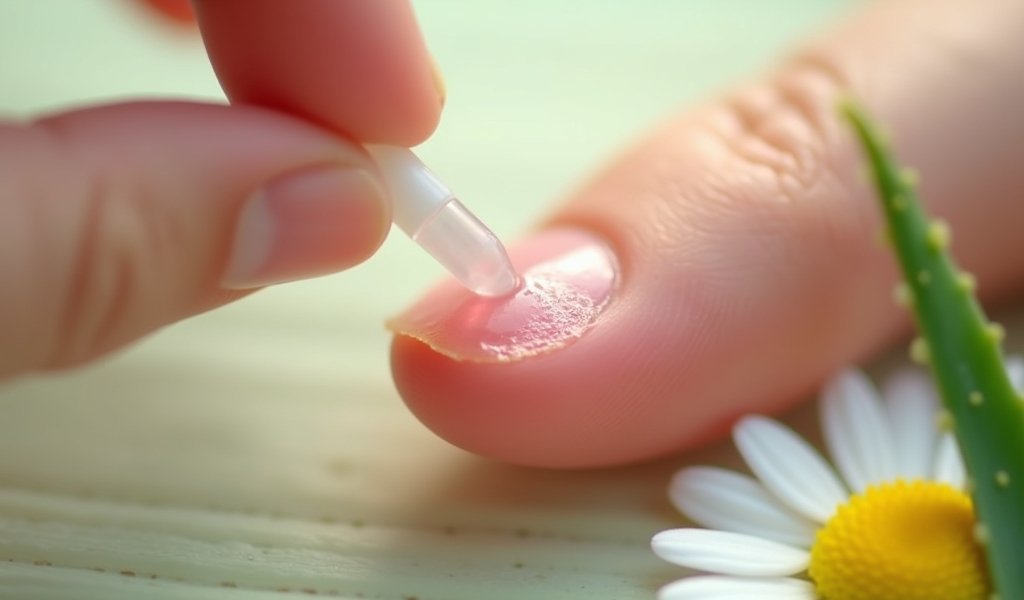
Treatment Tip #4: Natural Remedies That Actually Work
I’m a big believer in evidence-based medicine, but I’ve also seen enough clinical success with certain natural remedies to include them in my blood blister treatment recommendations. These aren’t just old wives’ tales—they’re approaches backed by both traditional wisdom and emerging research.
Aloe vera tops my list of natural healers. This plant isn’t just for sunburns! Its anti-inflammatory and antimicrobial properties make it ideal for blood blister treatment. The gel creates a protective layer that soothes pain while delivering compounds that support tissue repair. I suggest applying a thin layer of pure aloe vera gel (without alcohol or added fragrances) to the area around—not on—an intact blister several times daily.
Green tea compresses are another surprisingly effective remedy. The polyphenols in green tea have impressive anti-inflammatory properties that can reduce swelling and discomfort. Simply brew a strong cup of green tea, let it cool completely, soak a clean cloth in the tea, and apply it to the affected area for 5-10 minutes. My patients report this provides significant relief, especially for larger, more painful blisters.
Witch hazel deserves honorable mention for blood blisters that have already popped (despite our best efforts to prevent this). Its natural astringent properties help clean the area and may reduce the risk of infection. Apply with a clean cotton ball, being extremely gentle on the exposed skin.
One unexpected natural remedy that’s gained scientific support is honey—specifically, medical-grade honey. According to research published in the Journal of Wound Care, honey creates an ideal healing environment with its antimicrobial properties. If using this approach, ensure you’re using medical-grade honey products rather than the honey from your kitchen cabinet.
While exploring wellness solutions, remember that timing matters with natural remedies. They work best when the skin is intact or in the later stages of healing after a blister has naturally drained. Always prioritize cleanliness when applying any substance to a healing blister.
Treatment Tip #5: Knowing When to See a Doctor
While most blood blisters heal beautifully with proper home care, there are definitely times when professional medical attention becomes necessary. Recognizing these warning signs can prevent minor issues from becoming major problems.
Here are the red flags that should prompt a call to your healthcare provider:
- Signs of infection: increasing redness extending beyond the blister, warmth, swelling, pus, or red streaks extending from the blister
- Fever or chills developing after a blister forms
- Extreme pain that isn’t relieved by over-the-counter pain medications
- Blood blisters that appear without any obvious cause (especially if you have multiple unexplained blisters)
- Blisters larger than 2 inches across or that continue to expand
- Blood blisters in sensitive locations like the eyes, mouth, or genital areas
- Blisters that don’t show signs of improvement after 1-2 weeks
People with diabetes or circulation problems should be particularly vigilant about blood blister treatment. What might be a minor inconvenience for others can potentially develop into serious complications if you have underlying health conditions that affect healing. When in doubt, get it checked out!
Sometimes professional treatment is necessary for optimal healing. Doctors have specialized tools and techniques for safely draining large or extremely painful blisters while maintaining sterility. According to DermNet NZ, medical drainage may be recommended when blisters are causing significant pain or limiting mobility.
I once had a patient who ignored an infected blood blister on his heel because he “didn’t have time for doctor appointments.” Two weeks later, he needed IV antibiotics for a serious infection that could have been easily treated earlier. The moral of the story? Respect the healing process, and know when to call in the professionals.
Prevention Tips: Stop Blood Blisters Before They Start
While we’ve covered excellent blood blister treatment options, I’m a firm believer that prevention is always better than cure. Let’s talk about how to avoid these painful bubbles altogether!
Proper footwear is perhaps the most important preventive measure for foot blisters. Shoes should fit well—not too tight and not too loose. That “just right” fit minimizes friction while allowing your feet to breathe. Breaking in new shoes gradually rather than wearing them for a 10-hour workday right out of the box can save you days of pain. Moisture-wicking socks are also game-changers for blister prevention.
For hands, quality gloves make all the difference during activities that create friction or pressure. Whether you’re lifting weights, gardening, or using tools, the right gloves create a protective barrier between your skin and potential blister-causing surfaces. Don’t wait until you feel a “hot spot” forming—be proactive!
Keeping skin dry is another crucial prevention strategy. Moisture increases friction, and friction leads to blisters. Using foot powders, antiperspirants, or moisture-wicking products can significantly reduce your blister risk during athletic activities or in hot weather.
For those prone to blood blisters, applying petroleum jelly or specialized anti-friction balms to high-risk areas before activities can create a slick surface that reduces skin-on-skin or skin-on-shoe friction. Many marathon runners and hikers swear by this technique.
Finally, building up tolerance gradually to new activities is key. Your body adapts amazingly well to repeated stresses—but it needs time. If you’re starting a new sport, instrument, or physical activity, increase duration and intensity gradually to allow your skin to toughen naturally in response to the new demands.
By implementing these prevention strategies, you can focus more on enjoying your activities and less on blood blister treatment afterward!
Conclusion: Your Path to Blood Blister Relief
We’ve covered a lot of ground in our blood blister treatment journey! From immediate cold therapy to knowing when to seek medical attention, you’re now equipped with a comprehensive toolkit for handling these painful skin injuries.
Remember, the key to successful blood blister treatment lies in quick action and consistent care. That initial 24-48 hour window is crucial for minimizing pain and setting the stage for optimal healing. Cold therapy and elevation during this period can dramatically improve your comfort and recovery timeline.
As your blister progresses through its healing stages, protection becomes paramount. Whether you opt for donut-shaped padding, specialized bandages, or natural remedies like aloe vera, creating a safe environment for healing will prevent complications and speed recovery.
Most importantly, listen to your body. If something doesn’t feel right or if your blister shows signs of infection, don’t hesitate to consult a healthcare professional. There’s no medal for suffering through preventable complications!
Blood blisters may be painful interruptions to our daily lives, but with the right approach, they need not derail our activities for long. By combining these proven treatment methods with smart prevention strategies, you can minimize both the frequency and severity of these common skin injuries.
Here’s to quick healing and blister-free adventures ahead!
Frequently Asked Questions
Should I pop a blood blister?
No, you should generally avoid popping blood blisters as this increases infection risk. Let them heal naturally under protection unless a medical professional advises otherwise.
How long does a blood blister take to heal?
Most blood blisters heal completely within 1-2 weeks with proper care. Larger blisters or those in high-friction areas may take slightly longer.
Can I use hydrogen peroxide on a blood blister?
Hydrogen peroxide isn’t recommended for blood blisters as it can damage healthy tissue and slow healing. Gentle cleansing with mild soap and water is preferable.
What’s the fastest way to heal a blood blister?
The fastest healing comes from combining cold therapy in the first 48 hours, elevation, proper protection, and keeping the area clean. Consistency with these approaches accelerates the natural healing process.
Are blood blisters a sign of something serious?
Blood blisters caused by obvious friction or pressure are rarely serious. However, unexplained blisters or those accompanied by other symptoms should be evaluated by a healthcare professional.