
Overview
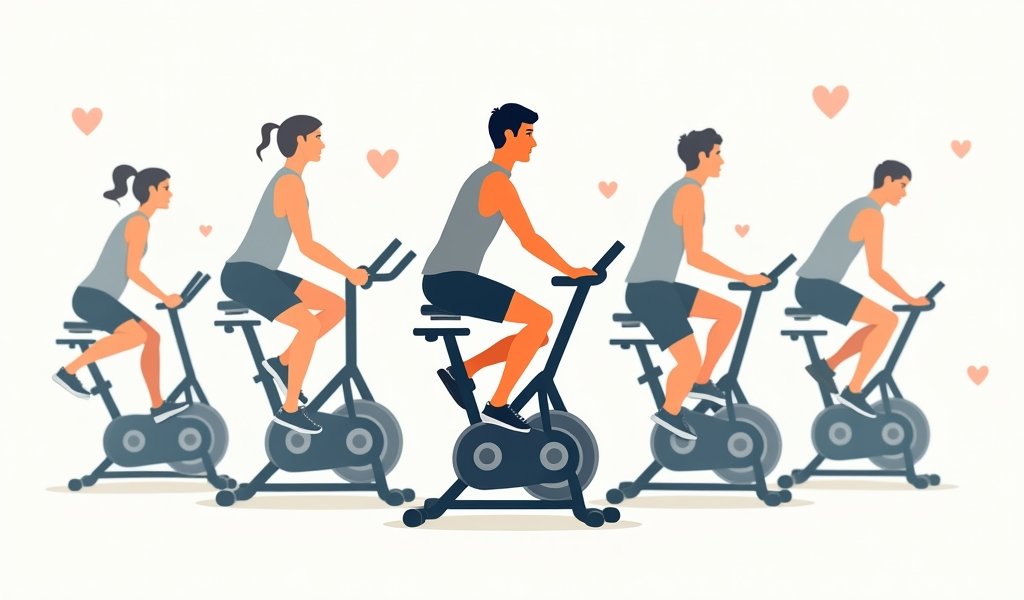
This article presents seven effective bike exercise machine workouts for all fitness levels, including beginner cardio, HIIT, endurance building, hill climbing, recovery rides, pyramid intervals, and entertainment-based routines. It provides detailed workout structures, explains the science behind each approach, and offers guidance on creating a balanced weekly exercise plan to maximize results while minimizing injury risk.
Table of Contents
- Introduction
- Benefits of Using a Bike Exercise Machine
- Getting Started with Your Bike Exercise Machine
- Workout 1: Beginner-Friendly Cardio
- Workout 2: HIIT Fat Burner
- Workout 3: Endurance Builder
- Workout 4: Hill Climber Challenge
- Workout 5: Recovery Ride
- Workout 6: Pyramid Interval Training
- Workout 7: Entertainment-Based Workout
- Creating Your Weekly Workout Plan
- Conclusion
- Frequently Asked Questions
Introduction
The bike exercise machine stands as one of the most versatile and effective pieces of fitness equipment available today. Whether you’re just beginning your fitness journey or you’re a seasoned athlete looking to enhance your training routine, stationary bikes offer incredible workout versatility with minimal joint impact.
As a sports medicine specialist with over 15 years of experience, I’ve seen firsthand how consistent cycling workouts transform cardiovascular health, build lower body strength, and help people achieve their weight management goals. The best part? You can accomplish all of this from the comfort of your home, regardless of weather or time constraints.
In this comprehensive guide, I’ll share seven proven bike exercise machine workouts that cater to all fitness levels. Each routine has been carefully developed based on exercise physiology principles and tested with hundreds of clients. You’ll discover not just what to do, but why each approach works and how to adapt it to your specific needs.
Benefits of Using a Bike Exercise Machine

Before diving into specific workouts, let’s explore why bike exercise machines have earned their place as fitness staples in homes and gyms worldwide.
First and foremost, cycling provides excellent cardiovascular benefits. Regular sessions strengthen your heart, improve lung capacity, and enhance blood circulation throughout your body. The American Heart Association recommends at least 150 minutes of moderate-intensity exercise weekly, and cycling fits perfectly into this recommendation.
Unlike high-impact exercises such as running, stationary bikes offer a low-impact workout that’s gentle on your joints. This makes them ideal for people with arthritis, those recovering from injuries, older adults, or anyone looking to reduce stress on their knees, ankles, and hips.
The calorie-burning potential of bike workouts is impressive. Depending on intensity, weight, and fitness level, you can burn anywhere from 400-800 calories per hour. Even better, cycling helps build muscle in your quadriceps, hamstrings, calves, and glutes – all contributing to increased metabolic rate even when you’re not exercising.
Perhaps one of the most underrated benefits is convenience. Rain or shine, day or night, your bike exercise machine is ready whenever you are. There’s no need to drive to a gym or plan around weather conditions, removing common barriers to consistent exercise.
Getting Started with Your Bike Exercise Machine
Before jumping into any workout routine, proper setup is crucial for both comfort and effectiveness. Think of this as the foundation upon which all your cycling success will be built.
First, adjust your seat height. When seated, your knee should have a slight bend (about 25-30 degrees) at the bottom of the pedal stroke. If your seat is too low, you’ll place excessive stress on your knees; too high, and you’ll rock side to side while pedaling, reducing efficiency and potentially causing discomfort.
Next, set your handlebar position. For most people, handlebars at approximately the same height as the seat create a comfortable riding position. If you experience back discomfort, consider raising the handlebars slightly to reduce strain on your lower back.
Proper form matters tremendously. Keep your back relatively straight (not hunched), shoulders relaxed, and core gently engaged. Your weight should be distributed between your sit bones on the saddle and your hands on the handlebars – not concentrated painfully on the nose of the seat.
Before any workout, spend 5 minutes warming up with light resistance to increase blood flow to your muscles and prepare your joints for movement. Similarly, conclude each session with a 3-5 minute cooldown to gradually lower your heart rate and begin the recovery process.
Workout 1: Beginner-Friendly Cardio
This foundational workout is perfect for those new to exercise or returning after a break. It builds cardiovascular endurance gradually without overwhelming your system.
Duration: 20-25 minutes
Structure:
- 5 minutes: Warm-up with minimal resistance, comfortable pace
- 5 minutes: Increase to light resistance (3/10 difficulty)
- 5 minutes: Maintain resistance, slightly increase pedaling speed
- 5 minutes: Increase to moderate resistance (4/10 difficulty)
- 5 minutes: Return to light resistance for cooldown
During this workout, focus on maintaining smooth, consistent pedaling. You should be able to hold a conversation but feel like you’re working. Your breathing will deepen, but you shouldn’t be gasping for air.
For beginners, I recommend performing this workout 3 times weekly, with at least one rest day between sessions. Most people notice improved stamina within 2-3 weeks of consistent practice – a testament to how quickly your cardiovascular system adapts to regular exercise.
Workout 2: HIIT Fat Burner
High-Intensity Interval Training (HIIT) has revolutionized fitness by delivering maximum results in minimum time. This workout alternates between short, intense efforts and brief recovery periods, creating a metabolic storm that continues burning calories long after you’ve finished exercising.
Duration: 20 minutes
Structure:
- 5 minutes: Progressive warm-up
- 30 seconds: Sprint with moderate resistance (7-8/10 effort)
- 90 seconds: Recovery with light resistance (3/10 effort)
- Repeat the sprint/recovery cycle 8 times
- 5 minutes: Cooldown
During high-intensity segments, you should be working hard enough that speaking in complete sentences becomes difficult. Your heart rate climbs rapidly, and you’ll feel significant muscle activation in your legs.
The magic of HIIT lies in its afterburn effect. Research has shown that these intense intervals create excess post-exercise oxygen consumption (EPOC), meaning your body continues burning calories at an elevated rate for up to 24 hours afterward.
This workout is best performed 2-3 times weekly, with at least one day between sessions for recovery. Even advanced athletes are often surprised by the effectiveness of a well-executed HIIT session on a bike exercise machine.
Workout 3: Endurance Builder
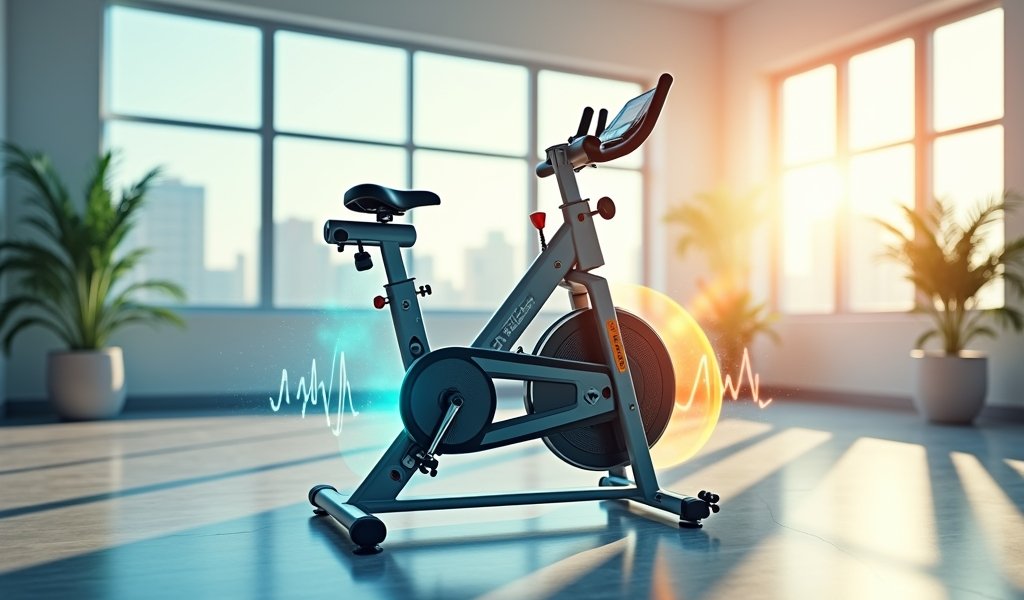
In our sprint-obsessed fitness culture, we sometimes forget the profound benefits of sustained, moderate effort. This longer duration workout builds aerobic capacity, fat-burning efficiency, and mental fortitude.
Duration: 45-60 minutes
Structure:
- 10 minutes: Light resistance warm-up
- 30-45 minutes: Moderate, steady resistance (5/10 effort)
- 5 minutes: Gradual cooldown
The challenge here isn’t intensity but consistency. Your heart rate should remain relatively stable in the aerobic zone (roughly 60-70% of your maximum heart rate), where your body efficiently burns a mix of fat and carbohydrates for sustained energy.
To prevent mental fatigue during longer sessions, try breaking the workout into smaller segments mentally, creating a specialized playlist where song changes signal progress, or using visualization techniques like imagining yourself riding through beautiful landscapes.
This type of steady-state training increases your heart’s stroke volume (the amount of blood pumped with each beat), enhances mitochondrial density in your muscles, and improves fat oxidation – making it particularly effective for weight management when combined with proper nutrition.
Workout 4: Hill Climber Challenge
Nothing tests a cyclist’s physical and mental strength like conquering a steep incline. This workout simulates the progressive resistance of hill climbing, building lower body power and cardiovascular capacity simultaneously.
Duration: 30 minutes
Structure:
- 5 minutes: Standard warm-up
- 5 minutes: Moderate resistance (5/10 difficulty)
- 5 minutes: Increased resistance (6-7/10) while maintaining cadence
- 5 minutes: Peak resistance (7-8/10) – challenging but sustainable
- 5 minutes: Gradually decrease resistance, simulating cresting the hill
- 5 minutes: Cooldown with light resistance
Throughout this climb, focus on engaging your core and using your glutes as primary power sources. When resistance increases, resist the temptation to lean heavily on the handlebars – maintain an upright posture with a slight forward lean from the hips.
This workout particularly targets the quadriceps, hamstrings, and glutes, making it excellent for developing lower body strength while improving cardiovascular capacity. The variable resistance pattern also closely mimics real-world cycling challenges.
For optimal results, include this hill climbing simulation in your routine once weekly, preferably following a recovery day when your legs are fresh and capable of generating maximum power.
Workout 5: Recovery Ride
In the architecture of effective training programs, recovery rides are not optional extras – they’re essential components. These intentionally easy sessions enhance blood flow to fatigued muscles, clear metabolic waste products, and allow adaptations to occur without additional stress.
Duration: 20-30 minutes
Structure:
- 5 minutes: Very light warm-up
- 15-20 minutes: Minimal resistance (2-3/10 difficulty) and comfortable cadence
- 5 minutes: Gentle cooldown
The entire session maintains minimal resistance and comfortable pace. Your breathing should remain easy, heart rate relatively low (50-60% of maximum), and perceived exertion minimal. You should finish feeling better than when you started – refreshed rather than depleted.
During these sessions, focus on perfect form rather than output. Use this time to refine your pedaling technique, ensuring smooth circular motion throughout the pedal stroke. Pay attention to relaxing your upper body, maintaining proper alignment, and developing efficient movement patterns.
Schedule recovery rides between more challenging workouts. For example, place them after HIIT sessions or hill climbers to promote faster recovery before your next demanding workout.
Workout 6: Pyramid Interval Training
Pyramid workouts create a natural progression of intensity followed by a controlled descent, challenging your body at varying intensities while providing a clear framework that makes time pass quickly and keeps motivation high.
Duration: 35 minutes
Structure:
- 5 minutes: Warm-up
- 2 minutes: Moderate resistance (4/10)
- 3 minutes: Medium-high resistance (5/10)
- 4 minutes: High resistance (6/10)
- 5 minutes: Peak resistance (7/10)
- 4 minutes: High resistance (6/10)
- 3 minutes: Medium-high resistance (5/10)
- 2 minutes: Moderate resistance (4/10)
- 5 minutes: Cooldown
Throughout the workout, maintain a consistent cadence while the resistance creates the variable challenge. As you climb the pyramid, focus on maintaining proper form despite increasing difficulty. The psychological satisfaction of descending the “back side” of the pyramid provides motivation during the peak intensity minutes.
This workout brilliantly combines the benefits of both interval and steady-state training, making it exceptionally time-efficient and effective for overall conditioning. The clear structure also provides psychological advantages – you always know exactly where you are in the workout journey.
Workout 7: Entertainment-Based Workout
Sustainability in fitness requires finding joy in the process. Entertainment-based workouts transform exercise from obligation to recreation, using the engaging power of media to enhance enjoyment and effort.
Duration: 30-60 minutes (varies with entertainment choice)
TV/Movie Method:
- Dialog scenes: Light resistance (3/10)
- Action sequences: Moderate resistance (5-6/10)
- Climactic moments: High resistance (7-8/10)
Music-Driven Intervals:
- Verses: Moderate pace and resistance
- Choruses: Increase either speed or resistance
- Instrumental breaks: Maximum effort
- Song transitions: Active recovery
This approach works because it redirects attention away from discomfort toward entertainment, allowing you to work harder without perceiving increased effort. The variable nature of the stimuli creates natural interval patterns that enhance fitness benefits.
Create media playlists specifically for workouts, selecting content that naturally includes intensity variations. Many find that familiar shows or music work best, as the predictability allows anticipation of upcoming intensity changes.
For those using fitness apps or smart bikes, many programs now integrate entertainment directly with your workout, adjusting resistance automatically based on virtual terrain or workout goals.
Creating Your Weekly Workout Plan
Like ingredients in a well-balanced meal, different workout types contribute unique benefits to your overall fitness. Creating a thoughtful weekly schedule maximizes results while minimizing injury risk through appropriate variation.
Here’s a sample intermediate-level weekly plan:
- Monday: HIIT Session (Workout #2) – 20 minutes
- Tuesday: Recovery Ride (Workout #5) – 20 minutes
- Wednesday: Rest day or light activity
- Thursday: Hill Climber (Workout #4) – 30 minutes
- Friday: Entertainment Workout (Workout #7) – 45 minutes
- Saturday: Endurance Builder (Workout #3) – 60 minutes
- Sunday: Complete rest or gentle movement
This schedule balances high-intensity work with recovery, endurance with strength, and structure with enjoyment. For beginners, reduce frequency to 3-4 sessions weekly and focus on the Beginner’s Ride, Recovery Ride, and Entertainment workouts initially.
Progression should follow this sequence: First increase frequency (sessions per week), then duration (time per session), and finally intensity (effort level). This measured approach allows your cardiovascular system, muscles, and connective tissues to adapt appropriately.
Remember that rest days aren’t optional – they’re essential components of improvement. Physical adaptation occurs during recovery, not during exertion. Honor these periods with the same commitment you bring to your hardest workouts.
Conclusion
The humble bike exercise machine offers remarkable versatility for fitness enthusiasts at every level. Through these seven scientifically-based workout protocols, this single piece of equipment can deliver everything from gentle rehabilitation to professional-level training stress.
Begin where you are, not where you wish you were. The Beginner’s Ride might be your starting point, or perhaps you’re ready for the challenging Hill Climber. Either way, consistency trumps occasional heroic efforts. Three moderate sessions weekly will yield far greater results than one exhausting monthly marathon.
Remember that fitness journeys include inevitable fluctuations within an overall upward trend. Some days will feel easier than others – this is normal human physiology, not failure.
Your bike exercise machine stands ready as a faithful ally in your health journey – a simple tool offering profound possibilities for those willing to pedal toward their potential, one revolution at a time. What workout will you try today?
Frequently Asked Questions
How long should I exercise on a bike machine to see results?
For noticeable results, aim for 30-45 minute sessions 3-4 times weekly. Consistency matters more than duration, and most people begin seeing cardiovascular improvements within 2-3 weeks of regular training.
Is a bike exercise machine good for weight loss?
Yes, stationary bikes are excellent for weight loss when combined with proper nutrition. Depending on intensity, you can burn 400-800 calories per hour while building muscle that increases your resting metabolic rate.
Which is better: upright bike or recumbent bike?
Upright bikes provide a more authentic cycling experience and engage more core muscles. Recumbent bikes offer better back support and are ideal for those with balance issues, back pain, or joint concerns.
Can I use a bike exercise machine every day?
You can use a bike daily if you vary intensity, incorporating easy recovery rides between harder sessions. Even professional cyclists include light days to allow muscles to recover and adapt.
Is 20 minutes on an exercise bike enough?
Twenty minutes of cycling can be highly effective, especially with interval training. Short, intense workouts often produce better results than longer, moderate sessions for time-efficient fitness gains.
Pingback: Exercise Bike with Moving Arms: Burn Fat - achievehealthgoals.com
Pingback: 5 Best Fitness Bike Picks to Burn Fat - achievehealthgoals.com