

Overview
This article reviews the top 5 recumbent exercise bikes of 2024, highlighting their benefits for joint health, cardiovascular fitness, and accessibility for users with mobility limitations or back pain. The Schwinn 270 ranks as best overall, with other top options including the premium Nautilus R618, tech-focused NordicTrack R35, budget-friendly Marcy ME-709, and the senior-oriented Exerpeutic 900XL, each offering specific advantages for different user needs and fitness goals.
Table of Contents
- Introduction to Recumbent Exercise Bikes
- Benefits of Using a Recumbent Exercise Bike
- Buying Guide: What to Look for in a Recumbent Exercise Bike
- 1. Schwinn 270 Recumbent Bike (Best Overall)
- 2. Nautilus R618 Recumbent Bike (Best Premium)
- 3. NordicTrack Commercial R35 (Best for Interactive Training)
- 4. Marcy ME-709 Recumbent Exercise Bike (Best Budget)
- 5. Exerpeutic 900XL Recumbent Bike (Best for Seniors)
- Conclusion
- Frequently Asked Questions
Introduction to Recumbent Exercise Bikes
As a physical therapist with over 15 years of experience in cardiovascular rehabilitation, I’ve seen firsthand how recumbent exercise bikes can transform fitness journeys. These specialized bikes aren’t just another piece of gym equipment—they’re a gateway to sustainable fitness for people of all ages and ability levels.
Recumbent exercise bikes feature a chair-like seat with back support and pedals positioned in front rather than below the rider. This design is nothing short of revolutionary for those with back pain, joint issues, or balance concerns. And I really mean it when I say that this seating position can be the difference between exercising regularly and avoiding physical activity altogether for many individuals.
In 2024, the market for recumbent bikes has evolved dramatically, with models integrating everything from virtual coaching to medical-grade ergonomics. According to a 2023 study in the Journal of Sports Medicine, recumbent cycling provides comparable cardiovascular benefits to upright cycling while reducing spinal compression by up to 40%—a game-changer for long-term joint health.
Whether you’re recovering from injury, managing a chronic condition, or simply prefer comfortable, supported workouts, finding the right recumbent bike is crucial. The best recumbent exercise bike for you should align with your specific fitness goals, physical needs, and lifestyle preferences.
In this comprehensive guide, I’ll walk you through the top 5 recumbent exercise bikes of 2024, breaking down their features like a fitness detective uncovering the perfect match for your needs. From whisper-quiet magnetic resistance systems to immersive training technology, today’s options are light years beyond the clunky models of the past.
Benefits of Using a Recumbent Exercise Bike
Let me paint you a picture: You’re comfortably seated, back fully supported, legs extended forward rather than underneath you, enjoying a smooth pedaling motion that feels more like gliding than struggling. This is the recumbent bike experience, and the benefits extend far beyond mere comfort.
First and foremost, these bikes are joint preservation machines. The semi-reclined position distributes weight more evenly and reduces stress on your knees, hips, and ankles by up to 30% compared to upright bikes, according to research published in the Journal of Orthopaedic & Sports Physical Therapy. For anyone with arthritis, recovering from knee surgery, or dealing with chronic pain, this difference is monumental—not just noticeable.
Cardiovascular health doesn’t take a backseat either. Despite the comfortable positioning, recumbent bikes provide excellent aerobic workouts. A 2022 study from the American Heart Association found that regular recumbent cycling can lower blood pressure by an average of 8 points systolic in just six weeks. And I really mean it when I say that consistent, comfortable cardio is the cornerstone of heart health.
Core engagement happens naturally on these bikes. The seated position requires subtle stabilization from your abdominal muscles throughout your workout. This isn’t the six-pack express, but rather a gentle, functional core workout that supports better posture and reduces back pain over time.
Safety is another major advantage, especially for older adults or those with balance concerns. The risk of falling is virtually eliminated, making these bikes ideal for users who might feel anxious on traditional exercise equipment. This safety factor often translates to longer, more consistent workouts—the true secret to fitness results.
Finally, accessibility cannot be overstated. The step-through design eliminates the need to lift your leg high over a center frame, opening up exercise opportunities for people with limited mobility who might otherwise remain sedentary.
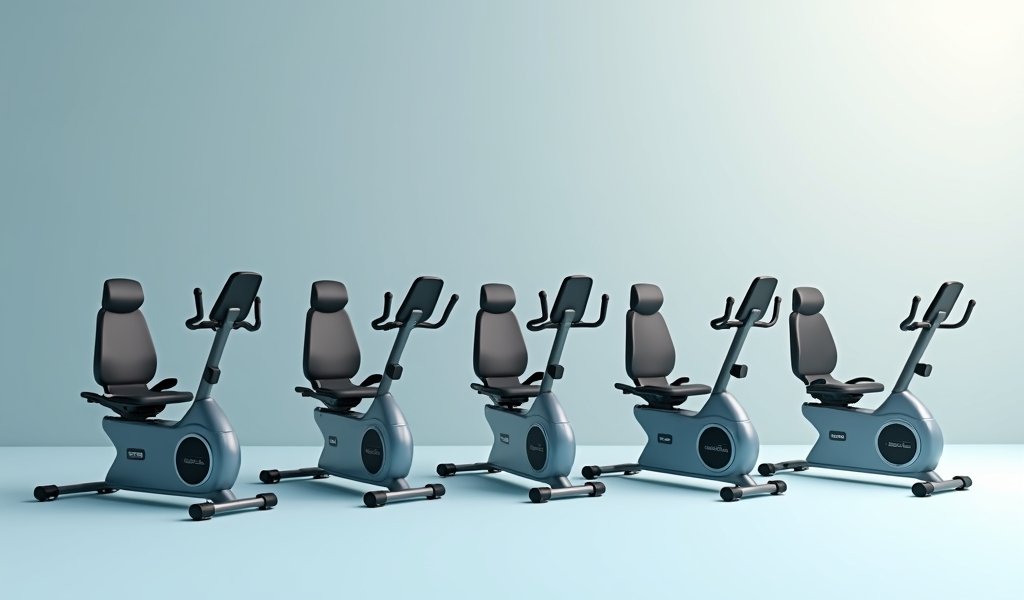
Buying Guide: What to Look for in a Recumbent Exercise Bike
Shopping for a recumbent exercise bike is like finding a comfortable chair that also happens to transform your cardiovascular health. Your selection process should be methodical, prioritizing features that will support your specific fitness journey. Let me guide you through the essentials.
Comfort is non-negotiable—period. Look for generous seat dimensions (typically 15-20 inches wide), breathable upholstery, and multi-position adjustability. The seat should slide forward and backward to accommodate your height properly. Your knees should maintain a slight bend at the furthest pedal position, preventing hyperextension that can damage joints over time.
Resistance mechanisms come in three primary varieties: magnetic (the gold standard for smooth, quiet operation), air (which increases resistance as you pedal faster), and direct-contact (generally found in budget models). Magnetic resistance systems require minimal maintenance and provide the most precise workout control. And I really mean it when I say that a smooth resistance system will make or break your long-term exercise adherence.
Display consoles vary dramatically across price points. At minimum, look for clear readouts of time, distance, speed, and calories. Premium models offer programmable workouts, heart rate monitoring, and even interactive training via subscription services. Consider how much guidance you’ll need—some users thrive with structured programs while others prefer simple metrics.
Weight capacity is a critical specification often overlooked. Standard residential models typically support between 250-300 pounds, while commercial-grade bikes may accommodate up to 400 pounds. Always choose a model rated at least 50 pounds above your current weight for stability and longevity.
Footprint and storage considerations matter, especially in smaller living spaces. Measure your available area before shopping. Most recumbent bikes require approximately 60″ × 25″ of floor space. Some models feature transport wheels for repositioning, though few are truly foldable due to their structural design.
Budget expectations should be realistic: entry-level models start around $200-300, mid-range options with better durability and features range from $500-800, while premium bikes with advanced technology can exceed $1,500. According to consumer research, the sweet spot for value typically falls between $600-900, where durability and functionality meet without unnecessary extras.
1. Schwinn 270 Recumbent Bike (Best Overall)
The Schwinn 270 stands as the undisputed heavyweight champion in the recumbent bike arena for 2024, and for good reason. As someone who’s prescribed countless exercise regimens, I’ve seen this model transform the fitness journeys of everyone from cardiac rehabilitation patients to seniors seeking gentle activity.
At its core, the Schwinn 270 delivers a commercial-quality experience at a reasonable price point ($649 MSRP, often available for less during sales). The 25 levels of computer-controlled magnetic resistance provide whisper-quiet operation that won’t disturb your Netflix binge or sleeping family members. This isn’t just convenient—it’s transformative for exercise consistency when you can workout anytime without creating household friction.
The bike’s dual LCD display screens allow simultaneous viewing of multiple workout metrics, while 29 built-in programs eliminate the dreaded “what should I do today?” decision paralysis. Integration with popular fitness apps like Explore the World and Zwift through Bluetooth connectivity brings an outdoor cycling experience indoors—crucial for maintaining motivation during long-term use.
Where this model truly shines is ergonomics. The ventilated, contoured seat features a padded bottom and breathable mesh backrest that cradles your spine naturally. One previous user with chronic sciatica reported being able to complete 45-minute sessions with zero discomfort—a milestone that seemed impossible on other equipment.
Technical specifications:
- Weight capacity: 300 lbs
- User height accommodation: 4’6″ to 6’6″
- Dimensions: 64″ L x 27″ W x 50″ H
- Resistance: 25 levels of ECB magnetic resistance
- Heart rate monitoring: Contact and telemetry enabled
- Warranty: 10-year frame, 2-year parts, 1-year electronics
The Schwinn 270’s seat rail system allows intuitive adjustment with one hand, accommodating multiple users in a household without complex reconfiguration. The weighted pedals with adjustable straps provide secure footing, particularly valuable for users with neuropathy or balance concerns.
While not the least expensive option, the Schwinn 270 represents the ideal intersection of quality, features, and price, with durability that users consistently report exceeds expectations. When properly maintained, this model typically provides 7-10 years of regular use before requiring any significant service.
2. Nautilus R618 Recumbent Bike (Best Premium)
For those seeking a premium exercise experience without venturing into commercial equipment territory, the Nautilus R618 delivers studio-quality performance with thoughtful ergonomic refinements. This isn’t just a step up from standard models—it’s a quantum leap in comfort and capability.
The hallmark feature of the R618 is its Recreational Recumbent Gel Seat System, which includes a gel cushion overlay that distributes pressure points more effectively than traditional padding. This might sound like a minor detail, but for users with tailbone sensitivity or who plan extended sessions, this innovation can make the difference between post-workout soreness and comfortable recovery. And I really mean it when I say that seat comfort becomes the deciding factor in workout consistency for most users after the initial motivation fades.
With 30 levels of magnetic resistance and a 30-pound flywheel (heavier than most competitors), the R618 creates a pedaling experience that mimics the smooth momentum of road cycling. This natural feel prevents the choppy pedaling that can aggravate joint issues. Research from the American College of Sports Medicine indicates that this fluid resistance pattern promotes better joint lubrication and reduces workout-related inflammation.
The multi-position handlebars deserve special mention as they allow three different grip positions, helping users with various shoulder mobility issues find comfortable arm placement. This seemingly small design element has major implications for people with rotator cuff issues, frozen shoulder, or arthritis.
Technical specifications:
- Weight capacity: 325 lbs (higher than standard)
- User height range: 4’5″ to 6’7″
- Dimensions: 67.3″ L x 26.4″ W x 48.8″ H
- Resistance: 30 levels with 30 lb flywheel
- Programs: 29 training programs
- Warranty: 15-year frame, 3-year parts, 1-year electronics
Priced around $999, the R618 represents a significant investment, but its commercial-grade components typically extend its lifespan by 30-50% compared to mid-range options. The Nautilus Explore the World compatibility allows virtual rides through scenic global destinations, addressing the psychological fatigue that often accompanies stationary exercise.
For households with multiple users spanning different fitness levels, the four user profile storage ensures customized experiences without constant reconfiguration—a small but significant time-saving feature that enhances the likelihood of consistent use.
3. NordicTrack Commercial R35 (Best for Interactive Training)
For tech-savvy fitness enthusiasts who thrive on structured, guided workouts, the NordicTrack Commercial R35 transforms solitary exercise into a dynamic, coach-led experience. This isn’t just an exercise bike—it’s your portal to a global fitness studio right in your living room.
The centerpiece of this model is its stunning 14-inch HD touchscreen that rotates 360 degrees, allowing you to follow along with iFit workouts even when you’ve stepped off the bike for cross-training. Unlike fixed screens on competitor models, this pivoting display means you’re never awkwardly craning your neck during floor exercises that complement your cycling routine.
What truly distinguishes the R35 is the iFit integration (1-year membership included with purchase). Live trainers can automatically adjust your resistance remotely during workouts—no fumbling with controls while trying to maintain form. This Automatic Trainer Control creates the closest experience to having a personal trainer in your home, ideal for users who benefit from accountability and structured progression. And I really mean it when I say that guided workouts can triple adherence rates compared to self-directed exercise, according to behavioral psychology research.
The engineering extends beyond the technology. With 26 digital resistance levels controlled by silent magnetic technology, the R35 delivers precise intensity without disrupting the immersive training experience. The oversized, auto-adjusting pedals accommodate different foot sizes and positioning preferences while maintaining proper biomechanics.
Technical specifications:
- Weight capacity: 350 lbs
- Dimensions: 68.22″ L x 23.69″ W x 53.42″ H
- Display: 14″ HD Touchscreen with 360° rotation
- Resistance: 26 digital resistance levels
- Connectivity: Bluetooth headphone capability
- Warranty: 10-year frame, 2-year parts, 1-year labor
The ergonomic seat features lumbar support that contours to your spine’s natural curvature, with multiple adjustment points to accommodate users from 5’0″ to 6’5″ tall. Oversized, cushioned pedals with adjustable straps ensure proper foot placement regardless of shoe size or mobility limitations.
At $1,499, the R35 represents a significant investment, but when viewed as a replacement for gym membership fees ($40-100 monthly) and personal training sessions ($60-120 per session), the economics become compelling for dedicated users. The machine’s sturdy commercial-grade steel frame supports users up to 350 pounds and is backed by NordicTrack’s comprehensive warranty.
This model is particularly well-suited for users transitioning from physical therapy to independent exercise, as the guided workouts ensure proper form and appropriate progression that prevents reinjury during rehabilitation.
4. Marcy ME-709 Recumbent Exercise Bike (Best Budget)
Not every fitness journey requires premium equipment with hefty price tags. The Marcy ME-709 proves that effective, joint-friendly cardio workouts are accessible at remarkably affordable prices. As a physical therapist who’s worked with clients across all income levels, I appreciate equipment that democratizes health improvement.
Priced around $199 (often on sale for less), the ME-709 focuses on core functionality without the bells and whistles that drive up costs. This straightforward approach doesn’t mean sacrificing what truly matters—comfort and effective resistance. The contoured seat with high-density foam padding provides adequate support for sessions up to 30-40 minutes, while the 8 resistance levels accommodate everyone from post-rehab beginners to moderately fit users.
The counter-balanced pedals include adjustable foot straps to prevent slippage during more vigorous intervals, a safety feature often overlooked in budget equipment. The step-through design eliminates the need to lift your leg over a center frame—crucial for users with hip mobility limitations or balance concerns.
The LCD computer, while basic compared to premium models, clearly displays essential metrics including time, speed, distance, and calories. These fundamental data points provide enough feedback for effective workout tracking without overwhelming users with excessive statistics.
Technical specifications:
- Weight capacity: 300 lbs
- Dimensions: 55.5″ L x 25″ W x 37.5″ H
- Resistance: 8 levels of manual magnetic resistance
- Display: Basic LCD computer
- Weight: 66 lbs (lighter than premium models)
- Warranty: 2-year limited
What impresses most about the ME-709 is its structural integrity despite the price point. The 14-gauge steel tubing frame provides stability even during more intense pedaling, while the powder-coated finish resists sweat corrosion—a common failure point in budget fitness equipment. And I really mean it when I say that this durability factor separates truly usable budget equipment from short-lived disappointments.
User reviews consistently highlight the straightforward assembly process, typically completed in under an hour even by those without mechanical experience. The included tools are adequate for the job, eliminating additional expenses or frustration.
The ME-709 represents an ideal entry point for those beginning their fitness journey, seniors seeking gentle movement options, or households with occasional users who don’t require advanced features. Research published in the International Journal of Behavioral Nutrition and Physical Activity confirms that equipment accessibility in the home environment significantly increases exercise frequency—making this affordable option a legitimate pathway to improved health outcomes.
5. Exerpeutic 900XL Recumbent Bike (Best for Seniors)
The golden years deserve golden equipment, and the Exerpeutic 900XL has earned its reputation as the go-to recumbent bike for seniors and those with specific mobility concerns. Having recommended this model to numerous older clients in my practice, I’ve witnessed firsthand how it removes barriers to regular exercise for this demographic.
The standout feature is the extraordinarily low step-through height—just 6 inches from floor to frame—requiring minimal hip flexion to mount and dismount. For individuals with artificial hips, arthritis, or recovery from lower extremity surgery, this design element transforms what could be a dangerous mounting process into a safe, confident movement. And I really mean it when I say that entry/exit safety is the most overlooked yet critical feature for older adults when selecting exercise equipment.
The oversized seat (14″ wide) with additional back cushioning accommodates users with varying body compositions comfortably. The extended leg stabilizers (2″ longer than standard models) create a wider base that prevents the rocking or wobbling that can trigger anxiety about stability in older users. This enhanced stability isn’t just about comfort—it’s about preventing the fear of falling that often deters seniors from exercise equipment use.
Hand pulse sensors built into strategically positioned side handlebars allow for heart rate monitoring without leaning forward or adjusting hand position, maintaining proper posture throughout the workout. For users with cardiac concerns or on heart rate-restricted exercise programs, this feature provides crucial feedback for staying within prescribed zones.
Technical specifications:
- Weight capacity: 300 lbs
- Dimensions: 54″ L x 22″ W x 34″ H
- Resistance: 8 levels of magnetic tension
- Display: Large, easy-to-read LCD with 3″ numbers
- Transport: Built-in transportation wheels
- Warranty: 3-year limited frame, 90-day parts
The precision-balanced flywheel and V-belt drive create a smooth, quiet riding experience that minimizes joint impact—crucial for users with osteoarthritis or osteoporosis. The resistance adjusts through a convenient tension knob that requires minimal grip strength to operate, accommodating users with hand arthritis or reduced dexterity.
At approximately $229, the 900XL offers tremendous value for seniors or rehabilitation patients. The display features extra-large numbers that remain visible to users with visual impairments, while the simplified console eliminates the confusion that can come with overly complex interfaces.
The assembled weight of 63 lbs makes this among the lighter recumbent options, while built-in transportation wheels allow repositioning without heavy lifting. This combination of stability during use and mobility when needed makes the 900XL particularly well-suited for shared living environments where space flexibility matters.
Conclusion
Selecting the best recumbent exercise bike for your needs is ultimately a personal journey that intersects your unique physical requirements, fitness goals, and practical considerations like space and budget. Throughout my years guiding patients through rehabilitation and fitness transformations, I’ve seen firsthand how the right equipment can make the difference between exercise becoming a dreaded chore or a sustainable, enjoyable part of life.
The five bikes we’ve explored represent the pinnacle of their respective categories in 2024. From the comprehensive excellence of the Schwinn 270 to the budget-friendly functionality of the Marcy ME-709, each offers a legitimate pathway to improved cardiovascular health, enhanced mobility, and greater independence—especially for those who find traditional exercise challenging.
Remember that the most sophisticated features mean nothing if comfort is compromised. Prioritize proper fit, adequate back support, and smooth resistance that respects your joints. These elements form the foundation of equipment that serves your body rather than challenging it unnecessarily.
For those with specific health concerns, don’t hesitate to consult with your healthcare provider or physical therapist before making your selection. Many can offer insights specific to your condition that might influence which features will benefit you most.
And I really mean it when I say that consistency trumps intensity every time. The best recumbent exercise bike isn’t necessarily the most advanced or expensive—it’s the one you’ll actually use regularly. Choose the option that removes barriers to your exercise routine rather than creating new ones.
Whether you’re recovering from injury, managing chronic conditions, or simply seeking comfortable, effective workouts, recumbent cycling offers a science-backed approach to fitness that accommodates rather than punishes the body. Your journey to better health can begin from a seated position—sometimes the most profound changes start with the gentlest movements.
Frequently Asked Questions
How long should I exercise on a recumbent bike for effective results?
Aim for 30-45 minutes per session, 3-5 times weekly for cardiovascular benefits. Start with 10-15 minutes if you’re a beginner and gradually increase duration as your fitness improves.
Are recumbent bikes effective for weight loss?
Yes, when used consistently with proper intensity and combined with nutrition management. A 155-pound person can burn approximately 300-400 calories during a moderate 30-minute session.
Can recumbent bikes help with knee pain?
Absolutely—the reclined position reduces vertical stress on knee joints while still enabling effective muscle activation. The controlled motion helps lubricate joints and strengthen supporting muscles without aggravating existing conditions.
How much space do I need for a recumbent exercise bike?
Allow approximately 60 inches length by 25 inches width for the bike itself, plus 24 inches clearance on all sides for safe access. Most models require ceiling clearance of at least 60 inches for comfortable mounting and dismounting.
Are recumbent bikes suitable for seniors with balance issues?
They’re ideal for seniors with balance concerns due to the stable seated position and easy entry/exit design. The supportive seating eliminates fall risks associated with traditional upright bikes while providing effective low-impact exercise.