
Overview
When you’re already feeling like a human tissue receptacle during illness, your back decides it’s the perfect time to join the misery party too! This article explains why back pain commonly accompanies illness (through inflammation, dehydration, and poor posture), while offering practical solutions including gentle stretches, heat/cold therapy, proper rest positions, hydration, and guidance on when medical attention is needed.
Table of Contents
- Understanding Back Pain During Illness: Why It Happens
- Gentle Stretches for Back Relief When You’re Under the Weather
- Heat and Cold Therapy: Your Allies Against Back Pain
- Medication Management: Finding Safe Relief
- Proper Rest Positions to Ease Back Discomfort
- Hydration and Nutrition: Supporting Recovery from Within
- When to See a Doctor: Recognizing Red Flags
- Conclusion: Managing Back Pain While Healing
- Frequently Asked Questions
Understanding Back Pain During Illness: Why It Happens
That familiar ache in your lower back when you’re battling a cold or flu isn’t just your imagination. When your back hurts when sick, it’s often your body’s natural response to fighting infection. As a physical therapist with over 15 years of experience, I’ve seen countless patients struggle with this uncomfortable combination of symptoms.
The connection between illness and back pain is surprisingly common. When your immune system kicks into high gear to combat viruses or bacteria, it releases chemicals called cytokines that help fight infection. These same cytokines can trigger inflammation and muscle aches throughout your body – including your back. It’s your immune system’s way of telling you to slow down and rest while it does its job.
Another culprit behind back discomfort during illness is dehydration. When you’re sick, especially with a fever, your body loses more fluids than usual. Dehydration can affect the spinal discs – those cushions between your vertebrae that act as shock absorbers. Without adequate hydration, these discs can’t function optimally, potentially leading to stiffness and pain.
Prolonged bed rest during illness can also contribute significantly to back pain. While resting is essential for recovery, staying in one position for too long creates pressure points on your spine and reduces blood circulation to muscle tissues. This inactivity weakens your core muscles temporarily, removing the natural support system for your spine.
Even the way we breathe when congested can impact our backs. Shallow breathing from a stuffy nose or chest congestion means your diaphragm and supporting muscles work differently, potentially straining your back muscles. Additionally, coughing fits can strain these muscles through repetitive contraction, especially if you’re coughing forcefully or frequently.
The stress and anxiety that often accompany being sick shouldn’t be overlooked either. When we’re worried about missing work or taking care of responsibilities, our bodies tense up. This tension commonly settles in the back, creating a cycle of discomfort that’s hard to break when you’re already feeling unwell.
Understanding why your back hurts when sick is the first step toward finding relief. Now, let’s explore proven strategies to ease this discomfort while supporting your body’s healing process.
Gentle Stretches for Back Relief When You’re Under the Weather
When you’re sick and your back is screaming for attention, gentle movement often provides surprising relief. The key word here is gentle – this isn’t the time for your regular workout routine. Instead, these carefully selected stretches can help ease tension without depleting your already taxed energy reserves.
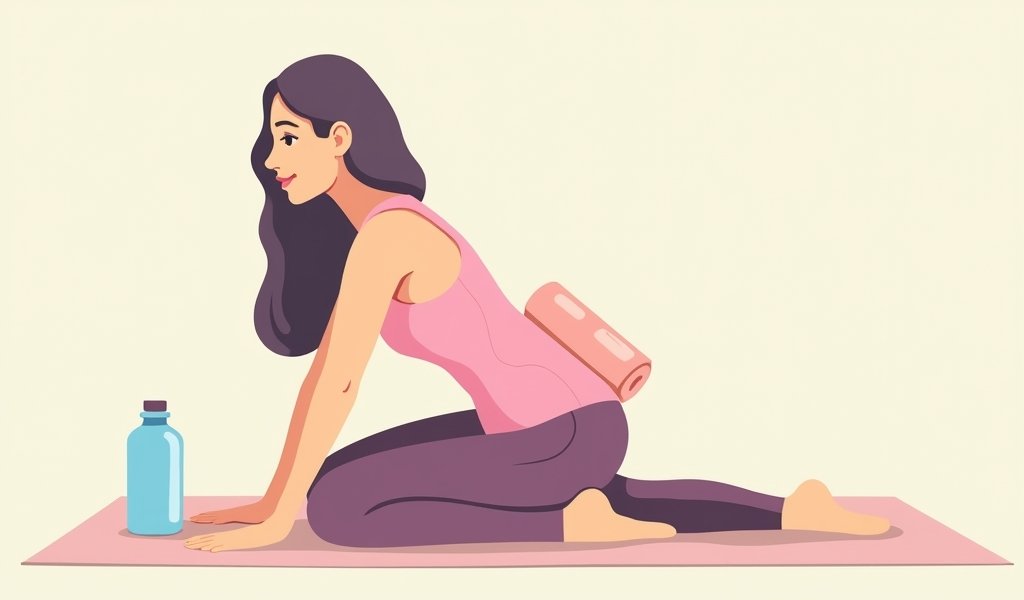
The Child’s Pose is my go-to recommendation for patients whose back hurts when sick. Start by kneeling on your bed or a soft surface, then sit back on your heels. Slowly extend your arms forward and lower your chest toward the surface, allowing your back to gently stretch. Hold this position for 30 seconds while taking deep, even breaths. This gentle stretch decompresses your spine and relaxes the muscles that may have tensed up during illness.
The Gentle Spinal Twist provides relief for the entire length of your back. Lie on your back, bring your knees to your chest, and slowly lower them to one side while keeping your shoulders flat. Turn your head in the opposite direction of your knees and hold for 20-30 seconds before switching sides. This rotation helps mobilize the spine and can relieve pressure points that develop from prolonged rest.
For those suffering from upper back tension – often exacerbated by coughing – try the Doorway Chest Stretch. Stand in a doorway, place your forearms on each side of the frame at a 90-degree angle, and gently lean forward until you feel a comfortable stretch across your chest and shoulders. Hold for 15-20 seconds, then release. This opens up the chest and counteracts the hunched position many adopt when feeling unwell.
The Seated Lower Back Stretch targets the lumbar region where pain commonly concentrates. Sit on the edge of a chair with your feet flat on the floor, then gently bend forward, allowing your head and arms to hang toward the floor. Only go as far as feels comfortable – this isn’t about touching your toes but rather creating a gentle lengthening sensation.
Remember that the goal of stretching while sick isn’t flexibility improvement but pain relief. Move slowly, breathe deeply, and never push to the point of pain. Even just 5-10 minutes of gentle stretching a few times throughout the day can make a significant difference in how your back feels while your body fights off illness.
These movements also help circulate blood and lymph fluid, potentially supporting your immune system’s efforts. As research has shown, gentle movement can boost immune function while providing pain relief – a winning combination when you’re under the weather.

Heat and Cold Therapy: Your Allies Against Back Pain
When your back hurts when sick, two of the simplest yet most effective remedies might already be in your home: heat and cold therapy. These traditional approaches remain staples in pain management because they work—each in its own way and at the right time.
Heat therapy shines when your back feels stiff and achy, particularly from being in one position too long. A warm shower directing water onto your back for 5-10 minutes can work wonders for loosening tight muscles. If you don’t have the energy for a shower (completely understandable when you’re sick), try a heating pad set on low to medium, or a microwavable heat pack applied to the painful area for 15-20 minutes. The warmth increases blood flow to the area, bringing oxygen and nutrients while helping muscles relax and release tension.
For those who enjoy a bit of luxury even when under the weather, consider a warm towel treatment. Simply dampen a towel, warm it in the microwave for about 30 seconds (checking that it’s not too hot), then apply it to your back. As it cools, replace it with another warm towel for continued relief. This method combines the benefits of heat with the comfort of a warm embrace for your aching muscles.
Cold therapy, by contrast, is your go-to when inflammation seems to be driving your pain. This is often the case during the initial stages of illness when your immune response is in full swing. A cold pack (or even a bag of frozen vegetables wrapped in a thin towel) applied to painful areas for 10-15 minutes can reduce inflammation and numb the area, providing significant relief.
Some people find alternating between heat and cold—known as contrast therapy—particularly effective. Try 10 minutes of heat followed by 10 minutes of cold, repeated 2-3 times. This approach can create a pumping action in the blood vessels that may help clear inflammatory chemicals from the painful area.
A word of caution: always place a thin barrier like a towel between your skin and the temperature source to prevent burns or frostbite. And if you have circulatory problems, diabetes, or reduced sensation in your back, consult with your healthcare provider before using these therapies.
Heat and cold therapy complement the anti-inflammatory diet recipes that can support your overall recovery. While external treatments address the symptoms, nutritional approaches help tackle inflammation from within.
Medication Management: Finding Safe Relief
Navigating medication choices when your back hurts when sick requires careful consideration. The goal is to address both your illness and back pain without creating new problems or interactions. As a healthcare professional, I always emphasize that medication should complement—not replace—the other management strategies we’re discussing.
Non-steroidal anti-inflammatory drugs (NSAIDs) like ibuprofen can be particularly helpful when back pain accompanies illness because they address both pain and inflammation. However, these medications should be taken with food to protect your stomach, especially when you’re already not feeling your best. If you’re taking other cold or flu medications, check that they don’t already contain NSAIDs to avoid accidental overdosing.
Acetaminophen (Tylenol) provides another option that helps with pain and fever but doesn’t have the anti-inflammatory properties of NSAIDs. For some people, particularly those with certain stomach conditions or who are taking blood thinners, acetaminophen may be the safer choice. It’s generally gentler on the stomach but still effective for managing discomfort.
Muscle relaxants are sometimes prescribed for severe back pain, but I recommend caution with these medications when you’re sick. They can cause drowsiness and respiratory depression, which might compound with the effects of your illness or other medications. Always consult with your healthcare provider before combining muscle relaxants with cold/flu medications.
For those interested in complementary approaches, some herbal remedies have shown promise for managing pain and inflammation. Turmeric, ginger, and white willow bark have traditional uses for pain management, though their effectiveness varies by individual. If you’re considering these options, discuss them with your healthcare provider, especially if you’re taking other medications.
Topical pain relievers can provide targeted relief without as much concern about drug interactions. Products containing menthol, camphor, or capsaicin create sensations of cooling or warming that can disrupt pain signals from your back. These can be particularly helpful when you want to avoid adding more oral medications to your regimen.
Remember that medication should be used mindfully as part of a comprehensive approach. While pills might seem like a quick fix, they work best when combined with proper rest, gentle movement, and the other strategies we’re discussing. For those with conditions like lupus, medication choices require extra consideration, as certain pain relievers may interact with your regular treatment regimen.
Proper Rest Positions to Ease Back Discomfort
When illness strikes and your back hurts when sick, how you position yourself during rest becomes crucial for both comfort and recovery. The right position can prevent additional strain and may even help alleviate existing pain. As someone who’s guided countless patients through this uncomfortable combination, I’ve found certain positions consistently provide relief.
The side-lying fetal position with a pillow between your knees often works wonders for lower back pain. This position maintains the natural curve of your spine while the pillow keeps your hips aligned, preventing twisting that can aggravate discomfort. For added support, try hugging another pillow against your chest – this prevents your upper shoulder from rolling forward and creating new tension points.
If you prefer sleeping on your back, place a small pillow or rolled towel under your knees to reduce pressure on your spine. This slight elevation helps maintain the natural curve in your lower back. Additionally, a supportive pillow that keeps your head aligned with your spine (rather than pushed forward) helps prevent upper back and neck strain that can radiate downward.
For those who can only find comfort sleeping on their stomach – typically not recommended for back pain – placing a flat pillow under your pelvis and lower abdomen can reduce strain on your back. This position isn’t ideal but modifying it this way makes it less problematic if it’s your only comfortable option during illness.
Beyond sleeping positions, how you rest while awake matters tremendously. When sitting up in bed to read or use electronic devices (though screen time should be limited when you’re ill), place a pillow behind your lower back to maintain its natural curve. Propping yourself up with pillows in a semi-reclined position often provides good support while allowing you to engage in restful activities.
Consider creating a “nest” of pillows that supports multiple areas simultaneously – behind your head, under your arms, and between or under your knees as needed. This comprehensive support system distributes your weight evenly and prevents any one area of your back from bearing too much pressure.
Remember to change positions regularly, even when resting. Staying in one position for too long, even a seemingly comfortable one, can increase stiffness and pain. Setting a gentle reminder to shift slightly every 30-45 minutes can prevent this problem without demanding too much energy when you’re already feeling depleted.

Hydration and Nutrition: Supporting Recovery from Within
When your back hurts when sick, what you put into your body becomes just as important as how you position or treat it externally. Proper hydration and nutrition create the internal environment needed for healing both your illness and your back pain. I’ve observed that patients who mind these factors often recover more quickly and with less discomfort.
Hydration tops the priority list when you’re unwell. Your intervertebral discs – those crucial shock absorbers between your vertebrae – are largely composed of water. When you’re dehydrated, these discs can’t function optimally, potentially worsening back pain. Aim for at least 8-10 glasses of fluid daily, more if you have a fever. Water is ideal, but herbal teas, clear broths, and electrolyte drinks can contribute to your fluid intake while providing additional benefits.
Ginger tea deserves special mention for its dual action against both illness and back discomfort. This warming beverage has natural anti-inflammatory properties that may help soothe back pain while also potentially easing nausea or sore throats that accompany many illnesses. A squeeze of lemon adds vitamin C while making the flavor more appealing when your appetite is diminished.
Speaking of nutrition, following an autoimmune protocol diet temporarily might benefit those whose back pain flares during illness. This approach eliminates potentially inflammatory foods, allowing your body to direct its energy toward healing rather than managing food sensitivities.
Foods rich in magnesium – like spinach, nuts, and seeds – can help relax tense back muscles. Meanwhile, colorful fruits and vegetables provide antioxidants that support your immune system and help manage the inflammation that often underlies both illness and back pain. Berries, citrus fruits, bell peppers, and leafy greens should feature prominently in your recovery diet.
Protein becomes particularly important when you’re dealing with back pain during illness. Your body needs adequate protein to repair tissues, including strained back muscles. When appetite is low, consider easily digestible protein sources like bone broth, yogurt, or smoothies made with a high-quality protein powder.
Certain foods might be worth limiting when your back hurts during illness. Highly processed foods, excessive sugar, and alcohol can promote inflammation and potentially slow healing. Similarly, caffeine can lead to dehydration if consumed in large amounts, though a moderate amount is fine for most people.
Practical tip: When you’re feeling unwell, preparation becomes challenging. Consider keeping a water bottle or thermos of tea within reach of your rest area, eliminating the need for frequent trips to the kitchen. Similarly, having easy-to-eat, nutritious options prepared in advance – perhaps by a family member or friend – ensures you can nourish yourself properly even when your energy is low.
This internal support system works hand-in-hand with external measures like proper positioning and gentle movement. Together, they create a comprehensive approach to managing back pain while your body fights off illness, addressing both the symptoms and their underlying causes.
When to See a Doctor: Recognizing Red Flags
While most instances of back pain during illness resolve as you recover, certain situations warrant prompt medical attention. As healthcare professionals, we want you to trust your instincts – sometimes that nagging feeling that “something isn’t right” is your body’s way of alerting you to a more serious issue.
Severe, unrelenting back pain that doesn’t respond to any of the management strategies we’ve discussed could indicate an issue beyond the typical muscle aches associated with illness. If your pain feels markedly different from your usual experience of back discomfort when sick, don’t hesitate to reach out to your healthcare provider.
Back pain accompanied by neurological symptoms should trigger immediate medical evaluation. These include numbness or tingling that radiates down your legs, muscle weakness in your lower extremities, or any changes in bladder or bowel function. These symptoms could indicate pressure on your spinal cord or nerves that requires prompt assessment.
High fever (over 101°F or 38.3°C) persisting for more than three days alongside back pain warrants medical attention, particularly if the fever isn’t responding to fever-reducing medications. This combination could signal an infection that needs specific treatment, such as a kidney infection which often presents with back pain.
Back pain that begins after starting new medications for your illness should be reported to your healthcare provider. Some antibiotics and antivirals can cause musculoskeletal side effects that might require adjustment of your treatment plan.
For those with existing spine conditions, immune disorders, or a history of cancer, the threshold for seeking medical attention should be lower. In these cases, what might be routine back pain for others could represent a more serious flare or complication for you.
Remember that telemedicine has made medical consultation more accessible than ever before. Many healthcare providers offer virtual visits that allow you to discuss your symptoms without leaving home – particularly valuable when you’re already feeling unwell. According to recent research, telemedicine consultations for musculoskeletal complaints can be highly effective for initial assessment and guidance.
Trust that seeking medical attention when needed isn’t overreacting – it’s responsible self-care. Your healthcare provider can help determine whether your back pain when sick represents a typical immune response or something requiring additional intervention.
Conclusion: Managing Back Pain While Healing
When your back hurts when sick, it adds an unwelcome layer of discomfort to an already challenging time. However, as we’ve explored throughout this article, you have numerous effective strategies at your disposal to manage this common but distressing combination of symptoms.
Remember that the connection between illness and back pain is well-established. Your body’s immune response, dehydration, prolonged rest, altered breathing patterns, and illness-related stress all contribute to why your back might protest when you’re fighting off an infection. Understanding these connections helps demystify the experience and guides your approach to finding relief.
The holistic approach we’ve outlined – combining gentle movement, strategic use of heat and cold, appropriate medication, proper rest positions, and internal support through hydration and nutrition – addresses back pain during illness from multiple angles. This comprehensive strategy provides your best chance at comfort while supporting your body’s natural healing processes.
Perhaps most importantly, be patient and compassionate with yourself during this time. Recovery isn’t linear, and some days will be better than others. Listen to your body’s signals, adjust your approach as needed, and remember that rest is productive – you’re giving your body the time and resources it needs to heal.
As you implement these strategies, pay attention to what works best for your unique situation. Each person’s experience of back pain during illness is slightly different, and you’ll likely discover particular combinations of these approaches that provide you with optimal relief.
With thoughtful self-care and the proven tips we’ve discussed, you can minimize back discomfort while supporting your body’s recovery from illness. And should you encounter any red flags along the way, don’t hesitate to seek professional guidance – sometimes that’s the most empowering form of self-care available to you.
Frequently Asked Questions
Why does my back hurt specifically when I have a fever?
Fever causes muscle aches through the release of inflammatory chemicals called cytokines and prostaglandins. These substances, while helping fight infection, also sensitize pain receptors and increase muscle tension, particularly affecting the back where large muscle groups can spasm.
Can coughing make back pain worse when I’m sick?
Absolutely – repetitive coughing creates significant strain on back muscles through sudden, forceful contractions. This mechanical stress can lead to muscle fatigue, spasms, and even pulled muscles in severe cases.
How can I tell if my back pain while sick is serious?
Seek medical attention if your back pain is accompanied by fever above 101°F, neurological symptoms (numbness, weakness, tingling), or bladder/bowel changes. Also consult a doctor if the pain is severe, unrelenting, or significantly different from typical illness-related discomfort.
Is it better to rest or move when my back hurts during illness?
A balanced approach works best – periods of proper rest interspersed with gentle, brief movement. Complete immobility can worsen stiffness and pain, while too much activity might deplete energy needed for recovery.
Could my cold/flu medicine be making my back pain worse?
Some decongestants containing pseudoephedrine can increase muscle tension as a side effect. Additionally, if your medications are masking fever but not addressing inflammation, they might not be addressing the underlying cause of your back discomfort.