
Overview
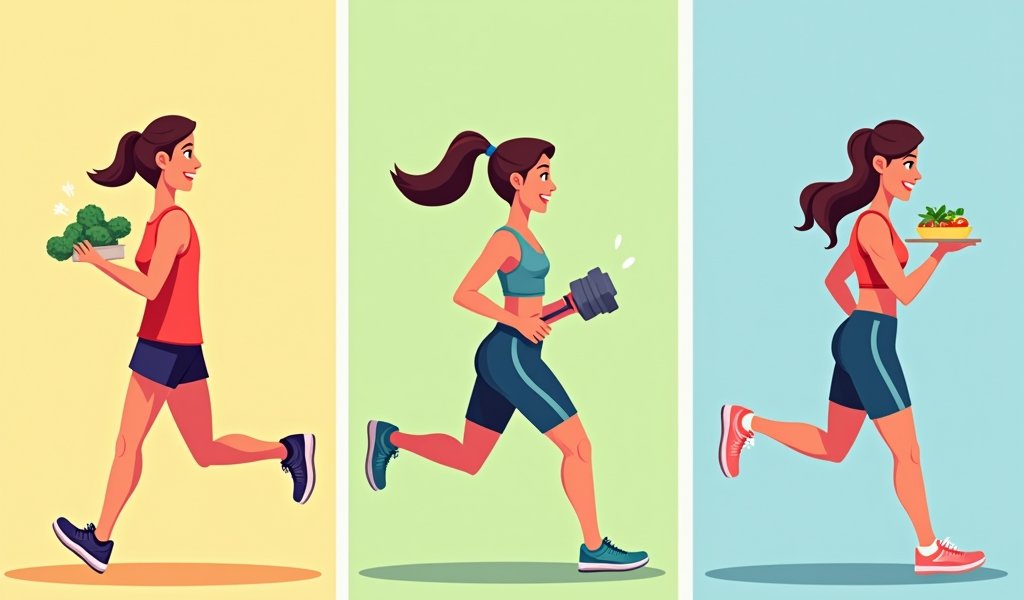
Like trying to assemble IKEA furniture without instructions, body transformation requires more than just random sweaty efforts! This article outlines ten evidence-based strategies for physical transformation including proper nutrition, strength training, cardiovascular exercise, adequate sleep, hydration, consistency, mindful eating, recovery techniques, stress management, and progress tracking beyond scale weight.
Table of Contents
- Introduction
- Nutrition Fundamentals: Fuel Your Transformation
- Strength Training: Build Your Foundation
- Cardiovascular Exercise: Boost Your Heart Health
- Adequate Sleep: The Unsung Hero of Fitness
- Hydration Habits: Drink Your Way to Better Health
- Consistency Over Intensity: The Long Game
- Mindful Eating: Quality Over Quantity
- Recovery Techniques: Give Your Body Time to Heal
- Stress Management: The Mind-Body Connection
- Tracking Progress: Beyond the Scale
- Conclusion
- Frequently Asked Questions
Introduction
Transforming your body isn’t just about looking good—it’s about creating sustainable habits that improve your overall health, energy levels, and quality of life. As a health professional with over a decade of experience working with clients of all fitness levels, I’ve witnessed firsthand how the right strategies can create remarkable transformations. The journey to better health doesn’t require extreme measures or complicated regimens. Instead, it demands consistent application of proven principles that work synergistically to change your body from the inside out.
In this comprehensive guide, I’ll share 10 evidence-based health and fitness tips that can truly transform your body. These aren’t quick fixes or temporary solutions—they’re the fundamental building blocks that health professionals recommend for genuine, lasting change. Whether you’re just beginning your fitness journey or looking to break through a plateau, these principles will serve as your roadmap to success. Let’s explore how you can make meaningful changes that stand the test of time and help you achieve the healthy, vibrant body you deserve.
Nutrition Fundamentals: Fuel Your Transformation
The foundation of any successful body transformation begins with what you put on your plate. Nutrition accounts for approximately 70-80% of your results, making it the most influential factor in changing your physique. Start by focusing on whole, unprocessed foods that provide the nutrients your body needs to thrive and repair itself.
Prioritize lean proteins in every meal to support muscle maintenance and growth. Research from the Journal of the International Society of Sports Nutrition suggests consuming 1.6-2.2 grams of protein per kilogram of body weight daily for optimal results when combined with resistance training. Good sources include chicken breast, fish, eggs, tofu, and legumes.
Complex carbohydrates should form the energy backbone of your nutrition plan. These include:
- Whole grains like brown rice, quinoa, and oats
- Starchy vegetables such as sweet potatoes and squash
- Fruits that provide fiber, vitamins, and natural sugars
Don’t fear healthy fats—they’re essential for hormone production, brain function, and vitamin absorption. Avocados, nuts, seeds, and olive oil should be moderate but consistent components of your daily intake. When medical professionals discuss nutrition, they emphasize balance rather than elimination—a sustainable approach that leads to lasting change.
Finally, consider meal timing and portion control. Eating smaller, balanced meals every 3-4 hours helps maintain steady energy levels and prevents the overeating that often occurs with extreme hunger. Remember, transformation happens with consistency, not perfection.

Strength Training: Build Your Foundation
Strength training is non-negotiable for meaningful body transformation. Contrary to popular belief, lifting weights won’t make you bulky—instead, it sculpts and defines your physique while boosting your metabolic rate. Even modest increases in muscle mass can significantly impact your resting energy expenditure, helping you burn more calories even when you’re not exercising.
For beginners, focus on mastering compound movements that work multiple muscle groups simultaneously:
- Squats for lower body strength and core stability
- Deadlifts to engage the posterior chain
- Push-ups or bench presses for upper body development
- Rows and pull-ups for back strength and posture
Progressive overload is the key principle behind strength gains. This means gradually increasing the weight, frequency, or number of repetitions in your workouts. Your muscles adapt to the demands placed upon them, so consistent challenges are necessary for continued improvement.
Aim to strength train at least 2-3 times per week, allowing 48 hours of recovery between sessions that target the same muscle groups. According to the American College of Sports Medicine, this frequency provides optimal stimulus for strength development while allowing adequate recovery.
Remember that proper form trumps heavy weights every time. Consider investing in a few sessions with a qualified personal trainer to learn correct technique, especially when you’re asking medical associations about safe exercise practices. This initial investment can prevent injuries and ensure you’re getting maximum benefit from every movement.
Cardiovascular Exercise: Boost Your Heart Health
Cardiovascular exercise complements strength training by improving heart health, increasing stamina, and accelerating fat loss. The beauty of cardio is its versatility—you can choose activities you genuinely enjoy rather than forcing yourself through workouts you dread.
For optimal results, incorporate both steady-state cardio and high-intensity interval training (HIIT) into your routine. Steady-state cardio involves maintaining a moderate intensity for an extended period, such as a 30-minute jog or bike ride. This approach builds endurance and can be particularly effective for recovery days between strength sessions.
HIIT, on the other hand, alternates between short bursts of intense effort and brief recovery periods. A simple protocol might involve 30 seconds of all-out effort followed by 90 seconds of recovery, repeated 8-10 times. Research published in the British Journal of Sports Medicine found that HIIT produces similar or greater improvements in cardiorespiratory fitness with significantly less time commitment compared to traditional endurance training.
The American Heart Association recommends at least 150 minutes of moderate-intensity cardio or 75 minutes of vigorous activity weekly. However, this is a minimum threshold—many successful transformations involve 3-5 cardio sessions weekly, varying in intensity and duration based on individual goals and recovery capacity.
Listen to your body and adjust accordingly. Some days call for challenging intervals, while others may benefit from gentle movement that promotes blood flow and recovery. The key is consistency—regular cardiovascular exercise creates a caloric deficit while improving the efficiency of your cardiovascular system.
Adequate Sleep: The Unsung Hero of Fitness
Sleep might be the most underrated component of physical transformation. During deep sleep, your body releases growth hormone, repairs muscle tissue, and rebalances hormones critical for fat loss and muscle preservation. Without adequate rest, even the most perfect diet and training program will yield suboptimal results.
Aim for 7-9 hours of quality sleep nightly. Research has shown that insufficient sleep increases cortisol (the stress hormone) while decreasing testosterone and growth hormone production—a recipe for muscle loss and fat storage. Sleep deprivation also affects hunger hormones, increasing ghrelin (which stimulates appetite) and decreasing leptin (which signals fullness).
Create a sleep sanctuary by keeping your bedroom dark, quiet, and cool. Establish a consistent sleep schedule, even on weekends, to regulate your body’s natural circadian rhythm. Avoid screens at least one hour before bedtime, as the blue light emitted can interfere with melatonin production.
If you struggle with sleep quality, consider these evidence-based strategies:
- Limit caffeine after noon
- Perform intense workouts earlier in the day
- Practice relaxation techniques like deep breathing or gentle stretching before bed
- Keep a notepad by your bed to write down thoughts that might otherwise keep you awake
Many clients come to me focused entirely on diet and exercise while neglecting sleep. When they finally prioritize rest, they’re often amazed by how quickly their body composition improves. Remember that recovery is when transformation happens—not during the workout itself.

Hydration Habits: Drink Your Way to Better Health
Proper hydration affects every aspect of your physical performance and body composition. Even mild dehydration can reduce exercise performance, impair cognitive function, and slow your metabolism. For those seeking body transformation, water should be your primary beverage of choice.
A good starting point is consuming at least half your body weight in ounces daily. For example, a 160-pound person would aim for 80 ounces (about 2.4 liters) of water. This baseline should increase with exercise intensity, heat exposure, and other factors that increase fluid loss.
Hydration supports transformation in several key ways. First, it optimizes your metabolism—studies show that drinking 500ml of water can temporarily increase metabolic rate by up to 30%. Water also helps transport nutrients to your cells and removes waste products, including those produced during exercise.
Proper hydration improves exercise performance by maintaining blood volume and regulating body temperature. When you’re well-hydrated, your heart doesn’t have to work as hard to pump blood, allowing you to train longer and recover faster.
Practical tips for staying hydrated include:
- Starting each morning with a large glass of water
- Carrying a reusable water bottle throughout the day
- Drinking before, during, and after workouts
- Infusing water with fruit or herbs if you struggle with plain water
- Setting reminders on your phone if you tend to forget
Be aware that thirst is often a late indicator of dehydration. By the time you feel thirsty, you may already be experiencing the performance-limiting effects of fluid deficit. Consistent hydration throughout the day is far more effective than trying to “catch up” with large volumes later.
Consistency Over Intensity: The Long Game
If there’s one principle that separates successful transformations from failed attempts, it’s consistency. Moderate efforts applied consistently will always outperform extreme measures that can’t be sustained. This is where many ask what AMA means in terms of training philosophy—it’s about finding your sustainable approach.
The most dramatic physical changes occur not from periodic bursts of perfect adherence, but from showing up day after day with reasonable effort. Your body adapts to the demands you consistently place upon it, not the occasional heroic workout or perfect eating day.
Develop systems that make consistency easier. This might include meal prepping on weekends, scheduling workouts like important meetings, or finding an accountability partner. The goal is to remove decision fatigue and willpower from the equation as much as possible.
Accept that progress isn’t linear. There will be plateaus, setbacks, and days when motivation is low. These aren’t failures—they’re normal parts of any transformation journey. What matters is your response to these challenges. Can you return to your habits the next day rather than abandoning them entirely?
Track adherence rather than just outcomes. For example, note how many planned workouts you completed or how many meals aligned with your nutrition plan. These process goals are within your control and lead to the outcome goals (weight loss, muscle gain) that will naturally follow.
Mindful Eating: Quality Over Quantity
Beyond the macronutrients and calories lies a powerful approach to nutrition: mindful eating. This practice involves being fully present during meals, paying attention to hunger and fullness cues, and developing a healthier relationship with food.
Start by eliminating distractions during meals. Turn off screens, sit at a table, and focus on the sensory experience of eating. This simple shift can reduce overconsumption and increase satisfaction from smaller portions.
Learn to recognize true hunger versus emotional eating triggers. Before reaching for food, ask yourself: “Am I physically hungry, or am I responding to stress, boredom, or habit?” This pause creates space for intentional choices rather than automatic reactions.
Chew thoroughly and eat slowly. It takes approximately 20 minutes for your brain to register fullness signals from your stomach. By slowing down, you give these signals time to develop, naturally regulating your portion sizes without feeling deprived.
Practice the 80/20 rule for sustainable nutrition. Aim for nutrient-dense, whole foods about 80% of the time, allowing flexibility for treats and social occasions the other 20%. This balance prevents the restrictive mindset that often leads to binge eating and guilt cycles.
Remember that transformation isn’t just physical—it includes developing a peaceful relationship with food. Rigid rules and “good food/bad food” labels often backfire in the long run. Instead, focus on nourishment, enjoyment, and how different foods make you feel physically and mentally.
Recovery Techniques: Give Your Body Time to Heal
Recovery isn’t merely the absence of training—it’s an active process that deserves as much attention as your workouts themselves. Strategic recovery accelerates adaptation, prevents injuries, and ensures consistent progress over time.
Active recovery involves low-intensity movement that promotes blood flow without creating additional stress. Examples include gentle walking, swimming, or yoga. These activities speed nutrient delivery to damaged tissues while clearing metabolic waste products, reducing soreness and improving function.
Incorporate mobility work into your routine to maintain joint health and movement quality. Spend 10-15 minutes daily on targeted stretching, foam rolling, or mobility drills for areas that feel tight or restricted. This investment pays dividends in injury prevention and movement efficiency.
Consider contrast therapy for accelerated recovery. Alternating between hot and cold exposure—whether through showers, baths, or professional facilities—can reduce inflammation and improve circulation. Start with 1-2 minutes of heat followed by 30 seconds of cold, repeating for 3-5 cycles.
Don’t underestimate the power of complete rest days. Your central nervous system needs regular breaks from intense training to prevent overtraining syndrome. A good rule of thumb is at least one full rest day weekly, with additional recovery days as needed based on sleep quality, stress levels, and performance indicators.
Finally, consider periodic deload weeks where you reduce training volume or intensity by 40-50%. Scheduled every 4-8 weeks, these strategic reductions prevent accumulated fatigue while allowing your body to consolidate adaptations from previous training blocks.
Stress Management: The Mind-Body Connection
Chronic stress can sabotage your transformation efforts, regardless of perfect diet and training adherence. Elevated cortisol levels promote fat storage (particularly visceral fat), increase appetite, break down muscle tissue, and impair recovery. Managing stress isn’t a luxury—it’s a physiological necessity for body transformation.
Incorporate deliberate stress management practices into your daily routine. Even 5-10 minutes of meditation, deep breathing exercises, or guided visualization can activate your parasympathetic nervous system, countering the fight-or-flight response that characterizes chronic stress.
Physical activity itself can be a powerful stress reducer, but balance high-intensity work with restorative movement. Practices like yoga, tai chi, or even mindful walking engage the mind-body connection in ways that counteract stress hormones and promote relaxation.
Spend time in nature when possible. Research has shown that “forest bathing” or simply being in green spaces reduces cortisol levels, lowers blood pressure, and improves overall mood. A 20-minute walk in a natural setting can provide measurable stress reduction benefits.
Audit your lifestyle for unnecessary stressors. This might include setting boundaries with technology, reevaluating commitments, or creating systems to reduce daily friction points. Often, small adjustments to your environment or schedule can significantly reduce your overall stress load.
Remember that stress isn’t just psychological—it’s also physiological. Your body doesn’t distinguish between a work deadline and an intense training session. Both create a stress response that requires recovery. Factor this into your overall planning to ensure you’re not overtaxing your adaptive capacity.
Tracking Progress: Beyond the Scale
Effective transformation requires objective feedback, but the bathroom scale tells only a fraction of the story. Relying solely on weight creates an incomplete picture that can lead to frustration and misguided decisions. Instead, implement a comprehensive tracking system that captures various dimensions of progress.
Body composition assessments provide more valuable information than weight alone. Consider monthly measurements of waist, hips, chest, and limbs to track changes in your physique. Photos taken under consistent lighting and positioning often reveal changes that the scale doesn’t capture.
Track performance metrics in your workouts. Can you lift more weight, complete more repetitions, or recover faster between sets? These improvements indicate positive adaptations even when the scale doesn’t budge. Record key exercises and regularly test your capabilities.
Monitor energy levels, sleep quality, and mood throughout your transformation. These markers of overall health often improve before visible body composition changes appear. A simple 1-10 rating system for each metric, recorded daily, can reveal important patterns.
Track adherence to your plan rather than just outcomes. Note how consistently you’re hitting your protein targets, completing planned workouts, and practicing recovery techniques. This process-focused approach keeps you accountable to behaviors within your control.
Finally, celebrate non-physical victories. Perhaps you’re less winded climbing stairs, your stress levels have decreased, or you’re developing cooking skills that support your nutrition goals. These quality-of-life improvements are meaningful indicators of success that transcend aesthetics.
Conclusion
Transforming your body isn’t about finding the perfect workout or following a rigid diet—it’s about integrating these 10 evidence-based principles into a sustainable lifestyle. The most successful transformations come from consistent application of fundamentals rather than extreme measures that can’t be maintained.
Begin by focusing on nutrition as your foundation, then build upon it with strategic strength training and cardiovascular exercise. Prioritize recovery through adequate sleep and stress management, and stay well-hydrated throughout the process. Practice mindful eating to develop a healthier relationship with food, and track various progress markers beyond just the number on the scale.
Remember that transformation is rarely linear. There will be plateaus, setbacks, and days when motivation wanes. What separates successful transformations from temporary changes is the ability to return to these principles consistently, even after inevitable disruptions.
Your body responds to what you do most often, not what you do occasionally. Small, consistent habits compounded over time lead to remarkable changes. Be patient with the process, celebrate your progress (however small), and trust that these evidence-based strategies will guide you toward the healthier, stronger body you’re working to build.
Frequently Asked Questions
How quickly will I see results from implementing these tips?
Most people notice initial changes within 2-4 weeks, with more significant transformation visible after 8-12 weeks of consistent implementation. Your individual results will depend on your starting point, consistency, and genetic factors.
Do I need to follow all 10 tips at once to see results?
No, implementing even 3-4 of these principles consistently can produce noticeable changes. Start with the areas where you have the most room for improvement, then gradually incorporate additional strategies.
Is it necessary to track calories for successful body transformation?
While calorie awareness is helpful, many people achieve excellent results through portion control, mindful eating, and focusing on food quality. Tracking can be a useful educational tool initially but isn’t mandatory long-term.
How much protein do I really need for muscle building?
For active individuals seeking body transformation, aim for 1.6-2.2g of protein per kg of bodyweight daily. This typically translates to 25-40g of protein per meal for most adults.
Can I transform my body without going to a gym?
Absolutely! Home workouts using bodyweight exercises, resistance bands, or basic equipment can be extremely effective. The key principles of progressive overload and consistency apply regardless of your training environment.