
Overview
For those carrying extra luggage on life’s journey, this article offers seven practical fitness strategies for people with morbid obesity (BMI 40+), emphasizing gentle movement, consistency over intensity, water activities, and finding joy in physical activity. The piece advocates for working with healthcare professionals, building support systems, and measuring progress beyond the scale—highlighting that improved health and mobility are achievable regardless of weight loss.
Table of Contents
- Understanding Morbid Obesity: What Does It Really Mean?
- Health Implications of Morbid Obesity
- Fitness Tip 1: Start With Gentle Movement
- Fitness Tip 2: Focus on Consistency, Not Intensity
- Fitness Tip 3: Embrace Water-Based Activities
- Fitness Tip 4: Find Activities That Bring Joy
- Fitness Tip 5: Work With Healthcare Professionals
- Fitness Tip 6: Build a Support System
- Fitness Tip 7: Track Progress Beyond the Scale
- Conclusion: Your Journey Toward Better Health
- Frequently Asked Questions
Understanding Morbid Obesity: What Does It Really Mean?
The morbidly obese definition refers to a clinical classification of obesity where an individual’s body weight substantially exceeds what’s considered healthy for their height. Specifically, a person is considered morbidly obese when their Body Mass Index (BMI) is 40 or higher, or when they weigh more than 100 pounds over their ideal body weight. This condition, also referred to as Class III obesity or severe obesity, affects approximately 9% of the adult population in the United States.
It’s important to understand that morbid obesity is a complex medical condition influenced by a combination of genetic, environmental, and behavioral factors. It’s not simply about willpower or lifestyle choices. Hormonal imbalances, medications, psychological factors, and even gut microbiome composition can all contribute to the development of this condition.
While the term “morbid” may sound harsh, it comes from the medical perspective that this level of obesity significantly increases the risk of developing serious health complications. However, I want to emphasize that a diagnosis of morbid obesity is not a life sentence. With appropriate support, guidance, and sustainable lifestyle changes, improved health and fitness are achievable goals.
Health Implications of Morbid Obesity
Understanding the health implications of morbid obesity is crucial for recognizing why fitness and weight management are so important. When your BMI exceeds 40, your body is under considerable strain that affects virtually every system. This isn’t about aesthetics or societal standards—it’s about your health and quality of life.
Cardiovascular health is significantly impacted, with increased risks of hypertension, heart disease, and stroke. The heart must work harder to pump blood through additional miles of blood vessels that supply excess tissue. This extra work can lead to heart enlargement and eventual heart failure if not addressed.
Metabolic health also suffers, with type 2 diabetes being closely linked to morbid obesity. The body’s cells become resistant to insulin, the hormone that regulates blood sugar, leading to chronically elevated glucose levels. This can damage blood vessels, nerves, and organs throughout the body.
Additionally, the extra weight places tremendous stress on your joints, particularly the knees, hips, and spine. This often leads to premature osteoarthritis, chronic pain, and mobility limitations. The combination of joint pain and cardiovascular strain can make physical activity increasingly difficult, creating a challenging cycle to break.
Respiratory complications are also common, with conditions like sleep apnea affecting up to 70% of those with morbid obesity. The excess tissue in the throat can collapse during sleep, causing breathing interruptions that fragment sleep and reduce oxygen levels. This leads to daytime fatigue, cognitive impairment, and further metabolic disruption.
Despite these serious health implications, there’s substantial evidence that even modest weight loss of 5-10% can significantly improve these conditions and reduce health risks. This is why the fitness tips that follow focus on sustainable, gradual approaches rather than extreme measures. Your journey toward better health can begin with small, consistent steps that acknowledge your current starting point.

Fitness Tip 1: Start With Gentle Movement
Beginning a fitness journey when you’re living with morbid obesity requires a thoughtful, gradual approach. The most important first step is simply increasing your daily movement in ways that feel comfortable and sustainable for your body. Remember, you don’t need to jump into high-intensity workouts or lengthy gym sessions to make meaningful progress.
Start with just 5-10 minutes of gentle movement several times throughout your day. This might include simple seated exercises, short walks around your home, or basic stretching. These mini-sessions are less intimidating and put less strain on your joints while still providing cardiovascular benefits. As you begin to lose weight gradually, you’ll notice these activities becoming easier.
Chair-based exercises can be particularly helpful when first starting out. These might include:
- Seated marches (lifting knees alternately)
- Arm circles and reaches
- Ankle and wrist rotations
- Gentle seated side bends
- Shoulder rolls and neck stretches
According to research published in the International Journal of Environmental Research and Public Health, even light physical activity can reduce inflammation and improve metabolic health. These benefits occur even before significant weight loss, which means your body starts healing from the very first movements you make.
The key is consistency rather than intensity. Your body will thank you for gentle, regular movement much more than sporadic intense sessions that might lead to injury or burnout. As you build this foundation of regular movement, you’ll develop confidence and physical capacity that will serve you throughout your fitness journey.
Fitness Tip 2: Focus on Consistency, Not Intensity
When navigating fitness with morbid obesity, consistency trumps intensity every time. Creating a sustainable routine that you can maintain is far more valuable than pushing yourself through grueling workouts that leave you exhausted, discouraged, or injured. Think of fitness as a lifetime practice rather than a short-term fix.
Aim to move your body in some way every day, even if it’s just for 10-15 minutes. These daily moments of movement build a powerful habit that reshapes your relationship with physical activity. Over time, this consistent practice accumulates into significant health improvements and increased capacity.
Schedule your movement sessions at times when you typically have the most energy. For some, this might be morning; for others, afternoon or evening works better. Listen to your body’s natural rhythms rather than forcing yourself to exercise when you’re already depleted.
Remember that consistency doesn’t mean doing the same activities every day. In fact, variety can help prevent both physical and mental burnout. Alternate between different types of gentle movement:
- Walking (indoors or outdoors)
- Chair or seated exercises
- Gentle stretching
- Water movement (if accessible)
- Simple household activities like gardening or cleaning
The American Heart Association notes that multiple short sessions throughout the day provide similar health benefits to one longer session. This “movement snacking” approach can be particularly helpful when beginning your fitness journey with morbid obesity, as it prevents overexertion and makes the process more manageable.
Track your consistency rather than your performance. Consider using a simple calendar where you mark each day you engage in planned movement, regardless of duration or intensity. Seeing those marks accumulate provides powerful visual feedback about your commitment to your health.
Fitness Tip 3: Embrace Water-Based Activities
Water provides a uniquely supportive environment that can be transformative for those with morbid obesity. The buoyancy of water reduces weight-bearing stress on joints by up to 90%, making movement significantly more comfortable and reducing the risk of injury. This supportive quality allows for a greater range of motion and types of movement that might be challenging on land.
You don’t need to be a swimmer to benefit from water-based activities. Many recreation centers and pools offer various options designed for different fitness levels:
- Water walking in chest-deep water
- Aqua aerobics classes (look for those specifically for larger bodies or beginners)
- Gentle water stretching and range of motion exercises
- Swimming with flotation devices for support
- Seated exercises performed in shallow water
The resistance provided by water also means you’re working against gentle, consistent pressure in all directions. This creates a natural strengthening effect without the need for weights or machines. Additionally, the hydrostatic pressure of water has been shown to improve circulation and reduce swelling—both important benefits for many individuals with morbid obesity.
Water-based exercise also offers psychological benefits. Many people report feeling a sense of freedom and reduced self-consciousness in the water. The cooling effect can make exercise more comfortable, especially if you tend to overheat easily during physical activity.
According to research published in the Journal of Obesity & Metabolic Syndrome, aquatic exercise programs show promising results for improving cardiovascular health, muscle strength, and psychological well-being in individuals with obesity, often with higher adherence rates than land-based programs.
If you’re interested in trying water activities, consider reaching out to local pools about their accessibility features and programs specifically designed for larger bodies or those with mobility limitations. Many facilities have equipment like water chairs, pool lifts, and graduated entry points to make access easier and more dignified.
Fitness Tip 4: Find Activities That Bring Joy
Sustainable fitness isn’t just about what burns the most calories—it’s about finding movement that you genuinely enjoy. When living with morbid obesity, discovering activities that bring a sense of pleasure or accomplishment is particularly important for long-term adherence. The best exercise is always the one you’ll actually do consistently.
Think back to physical activities you enjoyed in the past, perhaps before weight gain became an issue. Did you enjoy dancing? Were you drawn to nature walks? Did you find pleasure in activities like gardening or playing catch? These memories can provide clues to movements that might still resonate with you.
Don’t limit yourself to conventional “exercise.” Movement comes in countless forms, many of which don’t feel like traditional workouts:
- Gentle dancing to favorite music in your living room
- Recreational photography walks where you move at your pace to capture interesting images
- Adaptive yoga or seated yoga practices
- Gardening or working with plants
- Tai chi or gentle martial arts movements
- Social activities that incorporate movement, like bowling with modifications
The mind-body connection is powerful. Activities that engage your mind while moving your body can make the experience more rewarding and distract from discomfort. This might mean listening to fascinating podcasts while walking or practicing mindfulness during gentle stretching.
Consider whether you prefer solitary activities or social ones. Some people find motivation in group settings or classes specifically designed for larger bodies, while others prefer the privacy of moving on their own terms. Both approaches are equally valid—the key is recognizing what works for your personality and preferences.
As Dr. Yoni Freedhoff, obesity medicine physician and author, often says, “The best diet is the one you don’t know you’re on.” Similarly, the best exercise program is one that feels so integrated with your life and preferences that it doesn’t feel like a burden. Focus on building a relationship with movement that feels nurturing rather than punishing.
Fitness Tip 5: Work With Healthcare Professionals
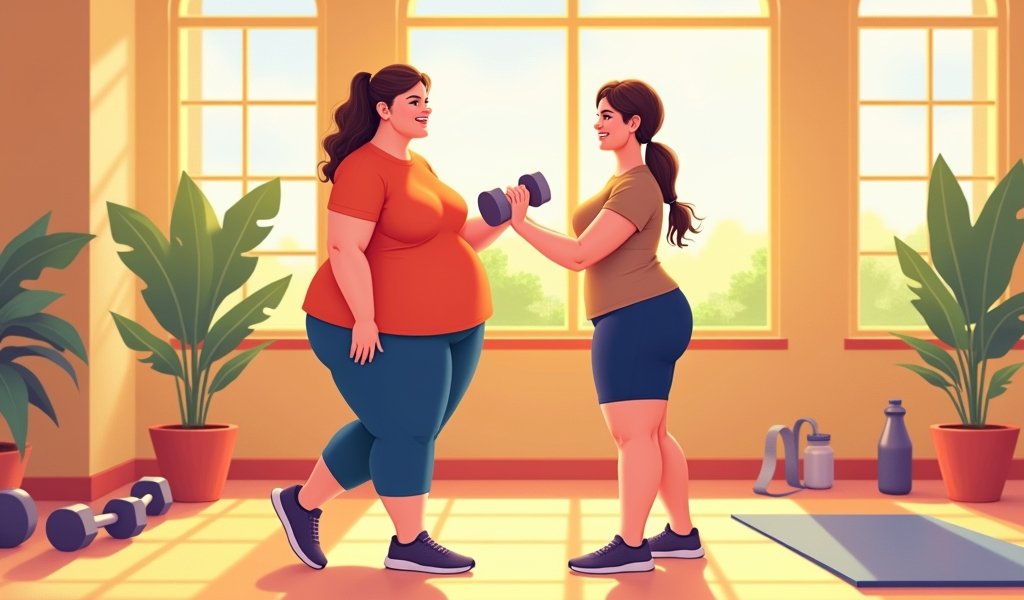
Navigating fitness with morbid obesity is significantly more effective when you have professional guidance tailored to your specific needs. Your unique health profile, including any existing conditions like joint issues, cardiovascular concerns, or metabolic disorders, should inform your approach to physical activity. Working with healthcare professionals ensures that your fitness plan supports rather than compromises your overall health.
Start by consulting with your primary care physician before beginning any new exercise program. They can provide important baseline assessments and refer you to specialists who can offer targeted support:
- Physical therapists can design movement programs that accommodate joint limitations and build foundational strength
- Exercise physiologists specialize in creating safe, effective exercise prescriptions for those with medical conditions
- Registered dietitians provide nutrition guidance that complements your activity level
- Behavioral health specialists help address psychological aspects of lifestyle change
Many hospitals and clinics offer multidisciplinary weight management programs that coordinate care across these specialties, providing comprehensive support. These programs often include supervised exercise sessions where you can learn proper techniques and build confidence under expert guidance.
Don’t hesitate to advocate for equipment accommodations or modifications when working with fitness professionals. According to research in the Clinical Journal of Sport Medicine, exercise programs that are individually tailored with appropriate modifications show significantly better outcomes and adherence rates for individuals with severe obesity.
If you’re considering surgical interventions like bariatric surgery, pre-operative fitness programs can significantly improve surgical outcomes and recovery. Many bariatric programs include specialized fitness components designed specifically for candidates at higher weight ranges.
Remember that healthcare professionals are partners in your journey. Seek providers who approach you with respect, who listen to your concerns, and who recognize that health improvements can occur independently of weight changes. The right professional support creates a foundation of safety, effectiveness, and confidence as you build your fitness practice.
Fitness Tip 6: Build a Support System
Embarking on a fitness journey while living with morbid obesity can feel isolating at times, but you don’t have to go it alone. Building a robust support system can dramatically increase your chances of long-term success and make the process more enjoyable. Support comes in many forms, and the most effective approach often combines several types.
Personal support from friends and family who understand your goals can provide crucial encouragement during challenging times. Be selective about who you include in this inner circle—look for people who offer genuine support without judgment or unsolicited advice. Sometimes, this means having honest conversations with loved ones about what kind of support is actually helpful for you.
Consider seeking out peer support from others on similar journeys. There are numerous online and in-person communities specifically for individuals with morbid obesity working on fitness goals:
- Health At Every Size (HAES) oriented fitness groups
- Size-friendly workout communities on social media platforms
- Specialized programs like Fit2BeFat or Big Fit Girl
- Hospital-based support groups for bariatric patients or those with obesity
These communities can provide invaluable practical advice about equipment modifications, clothing solutions, and navigating fitness spaces as a person in a larger body. Perhaps more importantly, they offer understanding from those who truly “get it.”
Professional support also plays a key role. Consider working with a personal trainer who has specific experience and certification in training clients with obesity. The American Council on Exercise (ACE) offers specialized certifications for working with clients who have obesity, ensuring these professionals understand the unique considerations involved.
Technology can serve as another form of support. Fitness apps designed with inclusivity in mind, like Joyn, offer workouts for various body types and fitness levels. Activity trackers can be motivating when focused on progress metrics beyond weight, such as increased daily steps, improved sleep quality, or heart rate patterns.
Remember that building support is an ongoing process. As your fitness journey evolves, your support needs may change. Stay open to adjusting your support system to meet your current reality and goals.
Fitness Tip 7: Track Progress Beyond the Scale
When living with morbid obesity, defining success solely through weight loss can be both misleading and discouraging. The scale provides only a single, often fluctuating data point that fails to capture the numerous meaningful improvements happening in your body as you increase your physical activity. Expanding your definition of progress creates a more accurate and motivating picture of your journey.
Focus on functional improvements—the tangible ways your relationship with movement is changing. These might include:
- Walking further before needing to rest
- Requiring less time to recover after physical activity
- Completing daily tasks with less discomfort
- Improved balance and stability
- Greater range of motion in joints
- Ability to stand or move for longer periods
Health markers often respond quickly to increased physical activity, sometimes before significant weight changes occur. With your doctor’s guidance, monitor improvements in metrics like:
- Blood pressure readings
- Resting heart rate
- Blood glucose levels
- Sleep quality and duration
- Inflammatory markers
According to research published in JAMA Internal Medicine, improved fitness levels predict better health outcomes regardless of whether weight loss occurs. Your body benefits from movement even when the scale doesn’t change.
Psychological and emotional changes represent some of the most meaningful progress indicators. Consider keeping a simple journal to note shifts in:
- Energy levels throughout the day
- Mood patterns and emotional regulation
- Self-efficacy and confidence in your physical abilities
- Stress management capacity
- Attitude toward physical activity
Create a personalized tracking system that feels motivating rather than burdensome. This might be as simple as a weekly check-in where you reflect on what feels different or better compared to the previous week. Photography can also provide visual evidence of posture improvements, increased mobility, or changing body composition that might not register on the scale.
Remember that progress is rarely linear. There will be plateaus and fluctuations in all metrics. By diversifying how you measure success, you create multiple pathways to recognize and celebrate your achievements, fostering the sustainability of your fitness practice.
Conclusion: Your Journey Toward Better Health
Understanding the morbidly obese definition is just the beginning of a journey toward improved health and well-being. While medical classifications like BMI 40+ or being 100+ pounds over ideal body weight provide clinical frameworks, they don’t define your potential or limit what you can achieve through consistent, thoughtful movement.
The seven fitness tips we’ve explored—starting with gentle movement, focusing on consistency, embracing water activities, finding joyful movement, working with healthcare professionals, building support systems, and tracking diverse progress measures—create a comprehensive approach that honors both the challenges and possibilities of your unique body.
Remember that fitness is not a race to a destination but rather a practice of caring for your body in increasingly supportive ways. Each step you take, no matter how small it might seem, creates positive change on multiple levels—physically, metabolically, emotionally, and functionally.
Progress may sometimes feel slow, and there will inevitably be setbacks along the way. These are not failures but rather natural parts of any meaningful change process. What matters most is your willingness to begin again, to adjust your approach as needed, and to recognize that you are worthy of movement that feels good in your body exactly as it is today.
The journey of improving fitness while living with morbid obesity requires courage, patience, and self-compassion. By focusing on sustainable practices rather than quick fixes, you build a foundation for lasting health improvements that extend far beyond the numbers on a scale.
Your body is capable of amazing adaptations at any size. Each time you choose movement, you strengthen not just your muscles but also your resilience and your relationship with the remarkable body that carries you through life. That ongoing practice of compassionate movement is perhaps the greatest success of all.
Frequently Asked Questions
What BMI is considered morbidly obese?
A BMI of 40 or greater is classified as morbidly obese. Alternatively, having a BMI of 35+ with obesity-related health conditions like diabetes or heart disease may also meet the clinical definition.
Can someone be morbidly obese and still be healthy?
While some individuals may not have immediate health complications, morbid obesity significantly increases risk for numerous serious conditions. However, health-promoting behaviors can improve health markers regardless of weight.
How much weight do I need to lose to no longer be considered morbidly obese?
To move from a BMI of 40+ to the next category (severely obese, BMI 35-39.9) typically requires losing approximately 5-10% of total body weight. Even this modest reduction can significantly improve health markers.
Is surgery the only effective treatment for morbid obesity?
No, bariatric surgery is just one treatment option. Comprehensive lifestyle approaches including dietary changes, physical activity, behavioral therapy, and sometimes medication can be effective for many individuals.
How quickly can someone with morbid obesity safely lose weight?
Most medical guidelines recommend a weight loss rate of 1-2 pounds per week as safe and sustainable. Faster weight loss may increase risks of gallstones, muscle loss, and nutritional deficiencies.