

Overview
Blood health is no laughing matter—unless you’re a vampire looking for dietary advice! This article details seven essential blood support supplements (iron, vitamin B12, vitamin C, folate, vitamin K, beetroot extract, and hawthorn berry) that can boost energy and vitality, along with signs of poor blood health and lifestyle factors that complement supplementation for optimal circulation and oxygen transport.
Table of Contents
- Understanding Blood Health: Why It Matters
- 7 Signs You Might Need Blood Support
- Top 7 Blood Support Supplements for Energy & Vitality
- 1. Iron: The Oxygen Carrier
- 2. Vitamin B12: The Energy Booster
- 3. Vitamin C: The Absorption Enhancer
- 4. Folate: The Blood Cell Builder
- 5. Vitamin K: The Clotting Regulator
- 6. Beetroot Extract: The Circulation Improver
- 7. Hawthorn Berry: The Cardiovascular Supporter
- How to Choose the Right Blood Support Supplement
- Beyond Supplements: Lifestyle Factors for Optimal Blood Health
- Conclusion: Investing in Your Blood Health
- Frequently Asked Questions
Understanding Blood Health: Why It Matters
Your blood is literally your lifeline. This remarkable fluid transports oxygen, nutrients, and hormones throughout your body while carrying away waste products. When your blood health is compromised, every system in your body feels the effects—often manifesting as fatigue, weakness, and diminished vitality.
Blood support supplements have gained popularity as people seek natural ways to enhance their energy levels and overall wellness. These supplements work by supporting various aspects of blood health, from red blood cell production to circulation and oxygen transport. While they’re not magic pills, quality blood support formulations can address nutritional gaps that may be affecting your energy levels and vitality.
As a health professional with over a decade of experience, I’ve seen firsthand how targeted supplementation can make a significant difference in patients struggling with blood-related fatigue. Let’s explore the signs of poor blood health and the supplements that can help restore your energy and zest for life.
7 Signs You Might Need Blood Support
Before we dive into specific supplements, it’s important to recognize when your blood health might need attention. Here are common indicators that shouldn’t be ignored:
- Persistent fatigue and weakness, even after adequate rest
- Pale skin, especially around the gums, inside of lips, and nail beds
- Shortness of breath during normal activities
- Dizziness or lightheadedness when standing up
- Frequent headaches that seem to worsen with activity
- Cold hands and feet, even in warm environments
- Brittle nails or hair loss beyond normal amounts
If you’re experiencing several of these symptoms, it may be worth discussing blood testing with your healthcare provider. Many blood health issues can be identified through simple blood tests and addressed through targeted supplementation and lifestyle changes.
Remember, while supplements can be incredibly helpful, they work best when used as part of a comprehensive approach to health. Let’s look at the research-backed supplements that can make a real difference in your blood health and energy levels.

Top 7 Blood Support Supplements for Energy & Vitality
When it comes to supporting blood health, certain nutrients stand out for their effectiveness. I’ve selected these seven supplements based on clinical research, patient outcomes, and their specific benefits for blood health, energy, and vitality.
Each of these supplements targets different aspects of blood health, from red blood cell production to circulation and oxygen delivery. Let’s examine each one in detail.
1. Iron: The Oxygen Carrier
Iron is perhaps the most well-known blood support nutrient, and for good reason. It forms the core of hemoglobin, the protein in red blood cells responsible for carrying oxygen throughout your body. When iron levels drop, oxygen delivery suffers, leading to that all-too-familiar feeling of fatigue and weakness.
Iron deficiency is surprisingly common, especially among menstruating women, pregnant women, and endurance athletes. Even mild deficiencies can impact your energy levels before they show up on standard blood tests. Research has consistently shown that correcting iron deficiency can dramatically improve energy levels, cognitive function, and exercise capacity.
For those looking to boost their iron intake, an iron pump supplement with added vitamin C can help maximize absorption. However, it’s crucial to have your iron levels tested before supplementing, as excess iron can be harmful. Look for gentle formulations that minimize gastrointestinal side effects like constipation.
2. Vitamin B12: The Energy Booster
Vitamin B12 works hand-in-hand with iron to support energy production and red blood cell formation. This vital nutrient helps ensure your red blood cells develop properly and can carry oxygen efficiently. Without enough B12, you may develop a specific type of anemia characterized by larger-than-normal red blood cells that don’t function optimally.
B12 deficiency is particularly common among older adults, vegetarians, vegans, and those with digestive conditions affecting nutrient absorption. The symptoms often develop gradually and can include fatigue, weakness, light-headedness, and even neurological changes like tingling in the extremities.
When choosing a B12 supplement, methylcobalamin and adenosylcobalamin are generally the most bioavailable forms. Sublingual (under-the-tongue) formulations may be particularly effective for those with absorption issues. Many people report noticeable energy improvements within weeks of correcting a B12 deficiency.
3. Vitamin C: The Absorption Enhancer
While not directly involved in blood cell formation, vitamin C plays a crucial supporting role in blood health by dramatically enhancing iron absorption. In fact, consuming vitamin C alongside iron-rich foods or supplements can increase iron absorption by up to 300%.
Beyond its iron-enhancing properties, vitamin C contributes to blood health as a powerful antioxidant that protects blood cells from oxidative damage. It also supports the health of blood vessels and capillaries, ensuring proper circulation throughout the body.
For blood health support, look for a vitamin C supplement that includes bioflavonoids, which work synergistically with vitamin C to support blood vessel strength and integrity. Time-released formulations can help maintain steady blood levels throughout the day for optimal benefits.
4. Folate: The Blood Cell Builder
Folate (vitamin B9) works closely with vitamin B12 to support red blood cell production and function. This essential nutrient helps ensure your body can produce enough healthy red blood cells to transport oxygen efficiently to all tissues.
Folate deficiency leads to a form of anemia that shares many symptoms with B12 deficiency, including fatigue, weakness, and shortness of breath. Pregnant women have increased folate needs, as do those with certain genetic variations that affect folate metabolism.
When supplementing, methylfolate (5-MTHF) is generally considered superior to folic acid, particularly for those with MTHFR gene variants that affect folate metabolism. Quality blood support formulations often include this more bioavailable form. Adequate folate intake is also essential for cardiovascular health through its role in homocysteine metabolism.
5. Vitamin K: The Clotting Regulator
Vitamin K might not get as much attention as other blood-supporting nutrients, but it plays a critical role in blood clotting and overall circulatory health. This fat-soluble vitamin activates proteins that regulate blood clotting, ensuring your blood clots appropriately when needed without forming unwanted clots.
Beyond clotting, emerging research suggests vitamin K supports vascular health by preventing calcium deposits in blood vessels. This helps maintain arterial flexibility and proper blood flow, ensuring oxygen and nutrients reach all tissues efficiently.
There are two main forms of vitamin K: K1 (phylloquinone) found primarily in leafy greens, and K2 (menaquinone) found in fermented foods and animal products. For blood support, supplements containing both K1 and K2 (particularly the MK-7 form of K2) provide comprehensive benefits. However, those on blood-thinning medications should consult their healthcare provider before supplementing with vitamin K.
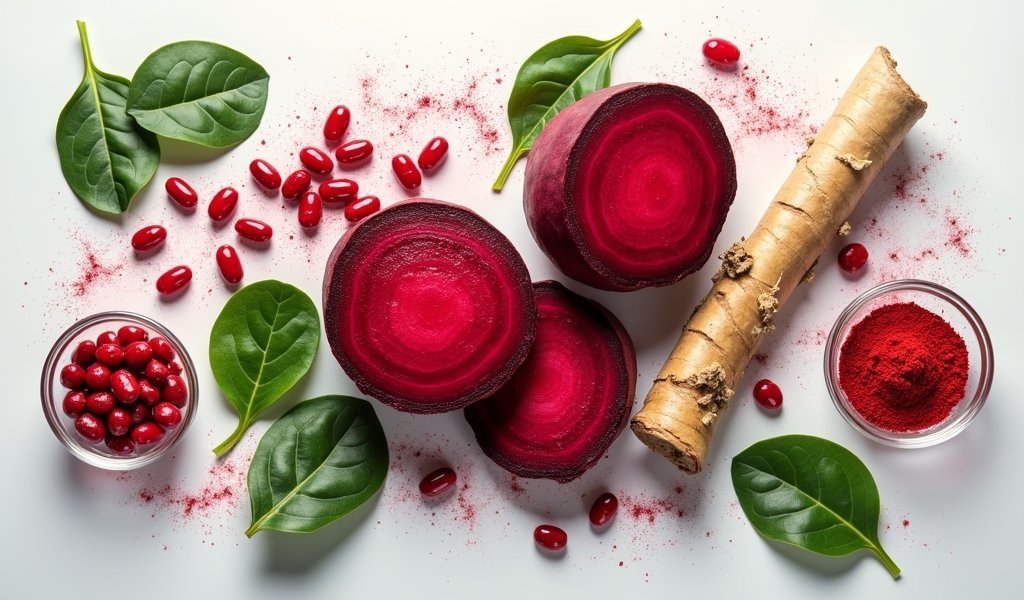
6. Beetroot Extract: The Circulation Improver
Beetroot extract has emerged as a star supplement for supporting circulation and oxygen delivery. Rich in nitrates, beetroot extract helps your body produce nitric oxide, a compound that relaxes blood vessels and improves blood flow. This translates to better oxygen delivery throughout your body and enhanced energy production at the cellular level.
Research on beetroot has been particularly impressive for its effects on exercise performance and stamina. Studies have demonstrated that beetroot supplementation can reduce the oxygen cost of exercise, essentially making physical activity more efficient and less fatiguing.
For those interested in supporting both exercise performance and general circulation, beetroot extract provides benefits that complement traditional blood-building nutrients like iron and B vitamins. Look for standardized extracts with consistent nitrate content for reliable results.
7. Hawthorn Berry: The Cardiovascular Supporter
Hawthorn berry has been used for centuries in traditional medicine systems to support cardiovascular health, which is intimately connected to blood health. This herb contains unique compounds that help dilate blood vessels, improve blood flow, and protect blood vessel integrity.
By supporting the cardiovascular system, hawthorn helps ensure that blood can circulate efficiently, delivering oxygen and nutrients to all tissues. Many people report improved energy levels and reduced fatigue when supplementing with hawthorn, likely due to these circulatory benefits.
When looking for a hawthorn supplement, seek out standardized extracts that specify their content of active compounds like flavonoids and oligomeric procyanidins. These are the components responsible for hawthorn’s beneficial effects on circulation and blood vessel health. Some liquid gold food supplements include hawthorn alongside other cardiovascular supporters for comprehensive benefits.
How to Choose the Right Blood Support Supplement
With so many options available, selecting the right blood support supplement can feel overwhelming. Here’s my practical advice for making the best choice for your specific needs:
- Get appropriate testing first: Before supplementing, especially with iron, have your levels checked through blood tests.
- Consider your specific symptoms: Different supplements address different aspects of blood health.
- Look for quality markers: Choose supplements with third-party testing, transparent ingredient lists, and bioavailable forms.
- Check for potential interactions: Some blood support supplements may interact with medications like blood thinners.
- Start with single ingredients: Try individual supplements before moving to combination products to identify what works best for you.
Remember that more isn’t always better when it comes to supplements. Sometimes, a targeted approach with just one or two key nutrients will be more effective than a kitchen-sink formula with dozens of ingredients in suboptimal amounts.
For those with specific health conditions like vitamin B6 deficiency, a P5P supplement might be more appropriate than a general blood support formula. Always consult with a healthcare provider for personalized recommendations.
Beyond Supplements: Lifestyle Factors for Optimal Blood Health
While supplements can be powerful tools for supporting blood health, they work best when combined with supportive lifestyle practices. Here are key factors that influence blood health:
- Diet: Include iron-rich foods (lean meats, legumes, dark leafy greens), vitamin C sources (citrus, berries, peppers), and B-vitamin foods (whole grains, eggs, nutritional yeast).
- Hydration: Proper fluid intake helps maintain blood volume and viscosity for optimal circulation.
- Physical activity: Regular exercise stimulates blood circulation and the production of new red blood cells.
- Sleep: Quality sleep is essential for cellular repair and regeneration, including blood cell production.
- Stress management: Chronic stress can negatively impact blood health through various physiological mechanisms.
I’ve found that patients who address these foundational aspects of health alongside targeted supplementation experience the most significant improvements in energy and vitality. Think of supplements as enhancers of an already solid foundation, rather than substitutes for healthy habits.
Conclusion: Investing in Your Blood Health
Supporting your blood health is one of the most direct ways to improve your energy, stamina, and overall vitality. The seven supplements we’ve explored—iron, vitamin B12, vitamin C, folate, vitamin K, beetroot extract, and hawthorn berry—each target different aspects of blood health and can be powerful allies in your wellness journey.
Remember that everyone’s body is unique, and what works brilliantly for one person might not be the perfect solution for another. Listen to your body, work with healthcare professionals when needed, and be patient as you implement changes. Blood health improvements don’t happen overnight, but consistent support can lead to remarkable transformations in how you feel day-to-day.
Whether you’re dealing with chronic fatigue, looking to enhance your athletic performance, or simply wanting to optimize your wellness as you age, giving attention to your blood health through targeted supplementation and lifestyle practices is a worthy investment in your quality of life.
Frequently Asked Questions
How quickly do blood support supplements work?
Most people notice initial improvements within 2-4 weeks, though significant changes may take 2-3 months. The timeline varies depending on your initial deficiency level and the specific supplement you’re taking.
Can I take multiple blood support supplements together?
Many blood support supplements work synergistically and can be taken together. However, always check with your healthcare provider first, especially if you’re taking medications or have existing health conditions.
Are blood support supplements safe during pregnancy?
Some blood support supplements like iron and folate are essential during pregnancy, while others may not be recommended. Always consult with your prenatal healthcare provider before taking any supplements during pregnancy.
How do I know if I have a blood-related deficiency?
Common signs include unusual fatigue, pale skin, dizziness, and shortness of breath. The most reliable way to identify deficiencies is through blood tests ordered by your healthcare provider.
Can diet alone provide enough blood support nutrients?
For many people, a varied, nutrient-rich diet can provide adequate blood support nutrients. However, certain populations (menstruating women, vegetarians/vegans, seniors) often benefit from targeted supplementation even with an excellent diet.