
Overview
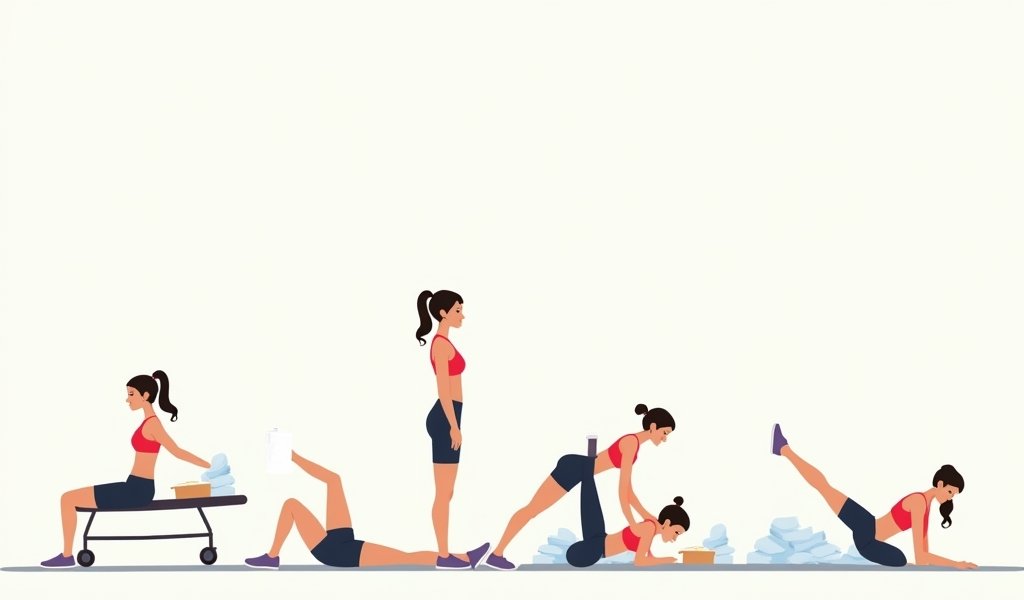
Turns out you can’t just “walk it off” after all! This article presents a five-step sports injury treatment process: immediate response using the POLICE protocol, appropriate rest and protection, managing inflammation, structured rehabilitation focusing on mobility and strength, and a graduated return to play—all while emphasizing the importance of prevention strategies and knowing when to seek professional help.
Table of Contents
- Understanding Sports Injuries: Types and Risk Factors
- Step 1: Immediate Response – The Critical First Minutes
- Step 2: Rest and Protection – Giving Your Body Time to Heal
- Step 3: Managing Inflammation and Pain
- Step 4: Rehabilitation – Rebuilding Strength and Mobility
- Step 5: Return to Play – A Graduated Approach
- Preventing Future Injuries: Your Long-Term Strategy
- When to Seek Professional Help
- Conclusion
- Frequently Asked Questions
Athletes push their bodies to the limit every day. Whether you’re a weekend warrior or a professional competitor, sports injuries are an unfortunate reality of an active lifestyle. As a sports medicine physician with over 15 years of experience, I’ve treated countless athletes through their injury journeys. The good news? Most sports injuries respond well to proper treatment, especially when addressed promptly and correctly.
This comprehensive guide walks you through the essential five-step sports injury treatment process that I recommend to all my patients. From the crucial moments right after injury to your triumphant return to play, we’ll cover everything you need to know to recover effectively and minimize downtime.
Understanding Sports Injuries: Types and Risk Factors
Before diving into treatment, it helps to understand what we’re dealing with. Sports injuries typically fall into two categories: acute injuries (sudden trauma) and overuse injuries (developing gradually).
Acute injuries include sprains, strains, fractures, and dislocations. These happen in an instant – that awkward landing from a jump, a collision with another player, or a sudden twist of a joint. You’ll know something’s wrong immediately, with symptoms like sudden pain, swelling, and limited mobility.
Overuse injuries, on the other hand, develop slowly over time. Tennis elbow, runner’s knee, shin splints, and heel pain after running are classic examples. These result from repetitive stress without adequate recovery time, causing microtrauma that accumulates until it becomes problematic.
Several factors increase your injury risk, including:
- Poor conditioning or technique
- Inadequate warm-up
- Training errors (too much, too soon)
- Equipment issues
- Previous injuries
- Anatomical factors (like flat feet or muscle imbalances)
According to research published in the Journal of Sports Medicine, nearly 8.6 million sports and recreation-related injuries occur annually in the United States alone. Understanding your personal risk factors is the first step in both treatment and prevention.
Step 1: Immediate Response – The Critical First Minutes
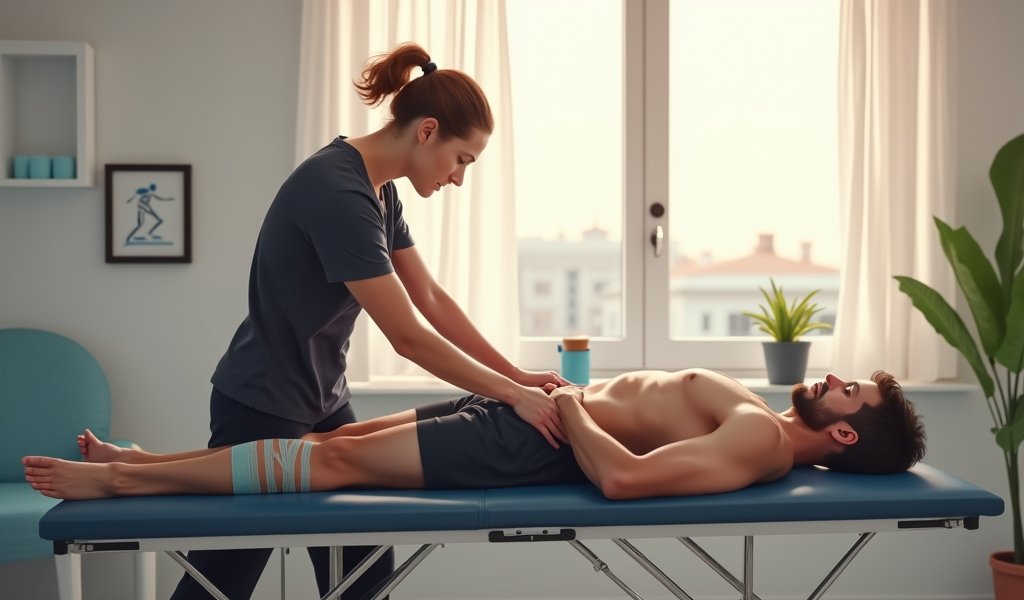
The actions you take immediately after injury can significantly influence your recovery timeline. In those critical first moments, remember the updated POLICE protocol (Protection, Optimal Loading, Ice, Compression, Elevation)—an evidence-based approach that has replaced the older RICE method.
Protection
Stop activity immediately to prevent further injury. Depending on the injury, you might need to protect the area with a splint, brace, or simply by avoiding weight-bearing. Trust your body here—continuing to “push through” pain typically makes things worse.
Optimal Loading
This newer component recognizes that some controlled movement early in recovery can be beneficial. Complete rest isn’t always best. For minor injuries, gentle movement within pain limits helps maintain strength and promotes healing.
Ice
Apply ice to the injured area for 15-20 minutes every 2-3 hours during the first 24-48 hours. Always place a thin towel between ice and skin to prevent cold injuries. Ice helps reduce pain and limits internal bleeding and swelling by constricting blood vessels.
Compression
Use an elastic bandage to provide gentle, even compression to the injured area. This helps minimize swelling by preventing excess fluid accumulation. Make sure it’s snug but not tight enough to restrict circulation—if you experience numbness, tingling, or increased pain, loosen it immediately.
Elevation
Raise the injured area above heart level when possible. For lower limb injuries, simply lying down with the injured leg propped on pillows works well. This uses gravity to help drain excess fluid and reduce swelling.
Dr. Marcia Thompson, head of sports medicine at University Medical Center, emphasizes: “The first 24-48 hours following injury are crucial. Proper immediate care can potentially reduce recovery time by 30-40%.” Those initial actions set the stage for everything that follows.
Step 2: Rest and Protection – Giving Your Body Time to Heal
After addressing the immediate response, the next step focuses on allowing your body to begin the healing process. But here’s where many athletes go wrong—”rest” doesn’t necessarily mean complete inactivity.
Modern sports medicine has moved away from prolonged immobilization except for certain injuries (like fractures). Research from the Journal of Orthopaedic & Sports Physical Therapy shows that early, appropriate movement can actually accelerate recovery.
The concept of “relative rest” is key. This means avoiding activities that stress the injured area while maintaining fitness through alternative exercises. For example, a runner with a knee injury might maintain cardiovascular fitness through swimming or upper body circuits.
Proper protection during this phase might include:
- Braces, splints, or supportive taping
- Using crutches or a walking boot for lower extremity injuries
- Activity modification based on pain response
- Wearing supportive socks for foot pain if applicable
For most soft-tissue injuries (strains, sprains), this protective phase lasts 3-7 days, but varies widely based on injury severity. Your body will give you feedback—sharp or increasing pain is a signal to back off, while mild discomfort during controlled movement is often acceptable.
I often tell my patients to think of healing like building a house—the foundation needs time to set before you start adding weight. Rush this phase, and you risk turning a minor setback into a season-ending injury.
Step 3: Managing Inflammation and Pain
Inflammation is your body’s natural response to injury—it’s part of the healing process, bringing increased blood flow and healing factors to the damaged tissue. However, excessive or prolonged inflammation can delay recovery and cause unnecessary pain.
Finding the right balance is crucial. Here’s how to manage inflammation effectively:
Medication Options
Non-steroidal anti-inflammatory drugs (NSAIDs) like ibuprofen or naproxen can help control inflammation and pain. However, emerging research suggests limiting their use to the first 48-72 hours post-injury, as long-term use might actually impair certain aspects of healing.
Acetaminophen (Tylenol) provides pain relief without affecting the inflammatory process, making it a good alternative for longer-term pain management.
Always consult with your healthcare provider before starting any medication regimen, especially if you have existing health conditions or take other medications.
Natural Anti-Inflammatory Approaches
Several evidence-based natural methods can complement or sometimes replace pharmaceutical options:
- Turmeric/curcumin supplements have shown promise in clinical studies for reducing inflammation
- Omega-3 fatty acids found in fish oil have natural anti-inflammatory properties
- Tart cherry juice has been shown to reduce muscle pain and inflammation in athletes
- Proper hydration and an anti-inflammatory diet rich in colorful fruits and vegetables
Cold and Heat Therapy
After the initial 48-72 hours, you can alternate between cold and heat therapy:
Cold therapy (15-20 minutes every few hours) continues to help with pain relief and reduces inflammation.
Heat therapy (15-20 minutes) increases blood flow to the area, bringing nutrients and removing waste products. It’s particularly helpful before gentle rehabilitation exercises.
This pain management phase overlaps with both protection and the beginning of rehabilitation. Getting inflammation under control creates the optimal environment for healing while allowing you to progress to more active recovery strategies.
Step 4: Rehabilitation – Rebuilding Strength and Mobility
Once acute pain and swelling are under control, it’s time to focus on rehabilitation—the phase where you gradually restore function to the injured area. This is when patients who’ve been dealing with issues like pain after rotator cuff surgery also see significant improvement.
A well-structured rehab program follows a logical progression:
Restore Range of Motion
Begin with gentle stretching and mobility exercises within pain-free ranges. Gradually increase the range as comfort allows. For many injuries, regaining full motion is the first rehabilitation goal.
Techniques might include:
- Gentle stretching (held for 20-30 seconds)
- Joint mobilizations
- Movement with minimal resistance
Rebuild Strength
Once basic motion is restored, begin strengthening exercises. Start with isometric (static) contractions, then progress to exercises with light resistance, gradually increasing weight and complexity.
Focus not just on the injured area but also on supporting muscle groups. For instance, with a knee injury, strengthen not only the quadriceps and hamstrings but also the hip and core muscles that influence knee mechanics.
Restore Proprioception and Balance
Injuries often damage the body’s position sense (proprioception). Balance exercises help rewire these neural pathways, reducing re-injury risk. These might include:
- Single-leg standing (progressing from eyes open to eyes closed)
- Balance board or wobble cushion exercises
- Reactionary balance challenges
Sport-Specific Functional Training
The final rehabilitation phase involves movements that mimic your sport’s demands. This bridges the gap between clinical exercises and return to play.
For example, a basketball player recovering from an ankle sprain would progress from straight-line jogging to cutting, pivoting, and jumping drills before returning to practice.
Throughout rehabilitation, pain should be your guide—some discomfort is normal, but sharp pain is a signal to adjust. A good rule of thumb: if pain during activity exceeds 3/10 on a pain scale, modify the exercise. If pain increases after exercise or persists into the next day, you’ve likely done too much.
Step 5: Return to Play – A Graduated Approach
Determining when you’re ready to return to your sport is perhaps the most crucial decision in the injury recovery process. Return too soon, and you risk re-injury; wait too long, and you might lose confidence or conditioning.
A safe return to play requires meeting several objective criteria:
- Full or near-full pain-free range of motion
- Strength at least 90% of the uninjured side (for unilateral injuries)
- Successful completion of sport-specific functional tests
- Psychological readiness and confidence in the injured area
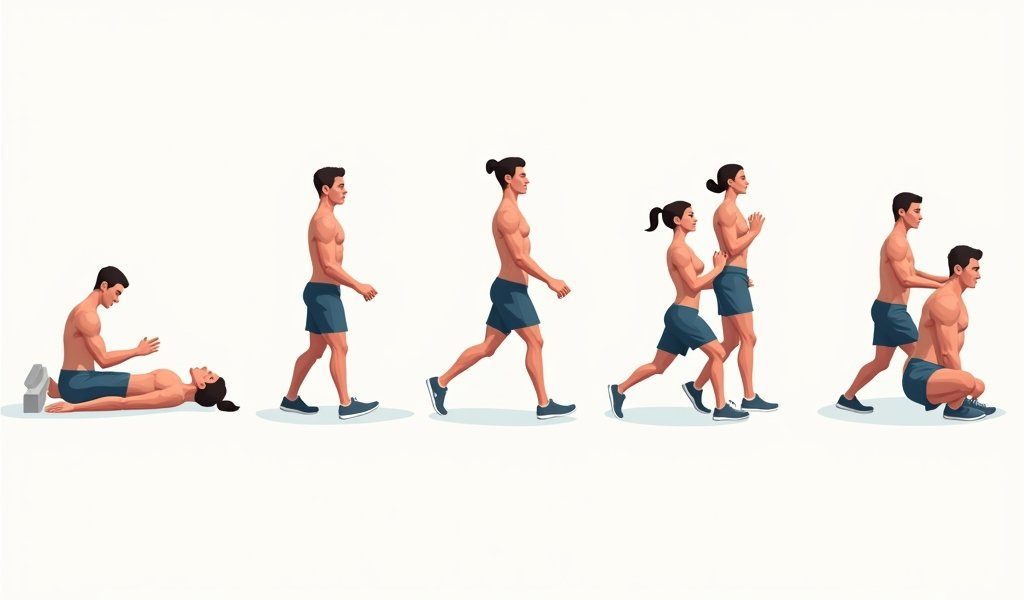
Rather than jumping straight back into competition, follow this graduated approach:
Phase 1: Practice Integration
Begin with controlled practice environments. Participate in non-contact portions of team practices or at reduced intensity (50-70% effort). Limit duration to shorter than normal sessions, gradually extending time as confidence builds.
Phase 2: Full Practice Participation
Progress to full practice including contact drills if applicable. Your performance should be evaluated by coaches and medical staff. Focus on technique and form rather than maximum performance.
Phase 3: Limited Competition
Return to competition with modified playing time. For team sports, this might mean starting with 15-20 minutes of play. For endurance athletes, this could be a shorter race or reduced pace.
Phase 4: Full Return
Resume normal training and competition when you can perform without pain or compensation patterns, and when performance metrics approach pre-injury levels.
Throughout this process, monitor for warning signs that might indicate you’re not quite ready: pain that returns or worsens, swelling after activity, feelings of instability, or compensation patterns where other body parts work harder to protect the injured area.
According to research published in the Journal of Sports Sciences, athletes who follow a structured, criteria-based return-to-play protocol have significantly lower re-injury rates than those who return based solely on time elapsed or subjective feelings.
Preventing Future Injuries: Your Long-Term Strategy
Once you’ve successfully returned to your sport, shift your focus to prevention. Having one injury increases your risk for another, but thoughtful prevention strategies can break this cycle.
Implement these evidence-based strategies:
Address the Root Cause
Identify and correct the factors that contributed to your original injury. This might include:
- Improving movement patterns or technique
- Correcting muscle imbalances or flexibility issues
- Modifying training methods
- Upgrading equipment or playing surfaces
Implement a Maintenance Program
Continue with key exercises from your rehabilitation program as ongoing “prehabilitation.” These exercises target vulnerable areas before problems develop. Consistency is key—even 10-15 minutes, 2-3 times weekly can make a significant difference.
Optimize Recovery Practices
Recovery is when your body adapts and strengthens. Prioritize:
- Quality sleep (7-9 hours for most athletes)
- Proper nutrition, especially adequate protein and micronutrients
- Stress management techniques
- Appropriate training periodization with planned recovery periods
Listen to Your Body
Develop body awareness to differentiate between normal training discomfort and early warning signs of injury. Minor symptoms addressed early often prevent major problems later.
When to Seek Professional Help
While many minor sports injuries respond well to self-treatment, certain situations warrant professional medical attention. Don’t delay seeking help if you experience:
- Severe pain, swelling, or inability to bear weight
- Joint instability or locking sensations
- Numbness, tingling, or weakness
- No improvement after 3-5 days of home treatment
- Uncertainty about the type or severity of injury
The right healthcare professional depends on your injury. Options include:
- Sports medicine physicians for comprehensive care and treatment planning
- Physical therapists for guided rehabilitation and hands-on techniques
- Athletic trainers for on-field assessment and return-to-play guidance
- Orthopedic surgeons for injuries potentially requiring surgical intervention
Many athletes benefit from assembling a care team rather than relying on a single provider. This collaborative approach ensures all aspects of your recovery are addressed.
Conclusion
The road from injury to full recovery isn’t always straightforward, but following this five-step sports injury treatment process provides a clear path forward. From those critical first moments through your triumphant return to play, each phase builds upon the last to create optimal healing conditions.
Remember that each injury and each athlete is unique. Use this framework as a guide, but be willing to adjust based on your body’s response and professional advice. The most successful recoveries come from blending evidence-based principles with personalized approaches.
By respecting the healing process and giving your body what it needs at each stage, you’ll not only recover from your current injury but also build resilience against future problems. Stay patient, stay positive, and remember that setbacks are often just setups for comebacks.
Here’s to your health, performance, and continued success in your athletic endeavors!
Frequently Asked Questions
How long should I ice an injury?
Apply ice for 15-20 minutes at a time, every 2-3 hours during the first 48 hours after injury. Always use a thin cloth between ice and skin to prevent frostbite.
Should I take anti-inflammatory medications for my sports injury?
NSAIDs can help manage pain and inflammation in the first 72 hours after injury. After this initial period, use them sparingly as they may potentially slow certain healing processes.
When can I start exercising after an injury?
Begin gentle, pain-free movement once acute swelling subsides, usually 3-7 days after injury. Progressive loading should be guided by pain response—if it increases pain, modify or reduce the activity.
Do I need to see a doctor for my sports injury?
Seek medical attention for severe pain, inability to bear weight, visible deformity, or if symptoms don’t improve within 3-5 days. When in doubt, it’s better to get professional assessment.
How can I prevent re-injuring myself when returning to sports?
Follow a gradual return-to-play protocol, ensuring you’ve regained at least 90% of your strength and full range of motion. Continue with maintenance exercises targeting the previously injured area even after full recovery.