
Overview
Ever wonder what your 20-pound food baby actually looks like? This article explains that 20 pounds of fat equals approximately 88 sticks of butter or 4-5 gallons in volume, detailing how this excess weight affects health (adding 140 miles of blood vessels and 80 pounds of pressure on knees), where fat typically accumulates based on gender and genetics, and provides practical guidance for losing and maintaining a 20-pound weight loss through sustainable nutrition, exercise, and lifestyle changes.
Table of Contents
- Understanding Body Fat: What It Is and Why It Matters
- Visual Representation: What 20 Pounds of Fat Actually Looks Like
- Health Implications of Carrying 20 Extra Pounds
- Where Does Fat Accumulate on the Body?
- Losing 20 Pounds: What to Expect
- Healthy Ways to Lose 20 Pounds
- Maintaining Weight Loss: Beyond the 20-Pound Mark
- Conclusion
- Frequently Asked Questions
Understanding Body Fat: What It Is and Why It Matters
When we talk about what does 20 lbs of fat look like, we first need to understand what body fat actually is. Body fat isn’t just the enemy many people make it out to be—it’s an essential component of a healthy body. Fat serves numerous crucial functions, from insulating our organs to storing energy and regulating hormones.
Fat tissue (or adipose tissue) consists of adipocytes, specialized cells that store energy in the form of triglycerides. Each pound of fat contains approximately 3,500 calories of stored energy. This remarkable energy storage system helped our ancestors survive food shortages, but in today’s world of abundant calories, this efficiency can lead to excess weight gain.
There are two main types of fat in the human body: subcutaneous and visceral. Subcutaneous fat lies just beneath the skin and is what you can pinch with your fingers. Visceral fat, on the other hand, surrounds your internal organs and is associated with higher health risks when present in excessive amounts.
The average adult body contains between 15-30% body fat for men and 25-40% for women, percentages that are physiologically normal and healthy. Women naturally maintain higher body fat percentages because of reproductive needs. These differences highlight why personalized approaches to weight management are so important—what’s healthy varies significantly from person to person.
According to Harvard School of Public Health, body fat percentage rather than just weight provides a more accurate picture of health. This perspective helps us understand why two people weighing the same can look completely different physically.
Visual Representation: What 20 Pounds of Fat Actually Looks Like
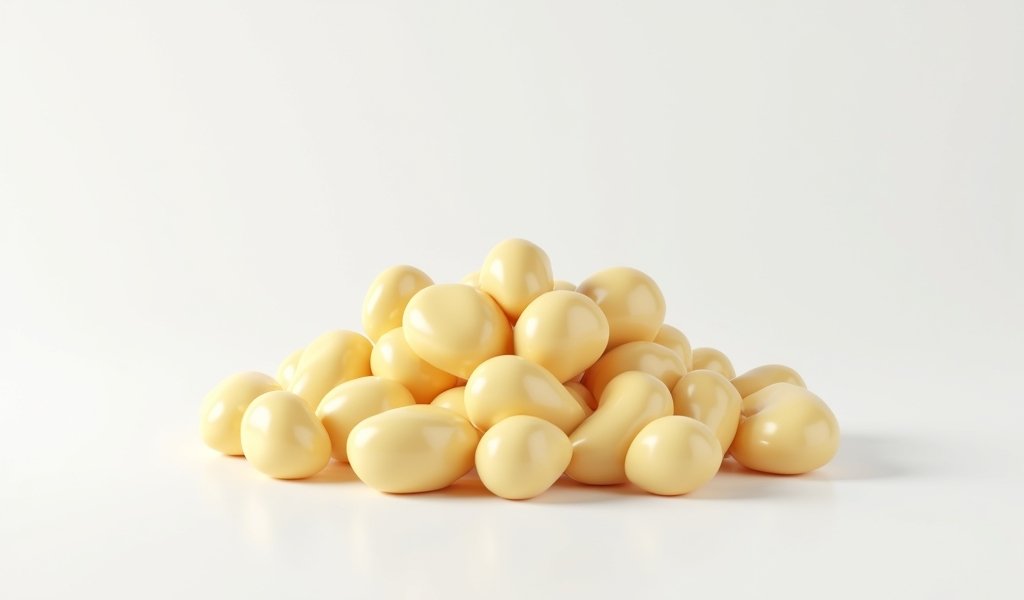
Visualizing 20 pounds of fat can be challenging but incredibly enlightening. If we were to extract 20 pounds of pure body fat, it would occupy approximately the volume of 20 one-pound butter packages or about 88 sticks of butter. Another helpful visualization is that 20 pounds of fat would fill roughly 4 to 5 gallon-sized containers.
The density of fat makes it more voluminous than muscle. While 20 pounds of muscle is compact and firm, the same weight in fat spreads over a significantly larger area. This explains why losing 20 pounds of fat makes such a visible difference in appearance, even though the scale shows the same numerical change as gaining 20 pounds of muscle.
Medical professionals often use visual aids like anatomical fat models to help patients understand the impact of weight changes. These models provide a tangible representation that numbers alone cannot convey.
When examining before-and-after photos of individuals who have lost 20 pounds, the transformation is often striking. Common visual changes include a more defined jawline, less fullness in the face, a trimmer waistline, and more visible muscle definition in the arms and legs.

Health Implications of Carrying 20 Extra Pounds
The impact of carrying an additional 20 pounds extends far beyond appearance. This extra weight places significant stress on your body systems, particularly your cardiovascular and musculoskeletal systems. Research from the Centers for Disease Control and Prevention indicates that even modest weight gain increases risk factors for numerous health conditions.
Your heart works harder when you carry extra weight. For every pound of fat gained, your body creates approximately seven miles of additional blood vessels to supply that tissue with oxygen and nutrients. This means 20 extra pounds requires your heart to pump blood through an additional 140 miles of blood vessels—a substantial increase in workload.
Joint pressure increases dramatically with weight gain. Studies show that each pound of body weight translates to four pounds of pressure on your knees when walking. This means 20 extra pounds creates 80 additional pounds of pressure on your knee joints with each step, potentially accelerating joint deterioration and increasing arthritis risk.
Metabolic health markers like blood glucose, cholesterol, and blood pressure are significantly affected by carrying extra weight. Research published in the Journal of Clinical Endocrinology & Metabolism found that losing just 5-10% of body weight (10-20 pounds for a 200-pound person) can:
- Lower blood pressure by 5 mmHg or more
- Reduce LDL cholesterol by 5-10 points
- Improve insulin sensitivity by 30% or more
- Decrease inflammation markers throughout the body
Sleep quality suffers with excess weight, particularly when fat accumulates around the neck and abdomen. This often leads to sleep apnea and other sleep disturbances, creating a vicious cycle as poor sleep further disrupts hormones that regulate hunger and metabolism.
Where Does Fat Accumulate on the Body?
The distribution of 20 pounds of excess fat varies significantly between individuals, primarily due to genetics, hormones, age, and biological sex. This distribution pattern matters tremendously for both health risks and visual appearance.
Women tend to store fat in a gynoid (pear-shaped) pattern, with fat accumulating in the hips, thighs, and buttocks. This pattern, while sometimes frustrating from an aesthetic perspective, actually poses lower health risks than abdominal fat. Estrogen plays a key role in directing fat to these areas.
Men typically develop an android (apple-shaped) fat distribution pattern, with fat concentrating around the abdomen and upper body. This pattern, influenced by testosterone, carries higher health risks when excessive. Visceral fat that accumulates around organs produces inflammatory compounds and hormones that negatively impact metabolism.
Age significantly impacts where we store fat. As we grow older, hormonal changes often lead to increased abdominal fat storage even if overall weight remains stable. This explains why maintaining the same weight doesn’t necessarily mean maintaining the same body composition throughout life.
Different fat distribution patterns create distinct visual appearances even at identical weights. Two people can both carry an extra 20 pounds, yet one might show it primarily in the face and abdomen while another carries it more evenly distributed or primarily in the lower body.
Stress levels influence fat storage locations through the hormone cortisol. Chronic stress promotes abdominal fat storage specifically, which is why stress management becomes an important component of healthy weight maintenance.
Losing 20 Pounds: What to Expect
When you embark on a journey to lose 20 pounds of fat, understanding the timeline and process helps set realistic expectations. A healthy, sustainable rate of fat loss typically ranges from 1-2 pounds per week, meaning 20 pounds might take 10-20 weeks to lose properly.
The visual changes from losing 20 pounds aren’t always linear or predictable. Many people notice facial changes first, with cheeks, jawline, and neck becoming more defined even before significant changes elsewhere. This occurs because facial fat is often more metabolically active than fat in other areas.
The “paper towel effect” explains why the same pound of fat loss becomes more visually apparent as you get leaner. Just as removing sheets from a full paper towel roll isn’t noticeable at first but becomes increasingly obvious as the roll diminishes, losing 5 pounds when you have 50 to lose shows less visibly than losing 5 pounds when you have only 20 to lose.
Body measurements often reflect progress more accurately than the scale. A loss of 20 pounds typically corresponds to:
- 2-4 inches from the waist
- 1-3 inches from the hips
- 1-2 inches from each thigh
- Noticeable reductions in arm and neck circumference
Clothing sizes typically drop 1-2 sizes with a 20-pound fat loss, though this varies by brand and body proportions. Many people find they need to replace their wardrobe after losing this amount of weight, particularly items that fit closely like jeans and structured garments.
Healthy Ways to Lose 20 Pounds
Losing 20 pounds of fat requires a comprehensive approach that creates a sustainable calorie deficit while preserving muscle mass and metabolic health. The foundation of any successful weight loss plan combines nutrition, physical activity, and lifestyle changes.
Creating a moderate calorie deficit of 500-750 calories per day leads to a weight loss rate of 1-1.5 pounds weekly. This approach prevents the metabolic adaptation and muscle loss that often occurs with more aggressive deficits. Track your intake using a food diary or app initially to understand your baseline consumption.
Focus on protein intake when reducing calories. Research published in The American Journal of Clinical Nutrition shows that higher protein diets (around 25-30% of calories) during weight loss help preserve lean muscle mass and keep metabolism higher. Aim for 0.8-1 gram of protein per pound of target body weight.
Incorporate strength training 2-3 times weekly to maintain muscle mass while losing fat. Muscle tissue is metabolically active, burning more calories at rest than fat tissue does. Simple bodyweight exercises like squats, push-ups, and lunges can be effective without requiring specialized equipment.
Include regular cardiovascular exercise that you enjoy and will maintain consistently. Studies show that combining strength training with cardio produces better fat loss results than either approach alone. Find activities that feel sustainable—walking, cycling, swimming, or dance classes all provide benefits.
Prioritize sleep quality when trying to lose fat. Sleep deprivation increases hunger hormones and decreases willpower, making dietary adherence much more challenging. Aim for 7-9 hours of quality sleep nightly.
Manage stress levels through practices like meditation, yoga, or simply spending time in nature. Chronic stress elevates cortisol, which promotes fat storage, particularly around the abdomen. Even brief daily relaxation practices show benefits for weight management.
Stay hydrated throughout your weight loss journey. Sometimes thirst signals get misinterpreted as hunger, and drinking water before meals naturally reduces calorie intake. A study in the Journal of Clinical Endocrinology & Metabolism found that drinking 500ml of water increased metabolic rate by 30% for about an hour.
Maintaining Weight Loss: Beyond the 20-Pound Mark
Reaching your 20-pound weight loss goal represents a significant achievement, but maintaining this new weight presents its own distinct challenges. Research from the National Weight Control Registry shows that successful maintenance requires consistent habits, not short-term interventions.
Most successful weight loss maintainers continue monitoring their intake in some form, whether through occasional food tracking, regular weigh-ins, or consistent portion control strategies. This ongoing awareness prevents the gradual calorie creep that often leads to weight regain.
Physical activity becomes even more crucial during maintenance. While weight loss can occur primarily through dietary changes, maintaining that loss typically requires regular exercise. The registry mentioned above found that most successful maintainers engage in about 60 minutes of moderate activity daily.
Establish clear “guardrails” for your weight—specific upper and lower boundaries that trigger action if crossed. For example, if you regain 3-5 pounds, immediately return to more structured eating patterns rather than allowing further gain. This prevents small regains from becoming complete reversals.
Build a supportive social environment that reinforces your healthy habits. Research consistently shows that our behaviors align with those of our social circles. Surrounding yourself with people who support your health goals significantly improves long-term success rates.
Remember that your body has adapted to your previous higher weight and may actively work to return to it through hormonal and metabolic changes. Understanding this biological reality helps explain why maintenance requires ongoing effort and isn’t simply a matter of willpower.
Practice flexible restraint rather than rigid dietary rules. Studies show that those who maintain weight loss long-term typically have a flexible approach that accommodates occasional indulgences while maintaining healthy patterns most of the time.
Conclusion
Understanding what 20 lbs of fat looks like provides valuable perspective on your weight management journey. This visual knowledge helps transform abstract numbers into meaningful health goals. The reality is that 20 pounds of excess fat significantly impacts your body, affecting everything from your cardiovascular health to your joint function.
Whether you’re working to lose 20 pounds or have already achieved this goal, recognizing the substantial volume this weight represents reinforces the significance of your efforts. Each pound lost represents real improvements in your health markers and physical comfort.
Remember that healthy, sustainable weight management is highly individualized. The distribution of fat, the timeline for loss, and the strategies that work best vary from person to person. Focus on approaches that support your overall health rather than pursuing rapid changes.
By combining nutritious eating patterns, regular physical activity, stress management, and proper sleep, you create the foundation not just for losing 20 pounds but for maintaining a healthy weight for life. This comprehensive approach addresses the root causes of weight gain rather than just the symptoms.
As you progress on your health journey, celebrate non-scale victories like improved energy, better sleep quality, and enhanced mobility. These meaningful changes often matter more to quality of life than the number on the scale.
Frequently Asked Questions
How big is 20 pounds of fat?
Twenty pounds of fat occupies approximately the volume of 20 one-pound butter packages or about 4-5 gallons. It’s substantially larger than 20 pounds of muscle due to fat’s lower density.
How long does it typically take to lose 20 pounds?
At a healthy rate of 1-2 pounds per week, losing 20 pounds typically takes 10-20 weeks. This timeline promotes sustainable fat loss while minimizing muscle loss.
Will I need new clothes after losing 20 pounds?
Most people drop 1-2 clothing sizes after losing 20 pounds of fat. You’ll likely need to replace items that fit closely, like jeans and structured garments.
Where will I lose fat first when losing weight?
Fat loss patterns are highly individual and influenced by genetics, hormones, and age. Many people notice facial changes first, followed by the abdomen and other areas where fat accumulated most recently.
Can I lose 20 pounds without exercise?
Yes, weight loss can occur through calorie reduction alone. However, including exercise preserves muscle mass, improves body composition, and significantly increases the likelihood of maintaining your weight loss long-term.