
Overview
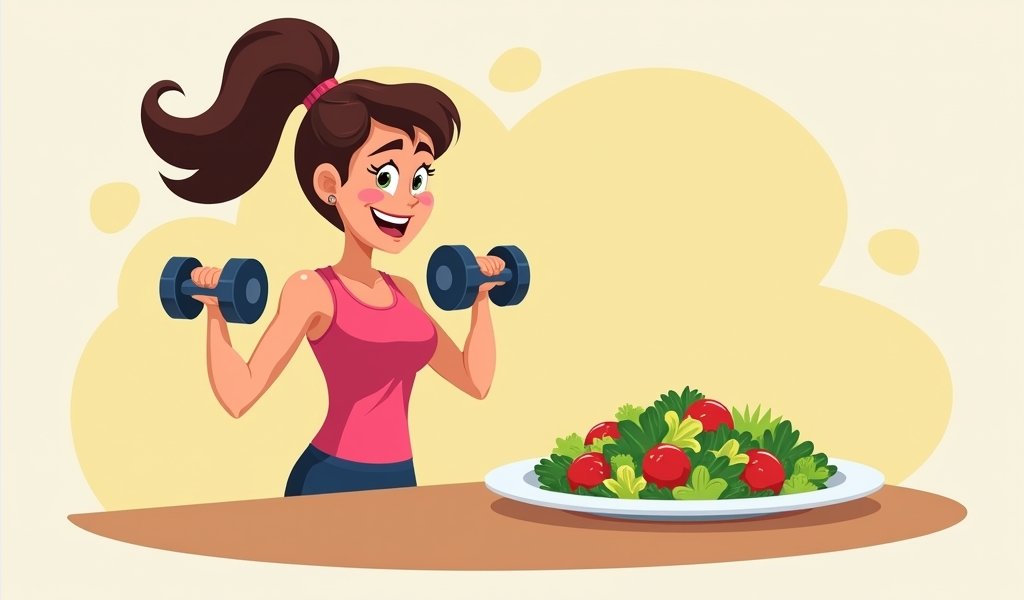
This article is like that ambitious friend who thinks they can build IKEA furniture without instructions—surprisingly, they might actually succeed! It outlines a structured approach to losing 15 pounds in 30 days through creating a caloric deficit, following a protein-rich diet, implementing strategic exercise combining strength training with HIIT, prioritizing sleep and stress management, and tracking progress beyond scale measurements while avoiding common pitfalls that derail weight loss efforts.
Table of Contents
- Understanding the Challenge: Is Losing 15 lbs in 30 Days Realistic?
- Creating a Caloric Deficit: The Foundation of Weight Loss
- Nutrition Strategy: What to Eat for Effective Weight Loss
- Exercise Plan: Maximizing Fat Loss Through Movement
- Sleep and Stress: The Hidden Weight Loss Factors
- Tracking Progress: Measurements Beyond the Scale
- Avoiding Common Pitfalls: Why People Fail to Lose Weight
- Sample Meal Plan for Maximum Results
- Conclusion: Your Sustainable Path Forward
- Frequently Asked Questions
Understanding the Challenge: Is Losing 15 lbs in 30 Days Realistic?
If you’re wondering how to lose 15 lbs in 30 days, you’re embarking on an ambitious but potentially achievable goal. As a health professional, I should clarify that a healthy rate of weight loss typically ranges from 1-2 pounds per week, making 15 pounds in a month at the upper limit of what’s considered healthy for most people. Your starting weight, current lifestyle, and individual metabolism will significantly influence your results.
The science of weight loss fundamentally comes down to creating an energy deficit – burning more calories than you consume. To lose 15 pounds in 30 days, you’ll need to create a daily deficit of approximately 1,750 calories, which requires a strategic combination of dietary changes, exercise, and lifestyle modifications.
Before diving in, it’s important to understand that rapid weight loss isn’t suitable for everyone. Those with certain medical conditions, pregnant or breastfeeding women, or individuals with a history of disordered eating should consult with a healthcare provider before attempting this rate of weight loss. Safety always comes first.
What makes this approach different from fad diets is our focus on sustainable methods that preserve muscle mass while primarily targeting fat loss. Research consistently shows that preserving lean muscle is crucial for long-term weight management and metabolic health.
Creating a Caloric Deficit: The Foundation of Weight Loss
The cornerstone of how to lose 15 lbs is creating and maintaining a caloric deficit. This isn’t about starving yourself but rather understanding your energy needs and making strategic adjustments. First, you’ll need to calculate your Total Daily Energy Expenditure (TDEE) – the total number of calories your body burns daily based on your age, gender, weight, height, and activity level.
Once you know your TDEE, you can create a deficit through a combination of reducing caloric intake and increasing physical activity. For sustainable results, I recommend aiming for a 500-750 calorie reduction from diet and burning an additional 500-750 calories through exercise daily. This balanced approach helps prevent the metabolic slowdown that often accompanies severe calorie restriction.
For most people, this means consuming between 1,200-1,800 calories daily, depending on your starting point. Going below 1,200 calories is rarely recommended as it makes getting adequate nutrition challenging and can trigger metabolic adaptations that ultimately sabotage your efforts. Following a structured 1700 calorie diet plan can provide sufficient energy while still creating the necessary deficit for weight loss.
Remember that your body will fight against drastic calorie cuts. Studies have demonstrated that extreme calorie restriction can reduce your metabolic rate, making weight loss progressively more difficult. A moderate deficit is both more effective and more sustainable.

Nutrition Strategy: What to Eat for Effective Weight Loss
When figuring out how to lose 15 lbs effectively, nutrition is your most powerful tool. While calorie counting matters, food quality is equally important. Focus on nutrient-dense whole foods that provide maximum nutritional value for their calories – these foods keep you fuller longer while supporting your body’s functions during weight loss.
Protein should be the cornerstone of your nutrition plan. Aim for 0.8-1 gram of protein per pound of target body weight daily. A high protein diet plan helps preserve muscle mass during weight loss, increases satiety, and has a higher thermic effect than other macronutrients – meaning your body burns more calories digesting protein.
Complex carbohydrates should come primarily from vegetables, with moderate amounts of fruits and whole grains. These provide necessary fiber and micronutrients while helping you feel satisfied. Limit refined carbohydrates like white bread, pasta, and sugar, which can spike insulin and trigger hunger.
Include healthy fats from sources like avocados, nuts, seeds, and olive oil. Despite their caloric density, healthy fats are crucial for hormone production and nutrient absorption. They also add flavor and satiety to meals, making your diet more sustainable.
Hydration plays a surprisingly important role in weight loss. Drink at least 64 ounces of water daily, and consider having 16 ounces before meals. Research suggests that proper hydration can boost metabolism by up to 30% and reduce appetite, particularly when consumed before eating.
Foods to Emphasize
- Lean proteins: chicken, turkey, fish, lean beef, tofu, legumes
- Non-starchy vegetables: leafy greens, broccoli, cauliflower, peppers, zucchini
- Limited fruits: berries, apples, citrus
- Healthy fats: avocado, olive oil, nuts, seeds
- Complex carbs: sweet potatoes, quinoa, brown rice (in moderation)
Foods to Minimize
- Refined carbohydrates: white bread, pasta, rice
- Added sugars: candy, soda, baked goods
- Processed foods: packaged snacks, frozen meals
- Alcohol: reduces fat burning and increases appetite
- Fried foods: high in calories and inflammatory oils
Exercise Plan: Maximizing Fat Loss Through Movement
While nutrition creates the foundation for weight loss, exercise accelerates your results and improves body composition. To effectively lose 15 lbs in 30 days, you’ll need a strategic approach that combines different exercise modalities for maximum calorie burn and metabolic boost.
Strength training should be your priority, not an afterthought. Aim for at least three full-body resistance training sessions per week. Building and maintaining muscle mass increases your metabolic rate, meaning you’ll burn more calories even at rest. Focus on compound movements like squats, deadlifts, pushups, and rows that engage multiple muscle groups simultaneously.
High-Intensity Interval Training (HIIT) delivers maximum results in minimal time. These workouts alternate between intense effort periods (30-60 seconds) and brief recovery periods, creating an “afterburn effect” where your body continues burning calories for hours after exercising. Following a structured HIIT workout plan can significantly enhance your fat-burning potential.
Don’t overlook the importance of daily activity beyond formal exercise. Non-Exercise Activity Thermogenesis (NEAT) refers to calories burned through regular movement like walking, cleaning, or taking the stairs. This can account for a significant portion of your daily energy expenditure. Aim for at least 7,000-10,000 steps daily in addition to your workouts.
For optimal results, structure your weekly exercise routine like this:
- Monday: Full-body strength training (45 minutes) + 20-minute brisk walk
- Tuesday: 30-minute HIIT session + 10,000 steps throughout the day
- Wednesday: Full-body strength training (45 minutes) + 20-minute brisk walk
- Thursday: 30-minute HIIT session + light yoga for recovery (20 minutes)
- Friday: Full-body strength training (45 minutes) + 20-minute brisk walk
- Saturday: Longer steady-state cardio session (60 minutes) like hiking or cycling
- Sunday: Active recovery with walking and light stretching
Remember that exercise intensity matters more than duration. Research has shown that higher-intensity workouts produce superior fat loss compared to longer, moderate-intensity sessions.
Sleep and Stress: The Hidden Weight Loss Factors
When figuring out how to lose 15 lbs, most people focus exclusively on diet and exercise. However, sleep and stress management can make or break your weight loss results. These factors directly impact your hormones, appetite regulation, and even your willpower to stick with your plan.
Aim for 7-9 hours of quality sleep each night. Sleep deprivation disrupts the balance of hunger hormones leptin and ghrelin, increasing appetite and cravings for high-calorie foods. Additionally, poor sleep raises cortisol levels, which promotes fat storage, particularly around the midsection. Create a consistent sleep schedule and optimize your bedroom environment by keeping it cool, dark, and free from electronic distractions.
Chronic stress is another major obstacle to weight loss. When stressed, your body releases cortisol, which can increase appetite, reduce willpower, and signal your body to store fat. Incorporate daily stress-reduction techniques such as meditation, deep breathing exercises, or gentle yoga. Even five minutes of mindfulness practice can help regulate your body’s stress response.
Consider using a technique called “stress inoculation” before potentially challenging situations. By mentally rehearsing how you’ll handle temptations or obstacles, you’ll be better equipped to navigate them without abandoning your goals. Remember that perfect adherence isn’t required for success – consistency matters more than perfection.

Tracking Progress: Measurements Beyond the Scale
When learning how to lose 15 lbs effectively, proper tracking becomes your feedback system. While the scale provides one measurement, it doesn’t tell the complete story of your body composition changes. Water fluctuations, muscle gain, and other factors can mask fat loss when only measuring weight.
Take weekly body measurements of your waist, hips, thighs, and chest/bust. Often, inches are lost even when the scale hasn’t budged, particularly if you’re gaining muscle while losing fat. Record these measurements in a journal or app to visualize trends over time. Progress photos taken weekly under the same lighting conditions also provide visual evidence of changes that might be difficult to notice day to day.
Track your physical performance improvements as well. Can you do more pushups than when you started? Are you lifting heavier weights? Is your recovery between sets faster? These functional improvements are meaningful indicators of positive physiological changes occurring in your body.
Pay attention to non-scale victories too: better sleep quality, increased energy levels, improved mood, clothes fitting differently, and reduced cravings. These changes signify important health improvements beyond simple weight reduction. Keep a journal of these wins to maintain motivation during plateaus.
Consider using a smart scale that measures body fat percentage, though remember these consumer devices have significant margins of error. The trend over time matters more than any single measurement. For the most accurate assessment, take all measurements and weigh yourself under consistent conditions – ideally first thing in the morning after using the bathroom and before eating or drinking.
Avoiding Common Pitfalls: Why People Fail to Lose Weight
Understanding the common obstacles in your weight loss journey is essential when learning how to lose 15 lbs effectively. Many people start with enthusiasm but find their progress stalling or reversing due to several predictable challenges.
One major pitfall is underestimating calorie intake. Studies consistently show that most people underreport their food consumption by 20-30%, often unintentionally. Use a food scale and measuring cups for the first few weeks to calibrate your portion perception. Be particularly mindful of “health halos” – seemingly nutritious foods like granola, smoothies, or salad dressings that can be surprisingly high in calories.
Weekend setbacks frequently undermine weekly progress. Many people maintain discipline Monday through Friday but abandon structure on weekends, potentially eliminating their entire week’s caloric deficit. While flexibility is important for sustainability, maintain awareness during social events and plan indulgences strategically rather than allowing entire days of unrestricted eating.
Beware of compensation behaviors – rewarding yourself with food after workouts or eating more because “you earned it.” A tough 30-minute workout might burn 300 calories, while a post-workout smoothie could easily contain 500+ calories, resulting in a net gain rather than loss.
Plateaus are normal and expected in any weight loss journey. When weight loss stalls, resist the temptation to drastically cut calories further. Instead, make smaller adjustments to your activity levels, reassess your tracking accuracy, or incorporate strategies like meal timing and food sequencing to overcome metabolic adaptation.
Finally, don’t let perfectionism derail your progress. One off-plan meal doesn’t ruin your efforts – it’s the consistent choices over time that determine your results. Develop a resilient mindset that allows you to return to your plan immediately after any deviation without self-criticism or abandonment of your goals.
Sample Meal Plan for Maximum Results
Implementing the right eating strategy is crucial when learning how to lose 15 lbs effectively. Here’s a practical 7-day meal plan that provides approximately 1,500-1,600 calories daily, with balanced macronutrients to support energy, muscle preservation, and fat loss. Adjust portions based on your specific calorie needs.
Day 1
- Breakfast: Greek yogurt (1 cup) with berries (½ cup) and a tablespoon of ground flaxseed
- Snack: Apple with 1 tablespoon almond butter
- Lunch: Large salad with 4 oz grilled chicken, mixed greens, vegetables, ¼ avocado, and 1 tablespoon olive oil vinaigrette
- Snack: 1 hard-boiled egg and a small handful of baby carrots
- Dinner: 4 oz baked salmon, 1 cup roasted Brussels sprouts, ½ cup quinoa
Day 2
- Breakfast: Protein smoothie with 1 scoop protein powder, 1 cup unsweetened almond milk, ½ banana, handful of spinach, and ice
- Snack: 1 string cheese with cucumber slices
- Lunch: Turkey and vegetable wrap with 4 oz turkey, lettuce, tomato, mustard in a whole grain wrap
- Snack: ¼ cup hummus with bell pepper strips
- Dinner: Stir-fry with 4 oz tofu or chicken, 2 cups mixed vegetables, 1 tablespoon sesame oil, and low-sodium soy sauce
Day 3
- Breakfast: 2 scrambled eggs with spinach and tomatoes, 1 slice whole grain toast
- Snack: ½ cup cottage cheese with pineapple chunks
- Lunch: Mason jar salad with 3 oz tuna, chickpeas, mixed vegetables, and 1 tablespoon olive oil dressing
- Snack: Small handful of mixed nuts (about 15)
- Dinner: 4 oz lean ground turkey meatballs with zucchini noodles and ½ cup tomato sauce
Continue this pattern of balanced, protein-rich meals throughout the week, emphasizing variety and food quality. Pre-plan and prep your meals when possible to ensure you stay on track during busy days. Remember to drink plenty of water throughout the day, aiming for 64-100 ounces depending on your activity level.
Consider implementing an intermittent fasting approach if it suits your lifestyle, such as restricting eating to an 8-hour window (e.g., 11am-7pm). This can help control calorie intake naturally and may offer additional metabolic benefits according to emerging research.
Conclusion: Your Sustainable Path Forward
Learning how to lose 15 lbs in 30 days is about more than just following a temporary plan—it’s about creating sustainable lifestyle changes that transform your relationship with food and exercise. While this guide provides a comprehensive framework for rapid, healthy weight loss, remember that your individual results may vary based on your starting point, genetics, and consistency.
The strategies outlined here—creating a caloric deficit, prioritizing protein and whole foods, implementing strategic exercise, managing stress, and getting adequate sleep—work synergistically to optimize your body’s fat-burning potential. By addressing all these components, you’re setting yourself up for both immediate results and long-term success.
As you progress beyond the 30-day mark, gradually increase your caloric intake while maintaining your activity level and nutritional quality. This prevents the metabolic slowdown and rebound weight gain common with crash diets. Remember that maintaining your new weight is just as important as reaching it.
Be proud of each positive choice you make, regardless of how quickly the scale moves. The habits you’re building extend far beyond weight loss—they’re creating a foundation for lasting health, increased energy, and improved quality of life. Trust the process, stay consistent, and remember that true transformation happens one day at a time.
Frequently Asked Questions
Is it healthy to lose 15 pounds in 30 days?
While it’s at the upper limit of recommended weight loss, losing 15 pounds in 30 days can be healthy for some individuals who have significant weight to lose. Those with medical conditions or who are already at a healthy weight should aim for a more moderate goal of 1-2 pounds per week.
Will I gain the weight back after the 30 days?
Weight maintenance depends on transitioning to sustainable habits rather than returning to previous eating patterns. Gradually increase calories while maintaining regular exercise and monitoring your weight to prevent regain.
Do I need to count calories to lose 15 pounds?
Tracking calories or portions is highly recommended, at least initially, to understand your true intake. Once you develop awareness of portion sizes and energy density, some people can maintain weight loss through mindful eating without strict tracking.
How much water should I drink while trying to lose weight?
Aim for at least 64 ounces (8 cups) daily, with many experts recommending up to half your body weight in ounces. Drinking 16 ounces before meals can help reduce calorie intake by increasing fullness.
Can I lose 15 pounds without exercise?
Weight loss is possible through diet alone, but exercise improves body composition, preserves muscle, and creates additional calorie burn. Including both diet and exercise provides faster, more sustainable results with greater health benefits.