
Overview
Who knew you could eat like a hungry hippo while shedding pounds like a snake in summer? This article presents volume eating as a weight loss strategy featuring ten satisfying, low-calorie meal ideas—including protein-packed stir-fries, zucchini noodles, and cauliflower rice bowls—that create physical fullness through high-fiber, water-rich foods while maintaining the calorie deficit necessary for weight loss.
Table of Contents
- What is Volume Eating?
- Benefits of High Volume Low Calorie Meals
- Meal #1: Protein-Packed Veggie Stir-Fry
- Meal #2: Cauliflower Rice Power Bowl
- Meal #3: Egg White Vegetable Frittata
- Meal #4: Zucchini Noodle Pasta
- Meal #5: Massive Protein Salad
- Meal #6: Protein Smoothie Bowl
- Meal #7: Stuffed Bell Peppers
- Meal #8: Protein-Rich Vegetable Soup
- Meal #9: Lettuce Wrap Tacos
- Meal #10: Greek Yogurt Berry Parfait
- Meal Prep Tips for Success
- Conclusion
- FAQ
Ever felt like your stomach is waging war against your weight loss efforts? That persistent hunger monster demanding more food while you’re trying to maintain a calorie deficit? You’re not alone. The good news is there’s a powerful strategy that doesn’t involve surviving on tiny portions: high volume low calorie meals.
This approach to eating lets you enjoy generous amounts of food while still shedding pounds. By focusing on foods that occupy significant space in your stomach without overloading on calories, you can feel genuinely satisfied while achieving your weight loss goals.
As a nutritionist who’s helped hundreds of clients transform their bodies, I’ve seen firsthand how volume eating can be a game-changer. In this guide, I’ll share ten delicious, filling meals that support rapid fat loss while keeping hunger at bay. Say goodbye to those sad, tiny portions that leave you ravenous an hour later—these meals are designed to satisfy even hearty appetites while keeping calories surprisingly low.
What is Volume Eating?
Volume eating is a nutritional strategy that focuses on consuming foods with low calorie density—meaning they contain few calories relative to their weight or volume. This approach allows you to eat larger portions that fill your plate and stomach while maintaining a calorie deficit necessary for weight loss.
Your body recognizes fullness in two primary ways: physical fullness (the stretching of your stomach) and nutritional fullness (the satisfaction of nutritional needs). Volume eating primarily addresses that physical sensation of fullness, creating comfort and satisfaction without excess calories.
Foods that excel at creating satiety typically share several characteristics:
- High water content (fruits, vegetables, broth-based soups)
- Rich in fiber (which adds bulk and slows digestion)
- Low energy density (few calories per gram)
- Adequate protein (which promotes longer-lasting fullness)
Research shows that people tend to eat roughly the same weight of food each day, regardless of calorie content. By choosing foods with lower calorie density, you can maintain the same food volume while significantly reducing calories.
Benefits of High Volume Low Calorie Meals
Incorporating high volume low calorie meals into your routine offers numerous advantages beyond just weight loss:
- Enhanced satiety and reduced hunger between meals
- Improved nutrient intake (these meals are typically rich in vitamins and minerals)
- Better portion control without feeling deprived
- Reduced likelihood of binge eating or snacking
- Sustainable approach to maintaining a calorie deficit
- Improved relationship with food and eating
According to studies on dietary adherence, feeling satisfied is crucial for long-term weight loss success. Volume eating addresses this fundamental need while supporting your caloric goals.
Meal #1: Protein-Packed Veggie Stir-Fry
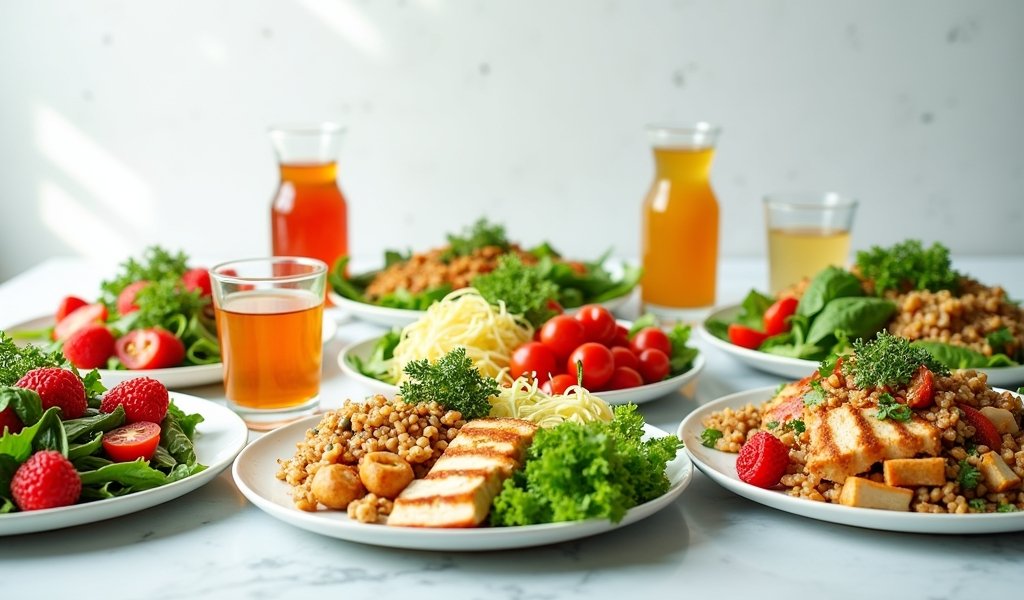
A colorful stir-fry is the champion of high volume low calorie meals—a mountain of vegetables with lean protein that looks impressive while being modest in calories.
Ingredients (Serves 1):
- 4 cups mixed vegetables (broccoli, bell peppers, snap peas, carrots): 100 calories
- 4 oz lean protein (chicken breast, tofu, or shrimp): 120-150 calories
- 1 tablespoon low-sodium soy sauce: 10 calories
- 1 teaspoon sesame oil: 40 calories
- Garlic, ginger, and spices: minimal calories
Total calories: Approximately 280-310 calories
Preparation:
- Slice protein into thin strips for quicker cooking
- Chop all vegetables into similarly sized pieces
- Heat a non-stick pan or wok to medium-high heat
- Spray with cooking spray instead of using excess oil
- Cook protein until nearly done, then set aside
- Stir-fry vegetables with garlic and ginger until crisp-tender
- Return protein to the pan
- Add soy sauce and a touch of sesame oil for flavor
- Toss everything together and serve hot
This colorful meal delivers a powerful combination of protein and fiber to keep hunger at bay for hours. For even greater volume, serve over a small portion of cauliflower rice for minimal added calories.
Meal #2: Cauliflower Rice Power Bowl
Cauliflower rice is the chameleon of the vegetable world—it transforms into whatever you need it to be while maintaining incredible volume for minimal calories.
Ingredients (Serves 1):
- 2 cups riced cauliflower: 40 calories
- 4 oz grilled chicken breast: 120 calories
- 1 cup roasted vegetables (zucchini, bell peppers, onions): 50 calories
- 2 tablespoons salsa: 10 calories
- ¼ avocado (optional): 80 calories
- Lime juice, cilantro, and spices: minimal calories
Total calories: Approximately 220-300 calories
Preparation:
- Pulse cauliflower florets in a food processor until rice-sized (or buy pre-riced)
- Sauté cauliflower rice with a spray of oil and spices of choice
- Season and grill chicken breast until cooked through
- Roast vegetables with minimal oil and seasonings
- Assemble your bowl with cauliflower rice as the base
- Top with sliced chicken and roasted vegetables
- Add salsa, lime juice, fresh herbs, and diced avocado if using
The beauty of this bowl is its versatility—swap Mexican flavors for Mediterranean (oregano, lemon, olives) or Asian (soy, ginger, sesame) while maintaining the same high-volume, low-calorie profile. This adaptable dish is perfect for those following a 1700 calorie diet plan where feeling satisfied is crucial.
Meal #3: Egg White Vegetable Frittata
This protein-rich frittata works for any mealtime. Its fluffy texture and vegetable abundance create a feast that feels indulgent while supporting your fat loss goals.
Ingredients (Serves 2):
- 1 cup egg whites (approximately 8 egg whites): 120 calories
- 2 whole eggs (for richness and nutrients): 140 calories
- 3 cups mixed vegetables (spinach, mushrooms, bell peppers, onions): 75 calories
- 1 oz reduced-fat feta cheese: 40 calories
- Fresh herbs and spices: minimal calories
Total calories: Approximately 375 calories (less than 200 calories per serving)
Preparation:
- Preheat oven to 375°F
- Sauté vegetables in an oven-safe non-stick skillet with cooking spray
- Whisk egg whites and whole eggs with salt, pepper, and herbs
- Pour egg mixture over vegetables in the skillet
- Sprinkle crumbled feta on top
- Cook on stovetop for 3-4 minutes until edges begin to set
- Transfer to oven and bake for 15-20 minutes until center is set
- Cut into wedges and serve
With 24g of protein per serving, this frittata keeps hunger at bay for hours. Make it in a muffin tin for perfect portion control and convenient grab-and-go options throughout the week.
Meal #4: Zucchini Noodle Pasta
Pasta lovers, rejoice! You don’t have to abandon your noodle cravings—just introduce them to their lighter cousin: zoodles. These spiralized zucchini strands satisfy that pasta experience while creating a massive plate of food for minimal calories.
Ingredients (Serves 1):
- 2 medium zucchini, spiralized (about 4 cups): 60 calories
- 4 oz lean ground turkey: 120 calories
- ½ cup marinara sauce (no added sugar): 50 calories
- 1 tablespoon nutritional yeast or Parmesan: 20 calories
- Garlic, Italian herbs, red pepper flakes: minimal calories
Total calories: Approximately 250 calories
Preparation:
- Spiralize zucchini into noodle-like strands
- Brown ground turkey in a non-stick pan with garlic and herbs
- Add marinara sauce to the cooked turkey and simmer
- In a separate pan, quickly sauté zucchini noodles for 2-3 minutes (don’t overcook)
- Plate zucchini noodles and top with turkey sauce
- Sprinkle with nutritional yeast or a small amount of Parmesan
- Add fresh basil and red pepper flakes if desired
For comparison, a typical 2-cup serving of regular spaghetti with meat sauce would cost you around 600-700 calories—nearly triple the calories for the same visual volume! The zucchini version saves approximately 400 calories while still giving you that twirl-your-fork satisfaction.
Meal #5: Massive Protein Salad
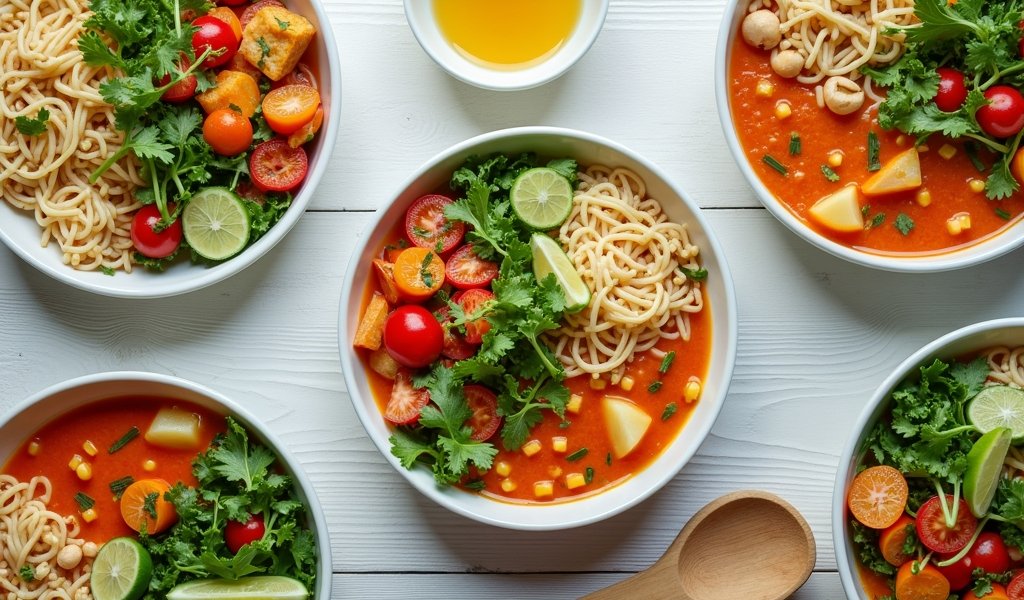
If you think salads are sad diet food, this protein-packed behemoth will change your mind instantly. This isn’t your wimpy side salad—it’s a substantial meal that requires a bigger bowl and delivers remarkable satiety.
Ingredients (Serves 1):
- 4 cups mixed greens and lettuce: 25 calories
- 4 oz grilled chicken breast: 120 calories
- 1 cup non-starchy vegetables (cucumber, bell pepper, tomatoes): 30 calories
- ¼ cup beans or lentils: 50 calories
- 2 tablespoons light vinaigrette: 40 calories
- 1 tablespoon seeds (sunflower, pumpkin): 50 calories
Total calories: Approximately 315 calories
Preparation:
- Create a massive base of mixed greens and lettuce
- Layer in colorful non-starchy vegetables
- Add your protein source (chicken, turkey, tofu, or fish)
- Sprinkle with beans or lentils for additional protein and fiber
- Top with a small amount of seeds for healthy fats and crunch
- Dress with a light vinaigrette just before eating
The secret to a truly satisfying salad is combining multiple textures and flavors—crunchy vegetables, tender protein, creamy elements, and tangy dressing. For low-calorie dressings, try mixing lemon juice with Dijon mustard and herbs, or balsamic vinegar with a tiny drizzle of olive oil and garlic.
Meal #6: Protein Smoothie Bowl
Imagine eating ice cream for breakfast while losing weight. That’s the experience of a well-crafted protein smoothie bowl—thick, creamy satisfaction that feels indulgent but functions as a nutritional powerhouse.
Ingredients (Serves 1):
- 1 scoop protein powder: 120 calories
- ½ frozen banana: 50 calories
- 1 cup frozen berries: 80 calories
- 1 cup unsweetened almond milk: 30 calories
- 1 cup spinach: 7 calories
- Ice cubes: 0 calories
- ¼ teaspoon xanthan gum (optional thickener): minimal calories
Total calories: Approximately 287 calories
Preparation:
- Blend protein powder, frozen fruits, spinach, and almond milk
- Add ice cubes and xanthan gum if using
- Blend until thick but smooth—it should be spoonable, not drinkable
- Pour into a bowl
- Top with a few strategically placed berries, a sprinkle of cinnamon, or a teaspoon of cacao nibs
Smoothie bowls make a perfect addition to a 7-day smoothie weight loss diet plan, offering variety and substantial nutrients. For even greater volume, add ice, frozen zucchini, or whip additional air into your smoothie by blending longer.
Meal #7: Stuffed Bell Peppers
Bell peppers are nature’s perfect serving vessels—colorful, nutritious containers that add flavor and volume while keeping calories in check.
Ingredients (Serves 2):
- 2 large bell peppers: 70 calories
- 4 oz extra lean ground turkey: 120 calories
- ½ cup cooked quinoa or riced cauliflower: 60-110 calories
- 1 cup diced vegetables (onion, zucchini, mushrooms): 50 calories
- ¼ cup low-sodium marinara sauce: 25 calories
- 2 tablespoons reduced-fat cheese: 40 calories
- Herbs and spices: minimal calories
Total calories: Approximately 365-415 calories (for two stuffed peppers)
Preparation:
- Cut bell peppers in half lengthwise and remove seeds
- Lightly roast pepper halves for 5-10 minutes to soften
- Brown ground turkey with diced vegetables and seasonings
- Mix in cooked quinoa or cauliflower rice and marinara sauce
- Fill pepper halves with mixture
- Top with a light sprinkle of cheese
- Bake at 375°F for 20-25 minutes until peppers are tender and filling is hot
What makes this meal special is the high protein (25g) and fiber content (6g), which keeps you satisfied for hours. These colorful boats of deliciousness store well in the refrigerator for up to four days, making them perfect for meal prep.
Meal #8: Protein-Rich Vegetable Soup
There’s science behind soup’s reputation as a weight loss staple—research shows that starting a meal with soup can reduce overall calorie intake by up to 20%. This volume-eating superstar creates warming fullness while keeping calories surprisingly low.
Ingredients (Serves 2):
- 4 cups low-sodium chicken or vegetable broth: 40 calories
- 4 oz shredded chicken breast: 120 calories
- 2 cups non-starchy vegetables (carrots, celery, zucchini, cabbage): 70 calories
- ½ cup beans or lentils: 100 calories
- 1 tablespoon nutritional yeast (for umami flavor): 20 calories
- Herbs, spices, garlic, onion: minimal calories
Total calories: Approximately 350 calories (175 calories per serving)
Preparation:
- Sauté aromatic vegetables (onion, garlic, celery) with cooking spray
- Add broth and bring to a simmer
- Add remaining vegetables and cook until tender
- Stir in pre-cooked shredded chicken and beans
- Season with herbs and spices
- Finish with nutritional yeast for savory depth
- Simmer for 10-15 minutes to allow flavors to meld
This recipe makes approximately four cups of soup per serving—an impressive amount of food for under 200 calories. Make a large batch on the weekend for quick, satisfying meals throughout the week.
Meal #9: Lettuce Wrap Tacos
Taco night doesn’t need to derail your weight loss efforts. By swapping traditional shells for crisp lettuce wraps, you can enjoy all the flavors you crave while creating a meal that’s both visually impressive and waistline-friendly.
Ingredients (Serves 1, makes 4 tacos):
- 8 large lettuce leaves (romaine or butter lettuce): 15 calories
- 4 oz lean ground turkey or chicken: 120 calories
- ½ cup black beans: 100 calories
- 1 cup diced vegetables (tomatoes, onions, bell peppers): 50 calories
- 2 tablespoons salsa: 10 calories
- 2 tablespoons Greek yogurt (as sour cream alternative): 20 calories
- Lime juice, cilantro, spices: minimal calories
Total calories: Approximately 315 calories
Preparation:
- Brown ground meat with taco seasonings
- Warm black beans with a pinch of cumin and garlic powder
- Wash and dry large lettuce leaves
- Fill each leaf with meat, beans, and fresh vegetables
- Top with salsa and a dollop of Greek yogurt
- Finish with a squeeze of lime and fresh cilantro
Compared to traditional tacos, this lettuce wrap version saves approximately 300-400 calories per serving while actually increasing the volume of food you eat. The traditional corn or flour tortillas alone would add 240-300 calories—calories better spent on more filling ingredients.
Meal #10: Greek Yogurt Berry Parfait
Who said desserts can’t be part of a weight loss plan? This protein-rich parfait serves as a sweet treat, snack, or breakfast that satisfies cravings while contributing to your nutrition goals.
Ingredients (Serves 1):
- 1 cup non-fat Greek yogurt: 120 calories
- 1 cup mixed berries: 80 calories
- 1 tablespoon honey or maple syrup: 60 calories
- 1 tablespoon chia seeds: 60 calories
- ½ teaspoon vanilla extract: minimal calories
- Dash of cinnamon: minimal calories
Total calories: Approximately 320 calories
Preparation:
- Mix Greek yogurt with vanilla extract and half the sweetener
- In a separate bowl, gently mix berries with remaining sweetener
- Layer yogurt and berries in a glass or bowl
- Sprinkle chia seeds between layers for added texture
- Finish with a dash of cinnamon on top
With 22g of protein and 8g of fiber, this parfait delivers substantial nutrition while satisfying sweet cravings. For visual impact and sensory satisfaction, serve in a clear glass to showcase the beautiful layers.
Meal Prep Tips for Success
Consistency is key for successful weight loss, and meal planning makes consistency possible. Here’s how to set yourself up for volume-eating success:
Weekly Grocery Shopping Essentials:
- Lean proteins: chicken breast, turkey, fish, tofu, egg whites
- Volume vegetables: lettuce, spinach, broccoli, cauliflower, zucchini, bell peppers
- Fiber-rich carbohydrates: beans, lentils, berries, apples
- Flavor enhancers: fresh herbs, spices, salsa, hot sauce, mustard
- Low-calorie bases: broth, almond milk, Greek yogurt
Batch Cooking Strategies:
- Prepare proteins in bulk (grilled chicken breasts, hard-boiled eggs)
- Pre-chop vegetables for quick assembly
- Make base components that can be mixed and matched (cauliflower rice, zucchini noodles)
- Prepare versatile sauces and dressings in small portions
Having these components ready makes it easy to assemble high volume low calorie meals quickly, which is crucial for sticking to your plan when hunger strikes. These strategies align perfectly with a structured approach like a 1700 calorie diet meal plan, ensuring you always have satisfying options available.
Conclusion
High volume low calorie meals represent one of the most effective and sustainable approaches to weight loss. By focusing on nutrient-dense foods that provide maximum fullness for minimal calories, you can create a dietary pattern that doesn’t feel like deprivation.
The ten meals outlined here offer variety, flavor, and most importantly, satisfaction—proving that weight loss doesn’t have to mean tiny portions or constant hunger. From protein-packed stir-fries to creative vegetable-based alternatives for your favorite comfort foods, these recipes demonstrate that volume eating can be both delicious and effective.
Remember that sustainable weight loss comes from finding approaches you can maintain long-term. Volume eating works because it addresses one of the biggest challenges of dieting—hunger—while still creating the calorie deficit necessary for fat loss.
Start by incorporating 2-3 of these meals into your weekly rotation, then gradually expand your repertoire as you discover which high-volume strategies work best for your taste preferences and lifestyle. Your body—and your appetite—will thank you.
Frequently Asked Questions
What is caloric density and why does it matter for weight loss?
Caloric density refers to the number of calories per gram of food, with lower density foods providing fewer calories for greater volume. Foods with low caloric density allow you to eat larger, more satisfying portions while maintaining a calorie deficit necessary for weight loss.
Can I lose weight eating large portions?
Yes, if those large portions consist of foods with low caloric density like vegetables, lean proteins, and high-fiber foods. The key is choosing foods that provide maximum volume and satiety for minimal calories.
How does fiber help with volume eating?
Fiber adds bulk to food without adding digestible calories and slows digestion, helping you feel fuller longer. It essentially takes up space in your digestive system, contributing to physical fullness while providing numerous health benefits.
Will I feel hungry on a high-volume diet?
Most people experience less hunger with high volume low calorie meals compared to traditional calorie-restricted diets. The physical volume of food helps trigger stretch receptors in your stomach that signal fullness to your brain.
How quickly will I see weight loss results with volume eating?
When maintaining a consistent calorie deficit through high volume eating, most people can expect to lose 1-2 pounds per week. Individual results vary based on starting weight, metabolic factors, and adherence to your calorie targets.