
Overview
Trying to tame your rebellious hair is like negotiating with a toddler—exhausting until you know the right approach! This article comprehensively examines five main hair straightening options (Keratin Treatments, Brazilian Blowout, Japanese Straightening, Chemical Relaxers, and Hair Botox), explaining how each works with different hair types, their duration and maintenance requirements, while emphasizing the importance of proper aftercare to maintain both straight styles and overall hair health.
For those seeking sleeker, more manageable hair, understanding the landscape of hair straightening treatments can be overwhelming. The good news? Modern technology offers several effective options that can transform frizzy, unruly locks into smooth, straight hair while maintaining its health. As a trichologist with over a decade of experience in hair care, I’ve seen firsthand how the right straightening method can dramatically improve both hair appearance and manageability when performed correctly.
Table of Contents
- Introduction to Hair Straightening
- Understanding Hair Structure
- Keratin Treatments
- Brazilian Blowout
- Japanese Straightening
- Chemical Relaxers
- Hair Botox Treatments
- Comparing the Treatments
- Aftercare Tips
- Conclusion
- Frequently Asked Questions
Introduction to Hair Straightening
Hair straightening has evolved significantly over the past few decades. What once required harsh chemicals that often damaged hair beyond repair has transformed into sophisticated treatments that can actually improve hair condition while delivering the desired straightness. Today’s options range from temporary solutions to semi-permanent and permanent treatments, each with distinct advantages depending on your hair type, lifestyle, and straightening goals.
According to a study published in the International Journal of Trichology, nearly 70% of women worldwide express dissatisfaction with their natural hair texture, with frizz and unmanageability being primary concerns. This widespread desire for smoother hair has driven innovation in the hair care industry, resulting in treatments that work with your hair’s natural structure rather than against it.
Before diving into specific treatments, let’s understand what makes these modern options healthier than their predecessors and why choosing the right treatment for your specific hair type is crucial for maintaining hair integrity while achieving that glass-like smoothness you desire.
Understanding Hair Structure
To appreciate how straightening treatments work, we need to first understand hair’s basic structure. Each strand consists of three layers: the cuticle (outer protective layer), cortex (middle layer providing strength), and medulla (central core). The cortex contains keratin proteins held together by hydrogen and disulfide bonds that determine your hair’s natural shape—straight, wavy, or curly.
When we straighten hair, we’re essentially manipulating these bonds. Temporary methods like flat ironing break hydrogen bonds, while permanent treatments alter the disulfide bonds. The more we understand our unique hair structure, the better equipped we are to choose treatments that complement rather than compromise it.
Different hair types respond differently to straightening treatments. For instance, coarse, highly textured hair may benefit from stronger treatments, while fine or damaged hair requires gentler approaches. Your hair porosity—how well it absorbs and retains moisture—also plays a critical role in determining which treatment will yield the best results.
Keratin Treatments
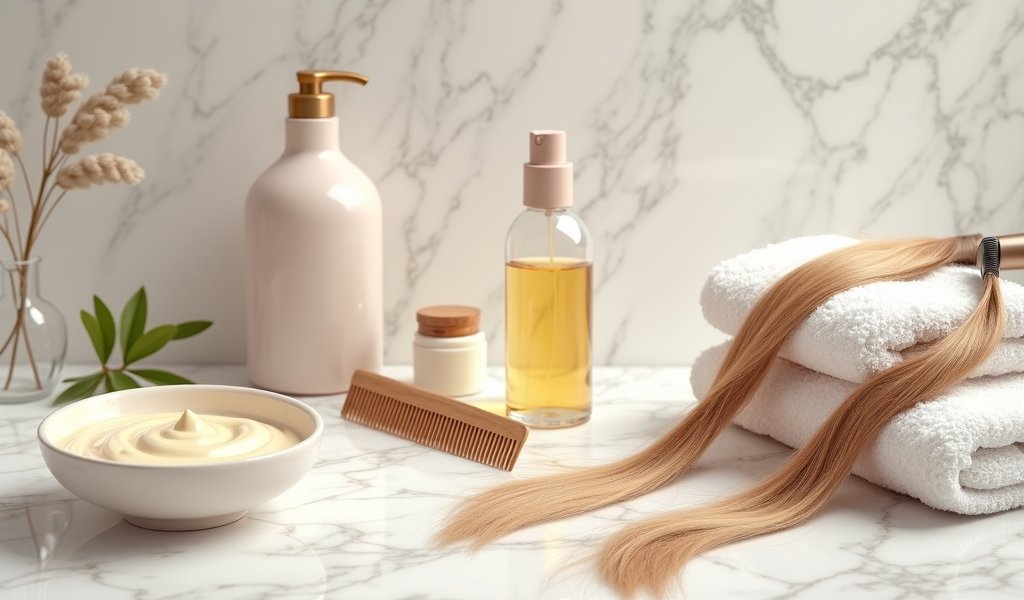
Keratin treatments represent one of the most popular semi-permanent straightening options on the market today. Named after the structural protein that naturally makes up our hair, these treatments work by infusing additional keratin into the hair shaft, filling in damaged or porous areas while coating the cuticle to create a smoother, more manageable texture.
The process typically takes 2-3 hours in a salon setting and begins with a clarifying shampoo to open the cuticle. A keratin solution is then applied meticulously to each section of hair and sealed in with heat from a flat iron. The results can last anywhere from 3-6 months, gradually washing out over time.
What makes keratin treatments stand out is their versatility. Unlike more permanent options, they don’t completely eliminate your natural texture—instead, they reduce frizz by up to 95% while making hair significantly easier to style. This means you’ll still maintain some natural volume and movement.
The health benefits of quality keratin treatments are substantial, especially for those with damaged or over-processed hair. Many clients at our wellness clinic report not just smoother hair, but improved strength and reduced breakage after treatments.
Benefits of Keratin Treatments
- Reduces frizz while maintaining some natural texture and volume
- Cuts styling time by up to 60%
- Improves hair manageability, making daily styling easier
- Provides protection against humidity and environmental damage
- Adds significant shine and silkiness to hair
- Can help repair damaged hair by reinforcing the hair shaft
- Results last 3-6 months with proper aftercare
- Suitable for most hair types, including color-treated hair
Modern keratin formulas have evolved to eliminate or significantly reduce formaldehyde, addressing past health concerns. However, it’s still crucial to choose a reputable salon using high-quality, tested products for optimal safety and results.
Brazilian Blowout
Often confused with general keratin treatments, the Brazilian Blowout is actually a specific branded treatment with unique properties. This liquid protein formula creates a protective layer around each hair strand, effectively sealing the cuticle and eliminating frizz without completely altering your natural texture.
What sets Brazilian Blowouts apart is their immediate usability—unlike traditional keratin treatments that require a 72-hour waiting period before washing, Brazilian Blowouts allow you to wash, tie back, or style your hair immediately after treatment. This makes them particularly attractive for busy professionals seeking convenience without sacrificing results.
The treatment process takes approximately 90 minutes and involves applying the solution, blow-drying, flat ironing to seal the product, and a final rinse and style. Results typically last 10-12 weeks depending on your hair care routine and how frequently you wash your hair.
According to dermatologists at the American Academy of Dermatology, treatments like Brazilian Blowouts can be particularly beneficial for those with naturally frizzy hair that becomes unmanageable in humid conditions. The protective protein layer helps hair resist moisture absorption that leads to frizz formation.
Key Characteristics of Brazilian Blowout
- Zero downtime—can wash and style immediately after treatment
- Preserves more natural volume than some other straightening treatments
- Customizable results—can be adjusted to remove frizz while maintaining waves or curls
- Progressive results—hair becomes healthier with subsequent treatments
- Works well on highlighted or color-treated hair
- Doesn’t create a harsh line of demarcation as hair grows out
- Enhances natural shine and softness
While Brazilian Blowouts have faced scrutiny over formaldehyde content in the past, the brand has reformulated to address these concerns. Nevertheless, it’s important to ensure proper ventilation during application and choose a certified salon technician for application.
Japanese Straightening
Japanese hair straightening, also known as thermal reconditioning or the Yuko System, represents one of the most permanent straightening options available. Developed in Japan in the 1990s, this technique completely restructures the hair’s bonds to transform even the curliest textures into pin-straight, reflectively smooth hair.
The process is quite intensive, often taking 4-8 hours depending on hair length and thickness. It begins with a chemical solution that breaks the hair’s disulfide bonds, essentially “resetting” the hair structure. After thorough processing, the hair is rinsed, meticulously flat-ironed at precise temperatures, and then treated with a neutralizer that reforms the bonds in their new, straight configuration.
The results are dramatic and extremely long-lasting—completely straight hair that requires minimal styling effort. Unlike other treatments that gradually wash out, Japanese straightening results are permanent on the treated portion of hair. New growth will emerge with your natural texture, typically requiring touch-ups every 6-12 months.
Research from the Journal of Investigative Dermatology indicates that thermal reconditioning produces some of the most durable straightening results when performed correctly, though it requires significant expertise to avoid damage.
Considerations for Japanese Straightening
- Creates completely straight, glossy hair with no volume at roots
- Results are permanent on treated portions—no reverting in humidity or rain
- Best suited for virgin or minimally processed hair
- Not recommended for heavily highlighted or previously chemically treated hair
- Requires significant financial investment (typically $500-800+)
- Creates a visible line of demarcation between treated hair and new growth
- Requires professional touch-ups as hair grows out
- After-care regimen is critical to maintain results and hair health
While Japanese straightening delivers unmatched straightness, it’s not suitable for everyone. Those with highly bleached or damaged hair should consider gentler alternatives. The treatment should only be performed by specialists with specific training in this technique to ensure safety and optimal results.
Chemical Relaxers
Chemical relaxers have been used for decades, particularly in the Black hair community, to permanently straighten highly textured hair. These powerful alkaline or “lye-based” solutions work by breaking the disulfide bonds in the hair cortex and then reforming them in a straighter configuration.
The process typically takes 1-2 hours in a salon setting and begins with a protective base applied to the scalp. The relaxer is then carefully applied to the hair (never directly to the scalp) and processed for a specific amount of time based on hair texture and desired straightness. After thorough rinsing, a neutralizer is applied to stop the chemical process and stabilize the new bond formation.
While effective at delivering dramatic straightening results, traditional relaxers have earned a reputation for potentially causing damage when used improperly. However, modern professional-grade formulations have improved significantly, with many incorporating conditioning agents to mitigate potential harm.
It’s worth noting that our wellness services often include consultations for those experiencing hair thinning after chemical treatments, as proper application and aftercare are crucial for maintaining hair integrity with relaxers.
Types of Chemical Relaxers
- Lye relaxers (sodium hydroxide): Work quickly and effectively but can be harsh on the scalp
- “No-lye” relaxers (calcium hydroxide or guanidine hydroxide): Gentler on sensitive scalps but can be more drying to hair
- Thio relaxers: Milder option that uses the same active ingredients as permanent waves
- Botanical relaxers: Incorporate natural ingredients alongside chemicals for a somewhat gentler approach
Chemical relaxers require strict adherence to timing guidelines and should only be applied by experienced professionals. When properly executed with high-quality products and followed by appropriate aftercare, modern relaxer treatments can deliver dramatic straightening with manageable maintenance.
Hair Botox Treatments
Despite its name, Hair Botox contains no actual botulinum toxin. Instead, this innovative treatment has gained popularity as a deeply nourishing alternative to traditional straightening methods. Hair Botox uses a combination of ingredients including vitamins, amino acids, antioxidants, and natural oils that work to fill in damaged or thinning areas of the hair shaft.
The treatment process typically takes 1-2 hours. After washing with a clarifying shampoo, the botox formula is applied generously throughout the hair and allowed to penetrate deeply with heat. Unlike more aggressive straightening methods, Hair Botox doesn’t break or reform bonds in the hair—instead, it works by deeply conditioning and coating the cuticle.
The results include significant frizz reduction, enhanced manageability, and a visible improvement in hair health. While it won’t completely straighten very curly textures, it excels at creating smoother, more defined curl patterns and waves that are easier to straighten when desired. Results typically last 2-4 months depending on hair type and care routine.
Hair Botox is particularly popular among those who’ve experienced damage from previous chemical treatments or heat styling. According to research on hair damage prevention, treatments that focus on cuticle repair without altering the cortex can significantly improve hair resilience over time.
Benefits of Hair Botox
- Repairs damaged, brittle, or over-processed hair
- Reduces frizz while maintaining natural hair movement
- Adds significant shine and silkiness
- Contains no harsh chemicals like formaldehyde or ammonia
- Suitable for all hair types, including colored and previously treated hair
- Enhances natural curl pattern definition while reducing frizz
- Minimal risk of damage compared to chemical straightening methods
- Can be performed more frequently than other treatments (every 2-3 months)
For those seeking healthier, more manageable hair without dramatic texture changes, Hair Botox offers an excellent middle-ground solution. It’s particularly well-suited to those wanting to maintain their natural texture while eliminating frizz and enhancing shine. Many clients at our wellness spa choose this option for its hair-health benefits.
Comparing the Treatments
When selecting a hair straightening treatment, it’s essential to evaluate several factors: your hair type and condition, desired results, maintenance commitment, and budget. Each of the treatments we’ve explored offers distinct advantages for different scenarios.
For those with moderately textured hair seeking reduced frizz while maintaining some natural movement, keratin treatments and Brazilian Blowouts offer excellent semi-permanent solutions with minimal damage risk. These treatments are ideal for first-timers or those wanting flexibility to change their style seasonally.
If you have highly textured or curly hair and desire completely straight, low-maintenance results, Japanese straightening or chemical relaxers provide more dramatic, long-lasting transformations. However, these come with higher commitment levels and greater potential for damage if not properly executed.
Hair Botox stands apart as primarily a restorative treatment that offers moderate straightening benefits. It’s ideal for damaged hair or those prioritizing hair health alongside modest texture refinement.
Aftercare Tips
Regardless of which treatment you choose, proper aftercare is essential for maintaining results and protecting hair health. Here are comprehensive guidelines to maximize longevity and minimize damage:
Essential Aftercare Guidelines
- Use sulfate-free, sodium chloride-free shampoos and conditioners specifically formulated for chemically treated hair
- Minimize washing frequency—aim for 2-3 times weekly maximum to preserve treatments
- Apply heat protectant before using any hot styling tools, even if your hair feels more resistant post-treatment
- Schedule regular trims every 6-8 weeks to prevent split ends from traveling up the hair shaft
- Use deep conditioning treatments weekly to maintain moisture balance and prevent protein overload
- Protect hair from chlorine and saltwater by wearing a swim cap or applying protective oil before swimming
- Sleep on a silk or satin pillowcase to reduce friction and moisture loss overnight
- Avoid hair products containing alcohol that can contribute to dryness
- Consider using leave-in conditioners or lightweight oils to seal the cuticle between washes
Beyond product selection, timing matters significantly for certain treatments. For keratin treatments, avoid washing your hair for the recommended period (typically 48-72 hours) after application. With Japanese straightening, be especially cautious around the 48-hour mark when the bonds are still settling—avoid ponytails, clips, or anything that might create kinks.
Remember that all chemical straightening processes, even the gentlest ones, create some level of porosity in the hair. This makes regular deep conditioning essential for maintaining moisture balance and preventing breakage. Consider incorporating bond-building treatments like Olaplex into your routine to help maintain structural integrity between salon visits.
Conclusion
The landscape of hair straightening has evolved tremendously, offering solutions that can transform frizzy, unmanageable hair into smooth, glossy locks without the devastating damage once associated with these treatments. By understanding the science behind each method and honestly assessing your hair’s specific needs, you can make an informed choice that delivers the results you desire while prioritizing long-term hair health.
Remember that successful hair straightening depends on three key factors: choosing the right treatment for your hair type, having it performed by a qualified professional, and committing to proper aftercare. When these elements align, straightening treatments can actually improve your hair’s condition while delivering the sleekness and manageability you desire.
Whether you opt for the gentle enhancement of Hair Botox, the versatile frizz-fighting power of keratin treatments, or the dramatic transformation of Japanese straightening, today’s options make it possible to have both the straight hair you want and the healthy hair you need. Consult with a trusted stylist specializing in your chosen treatment to develop a personalized approach that will keep your hair looking and feeling its best through every season.
Frequently Asked Questions
How long do hair straightening treatments typically last?
Duration varies by treatment type: keratin and Brazilian treatments last 3-6 months, Hair Botox 2-4 months, while Japanese straightening and chemical relaxers are permanent on treated hair with new growth requiring touch-ups every 6-12 months.
Are hair straightening treatments safe during pregnancy?
Most medical professionals recommend avoiding chemical straightening treatments during pregnancy due to potential chemical exposure and insufficient research on effects. Hair Botox may be a safer alternative, but always consult your healthcare provider first.
Can I color my hair before or after a straightening treatment?
It’s generally recommended to color hair 2 weeks before or 2 weeks after most straightening treatments. For Japanese straightening, wait at least 4 weeks between coloring and treatment to prevent damage.
Will straightening treatments damage my hair?
When performed correctly by professionals using quality products, modern straightening treatments minimize damage and some can actually improve hair condition. The level of potential damage increases with the permanence of the treatment, with Japanese straightening and relaxers being most intensive.
Can I still curl my hair after a straightening treatment?
With keratin treatments, Brazilian Blowouts, and Hair Botox, you can still curl your hair, though styles may not hold as long. Japanese straightening and relaxers make curling difficult or impossible as they permanently alter hair structure.