

Overview
Forget blood, sweat, and tears—laser gum treatment zaps periodontal problems with sci-fi precision while you practically nap in the dental chair! This innovative approach offers five major benefits including reduced inflammation, minimal discomfort, faster recovery times, precision treatment, and systemic health improvements, making it an attractive alternative to traditional gum surgery for patients with periodontal disease.
Table of Contents
- Understanding Laser Gum Treatment
- How Laser Gum Treatment Works
- Benefit 1: Reduced Gum Inflammation
- Benefit 2: Minimal Discomfort
- Benefit 3: Faster Recovery Times
- Benefit 4: Precision Treatment
- Benefit 5: Systemic Health Improvements
- Who Is a Good Candidate for Laser Gum Treatment?
- What to Expect During Treatment
- Aftercare and Recovery
- Cost Considerations
- Conclusion
- Frequently Asked Questions
Understanding Laser Gum Treatment
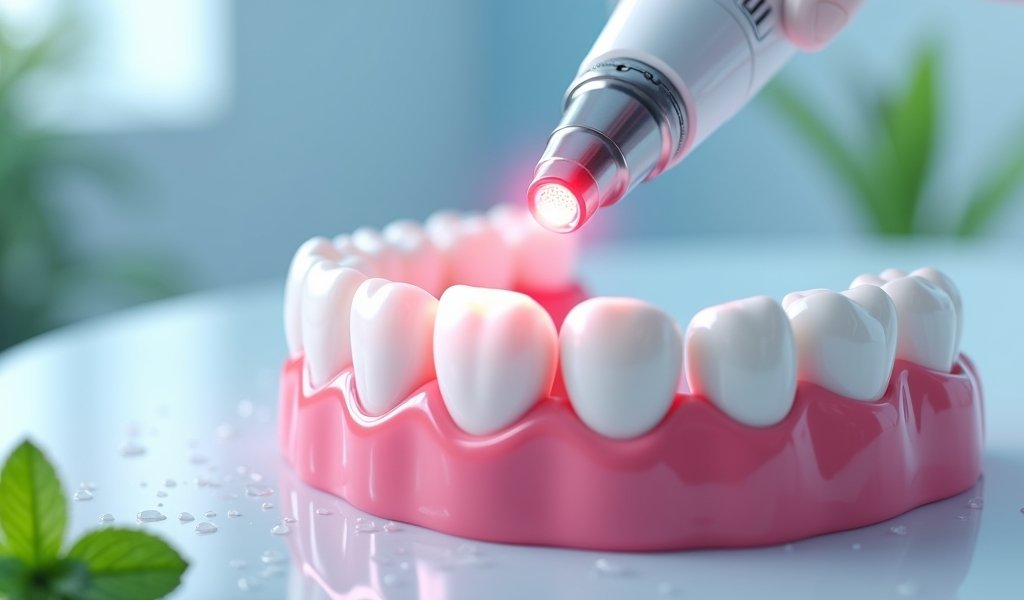
Laser gum treatment represents one of the most significant advancements in periodontal care in recent decades. As a dental professional who has witnessed the evolution of gum disease treatments, I’m excited to share how this innovative approach is transforming patient outcomes. This minimally invasive procedure uses focused light beams to target infected gum tissue with remarkable precision, offering an alternative to traditional scaling and root planing procedures that rely on manual instruments.
The primary appeal of laser gum treatment lies in its ability to effectively address periodontal disease while minimizing the discomfort and recovery time typically associated with conventional methods. The laser technology selectively removes diseased tissue while preserving healthy gum structure – something that’s much more challenging with traditional surgical approaches. Moreover, the laser’s energy simultaneously sterilizes the treatment area, creating an optimal environment for healing.
According to the American Academy of Periodontology, when performed by qualified clinicians, laser protocols can effectively complement traditional periodontal treatments. What makes this particularly exciting is how laser therapy addresses both the symptoms and the underlying causes of gum disease in one targeted approach.
How Laser Gum Treatment Works
The science behind laser gum treatment is both fascinating and straightforward. The procedure employs specific wavelengths of light energy that interact differently with various oral tissues. This selective interaction is what makes laser treatment so effective – the energy can be calibrated to target only the diseased tissue while leaving healthy tissue untouched.
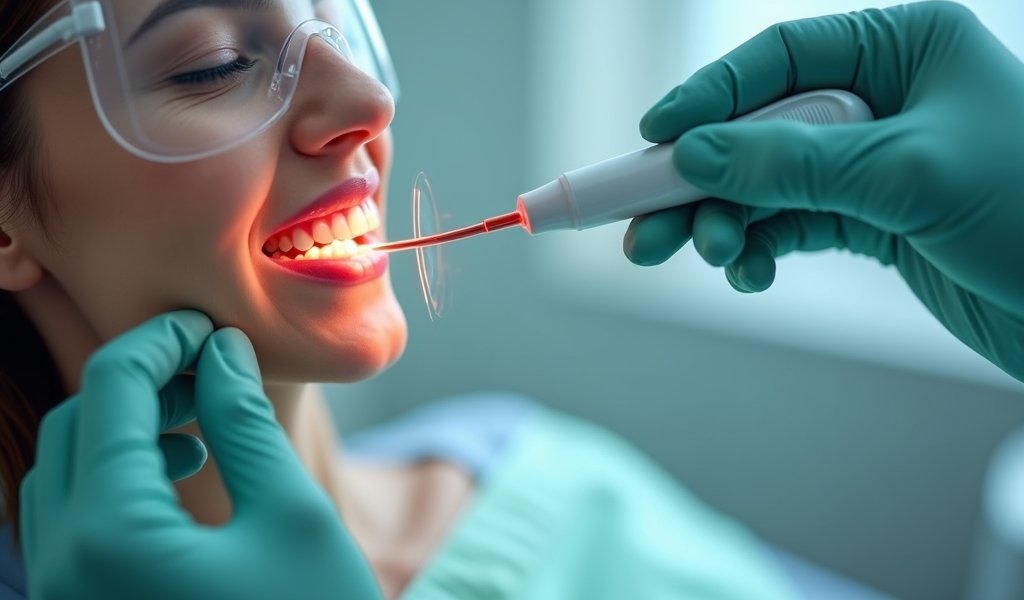
During a typical procedure, your periodontist will use the laser to access and remove the inflamed gum tissue surrounding the root of your tooth. After removing the diseased tissue and exposing the root, the root surfaces are carefully cleaned with specialized instruments to remove plaque and calculus. The laser is then used again to form a blood clot and seal the treatment area, creating a clean, stable environment for healing.
What truly sets laser gum treatment apart is its dual-action capability. Not only does it physically remove diseased tissue, but the laser energy also stimulates the remaining healthy tissue, activating regenerative processes. This biostimulation effect has been shown to encourage faster healing and tissue regeneration compared to conventional surgical methods.
Benefit 1: Reduced Gum Inflammation
One of the most immediate and noticeable benefits of laser gum treatment is the significant reduction in inflammation. Chronic gum inflammation is not just uncomfortable – it’s the driving force behind progressive periodontal disease and the eventual loss of bone and tooth support. Laser therapy targets the source of this inflammation with remarkable efficiency.
The laser energy selectively eliminates bacteria and infected tissue while simultaneously decontaminating periodontal pockets. This comprehensive approach results in a dramatic decrease in bacterial load and inflammatory mediators. Patients often report that their gums feel less tender and look less red even shortly after treatment.
What makes this reduction in inflammation particularly valuable is its longevity. Research published in the Journal of Periodontology suggests that laser-treated sites maintain lower levels of inflammatory markers for extended periods compared to sites treated with conventional methods. This translates to longer-lasting results and improved oral health outcomes for patients struggling with persistent gum disease.
- Targets bacteria responsible for inflammation
- Reduces redness and swelling quickly
- Decreases bleeding during brushing and flossing
- Creates an environment less conducive to bacterial regrowth
Benefit 2: Minimal Discomfort
Traditional gum surgery, while effective, often comes with significant postoperative pain and sensitivity. This discomfort can persist for days or even weeks, requiring pain medication and limiting normal activities. Laser gum treatment fundamentally changes this experience for patients.
The precise nature of laser energy allows for targeted treatment that minimizes trauma to surrounding healthy tissues. There’s typically less bleeding during the procedure, and many patients report minimal to no pain during and after treatment. This comfort level is partly due to the laser’s ability to seal nerve endings and blood vessels as it works.
I’ve had numerous patients express surprise at how comfortable the recovery process was compared to their expectations or previous experiences with traditional periodontal treatments. Many are able to return to their normal activities the very same day, which represents a significant improvement in quality of life during the recovery period.
This reduced discomfort factor is particularly valuable for patients with dental anxiety or those with busy lifestyles who can’t afford extended downtime. It’s one of the reasons that patient satisfaction rates with laser gum treatment consistently rank high in clinical studies and practice surveys.
Benefit 3: Faster Recovery Times
The recovery process following laser gum treatment is remarkably accelerated compared to conventional periodontal surgery. Traditional methods often require sutures and result in open wounds that take time to heal, whereas laser procedures promote immediate tissue sealing and coagulation.
This biological advantage translates directly into real-world benefits for patients. Most individuals experience minimal swelling and can return to their normal oral hygiene routines within days rather than weeks. The laser’s precision means that less healthy tissue is affected during treatment, so there’s simply less that needs to heal.
Additionally, the biostimulation effect mentioned earlier actively promotes tissue regeneration. The laser energy increases circulation to the treatment area and stimulates cellular activity, essentially “jump-starting” the healing process. A study in the Journal of Laser Therapy demonstrated that patients treated with laser therapy showed significantly advanced healing at one-week checkups compared to those who underwent traditional surgery.
- Minimal to no bleeding after procedure
- Faster tissue reattachment to tooth surfaces
- Earlier resumption of normal oral hygiene
- Reduced need for follow-up appointments
Benefit 4: Precision Treatment
The extraordinary precision offered by laser gum treatment represents a fundamental advancement in periodontal care. Traditional instruments, while effective in skilled hands, simply cannot match the microscopic accuracy of a calibrated laser beam. This precision allows practitioners to target diseased tissue with minimal impact on surrounding healthy structures.
For patients, this translates to more conservative treatment that preserves as much natural gum tissue as possible. The laser can be adjusted to different power levels and pulse durations, allowing for customized treatment based on the specific condition being addressed and the individual patient’s needs.
The precision of laser treatment is particularly valuable when dealing with complex periodontal anatomy or when treating areas adjacent to dental implants. The focused nature of the laser beam allows access to areas that might be difficult to reach with conventional instruments, ensuring more thorough treatment of the infection.
This targeted approach also contributes to better long-term outcomes. By preserving the maximum amount of healthy tissue and effectively removing diseased areas, laser treatment creates optimal conditions for sustainable periodontal health. Patients experience less gum recession and better maintenance of natural tooth architecture.
Benefit 5: Systemic Health Improvements
Perhaps the most compelling benefit of effective gum treatment extends far beyond the mouth. The connection between periodontal health and overall wellness is now well-established through extensive research. Chronic gum inflammation doesn’t just threaten your teeth – it creates a persistent inflammatory burden that can impact your entire body.
By effectively addressing periodontal disease, laser gum treatment may contribute to improvements in systemic health markers. Research published in the Journal of the American Heart Association has demonstrated associations between successful periodontal therapy and improvements in vascular function and inflammatory markers related to cardiovascular health.
The relationship between gum disease and conditions like diabetes is bidirectional – diabetes increases risk for periodontal disease, while active gum inflammation can make glycemic control more difficult. By breaking this cycle through effective treatment, patients often experience improvements in both conditions. Some diabetic patients report improved blood glucose control following successful periodontal therapy.
Additionally, reducing the bacterial load in the oral cavity may decrease the risk of respiratory infections. Oral bacteria can be aspirated into the lungs, potentially contributing to conditions like pneumonia, especially in vulnerable populations. Effective periodontal treatment removes this potential source of infection.
Who Is a Good Candidate for Laser Gum Treatment?
Laser gum treatment can be beneficial for a wide range of patients, but it’s particularly valuable for certain groups. Those with moderate to severe periodontal disease who haven’t responded well to non-surgical treatments often see significant improvements with laser therapy. The procedure can effectively address deep periodontal pockets that are difficult to clean with standard methods.
Patients with medical conditions that might complicate traditional surgery are often excellent candidates for laser treatment. This includes individuals on blood thinners, those with diabetes, or patients with compromised immune systems. The reduced bleeding and lower infection risk associated with laser procedures make them a safer option for these individuals.
Those with dental anxiety may find laser treatment more acceptable than conventional surgery. The procedure typically involves less noise, vibration, and discomfort – elements that often trigger dental fear. Many patients report a more positive experience overall, which can improve their willingness to seek necessary periodontal care.
It’s important to note that not every case is ideal for laser treatment. A comprehensive evaluation by a qualified periodontist or dental professional with specialized training in laser procedures is essential to determine if this approach is right for your specific situation.
What to Expect During Treatment
Knowing what to expect can significantly reduce anxiety about dental procedures. A typical laser gum treatment session begins with a local anesthetic to ensure your comfort, though many patients require less anesthesia than with traditional surgery. The procedure is generally performed in a dental office setting and may take between 1-2 hours depending on the extent of treatment needed.
During the procedure, you might notice a slight humming sound from the laser device, but there’s none of the drilling noise associated with many dental procedures. You may also detect a faint odor as the laser interacts with tissue – this is completely normal and indicates the laser is effectively removing diseased tissue.
The treatment itself is generally comfortable. The laser technology allows for precise management of patient comfort, and your provider will check in frequently to ensure you’re doing well. Most patients are pleasantly surprised by how painless the experience is compared to their expectations.
Immediately after treatment, you may experience some minor sensitivity, but significant pain is rare. Your dental team will provide specific aftercare instructions, which typically include a modified diet for a few days and special oral hygiene protocols to optimize healing.
Aftercare and Recovery
Proper aftercare is essential for maximizing the benefits of laser gum treatment. Most patients can resume normal brushing and flossing within a few days, though your dental professional may recommend a soft-bristled brush and gentle technique initially. A prescribed antimicrobial mouth rinse may be suggested to support healing and prevent infection.
Your diet may need some temporary modifications following treatment. Soft, cool foods are generally recommended for the first 24 hours, avoiding spicy, acidic, or crunchy items that could irritate the treated areas. Staying well-hydrated is important, but using straws should be avoided as the suction can disrupt healing tissues.
Follow-up appointments are crucial for monitoring your healing progress and making any necessary adjustments to your care plan. These visits typically occur within 1-2 weeks after treatment and then at regular intervals as determined by your provider. These check-ins allow for professional assessment of how well your gums are responding to treatment.
Most patients report returning to normal activities almost immediately after laser gum treatment. Unlike traditional surgery, there’s typically no need for extended downtime or special accommodations in your schedule. This convenience factor is one of the many reasons patients consistently express high satisfaction with laser approaches.
Cost Considerations
The investment in laser gum treatment varies based on several factors, including the extent of your periodontal disease, geographic location, and the specific technology used. Generally, laser procedures may have a higher initial cost compared to traditional methods, ranging from $500 to $4,000 depending on whether you’re treating a section of the mouth or requiring full-mouth therapy.
However, considering the total value proposition often reveals laser treatment to be cost-effective. Factors contributing to this include fewer follow-up visits, reduced need for pain medication, less time away from work, and potentially better long-term outcomes with fewer retreatments needed. Many patients find that these advantages offset the initial price difference.
Insurance coverage for laser gum treatment varies significantly between providers. Some dental insurance plans cover the procedure at the same rate as traditional periodontal surgery, while others may provide partial coverage or consider it an alternative procedure with different reimbursement rates. It’s always advisable to check with your insurance provider before proceeding.
Many dental practices offer payment plans or financing options to make laser treatment more accessible. These arrangements can help distribute the cost over time, making it easier to fit this valuable treatment into your budget. The investment in your periodontal health often pays dividends in terms of both oral and overall wellness.
Conclusion
Laser gum treatment represents a significant advancement in periodontal care, offering compelling benefits that extend beyond just treating the symptoms of gum disease. The five key advantages we’ve explored – reduced inflammation, minimal discomfort, faster recovery times, precision treatment, and systemic health improvements – collectively make this approach worth serious consideration for anyone dealing with periodontal issues.
What makes laser gum treatment particularly valuable is its ability to effectively address periodontal disease while minimizing the drawbacks traditionally associated with gum surgery. The procedure preserves healthy tissue, promotes biological healing, and creates conditions conducive to long-term oral health maintenance.
As with any medical procedure, laser gum treatment isn’t universally appropriate for every situation. A thorough consultation with a qualified provider trained in laser dentistry is essential to determine if this approach aligns with your specific needs and circumstances. However, for many patients struggling with gum disease, laser therapy offers a promising path to improved oral and overall health with minimal disruption to daily life.
The evolution of dental technology continues to expand our options for effective care, and laser gum treatment stands as one of the most significant innovations in recent years. By combining biological principles with advanced technology, this approach exemplifies modern dentistry’s commitment to more comfortable, effective, and patient-centered care.
Frequently Asked Questions
Is laser gum treatment painful?
Most patients report minimal discomfort during and after laser gum treatment. The procedure typically requires less anesthesia than traditional methods, and recovery is generally much more comfortable.
How long does a laser gum treatment session take?
A typical treatment session lasts between 1-2 hours depending on the extent of treatment needed. Multiple sessions may be required for comprehensive treatment of advanced periodontal disease.
How soon can I eat after laser gum treatment?
You can usually eat soft, cool foods immediately after treatment. It’s best to avoid hot, spicy, acidic or crunchy foods for 24-48 hours to prevent irritation to the treated areas.
How many treatments will I need?
The number of treatments varies based on the severity of your periodontal disease. Some patients achieve desired results with a single session, while others with more advanced conditions may require 2-4 sessions.
Is laser gum treatment covered by insurance?
Coverage varies by insurance provider. Many dental plans cover laser treatment similarly to traditional periodontal procedures, while others may provide partial coverage or different reimbursement rates.