
Overview
Stretch marks may be nature’s way of saying “I’ve been places,” but laser treatments offer scientifically-validated hope for improvement, with options ranging from Pulsed Dye Laser for newer red marks to Fractional Lasers for mature white ones. While no treatment can completely erase stretch marks, laser therapy can provide 40-70% improvement in appearance through collagen stimulation, though patients should expect multiple sessions (typically 3-6), costs ranging from $2,000-$5,000 total, and should follow strict pre/post-treatment care for optimal results.
Table of Contents
- Understanding Stretch Marks: Causes and Types
- Laser Treatments Explained: How They Work on Stretch Marks
- Types of Laser Treatments for Stretch Marks
- The Science Behind Laser Treatments: What Research Shows
- The Treatment Experience: What to Expect
- Results and Recovery: Timeline and Expectations
- Cost Considerations and Insurance Coverage
- Who Makes the Best Candidate for Laser Treatment?
- Alternative Treatments for Stretch Marks
- Maximizing Your Results: Pre and Post-Treatment Care
- Conclusion: Is Laser Treatment Right for You?
- Frequently Asked Questions
Stretch marks affect nearly 80% of people at some point in their lives, appearing as those distinctive lines on the skin when it stretches rapidly due to pregnancy, weight changes, or growth spurts. While these marks are completely natural, many seek effective treatments to reduce their appearance.
As a dermatologist specializing in skin restoration treatments, I’ve witnessed firsthand how laser therapy has revolutionized stretch mark treatment. This article examines the science, effectiveness, and real-world results of using laser treatments to address stretch marks.
Understanding Stretch Marks: Causes and Types
Stretch marks (striae) develop when the skin stretches or shrinks rapidly, causing the collagen and elastin fibers in the dermis to rupture. As the skin heals, stretch marks form along the areas where the tissue has been damaged.
These marks typically appear as indented streaks on the abdomen, breasts, hips, buttocks, and thighs. Initially, they may appear reddish or purplish (striae rubra) before gradually fading to a silvery-white color (striae alba).
Common causes include:
- Pregnancy (affecting up to 90% of pregnant women)
- Adolescent growth spurts
- Rapid weight gain or loss
- Corticosteroid medication use
- Certain health conditions like Cushing’s syndrome
- Genetic predisposition
The challenge with treating stretch marks stems from their location deep within the dermis layer of skin. Most topical creams and oils can’t penetrate deeply enough to repair this structural damage, which is why more advanced treatments like laser therapy have gained popularity as effective skin restoration options.
Laser Treatments Explained: How They Work on Stretch Marks
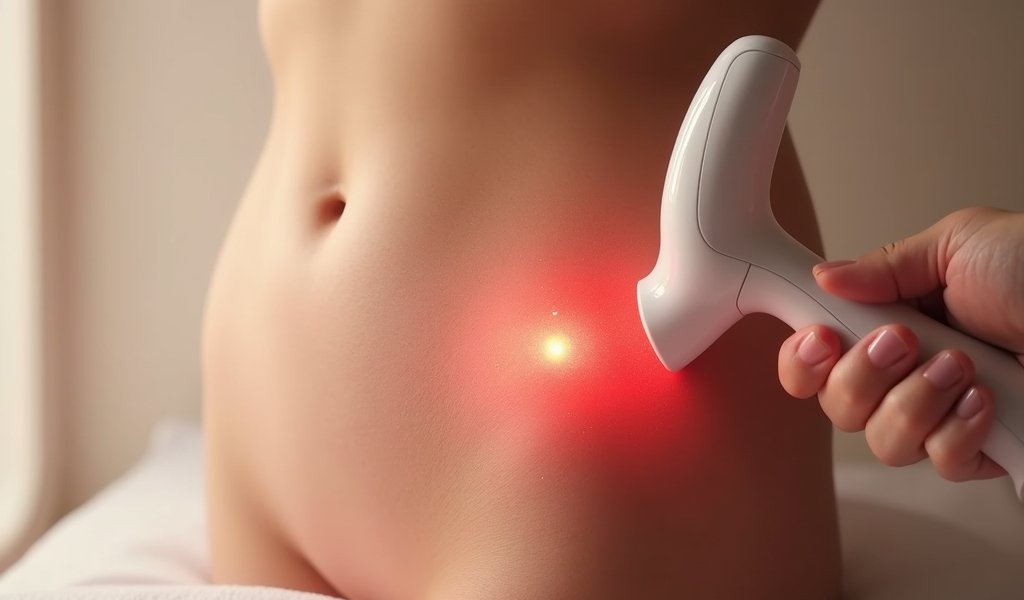
Laser treatments address stretch marks by targeting the dermis, where the actual damage occurs. These specialized light beams penetrate the skin’s surface to stimulate collagen and elastin production—the essential building blocks of healthy skin.
The process works through a mechanism called selective photothermolysis, where the laser energy is absorbed by specific tissues without harming surrounding areas. This controlled injury triggers the body’s natural wound healing response, promoting tissue regeneration and remodeling.
According to research from the American Academy of Dermatology, laser treatments can effectively improve both the texture and color of stretch marks by:
- Stimulating new collagen formation
- Reducing scar tissue
- Improving blood flow to damaged areas
- Normalizing pigmentation in the affected skin
While no treatment can completely erase stretch marks, laser therapy offers one of the most scientifically-validated approaches to significant improvement—especially when the marks are caught early or when using combination treatments.
Types of Laser Treatments for Stretch Marks
Several laser modalities are used to treat stretch marks, each with unique mechanisms and ideal applications:
Pulsed Dye Laser (PDL)
Best for: Newer, red stretch marks (striae rubra)
How it works: PDL targets the blood vessels in newer stretch marks, reducing redness and promoting collagen remodeling. Treatment typically requires 3-5 sessions spaced 4-6 weeks apart.
Fractional Lasers (Fraxel, CO2, Erbium:YAG)
Best for: Mature, white stretch marks (striae alba)
How it works: These lasers create thousands of microscopic treatment zones in the skin, stimulating collagen production while leaving surrounding tissue intact for faster healing. They can address both textural changes and discoloration, usually requiring 3-6 treatments.
Excimer Laser
Best for: Hypopigmented (white) stretch marks
How it works: Using targeted ultraviolet B (UVB) light, this laser stimulates melanocytes to produce pigment, helping white stretch marks blend better with surrounding skin. This approach is particularly useful for darker skin tones where other lasers might pose pigmentation risks.
Nd:YAG Laser
Best for: All skin types, including darker skin tones
How it works: This laser can safely treat stretch marks in patients with more melanin, as it has a lower risk of post-inflammatory hyperpigmentation compared to other laser types.
The most advanced comprehensive wellness centers often offer multiple laser options, allowing treatment plans to be customized based on stretch mark type, skin tone, and patient preferences.
The Science Behind Laser Treatments: What Research Shows
Scientific evidence supports the efficacy of laser treatments for stretch marks, though results vary depending on mark age, type, and individual factors.
A systematic review published in the Journal of the American Academy of Dermatology examined 25 studies on laser and light therapies for stretch marks. The researchers found that fractional lasers showed the most consistent improvement for mature stretch marks, while pulsed dye lasers were most effective for newer, red stretch marks.
Clinical studies typically report:
- 50-75% improvement in appearance for red stretch marks with PDL
- 40-60% improvement in white stretch marks with fractional laser therapy
- Greater satisfaction when treatments begin early in stretch mark formation
A 2017 split-body comparative study showed that combining microneedling with fractional CO2 laser provided superior results compared to either treatment alone, suggesting that combination approaches might offer enhanced benefits.
It’s important to note that patient satisfaction rates often exceed objective measurement improvements, indicating that even modest physical changes can significantly impact confidence and quality of life.
The Treatment Experience: What to Expect
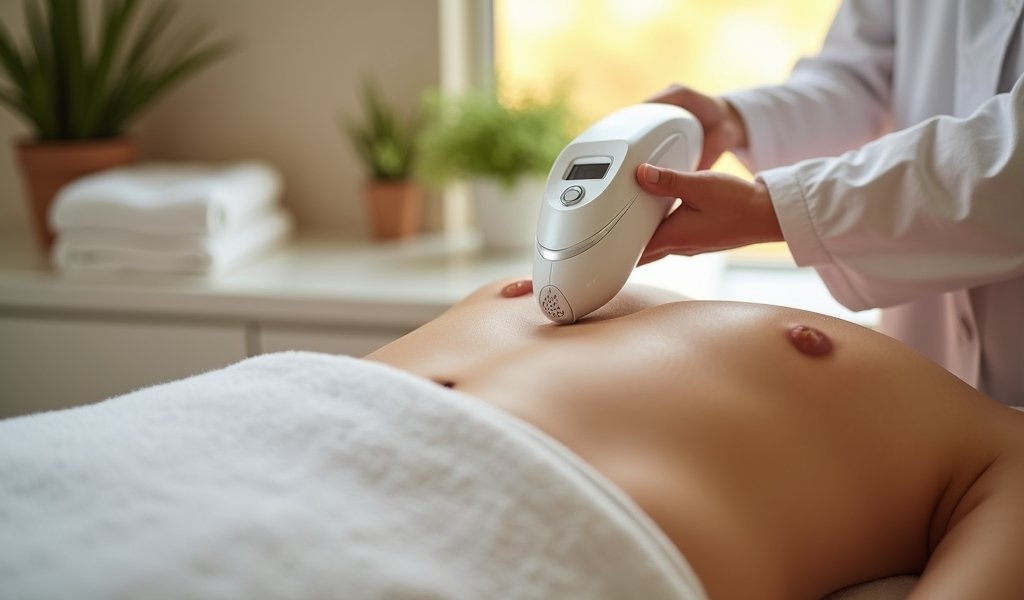
If you’re considering laser treatment for stretch marks, knowing what to expect can help ease anxiety and prepare you for the process.
Consultation
Your journey begins with a thorough consultation at a dermatologist’s office or wellness clinic near you. During this appointment, the provider will:
- Examine your stretch marks
- Review your medical history
- Discuss realistic expectations
- Recommend the most appropriate laser treatment
- Create a customized treatment plan
Preparation
Before treatment, you’ll likely be advised to:
- Avoid sun exposure for at least 2 weeks
- Discontinue retinoids and exfoliating products
- Skip blood-thinning medications if approved by your primary physician
During Treatment
The actual procedure typically follows these steps:
- A topical numbing cream is applied (30-60 minutes before treatment)
- The treatment area is cleansed
- Protective eyewear is provided
- The provider uses a handheld device to deliver laser pulses to the stretch marks
- Cooling methods may be used to minimize discomfort
Treatment sessions generally last 20-60 minutes, depending on the size of the treatment area. Most patients describe the sensation as warm snapping feelings or mild discomfort rather than significant pain.
Results and Recovery: Timeline and Expectations
Immediate Aftermath
Immediately after laser treatment, you can expect:
- Redness similar to a sunburn
- Mild swelling
- Possible pinpoint bleeding with fractional lasers
- Warmth in the treated area
First Week
During the first 5-7 days:
- Redness begins to subside
- Mild flaking or peeling may occur
- The skin might feel rough or develop a “sandpaper” texture with fractional treatments
Weeks 2-4
As healing progresses:
- Most visible side effects resolve
- Skin texture begins normalizing
- Initial improvements may become noticeable
Months 1-6
The most significant improvements typically develop gradually as collagen remodeling occurs:
- Stretch marks become less noticeable
- Skin texture improves
- Discoloration fades
- Width and depth of marks decrease
A study in the Journal of Cutaneous and Aesthetic Surgery found that maximum collagen remodeling continues for up to six months after treatment, explaining why patience is essential when evaluating results.
Most patients require multiple treatments—typically 3-6 sessions spaced 4-6 weeks apart—for optimal improvement. Your provider will assess progress at each follow-up appointment and adjust the treatment plan accordingly.
Cost Considerations and Insurance Coverage
Laser treatments for stretch marks are generally considered cosmetic procedures and therefore not covered by health insurance. Understanding the financial commitment is an important part of the decision-making process.
Average Costs
Pricing varies significantly based on:
- Geographic location
- Provider expertise
- Type of laser used
- Size of treatment area
Typical price ranges per session:
- Pulsed Dye Laser: $450-$750
- Fractional Lasers: $700-$1,200
- Excimer Laser: $300-$500
With multiple sessions required, the total investment for a complete treatment course often ranges from $2,000-$5,000.
Financing Options
Many practices offer payment plans or financing options such as CareCredit or Alphaeon Credit, which provide special healthcare financing with deferred interest options.
Value Considerations
When evaluating the cost, consider:
- Long-lasting nature of results
- Potential psychological benefits
- Comparison to ongoing expenses for temporary solutions
Some patients find that package pricing for multiple sessions offers better value than paying per treatment, so be sure to ask about available options during your consultation.
Who Makes the Best Candidate for Laser Treatment?
Not everyone will experience the same results from laser treatment. Ideal candidates typically have:
- Realistic expectations about improvement versus complete elimination
- Good overall health without active skin infections
- No history of abnormal scarring (keloids or hypertrophic scars)
- The ability to commit to the full treatment course and aftercare
- No current pregnancy or breastfeeding status
Considerations for Different Skin Types
Skin tone is an important factor in determining the best laser approach:
- Fair to medium skin tones (Fitzpatrick I-III): Generally suitable for all laser types
- Darker skin tones (Fitzpatrick IV-VI): May require specialized lasers like Nd:YAG or careful settings with fractional devices to minimize pigmentation risks
The age of your stretch marks also influences treatment success:
- Newer red/purple marks (less than a year old): Often respond better to treatment
- Older white/silver marks: May require more intensive treatment with fractional lasers and typically show more modest improvement
Your provider should conduct a thorough assessment to determine if you’re a good candidate and which treatment approach will offer the best risk-benefit profile for your specific situation.
Alternative Treatments for Stretch Marks
If laser therapy isn’t right for you, several other evidence-based approaches may help improve stretch mark appearance:
Microneedling
This procedure uses fine needles to create controlled micro-injuries, stimulating collagen production. Studies show it’s particularly effective for improving texture. Cost ranges from $200-$700 per session, with 3-6 sessions typically recommended.
Radiofrequency (RF) Treatments
Devices like Thermage or Venus Legacy use RF energy to heat deeper skin layers, promoting collagen remodeling. These treatments are often gentler than lasers with minimal downtime. Expect to invest $300-$800 per session.
Chemical Peels
Medium-depth peels containing trichloroacetic acid (TCA) or glycolic acid can improve mild stretch marks by removing damaged skin and promoting new collagen formation. Typically priced at $150-$400 per treatment.
Prescription Retinoids
Topical tretinoin (0.1%) has shown modest effectiveness for newer stretch marks by promoting collagen synthesis. This is the least expensive option at $50-$200 per tube but requires consistent long-term use.
Combination Approaches
Many dermatologists recommend combining treatments for enhanced results—such as microneedling with platelet-rich plasma (PRP) or radiofrequency with topical growth factors.
A personalized approach based on your specific stretch marks, budget, and preferences will likely yield the best outcomes.
Maximizing Your Results: Pre and Post-Treatment Care
The success of laser stretch mark treatment depends not only on the procedure itself but also on how you prepare and care for your skin afterward.
Pre-Treatment Preparation
- Avoid sun exposure and tanning for at least 2 weeks before treatment
- Discontinue retinoids, alpha hydroxy acids, and other potential skin irritants 5-7 days prior
- Stay well-hydrated in the days leading up to treatment
- Avoid blood-thinning medications and supplements (with physician approval)
- Take photographs to track your progress
Post-Treatment Care
- Apply cool compresses to reduce swelling and discomfort
- Keep the area clean using gentle, fragrance-free cleansers
- Moisturize frequently with recommended products
- Avoid hot showers, saunas, and steam rooms for at least a week
- Skip exfoliation or harsh skincare products until fully healed
- Wear loose, comfortable clothing over treated areas
Sun Protection
Sun protection is absolutely critical after laser treatments. The treated skin is more vulnerable to UV damage, which can worsen pigmentation issues and compromise results.
- Apply broad-spectrum SPF 50+ sunscreen daily
- Reapply every two hours when outdoors
- Wear protective clothing over treated areas when possible
- Avoid direct sun exposure during peak hours (10am-4pm)
Ongoing Skincare
After full healing (typically 2-4 weeks post-treatment), these products can enhance and maintain your results:
- Vitamin C serum: Supports collagen production and brightens skin
- Hyaluronic acid: Maintains optimal hydration
- Peptide-rich formulations: Further stimulates collagen synthesis
- Niacinamide: Improves barrier function and reduces inflammation
Following these guidelines diligently will help ensure you achieve the best possible outcome from your investment in laser treatment.
Conclusion: Is Laser Treatment Right for You?
Laser treatment represents one of the most effective clinically-validated approaches for improving stretch mark appearance. While it can’t completely erase these marks, it can significantly reduce their visibility and improve skin texture and tone.
The decision to pursue laser treatment should balance several factors: the impact stretch marks have on your confidence, your budget for treatment, your willingness to undergo multiple sessions, and your realistic expectations about results.
For those with newer, red stretch marks, the potential for improvement is particularly promising. Those with older, white marks should expect more modest results that still may provide meaningful aesthetic improvement.
Remember that stretch marks are incredibly common—affecting nearly 80% of the population—and are a natural part of how our bodies respond to growth and change. While treatment options continue to advance, approaching stretch marks with realistic expectations and self-compassion remains important.
If you’re considering treatment, consult with a board-certified dermatologist who specializes in laser procedures. They can provide a personalized assessment and treatment plan based on your specific stretch marks, skin type, and desired outcomes.
Whether you choose laser treatment or another approach, the goal should be to feel comfortable and confident in your skin—stretch marks and all.
Frequently Asked Questions
How many laser sessions are needed to remove stretch marks?
Most patients require 3-6 sessions spaced 4-6 weeks apart for optimal results. The exact number depends on stretch mark age, severity, and individual response to treatment.
Are laser treatments for stretch marks painful?
Most patients describe the sensation as mild to moderate discomfort rather than severe pain. Topical numbing creams are typically applied before treatment to minimize discomfort.
How long do laser treatment results last?
Results are generally long-lasting as the treatment stimulates collagen remodeling. However, future weight fluctuations or pregnancies may create new stretch marks.
Can laser treatments completely remove stretch marks?
No treatment can completely erase stretch marks. Laser treatments typically provide 40-70% improvement in appearance depending on the type and age of the marks.
Is laser treatment safe for darker skin tones?
Yes, but requires careful selection of laser type and settings. Nd:YAG and certain fractional lasers are considered safer for darker skin when administered by experienced providers.