

Overview
Ever noticed those tiny red lines on your face that make you look like you’ve been mapping constellations after a few too many glasses of wine? This article explains how laser treatments effectively target and eliminate broken blood vessels (telangiectasia) through selective photothermolysis, offering a non-invasive solution with minimal downtime that works by collapsing the vessels so your body can naturally remove them, with most patients seeing significant improvement in 1-3 sessions.
Table of Contents
- Understanding Broken Blood Vessels: Causes and Symptoms
- How Laser Treatment Works for Broken Blood Vessels
- Types of Laser Treatments for Vascular Concerns
- Benefits of Laser Treatment for Broken Blood Vessels
- Preparing for Your Laser Treatment Session
- What to Expect During and After Treatment
- Potential Side Effects and Safety Considerations
- Cost Considerations and Number of Sessions
- Alternatives to Laser Treatment
- Choosing the Right Provider for Your Treatment
- Conclusion
- Frequently Asked Questions
If you’ve ever noticed tiny red lines creeping across your face, particularly around your nose or cheeks, you’re likely dealing with broken blood vessels (technically called telangiectasia). While these small vascular imperfections aren’t typically harmful, they can affect your confidence and appearance. Fortunately, laser treatment for broken blood vessels has emerged as one of the most effective solutions for this common concern. As a dermatological specialist, I’ve seen firsthand how these innovative treatments can transform both skin appearance and patient confidence.
Broken blood vessels affect millions of Americans, with factors ranging from genetics to lifestyle choices influencing their development. The good news? Modern laser therapies offer a non-surgical, relatively comfortable solution that can dramatically reduce or eliminate these visible vessels with minimal downtime. Let’s explore the science, options, and expectations for this increasingly popular treatment.
Understanding Broken Blood Vessels: Causes and Symptoms
Despite their name, broken blood vessels haven’t actually “broken.” Instead, they’ve dilated or enlarged enough to become visible through the skin’s surface. These tiny veins and capillaries can appear as fine lines or web-like patterns, typically red, purple, or blue in color. They most commonly develop on the face but can appear elsewhere on the body too.
Several factors contribute to their development, including:
- Genetics (family history of spider veins or rosacea)
- Sun exposure and UV damage
- Temperature extremes
- Alcohol consumption
- Pregnancy and hormonal changes
- Certain medical conditions like rosacea
- Environmental factors and pollution
- Natural aging processes
When these vessels become visible, they don’t typically cause physical symptoms beyond their appearance. However, for people with rosacea, they might experience accompanying redness, warmth, or slight discomfort. According to research from the American Academy of Dermatology, over 16 million Americans have rosacea, a condition often accompanied by visible blood vessels.
Prevention plays a key role in managing broken blood vessels. Wearing daily sunscreen, avoiding extreme temperature changes, and moderating alcohol consumption can all help reduce your risk. However, once they’ve developed, these vessels typically don’t disappear without intervention—and that’s where laser treatment enters the picture.
How Laser Treatment Works for Broken Blood Vessels
Laser treatment for broken blood vessels operates on a fascinating principle called selective photothermolysis. This scientific approach allows the laser to target specific tissues without damaging surrounding skin. But how exactly does it work?
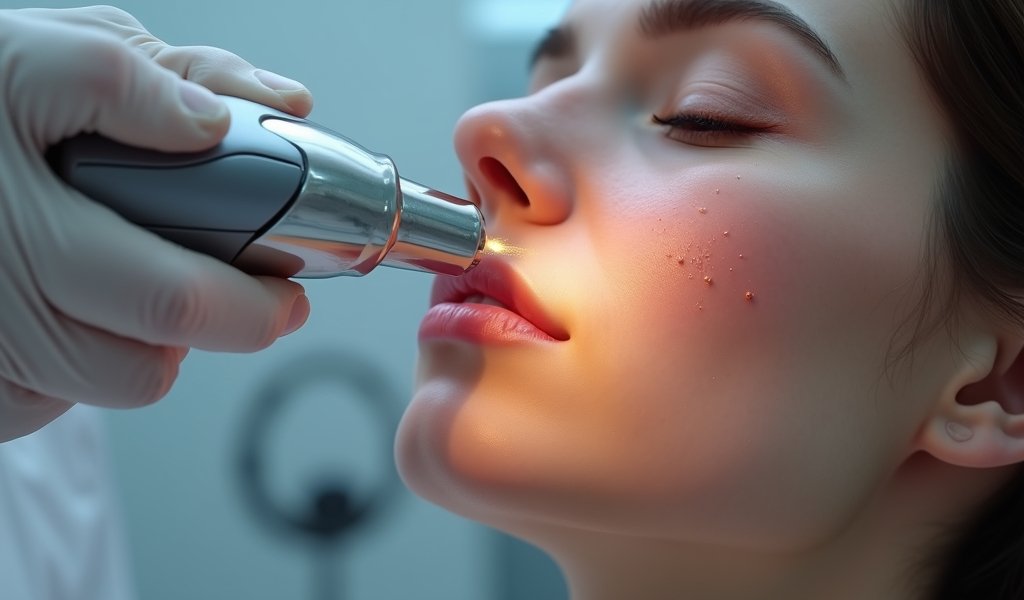
The process is remarkably precise. The laser emits concentrated light energy at a specific wavelength that’s selectively absorbed by the hemoglobin (the red blood cells) within the visible blood vessels. This creates heat within the targeted vessel, causing it to collapse and seal shut while leaving surrounding tissue untouched. Over time, your body naturally removes these treated vessels through its lymphatic system.
This highly targeted approach is what makes laser treatment so effective. The technology has evolved significantly over the past decade, with newer devices offering enhanced precision and comfort. According to studies published in the Journal of Clinical and Aesthetic Dermatology, laser treatments can achieve 50-75% clearance of facial telangiectasia in just 1-2 sessions, with some patients experiencing up to 90% improvement with additional treatments.
The key advantage of laser therapy is its non-invasive nature. Unlike surgical approaches, there’s no cutting, stitching, or significant recovery time. The laser light passes harmlessly through the outer layers of skin to reach its target beneath, making it both effective and gentle when performed properly at a reputable wellness center near you.
Types of Laser Treatments for Vascular Concerns
Not all laser treatments are created equal when it comes to addressing broken blood vessels. Several types of lasers and light-based therapies have proven effective, each with its own particular strengths. Understanding these options can help you have an informed conversation with your provider about the best approach for your unique concerns.
The most commonly used laser systems for vascular lesions include:
Pulsed Dye Laser (PDL)
Considered by many dermatologists to be the gold standard for treating broken blood vessels, PDL systems emit a wavelength specifically absorbed by hemoglobin. These lasers are extremely effective for facial vessels, particularly those associated with rosacea. The most modern PDL systems incorporate cooling technology to minimize discomfort. They’re often preferred for their precision and documented safety record spanning decades.
Nd:YAG Lasers
These versatile lasers can penetrate deeper into the skin, making them particularly effective for treating larger or deeper vessels. They’re often the preferred choice for leg veins but can be calibrated for facial vessels as well. Nd:YAG lasers may be suitable for patients with darker skin tones, as they have a lower risk of affecting melanin (the skin’s natural pigment).
Intense Pulsed Light (IPL)
While not technically a laser, IPL devices emit multiple wavelengths of light to target various skin concerns simultaneously. They can address broken blood vessels while also treating sun damage and pigmentation issues. IPL tends to require more sessions than true lasers but offers the advantage of treating multiple skin concerns in one treatment.
KTP Lasers
These green-light lasers are excellent for smaller, superficial facial vessels. They’re often used for precise treatment of individual vessels and can be particularly effective around the nose and cheeks.
The ideal laser for your situation depends on several factors, including the size and location of your vessels, your skin tone, and whether you have additional skin concerns to address. At a quality skin wellness center, providers will assess these factors to recommend the most appropriate technology for your needs.
During my years in practice, I’ve found that combination approaches sometimes yield the best results—perhaps using one type of laser for larger vessels and another for finer ones. The technology continues to evolve, with newer systems offering enhanced comfort features and more precise targeting abilities.
Benefits of Laser Treatment for Broken Blood Vessels
Laser treatment for broken blood vessels offers numerous advantages over traditional approaches, making it increasingly the go-to solution for patients seeking effective treatment. Understanding these benefits can help you decide if this approach aligns with your aesthetic goals and lifestyle.
The primary benefits include:
- Non-invasive procedure with no needles or incisions
- Minimal discomfort during treatment (often described as a mild snapping sensation)
- Quick treatment sessions, typically 15-30 minutes depending on the area
- Minimal downtime, with most patients returning to normal activities immediately
- Highly targeted approach that preserves surrounding tissue
- Progressive results that look natural
- Long-lasting results when combined with good sun protection
- Suitable for multiple areas of the body, including face, chest, and legs
One of the most significant advantages is the immediacy of results. While some vascular treatments require weeks to show improvement, many patients notice initial clearing of vessels immediately or within days after laser treatment. This quick feedback loop provides reassurance and satisfaction that can boost confidence.
Another key benefit is the preventative aspect. Research published in the Journal of Cosmetic Dermatology suggests that regular laser treatments may help manage chronic conditions like rosacea, potentially reducing flare-ups and preventing new vessel formation when performed as part of a comprehensive treatment plan.
For patients concerned about aesthetics, laser treatment offers natural-looking results without changing facial contours or expressions. Unlike some cosmetic procedures, there’s no “overdone” look—just clearer skin and reduced redness that enhances your natural appearance.
Preparing for Your Laser Treatment Session
Proper preparation can significantly enhance both the safety and effectiveness of your laser treatment. If you’re scheduled for a session, following these guidelines will help ensure optimal results:
- Avoid sun exposure for at least 2-4 weeks before treatment
- Discontinue retinoids, glycolic acids, and similar products 5-7 days before treatment
- Skip blood-thinning medications like aspirin if approved by your primary doctor
- Come to your appointment with clean skin free of makeup or lotions
- If you have a history of cold sores, inform your provider (laser can sometimes trigger outbreaks)
- Stay well-hydrated in the days leading up to treatment
- Avoid alcohol for 24-48 hours before your session to reduce potential bruising
Your consultation appointment is the perfect opportunity to discuss your medical history and current skincare routine with your provider. Be particularly forthcoming about any medications you’re taking, skin conditions you experience, and previous cosmetic procedures. This information helps your provider customize treatment parameters for your specific situation.
It’s also wise to plan your treatment timing strategically. While modern laser treatments have minimal downtime, you might experience some redness or slight swelling. Consider scheduling your session when you don’t have major social or professional events in the following 2-3 days. This gives your skin ample time to recover without added pressure.
Many patients find it helpful to prepare questions in advance. Understanding what to expect during and after treatment can reduce anxiety and help you feel more in control of your aesthetic journey. The professionals at any quality wellness clinic near you should be happy to address all your concerns before proceeding.
What to Expect During and After Treatment
Walking into your laser treatment appointment with realistic expectations helps ensure a positive experience. Here’s a detailed breakdown of what typically occurs during and after the procedure:
During Treatment:
Your session will begin with cleansing of the treatment area to remove any oils or products. Protective eyewear will be provided, as the intense light from the laser can damage eyes. Your provider will then adjust the laser settings based on your specific vessels, skin type, and treatment goals.
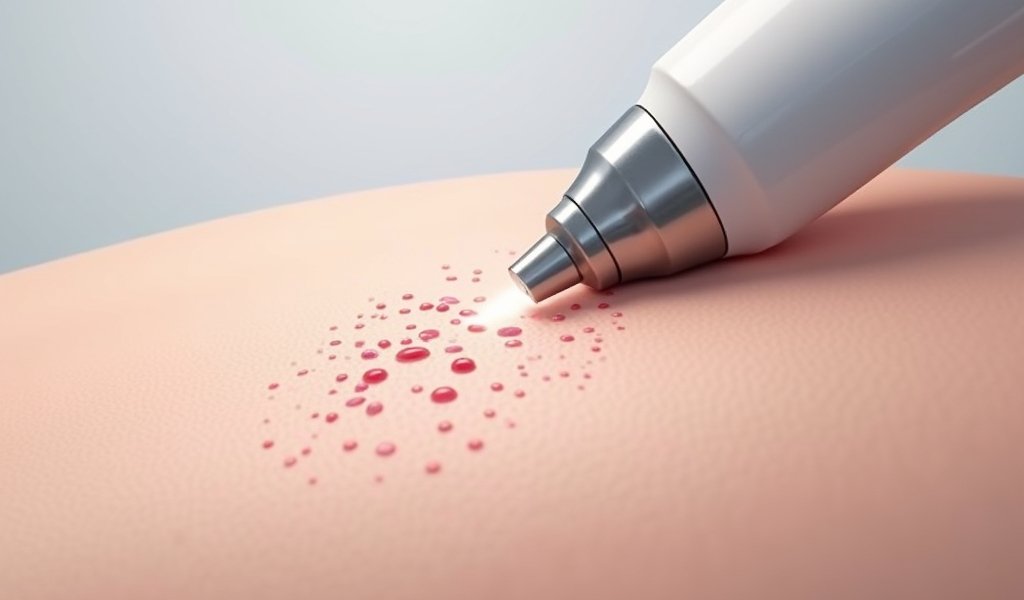
The actual treatment feels like a series of quick, warm snaps against the skin—often described as similar to a rubber band snapping. Most modern laser systems incorporate cooling mechanisms that activate before or after each pulse, minimizing discomfort. For sensitive areas or patients with low pain tolerance, a topical numbing cream may be applied beforehand.
The procedure itself is remarkably quick, often taking just 15-30 minutes depending on the size of the treatment area. During this time, you’ll hear the laser machine making clicking sounds as it delivers each pulse of energy. Your provider will methodically work across the treatment area, ensuring comprehensive coverage.
Immediately After Treatment:
Immediately following treatment, you can expect some redness and warmth in the treated area—similar to a mild sunburn. The targeted vessels may appear darker or more pronounced temporarily, which is actually a positive sign indicating they’ve absorbed the laser energy effectively.
Your provider will apply a soothing gel or cream and provide detailed aftercare instructions. You’ll be able to leave the office immediately, though application of makeup is typically discouraged for the first several hours.
The Days Following Treatment:
Over the next few days, you may notice the treated vessels becoming less visible as your body begins clearing them away. Some vessels may disappear immediately, while others fade gradually over 2-3 weeks. Occasionally, slight bruising can occur, particularly with more aggressive treatments or in areas with denser vessel networks.
Sun protection becomes absolutely critical during the recovery period. Your skin will be more photosensitive, and UV exposure could potentially trigger new vessel formation or hyperpigmentation. Use a broad-spectrum SPF 30+ sunscreen diligently.
Most patients return to their normal activities immediately, though it’s wise to avoid intense exercise, hot showers, saunas, or alcohol for 24-48 hours, as these can increase blood flow and potentially diminish results.
Potential Side Effects and Safety Considerations
While laser treatment for broken blood vessels is generally safe when performed by qualified professionals, it’s important to understand potential side effects and safety considerations. Being informed helps you assess risks and recognize when post-treatment symptoms are normal versus when they might require medical attention.
Common and expected side effects include:
- Temporary redness and warmth (typically resolves within hours to days)
- Mild swelling, particularly around delicate areas like eyes
- Slight crusting or darkening of treated vessels before they clear
- Temporary sensitivity to touch in the treated area
Less common but possible side effects include:
- Bruising, particularly in areas with denser vessel networks
- Temporary hyperpigmentation (darkening of skin)
- Hypopigmentation (lightening of skin), more common in darker skin tones
- Blistering or crusting if energy settings are too high
- Scarring (extremely rare with proper treatment parameters)
The risk of side effects increases significantly with improper treatment, which is why choosing a qualified provider is crucial. A study in the Journal of Cutaneous and Aesthetic Surgery found that the vast majority of adverse effects from laser treatments were associated with either inappropriate patient selection or improper technique.
Certain individuals may not be ideal candidates for laser vascular treatments, including:
- Pregnant women (as a precautionary measure)
- People with certain photosensitive conditions or taking photosensitizing medications
- Those with unrealistic expectations about results
- Individuals with significant tanning or recent sun exposure
- People with certain autoimmune conditions affecting the skin
Always alert your provider to any unusual symptoms following treatment. While some redness and sensitivity are expected, increasing pain, significant swelling, blistering, or signs of infection warrant immediate medical attention.
Cost Considerations and Number of Sessions
Understanding the financial aspects of laser treatments helps you plan appropriately and assess the value of this investment in your appearance. The cost of laser treatment for broken blood vessels varies considerably based on several factors.
Pricing typically depends on:
- Geographic location (major metropolitan areas generally command higher prices)
- Provider credentials and experience
- Type of laser technology used
- Size of the treatment area
- Number of sessions required
- Whether the treatment is combined with other procedures
As a general guideline, facial treatments for broken blood vessels typically range from $300-$600 per session for small areas (like just the nose or cheeks) to $700-$1,200 for full-face treatments. Larger body areas, such as the legs, may cost more due to the increased time and resources required.
Most patients require 1-3 sessions for optimal results, spaced approximately 4-6 weeks apart. Vessels on the face typically respond more quickly than those on the body, often showing significant improvement after just one treatment. More extensive or stubborn vessels may require additional sessions.
It’s important to note that laser treatment for broken blood vessels is generally considered cosmetic and therefore not covered by medical insurance. However, some providers offer financing options or treatment packages that can make the investment more manageable.
During your consultation, ask for a detailed breakdown of costs and what’s included. Some facilities bundle follow-up visits or touch-up treatments, while others charge separately for each visit. Understanding the complete financial picture helps avoid surprises and allows you to make an informed decision.
While considering cost, remember that quality and safety should remain priority factors in your decision. Unusually low pricing may indicate outdated equipment, inexperienced providers, or inappropriate treatment parameters that could lead to suboptimal results or even complications.
Alternatives to Laser Treatment
While laser therapy represents the gold standard for treating broken blood vessels, it’s not the only option available. Understanding alternatives allows you to make a fully informed decision based on your specific needs, preferences, and budget.
Common alternatives include:
Sclerotherapy
This injection-based treatment involves introducing a solution directly into the vessel, causing it to collapse. While highly effective for larger leg veins, sclerotherapy is generally less suitable for facial vessels due to the risk of scarring and the technical difficulty of injecting such tiny vessels. It remains a primary treatment for larger spider veins on the body.
Intense Pulsed Light (IPL)
As mentioned earlier, IPL isn’t technically a laser but uses broad-spectrum light to target vessels. It can be effective for mild to moderate vessels, particularly when combined with other skin concerns like sun damage. IPL typically requires more sessions than true laser treatments but may offer the advantage of addressing multiple concerns simultaneously.
Radiofrequency Treatments
Newer devices combine radiofrequency energy with other technologies to address vascular concerns. These treatments often cause less discomfort but may require more sessions to achieve comparable results to laser therapy.
Topical Treatments
Products containing ingredients like vitamin K, horse chestnut extract, or niacinamide may help strengthen vessel walls and reduce the appearance of mild telangiectasia. However, these typically offer subtle improvement at best and require consistent, long-term application.
Camouflage Techniques
For those seeking immediate results or unable to pursue procedural options, specialized color-correcting makeup can effectively conceal redness and visible vessels. Green-tinted primers followed by foundation provide temporary coverage for special events or daily confidence.
When evaluating alternatives, consider factors beyond just effectiveness, such as recovery time, comfort level, number of sessions required, and long-term value. What works beautifully for one person may not be ideal for another based on individual vessel characteristics, skin type, and personal preferences.
A consultation with a dermatologist or vascular specialist can help determine which approach best suits your unique situation. Many patients ultimately find that a combination approach—perhaps using lasers for larger vessels and topical products for maintenance—provides the most comprehensive solution.
Choosing the Right Provider for Your Treatment
The single most important decision you’ll make regarding laser treatment for broken blood vessels isn’t about the specific laser technology—it’s about who performs your treatment. The provider’s skill, experience, and judgment significantly impact both your safety and results.
When selecting a provider, consider these essential factors:
- Credentials and specialization (dermatologists, plastic surgeons, or specially trained nurses or physician assistants working under physician supervision)
- Specific experience with vascular lasers (not just laser experience in general)
- Before and after photos of their actual patients
- Technology used and how recently it was acquired
- Patient reviews and testimonials
- Thoroughness of consultation process
- Comfort level with the provider and their team
A quality provider will conduct a comprehensive assessment before treatment, examining your skin under magnification and possibly using specialized imaging to evaluate vessel patterns beneath the skin’s surface. They’ll discuss realistic expectations, potential side effects, and alternative approaches rather than simply booking your treatment immediately.
Be wary of facilities that emphasize speed or price over quality, or those that employ high-pressure sales tactics. Laser treatments require both technical skill and artistic judgment—they’re not commodity services where the cheapest option provides equivalent results.
Consider asking these questions during your consultation:
- “How many vascular laser treatments do you perform weekly?”
- “What specific laser systems do you use for broken blood vessels, and why?”
- “What results can I realistically expect from my specific vessels?”
- “Who actually performs the treatments? Is it the same person each time?”
- “What happens if I experience side effects or unsatisfactory results?”
Remember that truly skilled providers will welcome these questions rather than considering them challenging. They understand that informed patients make better candidates and are more likely to be satisfied with their results.
Conclusion
Laser treatment for broken blood vessels represents one of modern dermatology’s most elegant solutions—a precise, effective approach to a common concern that once had limited treatment options. When performed by qualified professionals using appropriate technology, these treatments can dramatically improve the appearance of vascular lesions with minimal discomfort and downtime.
The key takeaways from our comprehensive review include:
- Laser therapy targets hemoglobin in visible vessels without damaging surrounding skin
- Different laser systems offer specific advantages for various vessel types and skin tones
- Most patients see significant improvement in 1-3 sessions with results that can last years with proper sun protection
- The procedure is generally well-tolerated with minimal downtime
- Provider selection is the most critical factor in achieving optimal results safely
Whether you’re dealing with the characteristic flush of rosacea, isolated spider veins from sun damage, or vascular changes related to aging, laser treatment offers a reliable solution that addresses the root of the problem rather than merely concealing it. The technology continues to evolve, with newer systems offering enhanced comfort, precision, and effectiveness.
As with any aesthetic procedure, maintaining realistic expectations and understanding that results may vary based on individual factors will help ensure your satisfaction with the outcome. While laser treatment can dramatically improve the appearance of broken blood vessels, combining it with good skincare habits—particularly sun protection—provides the most comprehensive and lasting solution.
Got any questions about achieving your health goals? Contact me here! Looking forward to hearing from you!
Frequently Asked Questions
How painful is laser treatment for broken blood vessels?
Most patients describe it as mildly uncomfortable rather than painful—like a rubber band snapping against the skin. Modern systems include cooling technology that significantly reduces discomfort.
How long do results from vascular laser treatments last?
Results can last for years, especially when combined with good sun protection and avoiding triggers. Some vessels may never return, while others might gradually redevelop based on genetic factors.
Can laser treatment make broken blood vessels worse?
When performed properly, laser treatment should not worsen vessels. Temporary darkening or visibility may occur immediately after treatment but typically resolves as the body clears the treated vessels.
Is laser treatment safe for all skin types?
Different lasers are appropriate for different skin types. While some lasers work well on all skin tones, others may pose increased risks for darker complexions, making proper provider selection crucial.
How soon will I see results from laser treatment for broken blood vessels?
Many patients notice immediate improvement after treatment, with vessels appearing less prominent within days. Full results typically develop over 2-3 weeks as the body clears the treated vessels.