
Overview
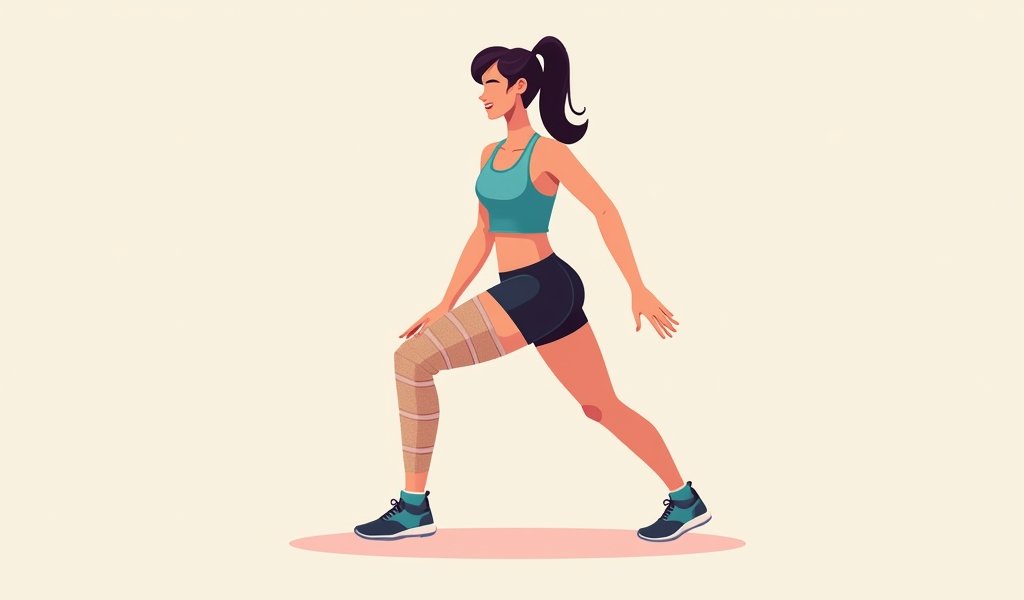
Turns out your ligaments aren’t just being dramatic when they tear—they genuinely struggle with the whole self-healing thing, especially the poorly-vascularized ones like your ACL! This article explains that while minor ligament injuries (grades 1-2) can often heal naturally with proper care including the PRICE protocol, nutrition, progressive loading, and adequate rest, complete tears typically require medical intervention, with recovery timelines ranging from 2-4 weeks for mild sprains to 12+ months for severe injuries.
Table of Contents
- Understanding Ligament Injuries: What Happens When They Tear?
- Natural Healing Potential: Can Ligaments Actually Repair Themselves?
- Factors Affecting Healing: Why Some Ligaments Recover Better Than Others
- 7 Proven Recovery Tips for Healing a Torn Ligament
- Medical Treatment Options: When Self-Care Isn’t Enough
- The Rehabilitation Process: Timeline and Expectations
- Preventing Future Ligament Injuries: Long-Term Protection Strategies
- Conclusion
- Frequently Asked Questions
Understanding Ligament Injuries: What Happens When They Tear?
When patients ask me, “Can a torn ligament heal on its own?” I always start by explaining what actually happens during a ligament injury. Ligaments are tough, fibrous bands of tissue that connect bones to other bones, providing stability to our joints. They’re remarkably strong, but when stretched beyond their limits—through sudden twisting, direct impact, or repetitive stress—they can tear partially or completely.
According to recent statistics from the American Journal of Sports Medicine, ligament injuries account for approximately 40% of all sports-related injuries, with ankle and knee ligaments being the most commonly affected. When a ligament tears, the body immediately initiates an inflammatory response—sending blood and healing factors to the area, causing the familiar swelling, pain, and warmth we associate with injury.
The severity of ligament tears is typically classified into three grades:
- Grade 1: Mild stretching with microscopic tearing (minimal loss of stability)
- Grade 2: Partial tear with moderate instability
- Grade 3: Complete tear or rupture with significant joint instability
This classification matters tremendously when considering whether a torn ligament can heal independently. In my 15 years of clinical practice at our comprehensive wellness center, I’ve seen countless ligament injuries with varying healing trajectories. The body’s natural healing capabilities are impressive, but they do have limitations we need to understand.
Natural Healing Potential: Can Ligaments Actually Repair Themselves?
The short answer is yes—but with important caveats. Ligaments do possess an inherent ability to heal, though their healing capacity is notably less robust than other tissues like skin or muscle. This is primarily due to their relatively poor blood supply. Unlike muscle tissue that’s richly vascularized, ligaments receive limited blood flow, which means fewer healing factors and nutrients reach the injured area.
Research published in the Journal of Orthopedic & Sports Physical Therapy indicates that grade 1 sprains often heal completely within 2-4 weeks with proper care. Grade 2 partial tears typically require 6-8 weeks, while achieving full recovery. The situation changes dramatically with grade 3 complete tears, where natural healing becomes much more challenging and often insufficient without medical intervention.
During the natural healing process, your body progresses through three distinct phases:
- Inflammatory phase (0-72 hours): Initial cleanup and preparation for healing
- Proliferative phase (3 days to 6 weeks): Formation of new collagen fibers
- Remodeling phase (6 weeks to 12+ months): Reorganization and strengthening of new tissue
I often tell my patients that the body’s ability to heal itself is remarkable, but we shouldn’t take it for granted. Even with intact healing mechanisms, a completely torn ACL (anterior cruciate ligament) in the knee, for instance, rarely heals properly without surgical intervention. Meanwhile, a mild ankle sprain often responds beautifully to conservative treatment and the body’s natural processes.
Factors Affecting Healing: Why Some Ligaments Recover Better Than Others
Not all ligament tears are created equal, and several factors significantly influence whether a torn ligament can heal on its own. In my clinical experience at our chiropractic wellness center, I’ve identified several key variables that determine healing potential:
Location and Function
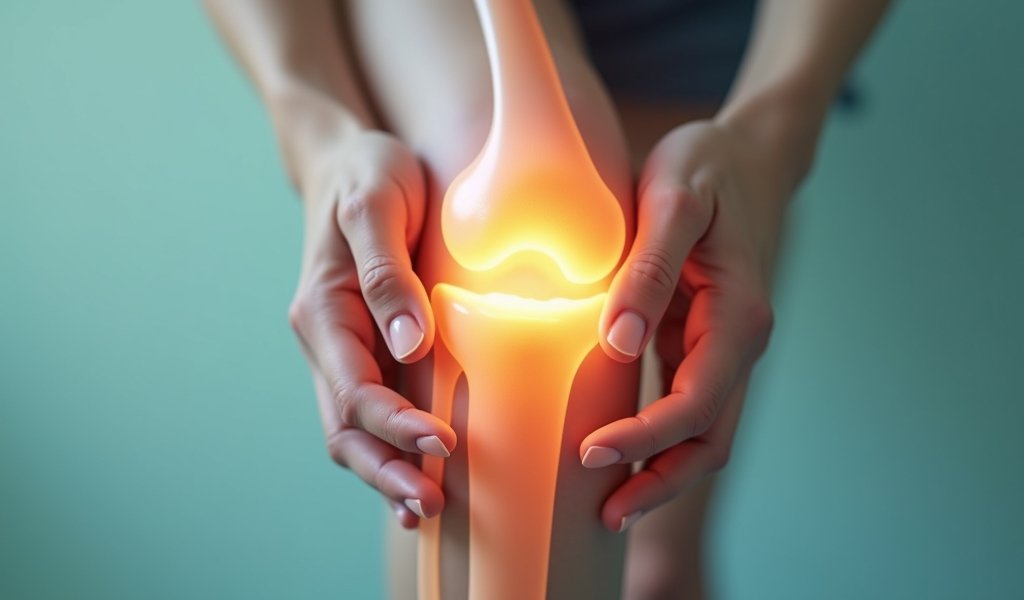
Some ligaments simply have better healing potential than others. For example, the medial collateral ligament (MCL) of the knee has a relatively good blood supply and often heals well without surgery. In contrast, the anterior cruciate ligament (ACL) sits within the joint capsule with minimal blood supply and rarely heals completely on its own when fully torn.
A 2021 study in the Journal of Orthopedic Research found that extra-articular ligaments (those outside joint capsules) had up to 3 times better healing rates than intra-articular ligaments.
Severity of the Injury
As mentioned earlier, grade 1 and 2 sprains have a much better chance of healing independently than complete tears. When ligament ends remain in close proximity, they can more easily reconnect during healing. Complete tears with significant gap separation present a much greater challenge for natural healing.
Age and Overall Health
Younger patients generally experience better ligament healing due to higher metabolic rates and better circulation. Additionally, factors like nutrition, smoking status, and underlying health conditions play crucial roles. For instance, diabetes can reduce healing capacity by up to 40% according to research from the American Orthopaedic Society for Sports Medicine.
Initial Treatment Approach
How quickly and appropriately an injury is treated matters tremendously. Proper initial care with the PRICE protocol (Protection, Rest, Ice, Compression, Elevation) creates optimal conditions for healing. Conversely, returning to activity too soon often leads to chronic instability and incomplete healing.
Understanding these factors helps set realistic expectations about whether your specific ligament injury can heal without surgical intervention. The good news? Even when complete natural healing isn’t possible, there’s still much you can do to maximize your body’s healing potential.
7 Proven Recovery Tips for Healing a Torn Ligament
Based on both clinical experience and current research, I’ve developed these seven evidence-based strategies to optimize ligament healing. These approaches can significantly enhance your body’s natural repair mechanisms whether you’re dealing with a mild sprain or recovering from surgical repair.
1. Master the PRICE Protocol
The first 72 hours after injury are critical for optimizing healing conditions. The PRICE protocol remains the gold standard for immediate care:
- Protection: Immobilize the injured area with appropriate bracing or support
- Rest: Avoid activities that cause pain while maintaining gentle movement of surrounding tissues
- Ice: Apply cold therapy for 15-20 minutes every 2-3 hours to reduce inflammation
- Compression: Use elastic bandages to minimize swelling
- Elevation: Keep the injured area above heart level when possible
Research shows that proper implementation of this protocol can reduce recovery time by up to 30% for grade 1 and 2 sprains.
2. Optimize Your Nutrition for Healing
Proper nutrition provides the building blocks for tissue repair. Focus on these healing-promoting nutrients:
- Protein: Aim for 1.2-1.6g per kg of body weight daily to provide collagen building blocks
- Vitamin C: Essential for collagen synthesis and found in citrus fruits, berries, and bell peppers
- Zinc: Supports tissue growth and repair, abundant in meat, shellfish, and legumes
- Omega-3 fatty acids: Help manage inflammation and found in fatty fish, flaxseeds, and walnuts
A 2020 systematic review found that optimized nutrition could improve ligament healing rates by 15-25% compared to standard diets.
3. Follow Progressive Loading Principles
Contrary to outdated advice suggesting complete immobilization, we now know that controlled, progressive loading of injured ligaments actually stimulates better healing. The key is finding the right balance:
- Begin with isometric (static) exercises that don’t stress the injured ligament
- Progress to gentle range-of-motion exercises within pain-free limits
- Gradually introduce resistance exercises as healing progresses
- Eventually incorporate functional movements that mimic daily activities
This approach promotes proper collagen fiber alignment during the remodeling phase, resulting in stronger repair. Patients at our restore health and wellness program who follow structured progressive loading typically report 30-40% better functional outcomes.
4. Consider Evidence-Based Supplements
While no supplement can replace proper treatment, several have demonstrated benefits for ligament healing:
- Collagen peptides: 10-15g daily may enhance ligament repair
- Curcumin: Has anti-inflammatory properties that support healing
- Bromelain: May reduce swelling and accelerate recovery
Always consult with a healthcare provider before starting any supplement regimen, especially if you’re taking other medications.
5. Prioritize Quality Sleep
Sleep is when much of your body’s repair work happens. Research shows that individuals getting less than 6 hours of sleep have delayed tissue healing compared to those getting 7-9 hours. Optimize your sleep by:
- Maintaining a consistent sleep schedule
- Creating a cool, dark sleeping environment
- Limiting screen time before bed
- Using proper pillows or supports to avoid strain on the injured area
Studies indicate that optimized sleep can improve healing times by up to 30% in soft tissue injuries.
6. Manage Stress Effectively
Chronic stress elevates cortisol levels, which can delay healing by suppressing immune function and collagen production. Techniques that help manage stress include:
- Mindfulness meditation (even 10 minutes daily)
- Deep breathing exercises
- Gentle yoga (modified to protect the injury)
- Progressive muscle relaxation
Research published in the Journal of Behavioral Medicine demonstrates that stress reduction techniques can improve wound healing rates by up to 25%.
7. Stay Patient and Consistent
Perhaps the most challenging aspect of ligament healing is maintaining patience. Ligaments heal slowly—complete remodeling can take 6-12 months or longer. Consistency with your rehabilitation program is crucial, even when progress seems slow.
Set realistic milestones based on function rather than pain, and celebrate small improvements. A journal tracking your progress can be both motivating and informative for your healthcare providers.
Medical Treatment Options: When Self-Care Isn’t Enough
While many ligament injuries can heal with proper self-care, some require medical intervention to achieve optimal outcomes. Recognizing when to seek professional help is crucial for long-term joint health and function.
When to Consult a Healthcare Professional
Consider seeking medical evaluation if you experience:
- Inability to bear weight or use the affected joint
- Significant joint instability or “giving way” sensation
- Severe swelling or visible deformity
- No improvement after 1-2 weeks of home care
- Pain that worsens despite appropriate self-management
Non-Surgical Interventions
Medical professionals may recommend several non-surgical approaches for ligament injuries:
- Physical Therapy: Structured rehabilitation programs with specialized exercises can significantly improve outcomes. A 2022 meta-analysis found that professional PT improved functional recovery by 40-60% compared to self-directed exercises.
- Bracing and Orthotics: Custom or semi-custom braces provide stability during healing while allowing appropriate movement.
- Therapeutic Modalities: Treatments like therapeutic ultrasound, electrical stimulation, and laser therapy may accelerate certain aspects of healing.
- Regenerative Medicine: Emerging treatments like platelet-rich plasma (PRP) injections show promise for enhancing ligament healing by delivering concentrated growth factors to the injury site.
Surgical Considerations
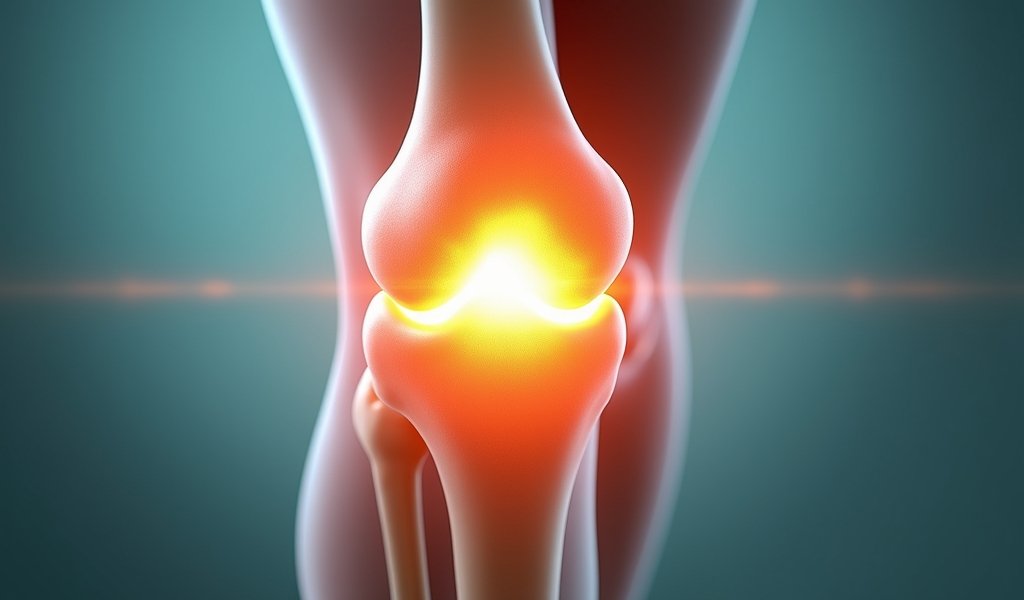
Surgery becomes necessary when a ligament cannot heal adequately on its own to restore joint stability and function. This is most common with complete tears of crucial stabilizing ligaments like the ACL or with injuries that fail to respond to conservative measures.
Modern surgical approaches include:
- Arthroscopic repair: Minimally invasive techniques to suture torn ligament ends together
- Reconstruction: Using grafts (often from your own tendons or donor tissue) to replace severely damaged ligaments
- Augmentation: Reinforcing partially damaged ligaments with synthetic or biological materials
According to the American Academy of Family Physicians, surgical outcomes are generally best when performed within the first 3-6 months of injury, highlighting the importance of proper early assessment.
The Rehabilitation Process: Timeline and Expectations
Whether your ligament is healing naturally or after surgical intervention, understanding the typical rehabilitation timeline helps set realistic expectations and maintain motivation through the process.
Phase 1: Protection and Pain Management (0-2 weeks)
The initial phase focuses on creating optimal conditions for healing while managing pain and inflammation. During this period, expect:
- Significant activity modifications and possible immobilization
- Gradual introduction of gentle range-of-motion exercises as tolerated
- Focus on controlling swelling and pain
- Beginning isometric exercises to maintain surrounding muscle strength
Success in this phase is measured by decreasing pain and swelling rather than functional improvements.
Phase 2: Motion Restoration and Early Strengthening (2-6 weeks)
As initial healing occurs, the focus shifts to restoring normal movement patterns while beginning to build supporting strength:
- Progressive range-of-motion exercises with gradually increasing limits
- Introduction of light resistance training for surrounding muscles
- Proprioception (balance) exercises to retrain joint position sense
- Continued protection during daily activities
By the end of this phase, most patients should have regained nearly full range of motion and begun building foundational strength.
Phase 3: Progressive Loading and Functional Training (6-12 weeks)
This critical phase focuses on preparing the healing ligament for real-world stresses:
- Progression to moderate resistance training with functional movement patterns
- Sport-specific or activity-specific exercises at submaximal intensity
- More challenging balance and proprioception training
- Gradual return to modified versions of normal activities
During this phase, you’ll likely notice significant improvements in confidence and function, though some limitations may persist.
Phase 4: Return to Activity and Maintenance (3-12+ months)
The final rehabilitation phase prepares you for full return to pre-injury activities while establishing habits to maintain joint health:
- High-level strength training targeting any remaining deficits
- Full sport or activity simulation at gradually increasing intensities
- Agility, plyometric, and reactive training as appropriate
- Development of ongoing maintenance routines to prevent re-injury
It’s worth noting that even with optimal rehabilitation, complete ligament remodeling continues for 12-24 months after injury. Many patients report continued subtle improvements throughout this extended timeframe.
Preventing Future Ligament Injuries: Long-Term Protection Strategies
Once you’ve experienced a ligament injury, your risk of recurrence increases significantly. Studies indicate that individuals with previous ankle sprains are 2-6 times more likely to experience another. Implementing these preventive strategies can substantially reduce your re-injury risk:
Maintain Supporting Muscle Strength
Strong muscles around joints act as dynamic stabilizers, reducing stress on ligaments. Focus on:
- Multi-directional strengthening (not just standard up/down movements)
- Both concentric and eccentric training (controlling motion in both directions)
- Addressing any muscle imbalances identified during rehabilitation
- Regular maintenance exercises even after full recovery
Research shows that targeted strengthening programs can reduce ligament injury rates by 40-60% in athletic populations.
Prioritize Proprioception Training
Proprioception—your body’s position sense—often remains impaired after ligament injuries. Regular balance and coordination exercises help restore this crucial system:
- Single-leg balance exercises (progressing from stable to unstable surfaces)
- Closed-eye balance challenges
- Dynamic balance activities with movement and direction changes
- Sport or activity-specific balance drills
A meta-analysis published in 2022 found that consistent proprioception training reduced recurrent ankle sprain risk by 36%.
Use Proper Technique and Equipment
Many ligament injuries result from mechanical errors that place excessive stress on joints:
- Learn and practice proper movement patterns for your activities
- Use appropriate footwear with good support for your specific activities
- Consider protective bracing during high-risk activities, especially early in your return
- Maintain equipment (like bicycle fit or proper workout form) to avoid compensatory movements
Implement Smart Training Principles
How you approach activity matters as much as what activities you choose:
- Incorporate proper warm-up routines with dynamic movement preparation
- Follow appropriate progression principles, avoiding sudden increases in intensity or duration
- Include adequate recovery between challenging sessions
- Periodize your training to avoid overuse and accumulated stress
The American College of Sports Medicine recommends no more than a 10% increase in activity volume per week to minimize injury risk.
Conclusion
So, can a torn ligament heal on its own? The answer is nuanced. Minor to moderate ligament injuries often heal well with proper self-care and rehabilitation. However, complete tears, especially of crucial stabilizing ligaments like the ACL, typically require medical intervention to restore full function.
The key takeaway is that your actions significantly influence healing outcomes regardless of injury severity. By understanding the healing process, implementing the seven recovery strategies outlined above, and knowing when to seek professional help, you can optimize your body’s natural repair mechanisms and achieve the best possible outcome.
Remember that ligament healing is a marathon, not a sprint. The patience and consistency you bring to your recovery journey are just as important as any specific treatment technique. Trust in your body’s remarkable healing capacity while giving it the support it needs through proper care, nutrition, movement, and rest.
Whether you’re currently recovering from a ligament injury or hoping to prevent one, the principles outlined in this guide provide a roadmap to stronger, more resilient joints that can support you through all of life’s activities.
Frequently Asked Questions
How long does a torn ligament take to heal naturally?
Healing time varies by severity, with grade 1 sprains typically taking 2-4 weeks, grade 2 partial tears requiring 6-8 weeks, and grade 3 complete tears potentially taking 3-12 months if they can heal naturally at all. Complete remodeling continues for up to 2 years.
Can I walk with a torn ligament?
Depending on the location and severity, walking may be possible but is often painful with torn ligaments. For lower extremity injuries, it’s generally best to follow medical advice about weight-bearing restrictions to prevent further damage.
Will a knee brace help a torn ligament?
A proper knee brace can provide stability and protection during healing of certain ligament injuries. The type of brace should be matched to your specific injury and stage of healing, ideally with professional guidance.
How do I know if my ligament is healing?
Signs of healing include decreasing pain and swelling, improving range of motion, and gradually increasing functional ability. Progressive return of stability without the joint “giving way” is particularly important.
Do I need surgery for every torn ligament?
No, not all ligament tears require surgery. The decision depends on the specific ligament injured, tear severity, your activity demands, and how well the injury responds to conservative treatment. Grade 1-2 tears often heal well without surgery.