

Overview
In the chest-thumping world of fitness where “no pain, no gain” can quickly turn into “torn pec, what the heck,” this article outlines seven essential strategies to prevent pectoral tears including proper warm-up, progressive overload, correct technique, balanced training, adequate recovery, good nutrition, and body awareness. The author emphasizes that most pectoral tears occur during bench pressing and are preventable through consistent application of these principles, allowing fitness enthusiasts to maintain long-term training without devastating setbacks.
Table of Contents
- Understanding Pectoral Muscle Tears: What Every Fitness Enthusiast Should Know
- Signs and Symptoms of a Pectoral Muscle Tear
- 1. Proper Warm-Up: The Foundation of Injury Prevention
- 2. Progressive Overload: The Smart Way to Build Strength
- 3. Proper Technique: Quality Over Quantity
- 4. Balanced Training: Preventing Muscle Imbalances
- 5. Rest and Recovery: Giving Your Muscles Time to Heal
- 6. Nutrition and Hydration: Fueling Your Muscles
- 7. Listen to Your Body: The Ultimate Prevention Strategy
- Conclusion: Protecting Your Pecs for the Long Haul
- Frequently Asked Questions
Tearing a pectoral muscle can be a devastating injury for anyone engaged in bodybuilding or fitness activities. As a sports medicine specialist with over 15 years of experience, I’ve seen firsthand how this injury can derail training plans and lead to months of painful recovery. The good news? Most pec tears are preventable with the right approach. In this comprehensive guide, I’ll walk you through seven proven strategies to protect your chest muscles and keep you lifting safely for years to come.
Understanding Pectoral Muscle Tears: What Every Fitness Enthusiast Should Know
The pectoralis major, commonly known as the “pec,” is a large, fan-shaped muscle that spans across your chest. It’s responsible for multiple arm movements, including pushing, pulling, and rotating. Due to its prominent role in many upper body exercises—especially bench press, pushups, and flyes—it’s particularly vulnerable to injury when subjected to excessive force or improper technique.
Pec tears typically occur at one of three locations: the muscle belly (the meaty part), the musculotendinous junction (where muscle meets tendon), or at the tendon’s attachment to the bone. Complete tears often require surgical intervention, while partial tears might heal with conservative treatment. However, both can result in significant loss of strength, reduced range of motion, and a lengthy rehabilitation period.
According to research published in the Journal of Orthopaedic Surgery and Research, approximately 60% of pectoral tears occur during bench pressing, with most victims being men between 20-40 years of age. Understanding the mechanics behind these injuries is the first step toward preventing them.
Signs and Symptoms of a Pectoral Muscle Tear
Before diving into prevention strategies, it’s important to recognize the warning signs of a potential pec tear. Early identification can prevent a minor injury from becoming a major problem.
The most common symptoms include:
- A sudden, sharp pain in the chest or shoulder area during exercise
- A popping or tearing sensation
- Immediate weakness in the affected arm
- Visible bruising or discoloration across the chest or upper arm
- Visible deformity—a “bunching” of the muscle toward the sternum
- Pain when bringing your arm across your body
If you experience any of these symptoms, stop exercising immediately and seek medical attention. Continuing to train with a partially torn pectoral can lead to complete rupture and significantly worse outcomes.
1. Proper Warm-Up: The Foundation of Injury Prevention
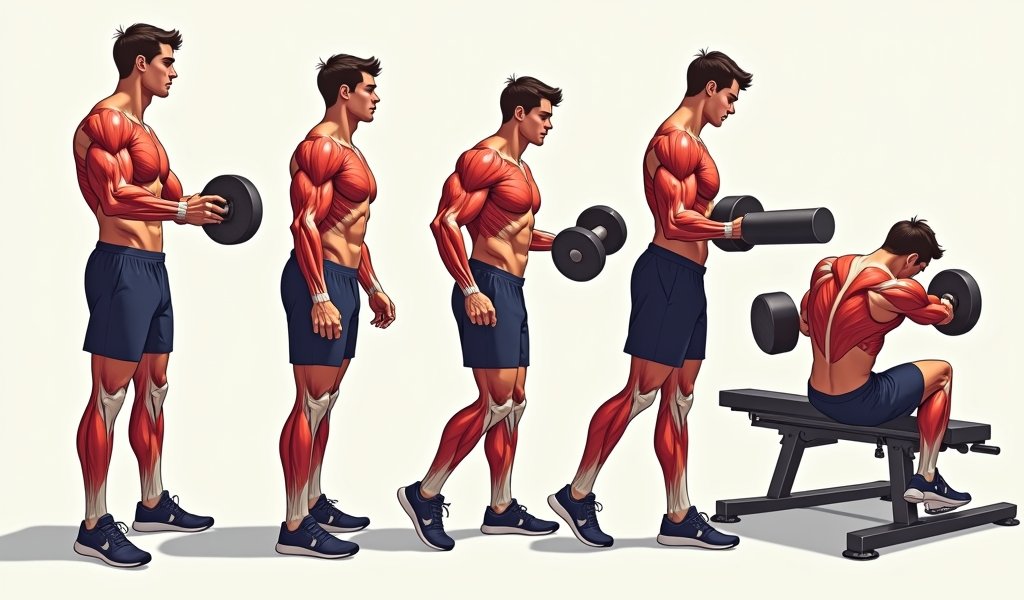
I can’t emphasize this enough: a thorough warm-up is non-negotiable for pec tear prevention. Cold muscles are tight muscles, and tight muscles are susceptible to tears when suddenly subjected to heavy loads.
An effective chest warm-up should include:
- 5-10 minutes of light cardiovascular activity to increase overall body temperature
- Dynamic stretching to improve range of motion (arm circles, cross-body reaches, etc.)
- Progressive loading with lighter weights before heavy sets
- Activation exercises for the rotator cuff and scapular stabilizers
Research from the American College of Sports Medicine indicates that properly warmed muscles can stretch up to 20% more before failure compared to cold muscles. This translates directly to reduced injury risk.
I recommend starting with empty bar work or very light dumbbells for your first few sets of any chest exercise. Focus on feeling the muscle working and establishing proper movement patterns before gradually increasing the weight.
2. Progressive Overload: The Smart Way to Build Strength
Progressive overload—gradually increasing the demands on your muscles over time—is essential for growth. However, when applied too aggressively, it becomes a primary cause of pectoral tears.
Many injuries occur when lifters attempt dramatic jumps in weight, especially after plateaus or when returning from breaks. Your tendons and ligaments adapt more slowly than your muscles, creating a dangerous mismatch when you increase weights too quickly.
Follow these guidelines for safe progression:
- Increase weights by no more than 5-10% per week
- Master proper form at lower weights before advancing
- Incorporate deload weeks every 4-6 weeks of training
- Track your lifts to ensure gradual, sustainable progress
As a physical wellness professional, I’ve observed that patience with progression not only prevents injuries but also leads to more sustainable long-term gains. Remember, strength building is a marathon, not a sprint.
3. Proper Technique: Quality Over Quantity
Poor form is perhaps the most significant risk factor for pectoral tears. Common technique errors that increase injury risk include:
- Excessive range of motion (allowing the bar to drop too low during bench press)
- Uneven bar paths that create imbalanced stress
- Bouncing the weight off the chest
- Flaring the elbows too wide during pressing movements
- Inadequate bracing and core stability
For bench press specifically—the exercise most associated with pec tears—maintain these form cues:
- Keep your shoulder blades retracted and “tucked” throughout the movement
- Maintain a slight arch in your lower back with feet planted firmly
- Keep elbows at about a 45-75 degree angle from your torso (not flared at 90 degrees)
- Control the eccentric (lowering) phase
- Lower the bar to mid-chest level, not the neck or upper abdomen
According to strength and conditioning research, keeping the elbows closer to the body during pressing exercises reduces strain on both the pectoral muscles and shoulder joints while still effectively targeting the chest muscles.
4. Balanced Training: Preventing Muscle Imbalances
Muscle imbalances are silent predators that set the stage for injuries. Many fitness enthusiasts disproportionately train the “mirror muscles” (chest, biceps, abs), creating strength disparities that alter biomechanics and increase injury risk.
To maintain balance around the shoulder girdle and protect your pecs:
- Train the back with at least equal volume as the chest (rows, pull-ups, face pulls)
- Strengthen the rotator cuff with specific exercises (external rotations, Y-T-W-L raises)
- Include horizontal pulling movements to counter pushing exercises
- Don’t neglect the smaller stabilizing muscles of the upper back and shoulders
Visiting a chiropractic wellness center for periodic assessments can help identify and address potential imbalances before they lead to injury. Many elite athletes integrate regular chiropractic care and movement assessments into their injury prevention protocols.
5. Rest and Recovery: Giving Your Muscles Time to Heal
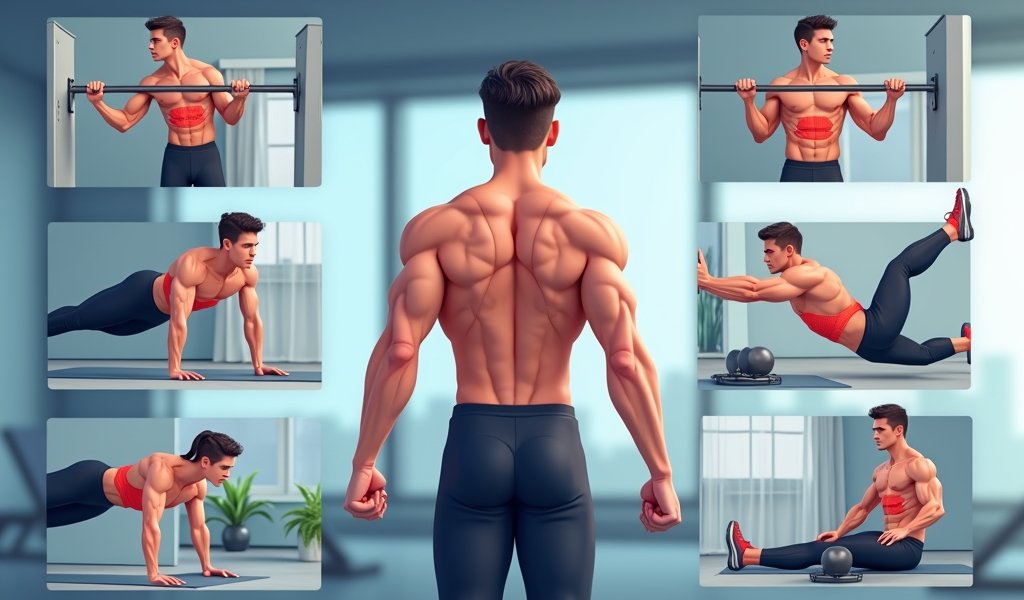
Overtraining is a significant risk factor for pectoral tears. Without adequate recovery time between intense chest workouts, microscopic muscle damage accumulates, weakening the tissue and creating vulnerability.
Research from the Journal of Orthopaedic & Sports Physical Therapy suggests that muscle protein synthesis—the process of repairing and building muscle tissue—can continue for up to 72 hours after intense training. This means your pecs might still be recovering even when they no longer feel sore.
Follow these recovery guidelines:
- Allow at least 48-72 hours between intense chest training sessions
- Prioritize quality sleep (7-9 hours nightly)
- Consider active recovery techniques like light swimming or walking
- Implement deload weeks during which you reduce volume or intensity by 40-50%
- Pay attention to persistent soreness or weakness—these are warnings
Remember, muscles grow during recovery, not during the workout itself. More is not always better when it comes to training frequency.
6. Nutrition and Hydration: Fueling Your Muscles
Proper nutrition plays a crucial role in maintaining the structural integrity of muscle tissue. Chronic nutritional deficiencies can weaken connective tissues and impair recovery, setting the stage for injuries.
Key nutritional factors for pec tear prevention include:
- Adequate protein intake (1.6-2.2g per kg of bodyweight for strength athletes)
- Sufficient caloric intake to support recovery
- Essential fatty acids for reduced inflammation
- Vitamins C, D, and minerals like zinc and magnesium for tissue repair
- Consistent hydration before, during, and after workouts
Dehydration particularly impacts injury risk by reducing the elasticity of muscle tissue. Even mild dehydration (2-3% of body weight) can significantly impair performance and increase injury susceptibility, according to research from the Gatorade Sports Science Institute.
Consider keeping a hydration log alongside your training journal to ensure you’re consistently meeting your fluid needs, especially during intense training phases.
7. Listen to Your Body: The Ultimate Prevention Strategy
Perhaps the most underrated yet effective strategy for preventing pec tears is simply listening to your body’s signals. Pain, unusual tightness, or weakness during chest exercises are warning signs that should never be ignored.
Develop these self-awareness habits:
- Distinguish between productive “training pain” and potentially injurious pain
- Assess recovery status before each workout
- Adjust your training plan based on how you feel, not just what was scheduled
- Keep a training journal to track patterns in performance and discomfort
- Don’t hesitate to reduce weight or volume when form begins to break down
I’ve witnessed countless injuries that could have been prevented if the athlete had simply respected their body’s early warning signals. Remember, it’s better to miss one workout than be forced to miss six months due to a serious injury.
Conclusion: Protecting Your Pecs for the Long Haul
Preventing a pectoral muscle tear isn’t about any single strategy but rather the consistent application of these seven principles. By warming up thoroughly, progressing gradually, maintaining proper form, balancing your training, prioritizing recovery, fueling appropriately, and listening to your body, you significantly reduce your risk of suffering this debilitating injury.
The most successful lifters are those who can train consistently over years and decades—not those who push to extremes for short periods before being sidelined by injuries. A torn pectoral muscle can set your fitness journey back by months or even permanently alter your lifting capacity. The investment in prevention strategies is minimal compared to the physical, emotional, and financial costs of rehabilitation.
Apply these principles consistently, and you’ll not only protect your pectoral muscles but also set yourself up for a lifetime of productive, injury-free training.
Frequently Asked Questions
Can you still work out with a partially torn pec?
No, you should completely rest a partially torn pectoral muscle until cleared by a medical professional. Continuing to train could lead to a complete tear requiring surgery.
How long does it take to recover from a pec tear?
Recovery time ranges from 6-12 weeks for minor partial tears to 6-12 months for surgically repaired complete tears. The timeline depends on tear severity, location, treatment approach, and individual healing factors.
Are some people more predisposed to pectoral tears?
Yes, risk factors include age (30+ years), previous chest injuries, steroid use, and certain anatomical variations. Those with naturally tight chest muscles or shoulder mobility issues may also face higher risk.
Can I prevent pec tears without giving up heavy bench pressing?
Absolutely, you can still bench heavy while minimizing risk through proper technique, gradual progression, adequate warm-ups, and balanced training. Many powerlifters maintain heavy bench programs for decades without injury.
What exercises should I avoid if I’m prone to chest injuries?
Exercises with extreme stretch positions like dips with excessive depth, flyes with heavy weights, and behind-the-neck presses pose higher risk. Modify these movements or find safer alternatives that don’t place the pectorals in vulnerable positions.
About the Author: Mike Smith is a certified strength and conditioning specialist with over a decade of experience in sports medicine and injury prevention. He specializes in helping athletes and fitness enthusiasts optimize their training while minimizing injury risk. Mike holds advanced certifications in corrective exercise and performance enhancement, and regularly contributes to leading health and fitness publications.