
Overview
Ear piercing pain varies widely by location—from gentle earlobe pinches (1-3/10) to the cartilage-crushing industrial piercings (6-8/10) that might make you question your life choices. The article provides practical pain management strategies before, during, and after piercing, while emphasizing the importance of proper aftercare and recognizing warning signs that warrant professional attention.
Table of Contents
- Understanding Ear Piercing Pain
- The Ear Piercing Pain Scale Explained
- Factors That Affect Piercing Pain
- 7 Proven Tips to Ease Ear Piercing Pain
- Essential Aftercare for Minimizing Discomfort
- When to Seek Professional Help
- Conclusion
- Frequently Asked Questions
Understanding Ear Piercing Pain
Considering an ear piercing but worried about the pain? You’re not alone. The ear piercing pain scale is a topic that concerns many first-timers and even those adding to their collection. As a healthcare professional who’s guided hundreds of patients through this process, I can tell you that while discomfort is inevitable, it’s usually brief and manageable.
Pain perception varies significantly from person to person. What feels like a mild pinch to one individual might register as intense discomfort to another. The good news? Most ear piercings rank relatively low on the overall body piercing pain scale, and the momentary sting typically subsides within seconds.
Understanding what to expect can significantly reduce anxiety, which itself can amplify pain sensations. Let’s explore the nuances of ear piercing pain and how you can make your experience as comfortable as possible while ensuring proper healing through our comprehensive wellness tips.
The Ear Piercing Pain Scale Explained
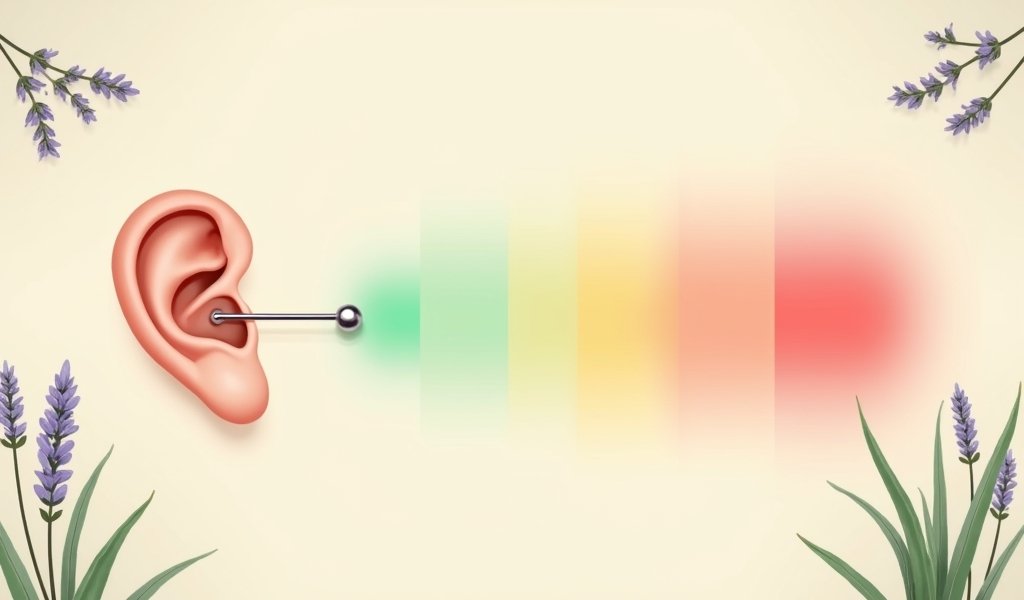
The ear piercing pain scale typically ranges from 1-10, with 1 representing minimal discomfort and 10 indicating severe pain. Based on clinical experience and patient feedback, here’s how different ear piercings typically rate:
- Earlobe (1-3/10): The fleshy lobe contains fewer nerve endings, making this the least painful option and perfect for beginners.
- Helix (3-5/10): This upper cartilage piercing causes moderate discomfort due to thicker tissue.
- Tragus (4-6/10): The small cartilage prominence in front of your ear canal offers more resistance, resulting in heightened sensation.
- Conch (5-7/10): Located in the center part of your ear, this thicker cartilage piercing typically causes more pronounced discomfort.
- Industrial (6-8/10): This piercing passes through cartilage twice, potentially doubling the discomfort.
- Daith (6-7/10): The innermost cartilage fold can be quite sensitive, though some patients report it being less painful than expected.
- Rook (7-8/10): This thick, curved cartilage typically ranks among the more painful ear piercings.
It’s worth noting that these ratings are approximate. According to research published in the Journal of Pain Research, individual pain thresholds can vary by up to 40% based on genetics, psychology, and previous experiences.
Remember that piercing pain is transient – typically lasting only seconds – while healing discomfort might persist for days or weeks. Proper preparation and aftercare can significantly reduce both initial pain and recovery discomfort.
Factors That Affect Piercing Pain
Several factors influence how painful your ear piercing experience might be. Understanding these can help you prepare appropriately and potentially reduce discomfort:
Anatomical Considerations
The structure of your ear plays a significant role in pain perception. Areas with thinner tissue and fewer nerve endings (like earlobes) typically hurt less than thicker cartilage regions (such as the tragus or helix). Your unique anatomy might also make certain piercings more challenging – and potentially more painful – than others.
Individual ear cartilage thickness varies considerably. Some people naturally have thicker cartilage, which can increase resistance during piercing and potentially cause more discomfort. A qualified piercer from a reputable skin wellness center can evaluate your ear structure and advise accordingly.
Psychological Factors
Your mental state significantly impacts pain perception. Anxiety and fear about the procedure can amplify discomfort through a process called pain catastrophizing. Conversely, feeling calm and prepared often reduces perceived pain.
A study in The Journal of Pain found that expectations about pain intensity directly influence the actual pain experience. Simply put: expecting severe pain often makes it hurt more, while a positive mindset can help reduce discomfort.
Piercer Expertise
The skill and experience of your piercer significantly affect your pain experience. A professional with proper training knows exactly how to position the piercing, how quickly to insert the jewelry, and how to minimize trauma to surrounding tissues.
Professional piercers use techniques that reduce discomfort, such as proper tissue manipulation, optimal needle angle, and efficient movements. They’ll also help you with controlled breathing techniques that can reduce pain perception during the procedure.
Piercing Method
The tool used for your piercing significantly impacts pain levels. Professional piercers typically use hollow needles, which create a clean puncture by removing a tiny cylinder of tissue rather than forcing it apart. This generally causes less trauma and pain compared to piercing guns.
Piercing guns, though common in mall kiosks, often create more pain and tissue damage. They use force to push a blunt earring through the ear, potentially causing crushing damage to cartilage and increasing both immediate pain and complications during healing.
7 Proven Tips to Ease Ear Piercing Pain
Ready to minimize discomfort during your piercing experience? These evidence-based strategies can help reduce pain and anxiety:
1. Choose the Right Professional
Select a reputable, experienced piercer who follows strict hygiene protocols and uses proper equipment. Ask to see their portfolio and credentials. An experienced piercer will not only create a more aesthetically pleasing result but will typically cause less trauma and pain during the procedure.
Don’t hesitate to ask questions during your consultation – a good piercer will happily address your concerns and help you feel comfortable before proceeding. Their expertise is an essential part of our wellness services approach to body modification.
2. Time Your Piercing Strategically
Consider scheduling your piercing when your pain tolerance is naturally higher. Research published in the Postgraduate Medicine Journal suggests that pain sensitivity fluctuates throughout the day for many people, often being lowest in the afternoon.
Avoid getting pierced during your menstrual period if you tend to experience increased sensitivity. Additionally, schedule your piercing when you’re well-rested and not under significant stress, as both fatigue and anxiety can amplify pain perception.
3. Use Natural Pain Management Techniques
Several non-pharmaceutical approaches can help manage piercing pain:
- Deep breathing: Practice slow, controlled breathing before and during the procedure to activate your body’s relaxation response.
- Visualization: Imagine yourself in a calming place or visualize the pain as temporary and manageable.
- Distraction: Bring a friend to chat with or use conversation with your piercer to divert attention.
These techniques work by engaging different neural pathways and triggering the release of natural pain-relieving chemicals in your brain.
4. Consider Topical Numbing Products
Discuss using a topical anesthetic with your piercer before your appointment. Some professionals apply products containing lidocaine, benzocaine, or tetracaine to reduce surface pain. However, be aware that these have limitations – they primarily numb the skin surface rather than deeper tissues.
Important note: Always consult with your piercer before applying any numbing product, as some may affect tissue elasticity or increase bleeding, potentially complicating the procedure.
5. Stay Well-Hydrated and Nourished
Proper hydration and blood sugar levels help optimize your body’s pain response. Drink plenty of water in the hours before your appointment, and eat a light, nutritious meal approximately 1-2 hours before.
Avoid alcohol for at least 24 hours before piercing – it thins blood, potentially increasing bleeding, and can heighten pain sensitivity afterward. Similarly, avoid caffeine, which may increase nervousness and physical tension.
6. Use Cold Therapy
Some piercers use cold packs or cooling sprays immediately before piercing to temporarily numb the area. Cold therapy works by slowing nerve conduction velocity and reducing inflammation responses.
The effectiveness of cold therapy varies from person to person, but many find it helpful for reducing initial sting. If you’re interested in this approach, ask your piercer if it’s appropriate for your specific piercing location.
7. Practice Mindfulness and Acceptance
Acknowledge that some discomfort is inevitable but extremely brief – typically lasting only seconds. Mindfulness techniques help you observe the sensation without judgment or resistance, which often reduces perceived pain intensity.
Remember that the anticipation of pain is frequently worse than the actual experience. Focusing on the positive outcome – your beautiful new piercing – can help shift your mindset from fear to excitement.
Essential Aftercare for Minimizing Discomfort
While the initial piercing pain lasts only moments, proper aftercare is crucial for minimizing discomfort during the healing process, which can last weeks to months depending on the piercing location.
Cleaning Protocol
Follow a consistent cleaning routine using only recommended solutions. For most ear piercings, a simple saline solution (0.9% sodium chloride) is ideal. Apply twice daily using clean hands or sterile gauze.
Avoid harsh antiseptics like hydrogen peroxide, alcohol, or antibacterial soaps, which can irritate tissue and delay healing. These products may seem like they’re helping by creating that “clean” sensation, but they actually disrupt the delicate healing process.
Pain Management During Healing
Some discomfort during healing is normal but shouldn’t be severe or worsening. If you experience pain during the healing period, try these approaches:
- Cold compresses: Apply for 5-10 minutes to reduce swelling and numb discomfort.
- Over-the-counter pain relievers: Non-steroidal anti-inflammatory drugs (NSAIDs) like ibuprofen can help reduce both pain and inflammation.
- Saline soaks: For cartilage piercings, a warm saline soak can alleviate pressure and pain from minor swelling.
According to recommendations from the American Academy of Family Physicians, avoiding sleeping on your new piercing can significantly reduce pain and complications during healing.
Lifestyle Adjustments
Certain habits can significantly impact healing comfort:
- Avoid touching or rotating your jewelry, which can introduce bacteria and irritate the piercing channel.
- Be cautious with hair products, which can cause irritation if they contact the piercing.
- Consider your sleeping position to avoid pressure on the new piercing.
- Keep your phone, headphones, and other items that regularly contact your ear clean to prevent contamination.
Maintaining overall health through proper nutrition, hydration, and stress management also supports optimal healing and reduces discomfort.
When to Seek Professional Help
While some discomfort during healing is expected, certain symptoms indicate potential problems that require professional attention.
Warning Signs
Contact your piercer or healthcare provider if you experience:
- Severe, increasing, or throbbing pain that isn’t relieved by over-the-counter medication
- Significant swelling extending well beyond the piercing site
- Unusual discharge (particularly thick, yellow, green, or foul-smelling)
- Red streaks extending from the piercing
- Fever or chills, which may indicate infection
- Embedding of jewelry into the skin
Early intervention for complications can prevent minor issues from becoming serious problems. Don’t hesitate to seek help if something doesn’t seem right.
Professional Assessment
If problems arise, your piercer should be your first contact for minor concerns. They can assess whether the issue is a normal part of healing or requires medical attention. For more serious symptoms, particularly those suggesting infection, consult a healthcare provider promptly.
Bring information about your piercing, including when it was done, the jewelry material, and your aftercare routine, to help with accurate assessment and treatment.
Conclusion
Understanding the ear piercing pain scale and implementing these seven proven tips can significantly improve your piercing experience. Remember that while discomfort is inevitable, it’s typically brief and manageable with proper preparation and technique.
Your choice of piercer, piercing method, and aftercare routine all play crucial roles in minimizing pain and ensuring smooth healing. By approaching your piercing with knowledge and preparation, you’ll set yourself up for the best possible outcome – both aesthetically and comfort-wise.
Whether you’re getting your first lobe piercing or adding a more advanced cartilage piercing to your collection, these strategies will help you navigate the process with confidence. Your new piercing should be a source of joy and self-expression, not lingering discomfort.
With the right approach, you can embrace the art of ear piercing while keeping pain to a minimum. Your body modification journey should be empowering – these tips ensure the experience remains positive from start to finish.
Frequently Asked Questions
Which ear piercing hurts the least?
Earlobe piercings typically hurt the least, rating 1-3 on the pain scale. The lobe contains fewer nerve endings and consists of soft, fleshy tissue rather than cartilage.
How long does ear piercing pain last?
The actual piercing pain usually lasts only seconds. Mild soreness may continue for 24-48 hours, while healing discomfort can persist for weeks depending on the piercing location.
Can I take painkillers before getting my ears pierced?
Yes, taking non-blood thinning pain relievers like acetaminophen 30-60 minutes before your appointment can help reduce discomfort. Avoid aspirin and ibuprofen before piercing as they may increase bleeding.
Is a needle or gun less painful for ear piercing?
Professional hollow needles typically cause less pain and tissue trauma than piercing guns. Needles create a clean puncture while guns force blunt jewelry through tissue, potentially causing more damage and discomfort.
Does ear piercing pain mean something is wrong?
Momentary sharp pain during piercing is normal, but severe or worsening pain afterward may indicate a problem. Consult your piercer or healthcare provider if pain is excessive or accompanied by significant swelling, unusual discharge, or fever.